Peach Lactone
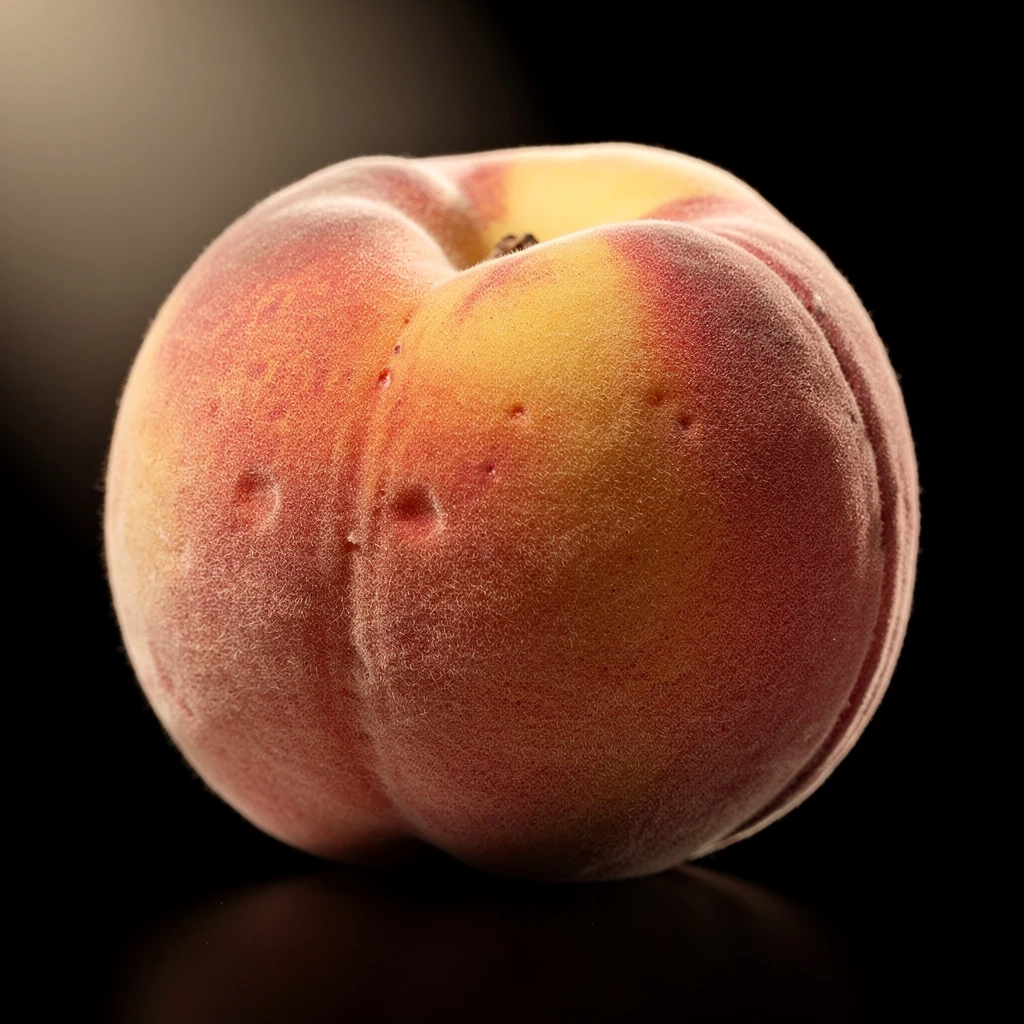
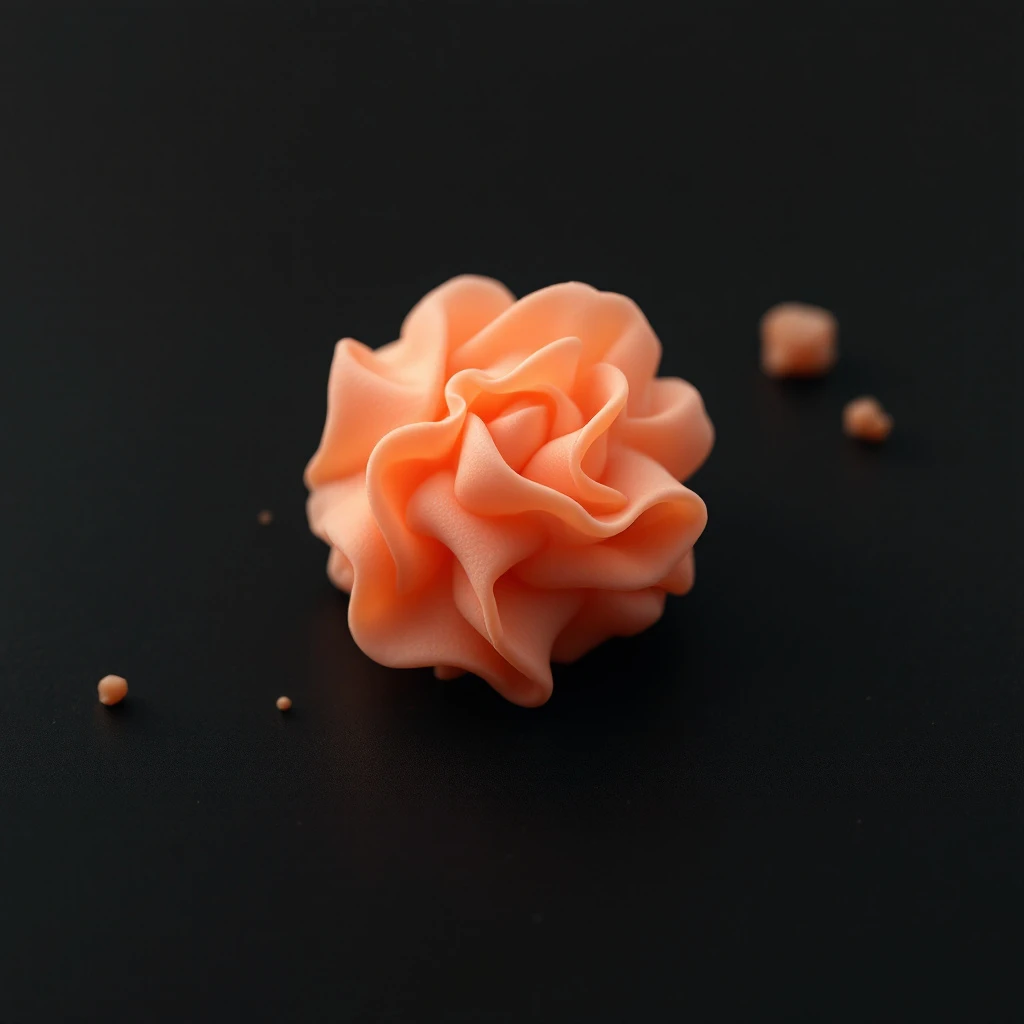
The molecule that gives ripe peaches their unmistakable velvet. Gamma-undecalactone captures sun-warmed fruit flesh with a lactonic creaminess that no natural extract can match in consistency.
Character
How it smells
Sun-ripened stone fruit distilled to its molecular essence.
Blue cheese shares this compound with peaches. The same molecule that scents your ripe peach creates the tangy complexity of aged Roquefort.



Origin
France
Scientists first identified gamma-undecalactone in the late 19th century. Commercial production began in the early 20th century, coinciding with the synthetic revolution that transformed perfumery.
In 1919, Jacques Guerlain released a fragrance considered the first to combine natural and synthetic raw materials for a fruity effect, establishing modern peach accords. Before this, perfumers relied on expensive peach absolutes or combinations of other naturals to suggest the note.
The East had long revered the peach as a symbol of immortality and purity. When Western perfumery gained access to peach lactone, it unlocked a new chapter in fruity fragrance creation that continues today.
Wears it best
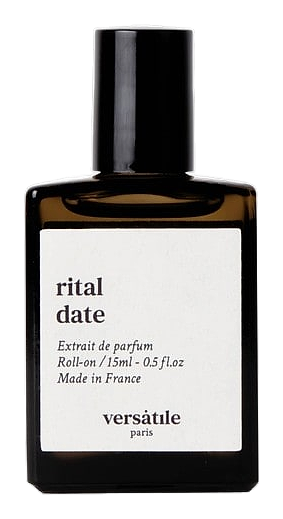
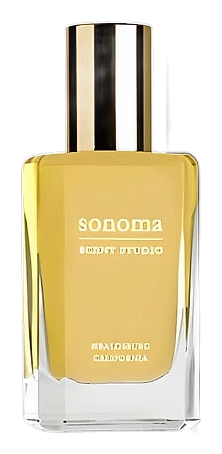
Fragrances featuring Peach Lactone
Brands
Brands known for Peach Lactone
Good to know
Questions, answered
The essentials on Peach Lactone in perfumery: how it smells, where it comes from, and how it behaves on skin.
What is peach lactone?
Peach lactone refers to lactone compounds, mainly gamma-undecalactone, that recreate the scent of ripe peaches. Synthetic production ensures consistent intensity and purity that natural fruit extracts cannot achieve.
What does peach lactone smell like?
Peach lactone smells creamy and velvety with prominent peachy character and subtle coconut undertones. Gamma-undecalactone delivers the strongest peach impact, while gamma-decalactone offers a more delicate, osmanthus-like variation.
Is peach lactone found in nature?
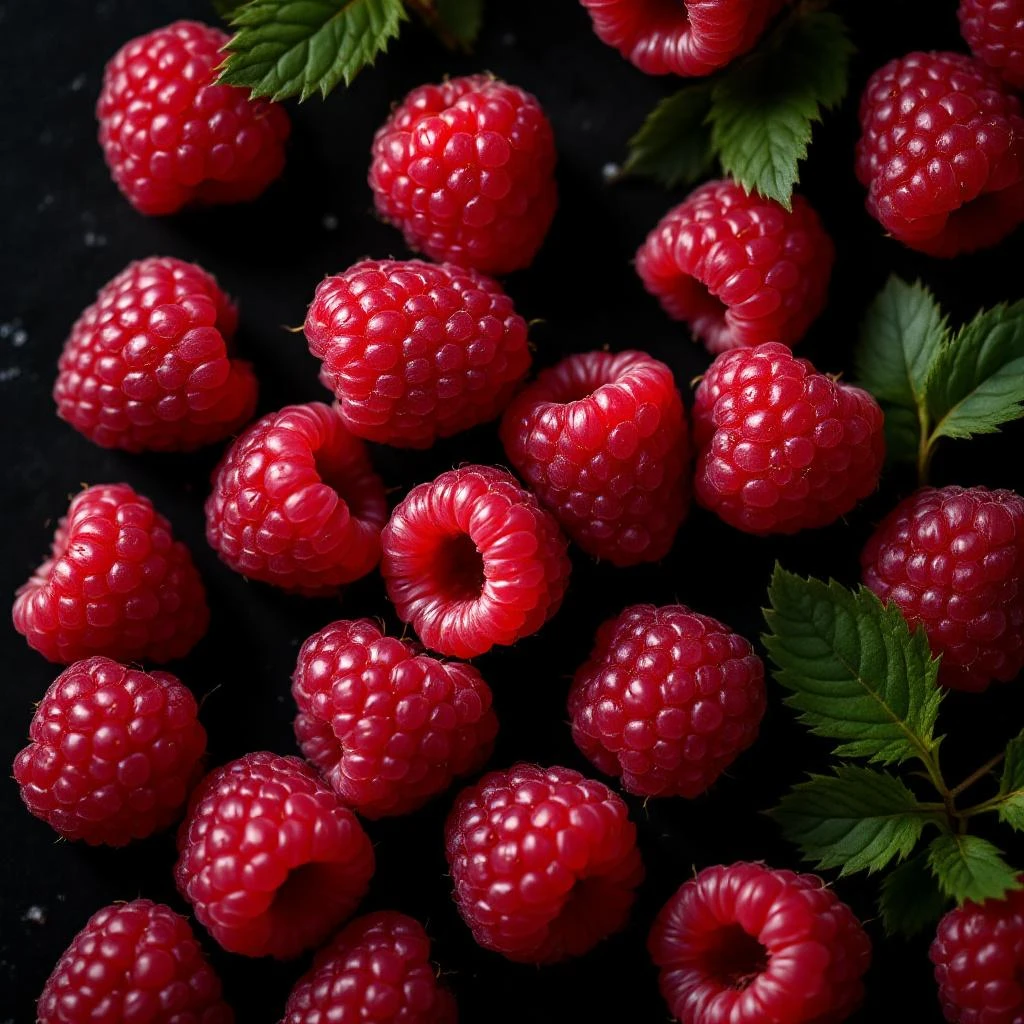
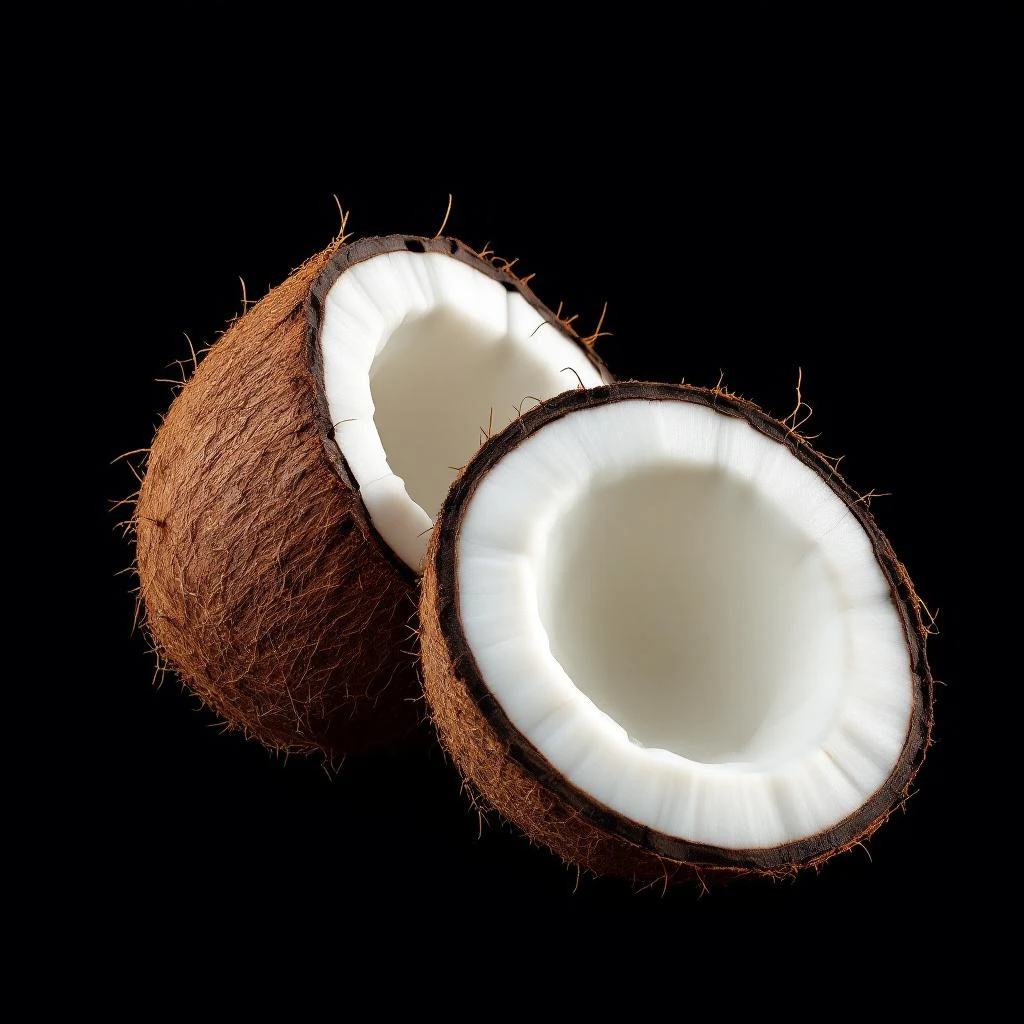
Trace amounts exist naturally in peaches, coconut, and raspberries. However, synthetic production replicates these compounds identically while delivering the concentration and consistency perfumers require.
When did peach lactone enter perfumery?
Scientists commercialized the molecule in the early 20th century. A landmark 1919 Guerlain fragrance became one of the first to pair synthetic peach lactone with natural ingredients, pioneering modern fruity fragrance design.
Which fruits share lactone compounds with peach?
Coconut, raspberry, and certain fermented foods like blue cheese contain the same lactone family. These compounds bridge fruity and dairy aroma categories, explaining why peach and coconut notes often appear together in fragrance.
How does gamma-undecalactone differ from gamma-decalactone?
Gamma-undecalactone (C14) delivers punchier, more potent peach with coconut facets. Gamma-decalactone (C10) is lighter and more delicate, introducing osmanthus and floral nuances that soften the overall impression.
Can natural peach extract replace peach lactone?
Natural peach extracts lack the reliability and intensity of synthetic lactones. Fruit cultivars vary dramatically in aroma profile, making consistent peach accords impossible without synthetic support.
Is peach lactone used in food as well as perfume?
Regulatory agencies approve gamma-undecalactone as a food flavoring. The compound appears in peach-flavored products, ice cream, and baked goods, demonstrating its safety profile established over more than a century of use.