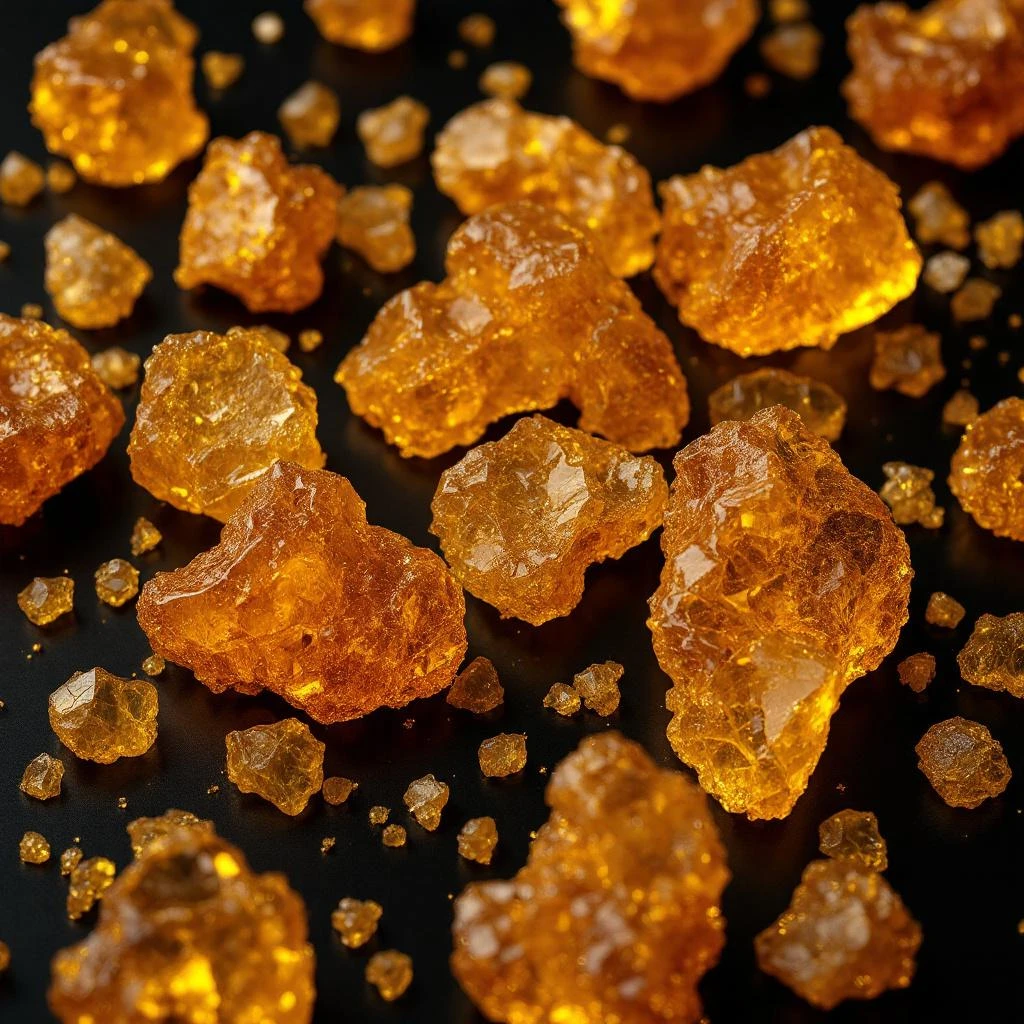
Omani Black Frankincense
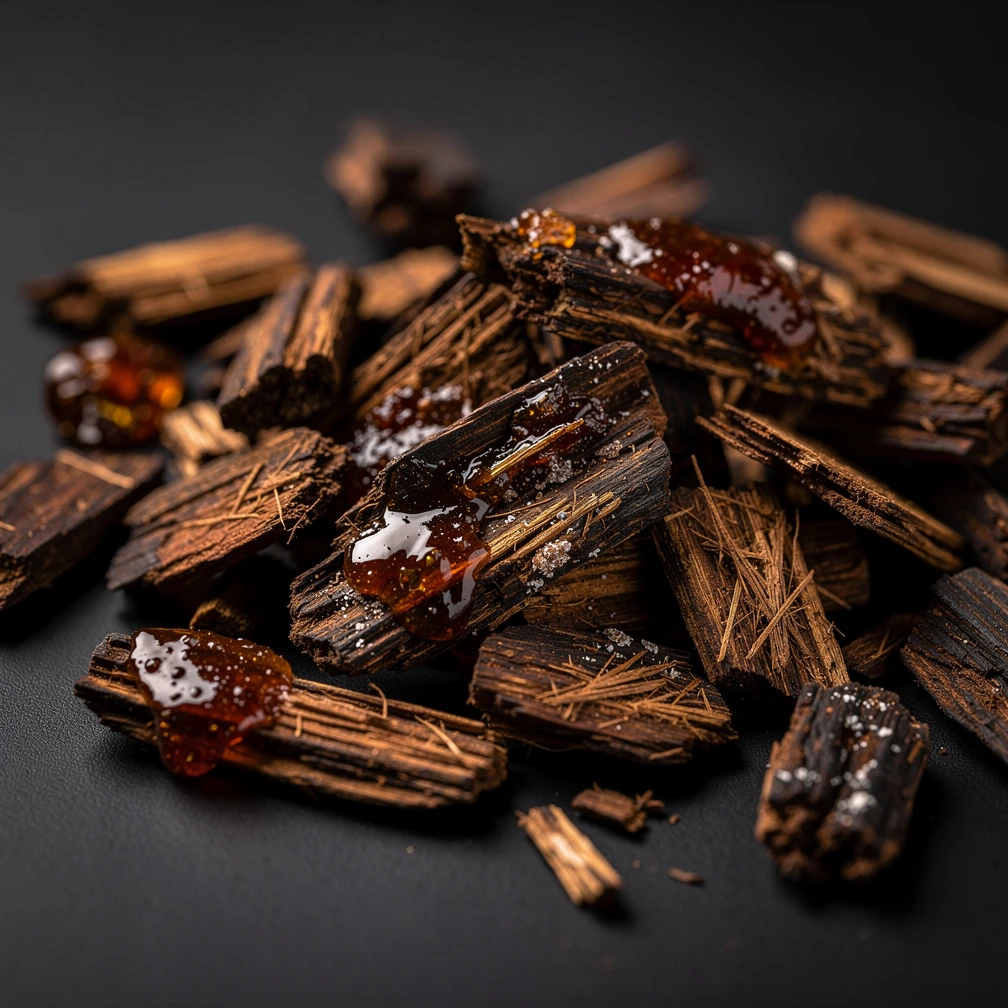
A sacred resin with 6,000 years of olfactory history. Boswellia sacra from the Omani mountains delivers a complex aroma—citrus brightness layered over deep balsamic warmth, smoke, and faint spice. One of perfumery's most revered natural materials.
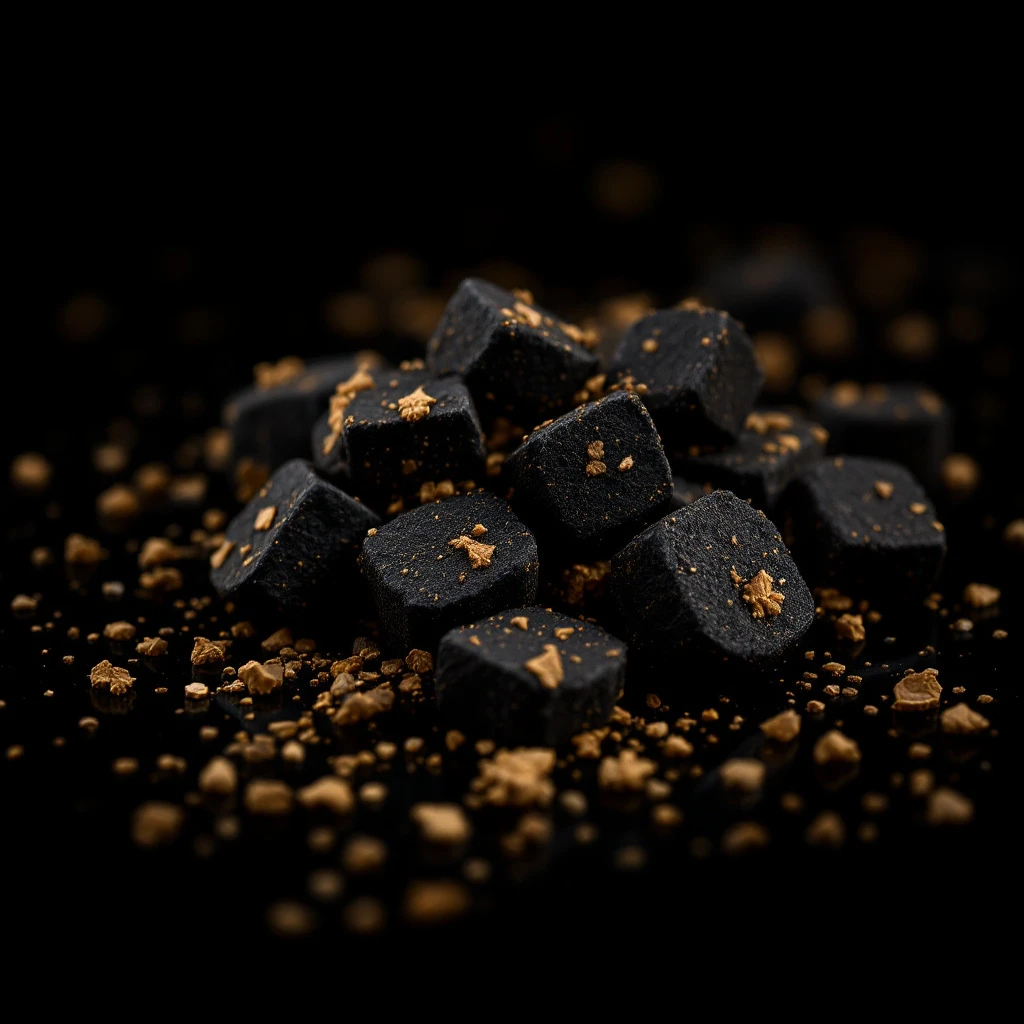
Character
How it smells
Ancient sacred resin from the mountains of Oman
Ancient Egyptian women chewed frankincense resin daily to perfume their breath—a beauty ritual practiced over 3,000 years ago.




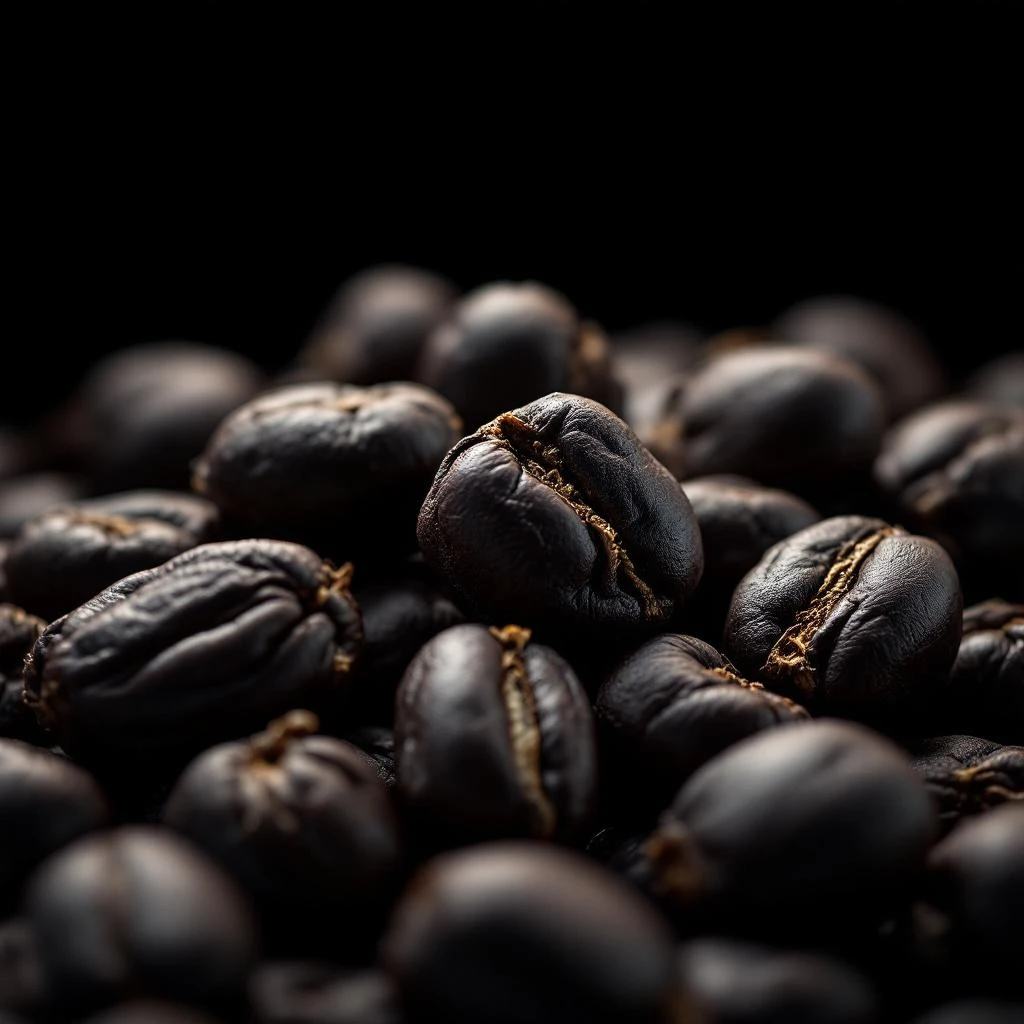

Origin
Oman
Frankincense shaped ancient trade routes across the Arabian Peninsula for over six millennia. The Old French term franc encens, meaning pure incense, reflects its historical value—once worth more than gold along Silk Road connections. Oman served as the primary source of Boswellia sacra, the most revered species, feeding demand from Egyptian temples, Roman banquets, and Persian courts.
The resin perfumed sacred spaces, masked battlefield odors, and treated wounds. Today, Omani frankincense remains integral to Gulf culture. Families burn it during Eid celebrations, weddings, and daily prayers.
The WIPO has recognized these traditions as culturally significant intangible heritage. Modern perfumers return to these ancient materials, finding in Omani black frankincense a bridge between contemporary craft and six thousand years of olfactory history.
Wears it best
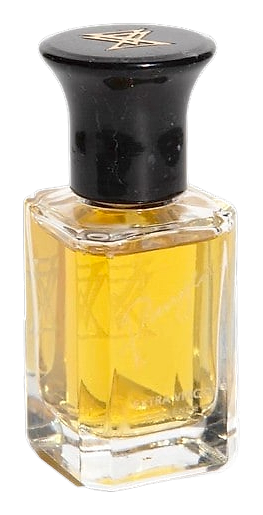
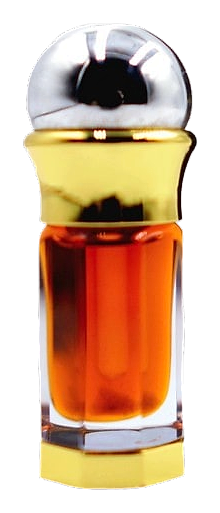
Fragrances featuring Omani Black Frankincense

Brands
Brands known for Omani Black Frankincense
Good to know
Questions, answered
The essentials on Omani Black Frankincense in perfumery: how it smells, where it comes from, and how it behaves on skin.
What does Omani black frankincense smell like?
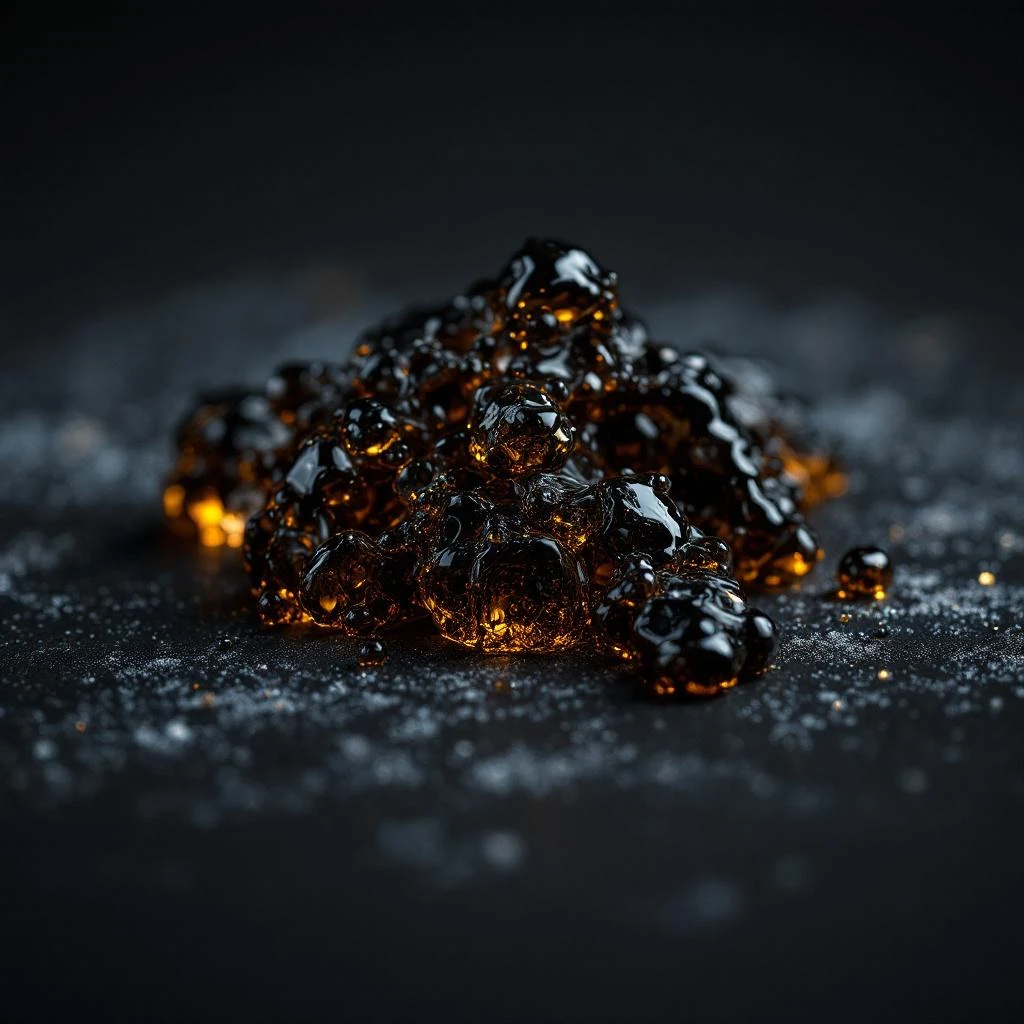
Black frankincense resinoid offers a complex scent profile: bright citrus and pine notes open the experience, while deep balsamic warmth, smoke, and faint spice anchor the drydown. The solvent-extracted format preserves more base character than steam-distilled oil.
Why is Omani frankincense considered premium?
Oman produces Boswellia sacra, the most historically revered frankincense species. The Dhofar region's unique monsoon climate creates ideal conditions for these trees, yielding resin with exceptional aromatic complexity. Wild-harvested Omani frankincense commands the highest market value.
How long has frankincense been used in perfumery?
Humans have used frankincense for approximately 6,000 years. Ancient Egyptians employed it in cosmetics and temple rituals. The Old French term franc encens, meaning pure incense, appears in medieval texts, reflecting its sustained cultural importance across millennia.
Is Omani black frankincense sustainably harvested?
Boswellia sacra faces conservation challenges across its range. Responsible sourcing requires verification of sustainable tapping practices, adequate tree recovery periods, and fair compensation for harvesting communities. Some producers now offer certified sustainable options.
What is the difference between frankincense oil and resinoid?
Steam-distilled essential oil captures lighter volatile compounds, offering bright citrus and pine character. Solvent-extracted resinoid preserves the full aromatic spectrum, including heavier base notes like smoke and balsamic depth. Resinoid delivers more concentrated complexity.
Where does Omani black frankincense grow?
The Dhofar region in southern Oman, particularly the arid mountains near Salalah, provides the ideal microclimate for Boswellia sacra. Summer monsoon moisture creates conditions unavailable elsewhere, supporting frankincense trees that have grown in these valleys for thousands of years.
How is frankincense resin harvested?
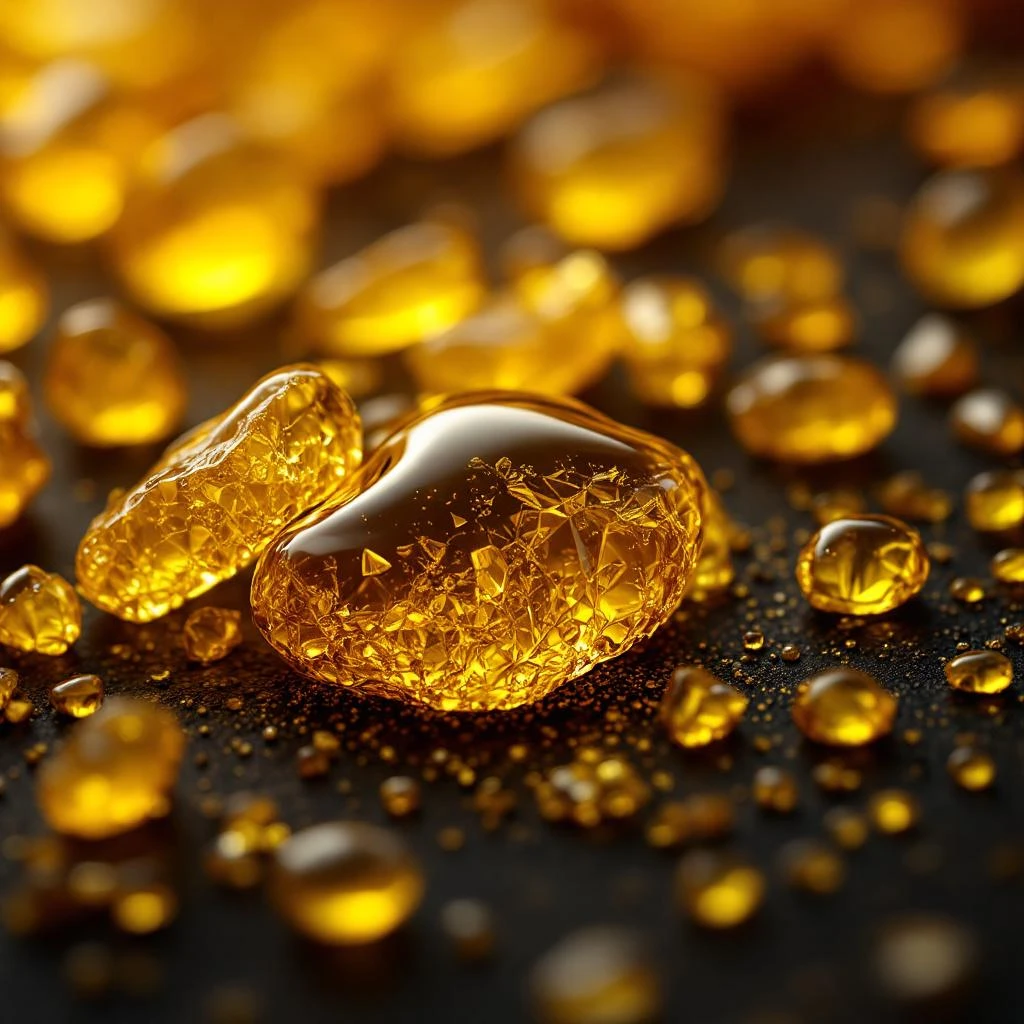
Harvesters make careful incisions in Boswellia sacra bark, allowing milky resin to weep out and solidify over several weeks. They collect the tear-shaped droplets by hand, then clean and grade the raw material. Trees require five to eight years before first harvest.
What role does frankincense play in Omani culture?
Frankincense remains embedded in Omani daily life and ceremonial practice. Families burn it during celebrations, religious observances, and hospitality rituals. The WIPO has recognized frankincense traditions as culturally significant intangible heritage, preserving knowledge and practices tied to this ancient material.