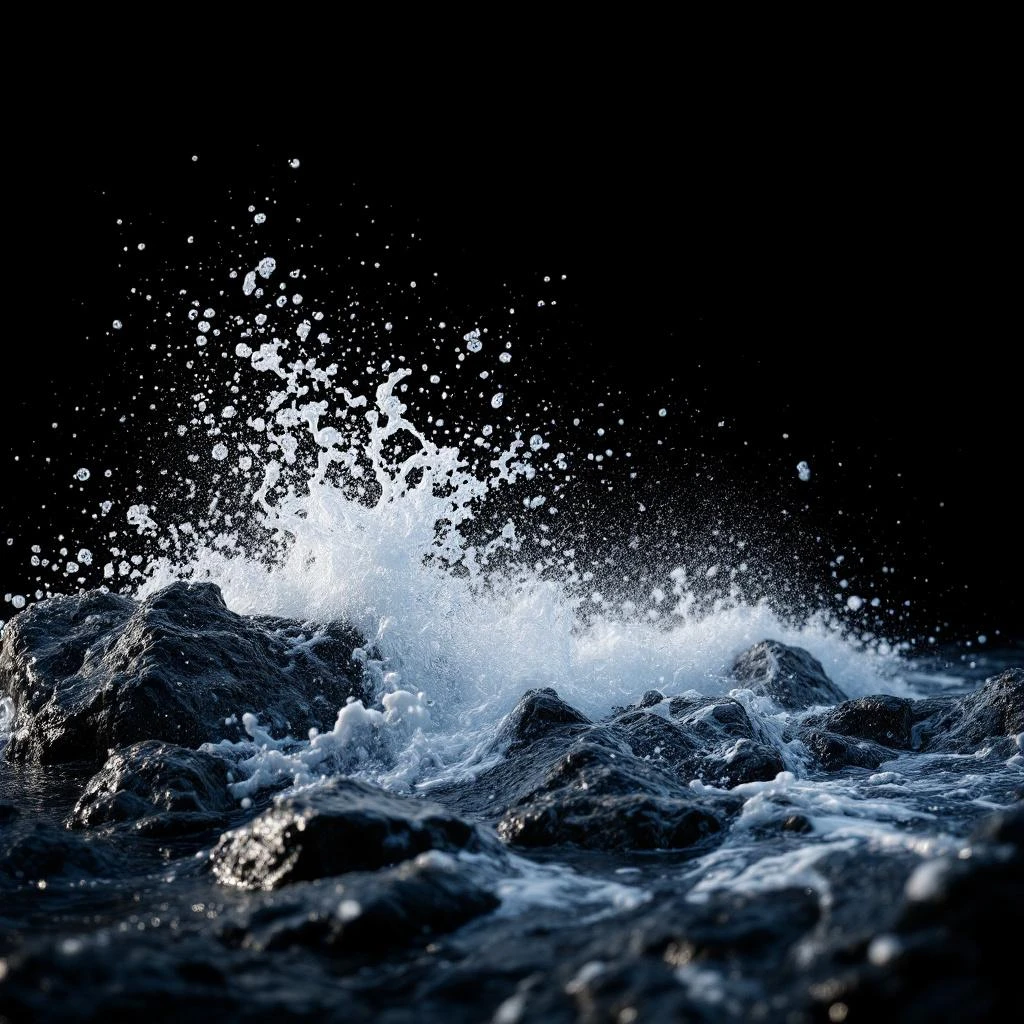
Oceanol
Oceanol is a synthetic aroma compound engineered to capture the cool, ozonic scent of ocean air. Its marine, slightly metallic profile anchors countless aquatic and fresh fragrances.
Character
How it smells
The molecular mimic of sea spray
Oceanol was developed in the 1990s as perfumers sought new ways to evoke water and fresh air without using floral or citrus notes.







Origin
Germany
The story of marine fragrances begins in 1968, with the launch of Davidoff Cool Water and the earlier Calandre by Paco Rabanne marking a clear shift toward aquatic scent profiles in mainstream perfumery. Before the 1990s, perfumers relied on floral aldehydes, seaweed absolute, and cucumber notes to suggest sea air, often with limited success. The development of dedicated marine molecules like Oceanol changed the conversation.
These new synthetics allowed creators to build transparent, ozonic accords that smelled clean and modern rather than green or vegetal. Oceanol appeared as the industry refined its understanding of how a few well-chosen molecules could simulate an entire coastal atmosphere. Today it sits among the core building blocks of aquatic perfumery, used wherever a formula needs to suggest salt spray, open water, or cool humidity.
Its arrival coincided with growing consumer appetite for fresh, sport-oriented scents that moved away from the heavy orientals of the 1980s.
Wears it best
Fragrances featuring Oceanol
Brands
Brands known for Oceanol
Good to know
Questions, answered
The essentials on Oceanol in perfumery: how it smells, where it comes from, and how it behaves on skin.
What does Oceanol smell like?
Oceanol smells like cool sea air, with a marine, slightly metallic, and ozonic character. It evokes ocean spray and damp coastal breezes without green or floral undertones, which is why it became a staple of aquatic perfumery after its 1990s introduction.
Is Oceanol a natural or synthetic ingredient?
Oceanol is fully synthetic. It is produced through organic synthesis in a laboratory rather than extracted from plants, seaweed, or animal sources, giving perfumers a consistent and reproducible marine note.
Which perfumes use Oceanol?
Oceanol appears in many aquatic and fresh fragrances, particularly sport and unisex launches from the late 1990s onward. Specific formulas vary by brand, but it is a frequent component in cool-water style compositions.
Is Oceanol safe to use in perfume?
Yes, Oceanol is approved by IFRA for use in fragrance formulations within recommended concentration limits. It has a long history of safe use in alcohol-based perfumes, soaps, and fabric care products.
How is Oceanol made?
Oceanol is made through controlled organic synthesis from petrochemical precursors, then purified by fractional distillation. No natural raw material is involved, which is unusual even among synthetic aroma chemicals.
Can Oceanol replace seaweed absolute?
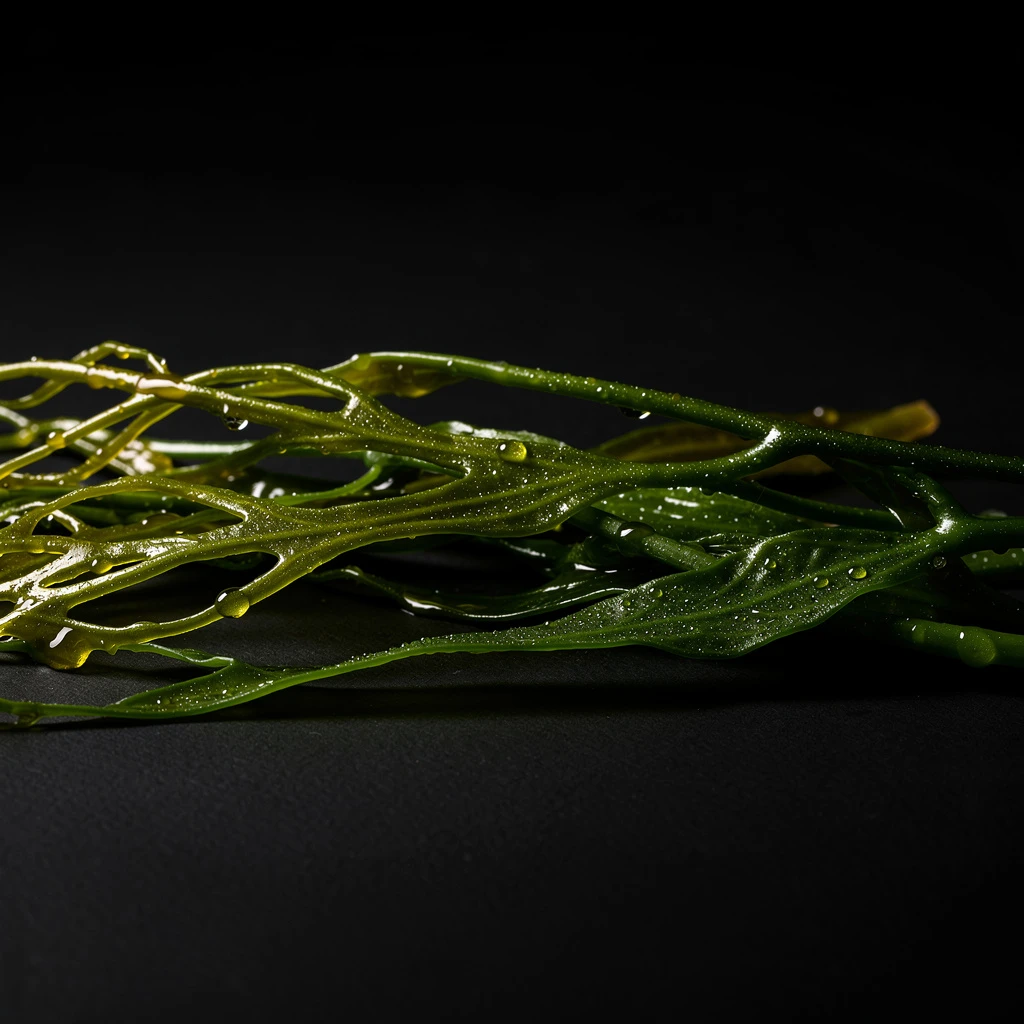
Oceanol cannot fully replace seaweed absolute because seaweed offers green, iodine-rich, and briny facets that synthetics struggle to match. Many perfumers combine both to build a layered marine accord.
Why do perfumers use Oceanol instead of natural ocean scents?
Perfumers use Oceanol because it is consistent, affordable, and IFRA-compliant, whereas natural marine sources are scarce and variable. A single molecule can deliver a clean aquatic impression across millions of bottles.
Does Oceanol last long on skin?
Oceanol has moderate longevity, typically lasting two to four hours in a finished fragrance. Perfumers often pair it with longer-lasting musks or ambroxan to extend the fresh aquatic impression.