Pamplezest
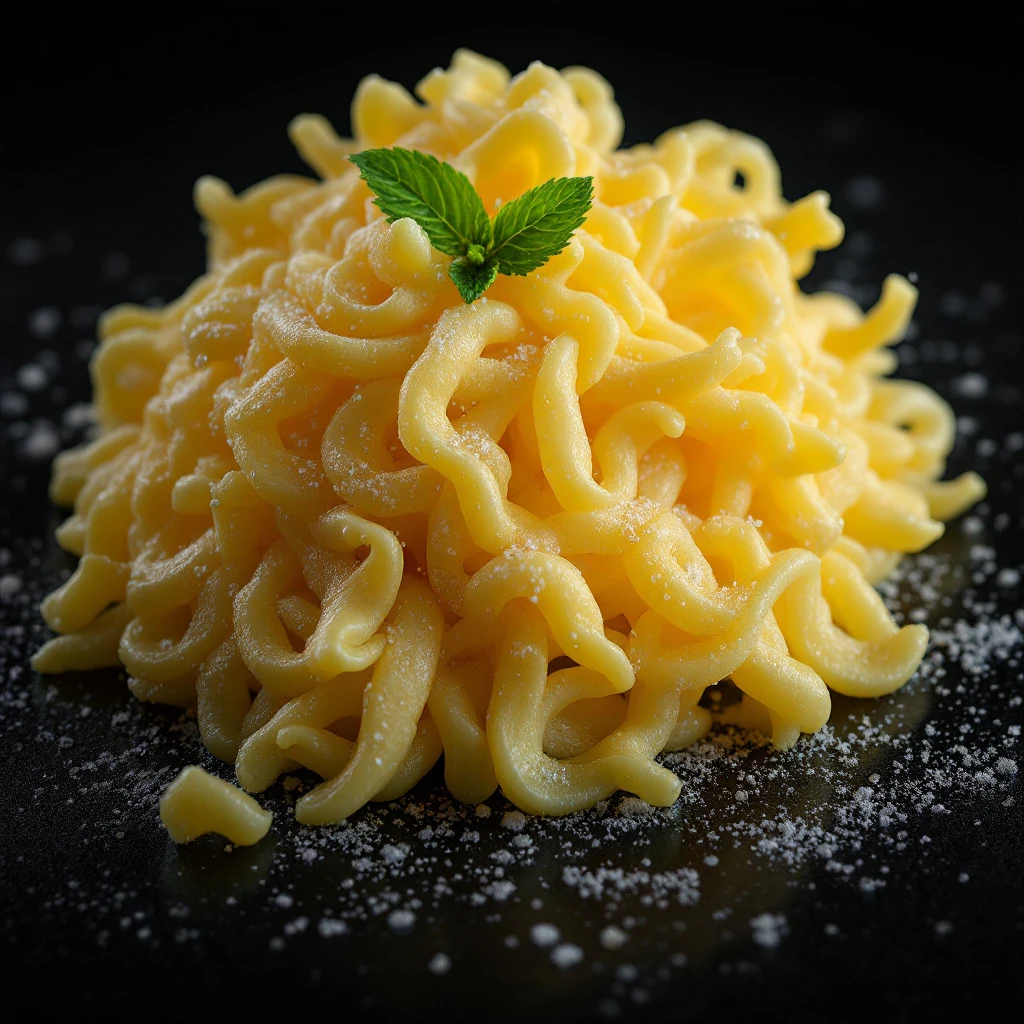
Pamplezest captures the bright, sun-drenched essence of citrus zest, blending the tangy freshness of grapefruit with golden notes of ripened peel. This contemporary ingredient brings an energizing clarity to fragrance compositions.
Character
How it smells
Sun-drenched citrus brightness in every note.
The name fuses 'pamplemousse' (French for grapefruit) with 'zest,' reflecting its dual character of bright acidity and aromatic peel depth.

Origin
United States
Citrus played a limited role in ancient perfumery because extracting volatile citrus oils proved difficult before modern techniques. Ancient cultures burned citrus peels or used them whole, but true citrus absolutes appeared only when enfleurage and later cold-press methods emerged.
Grapefruit itself only entered Western perfumery in the twentieth century, long after bergamot and orange established citrus as a fragrance backbone. Pamplezest represents a new generation of citrus ingredients that capture facets traditional extraction missed.
Wears it best
Fragrances featuring Pamplezest

Brands
Brands known for Pamplezest
Good to know
Questions, answered
The essentials on Pamplezest in perfumery: how it smells, where it comes from, and how it behaves on skin.
What exactly is Pamplezest in perfumery?
Pamplezest is a citrus ingredient derived from grapefruit peel through cold expression. The name combines French 'pamplemousse' (grapefruit) with 'zest,' capturing both the fruit's bright acidity and aromatic peel depth in a single material.
How does Pamplezest differ from standard grapefruit essential oil?
Standard grapefruit oil captures the juice vesicles and entire fruit character. Pamplezest isolates the zest layer specifically, yielding a cleaner, more aromatic profile with reduced bitter notes and enhanced clarity.
What does Pamplezest smell like?
Pamplezest opens with sharp, effervescent citrus brightness reminiscent of freshly peeled grapefruit. The dry-down reveals softer, almost floral undertones with a clean, waxy quality that lingers without heaviness.
Is Pamplezest a natural or synthetic ingredient?
Pamplezest is a naturally extracted ingredient obtained through cold expression of fresh grapefruit peel. No synthetic analogues replicate its full aromatic profile, though chemists have synthesized individual components for comparison.
Which fragrance families commonly use Pamplezest?
Pamplezest appears most frequently in fresh and aquatic fragrance families. Perfumers also use it as a top-note modifier in citrus chypres, modern florals, and green fragrance compositions to add brightness.
How stable is Pamplezest in fragrance formulations?
Pamplezest functions best as a top-to-heart note ingredient lasting three to four hours on skin. Fixatives can extend its presence, though the material lacks the longevity of heavier citrus derivatives like bergamot.
Does Pamplezest cause photosensitivity like other citrus oils?
Cold-expressed Pamplezest contains lower concentrations of furanocoumarins than traditional citrus oils, reducing but not eliminating photosensitivity risk. Perfumers still recommend standard dilution practices.
Can Pamplezest be combined with other citrus ingredients?
Pamplezest pairs naturally with bergamot, lemon, and petitgrain. It also complements marine accords and white florals like jasmine and gardenia, adding lift without overwhelming delicate notes.