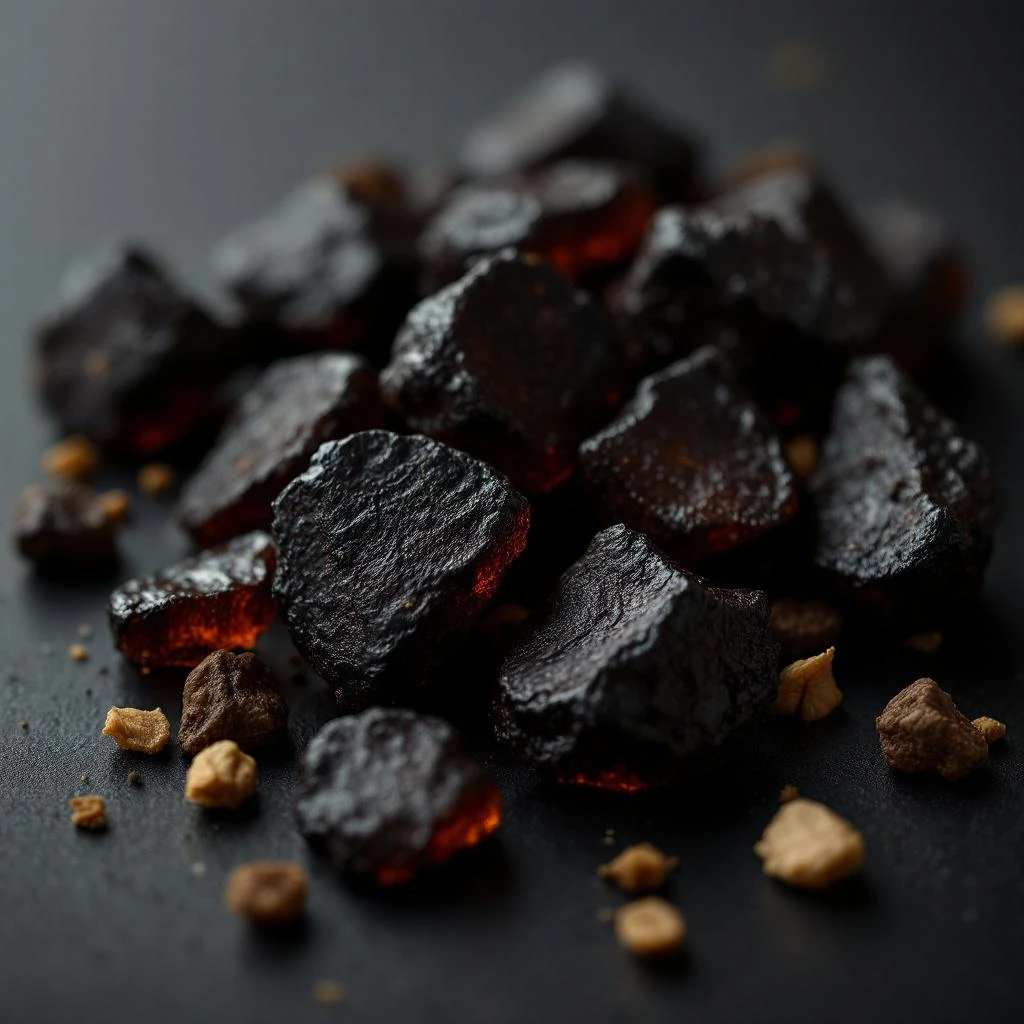
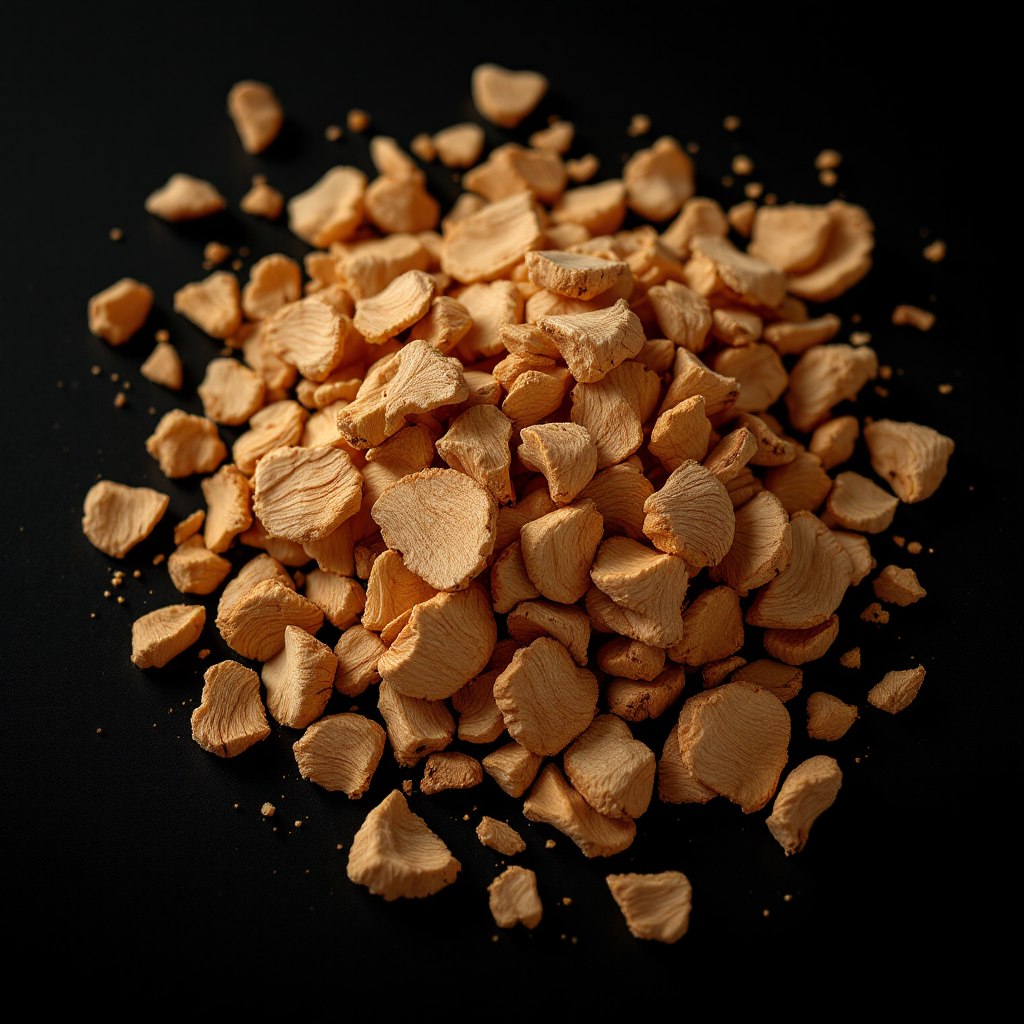
Norwegian Pine
Norwegian Pine captures the crisp, wind-swept forests of Scandinavia in a single ingredient. Its fresh, resinous character carries the unmistakable scent of conifer needles and warm tree bark, grounding fragrance compositions with a clean, mountain-air quality.
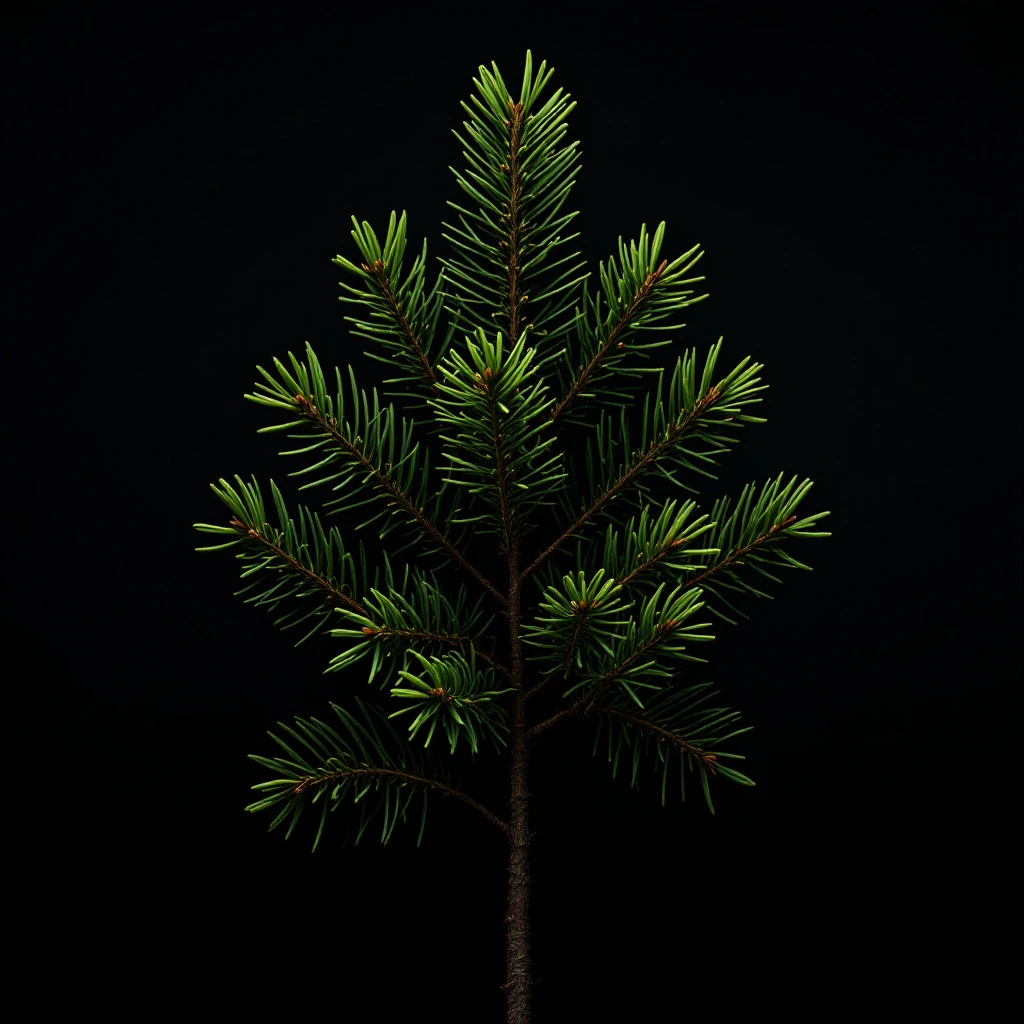
Character
How it smells
The Nordic forests distilled into fragrance.
Pine was among the first botanicals used in perfumery, with ancient Nordic cultures using its needles in ritual smoke and medicinal preparations centuries before modern fragrance existed.



Origin
Norway
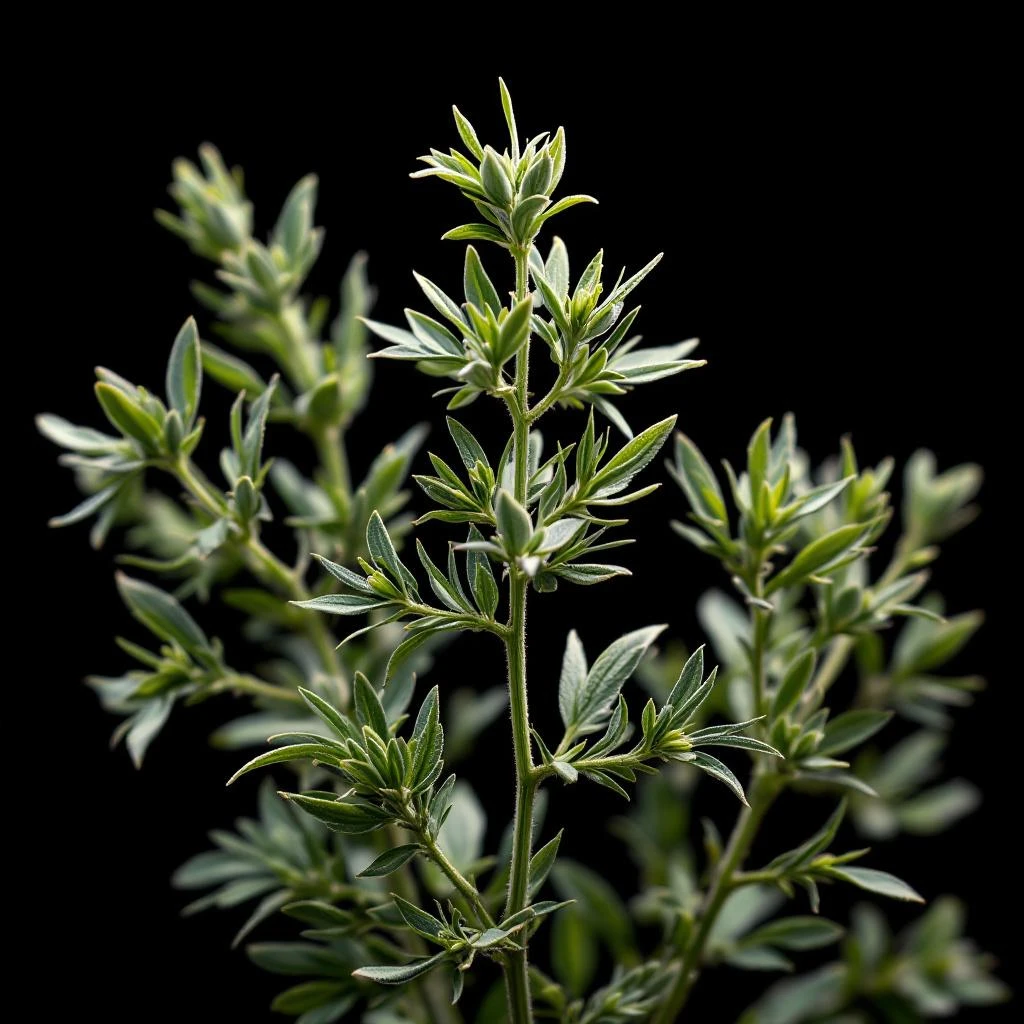
Pine has deep roots in Scandinavian culture, where Pinus sylvestris has been central to Nordic life for millennia. Norse communities used pine for shipbuilding, construction, and medicine, and the tree held sacred significance in Norse mythology, where it was associated with the god Odin.
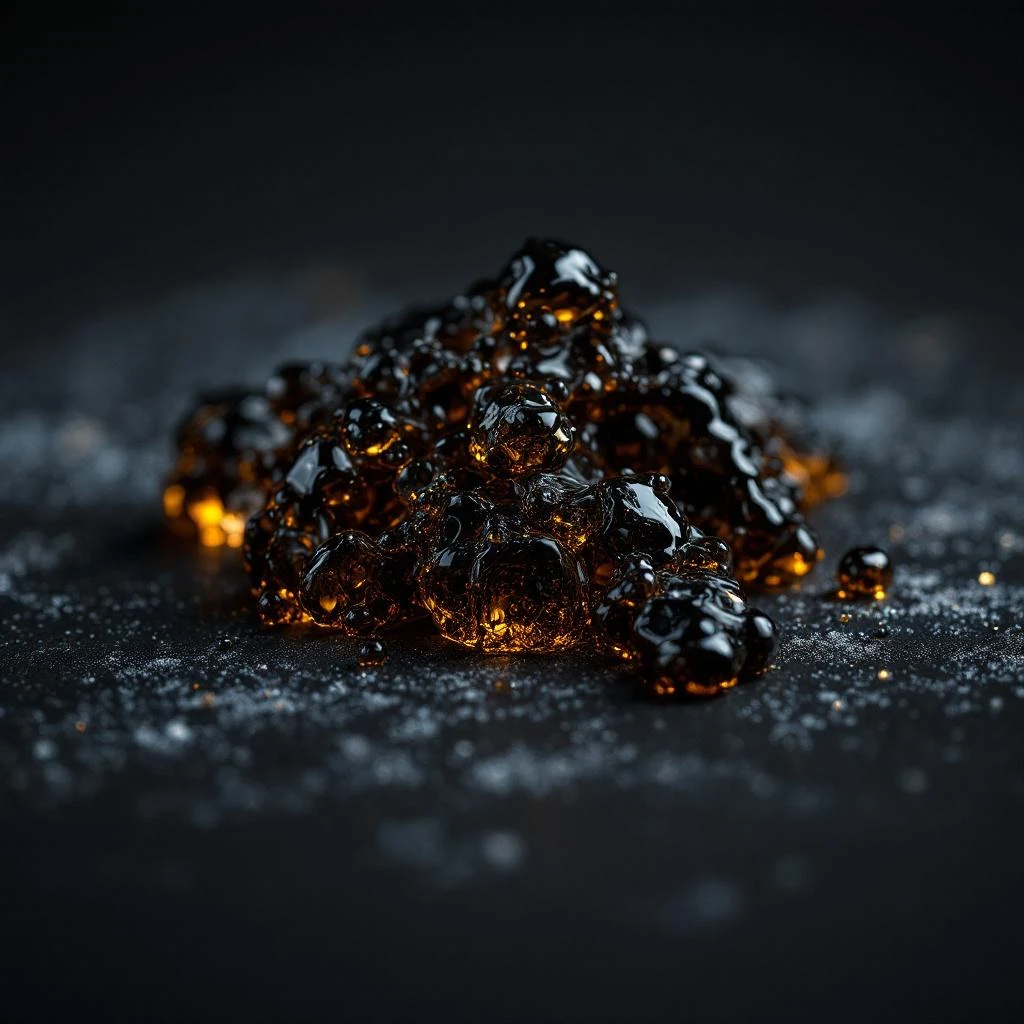
Coastal communities used pine tar for waterproofing and preservation. While ancient Egyptians and Greeks favored resins like frankincense and myrrh, pine found its place in early perfumery through European apothecaries.
Modern perfumery began in the late nineteenth century with commercial synthesis of compounds like vanillin and coumarin, yet natural pine oil remained a staple, prized for its ability to evoke evergreen forests and convey freshness and nature. The steam distillation process for extracting pine oil was refined during this period, making it accessible to perfumers seeking conifer accords.
Wears it best
Fragrances featuring Norwegian Pine
Brands
Brands known for Norwegian Pine
Good to know
Questions, answered
The essentials on Norwegian Pine in perfumery: how it smells, where it comes from, and how it behaves on skin.
Does Norwegian Pine oil come from actual pine trees in Norway?
Yes, genuine Norwegian Pine essential oil comes from Pinus sylvestris harvested in Scandinavian forests. Steam distillation preserves the fresh, conifer character. Look for oils labeled with Scandinavian origin to ensure authenticity.
How is Norwegian Pine oil extracted?
Steam distillation extracts Norwegian Pine oil from the needles and young shoots of Pinus sylvestris. Pressurized steam vaporizes the volatile oils at temperatures below their boiling points, then condensation separates the essential oil from the hydrosol.
Is Norwegian Pine oil sustainably sourced?
Most Scandinavian suppliers harvest from managed forests with replanting programs. Ethical sourcing involves collecting branches and needles without felling trees, ensuring the forest ecosystem remains intact for future harvests.
What makes Norwegian Pine different from other pine oils?
Norwegian Pine from Pinus sylvestris has a particularly aromatic profile due to the cool Scandinavian climate. Northern latitudes produce higher alpha-pinene concentrations, giving the oil a fresher, more pronounced conifer character.
What compounds give Norwegian Pine its scent?
Alpha-pinene and beta-pinene create the fresh, conifer, turpentine notes. Limonene and other monoterpenes add complexity. The balance of these compounds determines whether the oil smells sharper or more balanced.
What fragrances pair well with Norwegian Pine?
Norwegian Pine blends well with cedarwood, juniper, and other conifer oils. It also pairs with rosemary, eucalyptus, and citrus notes. It works well in masculine fragrances and seasonal winter or forest-themed compositions.
Is there a difference between pine essential oil and pine absolute?
Pine essential oil comes from steam distillation and is the standard for perfumery. Pine absolute exists through solvent extraction but remains uncommon. The essential oil is more practical and widely available for fragrance use.
What should I know before using Norwegian Pine in formulations?
Norwegian Pine oil may cause skin sensitization in sensitive individuals and should be properly diluted. The oil is generally stable in fragrance formulations and has a moderate shelf life of 1-2 years when stored correctly.