Gingerbread
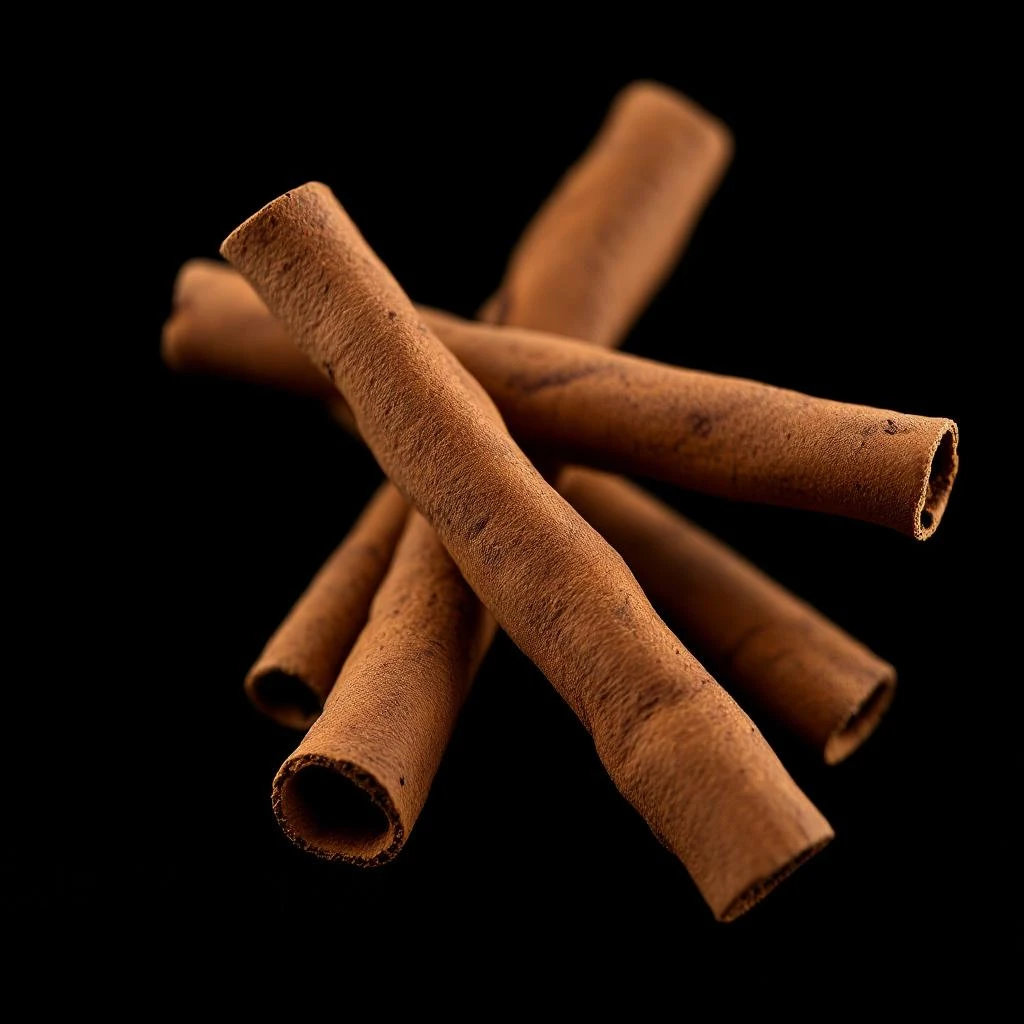
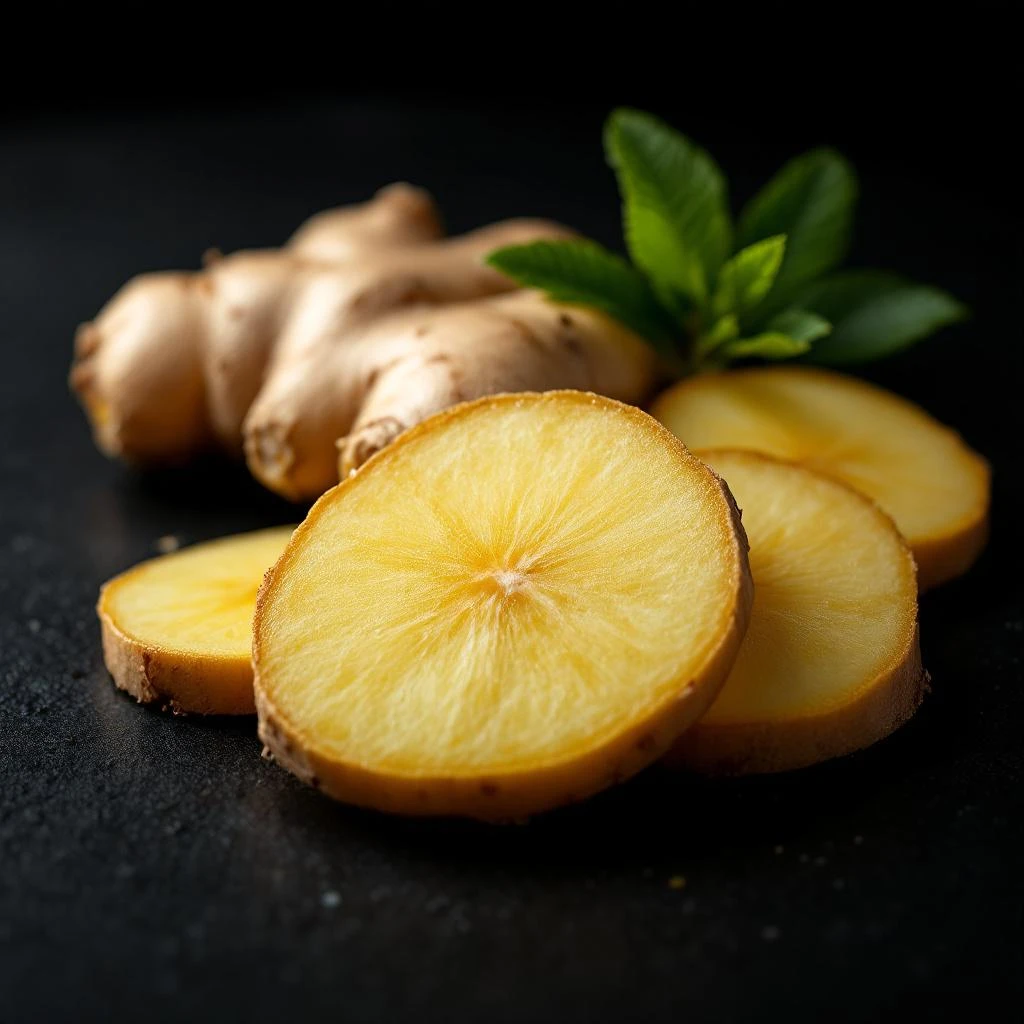
Gingerbread brings warm spice, sweet honey, and buttery richness into fragrance. This edible accord captures the aroma of freshly baked holiday treats, evoking comfort and nostalgia through a blend of ginger, cinnamon, clove, and vanilla.

Character
How it smells
The edible aroma of holiday warmth.
Queen Elizabeth I is credited with creating the first gingerbread men, decorated with marzipan and gold leaf for visiting dignitaries.





Origin
India
Gingerbread traces its roots to ancient Greece, where early versions appeared as dense, spiced cakes. The term emerged in medieval England around 992 CE when a French monk created a spiced cake to ease digestion. By the 13th century, trade routes carried ginger from the Middle East into European kitchens.
France and Germany developed distinct traditions—Normandy favored elegant shaped cookies while German Nuremberg became famous for Lebkuchen. Medieval fairs featured decorated gingerbread as both confection and decoration. The popularization of decorated gingerbread coincides with the white icing tradition that emerged in 16th-century Europe.
In perfumery, gingerbread emerged as a recognized accords during the late 20th century gourmand fragrance movement, finding its place in warm, oriental, and winter seasonal compositions.
Wears it best
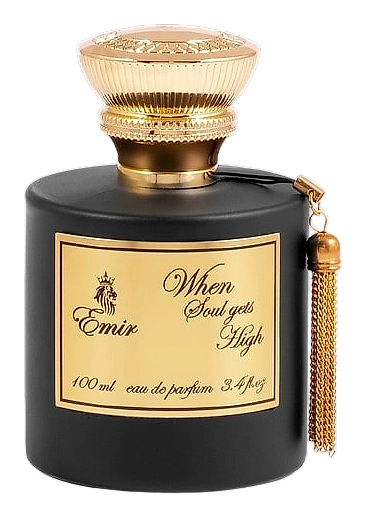
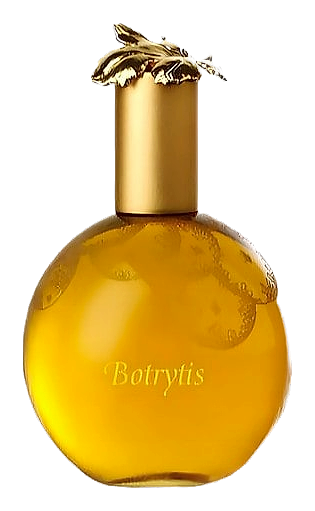
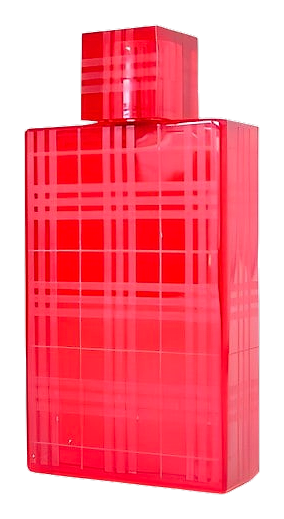
Fragrances featuring Gingerbread
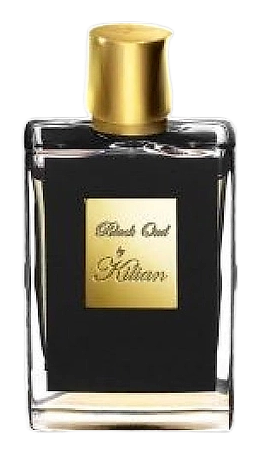
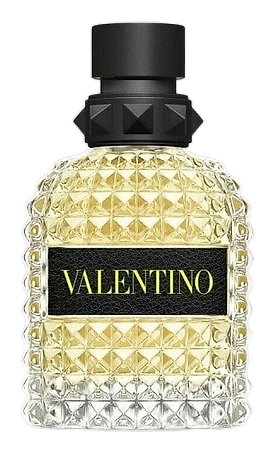
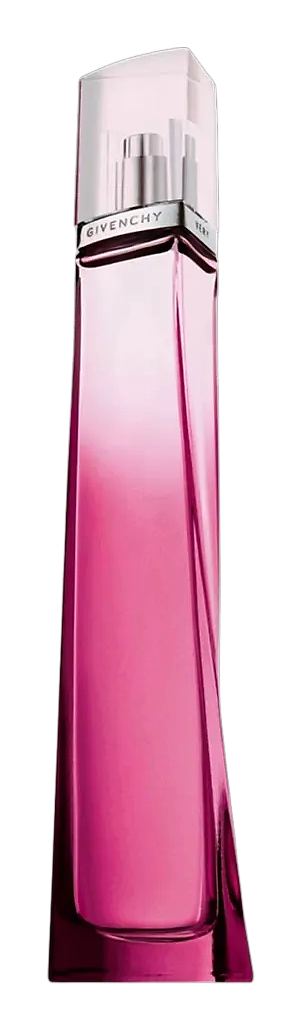
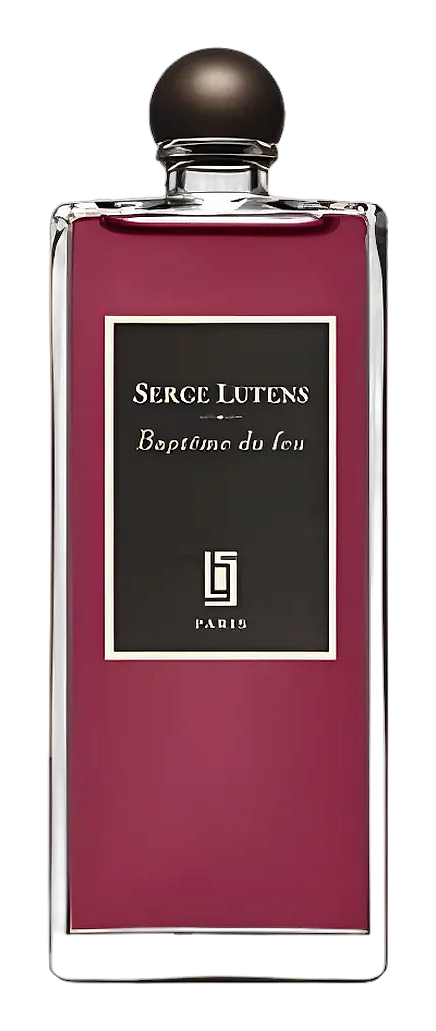
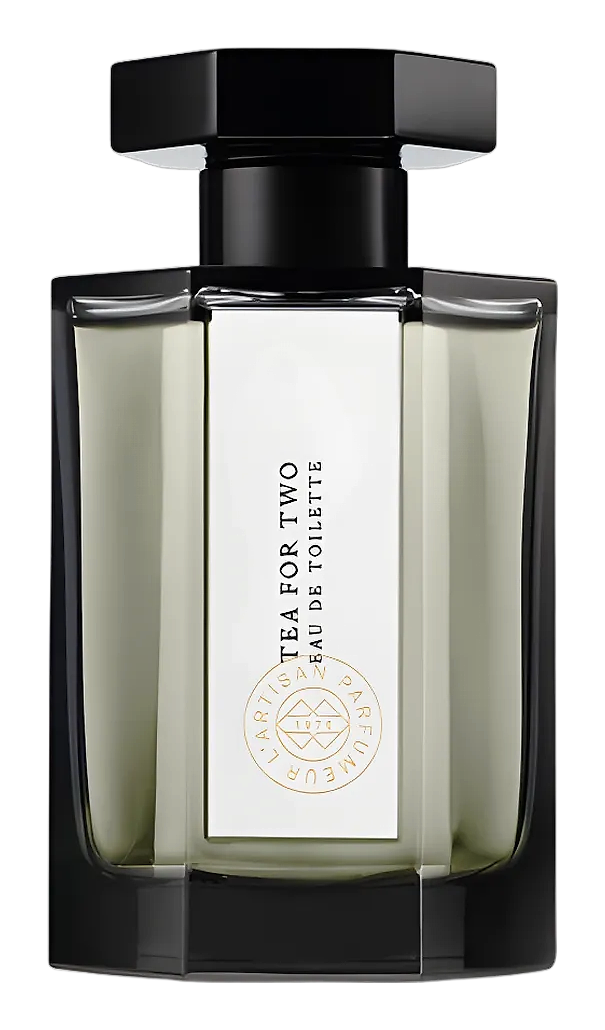
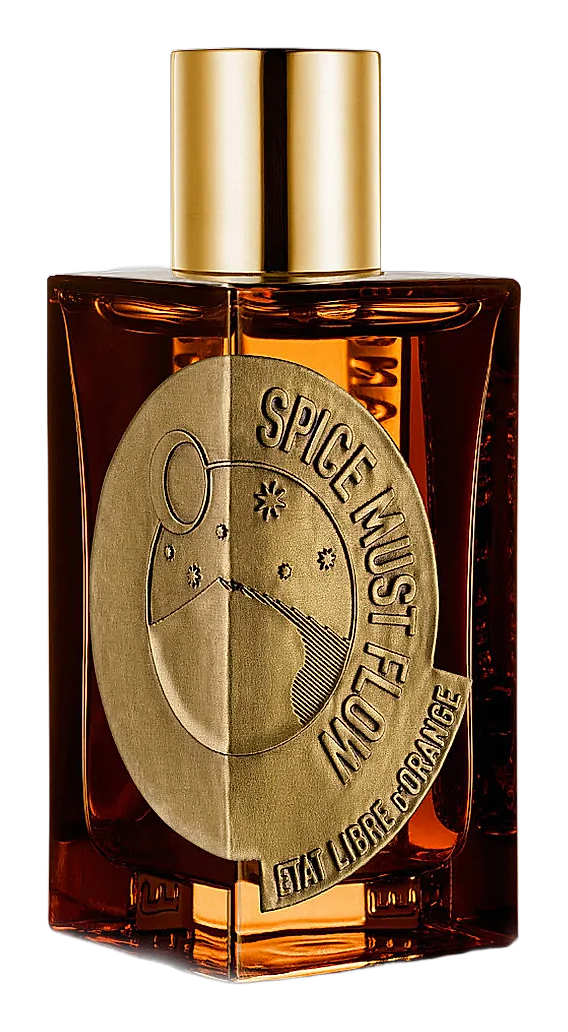

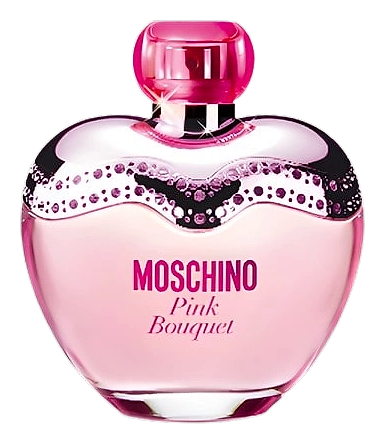
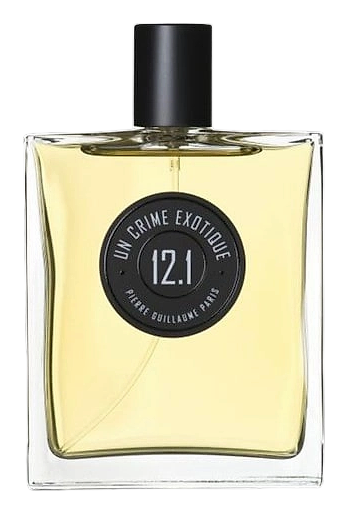
Brands
Brands known for Gingerbread
Good to know
Questions, answered
The essentials on Gingerbread in perfumery: how it smells, where it comes from, and how it behaves on skin.
Is gingerbread a natural or synthetic fragrance ingredient?
Gingerbread is a constructed accord combining natural extracts like ginger oil and cinnamon bark with synthetic aroma chemicals. This blend creates the full sensory profile that no single natural ingredient can provide.
What spices create the gingerbread aroma in perfumery?
The core spices are ginger, cinnamon, clove, and nutmeg. These are combined with sweet base materials such as vanilla, benzoin, and tonka to achieve the characteristic warm, edible quality.
How is ginger essential oil extracted for fragrance use?
Ginger oil is primarily obtained through steam distillation of dried, ground rhizomes. This process yields a pale yellow oil with a warm, spicy scent. CO2 extraction produces a more complete aromatic profile but remains less common in perfumery.
What type of fragrance family uses gingerbread notes?
Gingerbread appears in oriental, gourmand, and warm floral compositions. It suits winter and seasonal fragrances, as well as unisex perfumes seeking cozy, comforting qualities.
Which famous fragrances feature gingerbread accords?
The Gingerbread Man by Guerlain is a notable example, directly showcasing the note. Many holiday-season releases incorporate gingerbread for their warm, festive character.
Can gingerbread smell different across fragrances?
Yes. Depending on the balance of spices, sweetness, and base materials, gingerbread can read as spicy, bakery-fresh, or more honeyed and oriental in character.
How long has gingerbread been used in perfumery?
Gingerbread as a named fragrance note emerged during the 1990s gourmand trend, though spice-based warm accords have existed in perfumery for decades. The edible fragrance movement popularized it in the early 2000s.
What makes gingerbread an edible or gourmand note?
Gourmand notes reference foods and confections. Gingerbread achieves this through bakery-like spice warmth, honeyed sweetness, and buttery richness—all qualities drawn from culinary contexts.