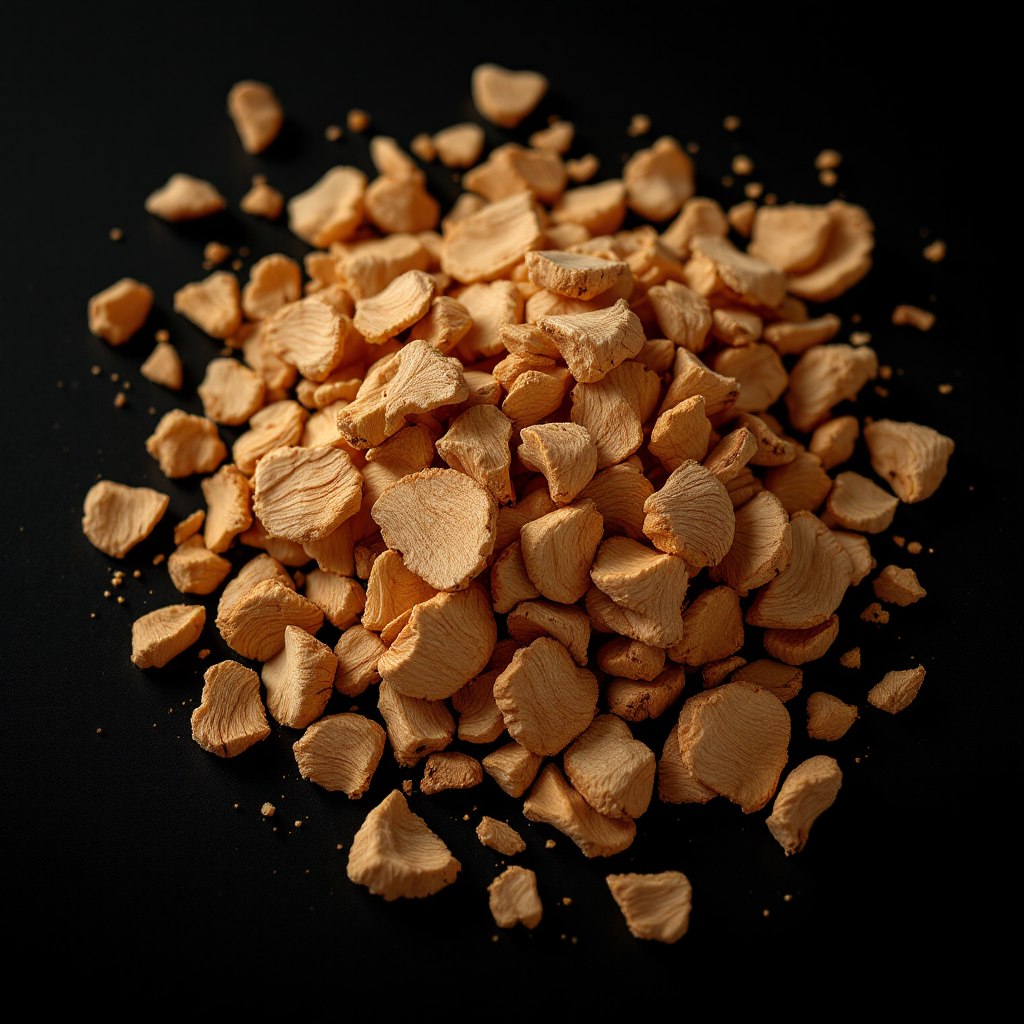
Nootka
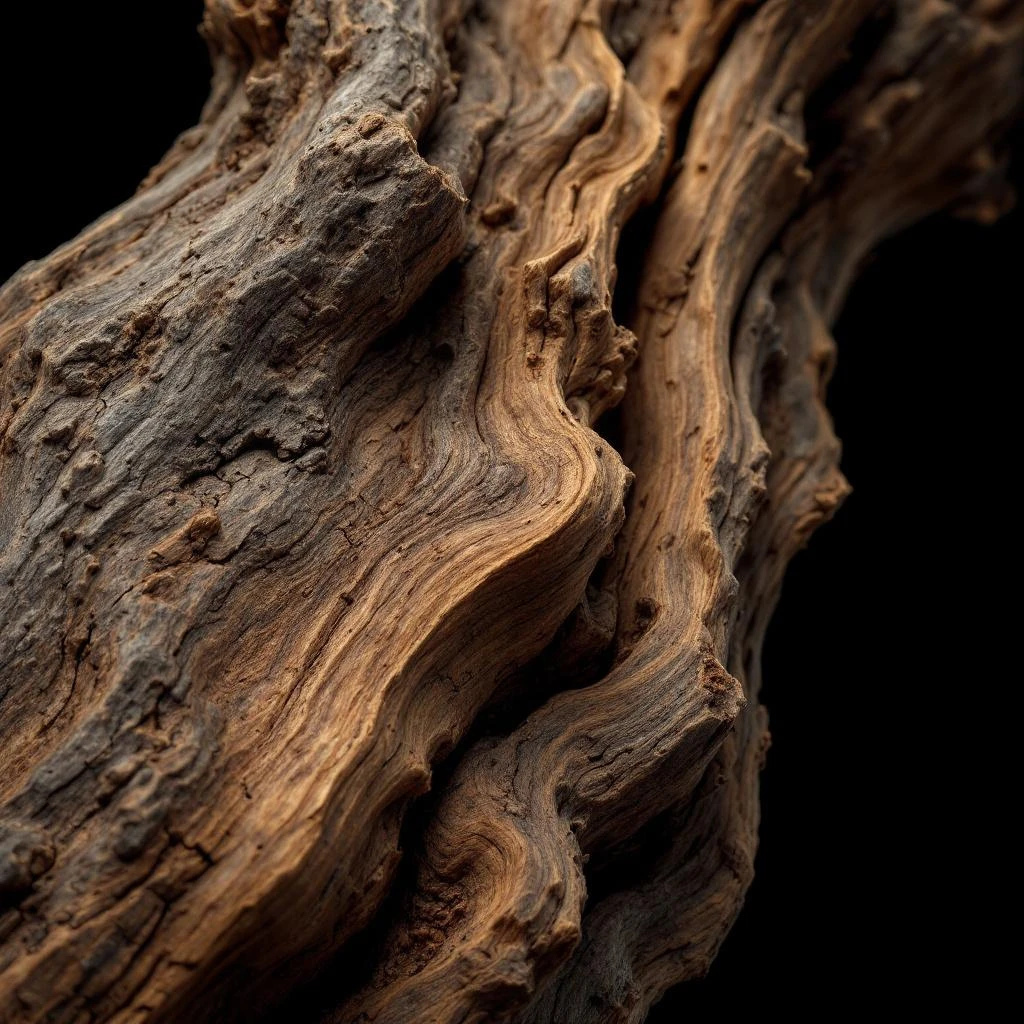
Nootka essential oil is distilled from Alaska cedar heartwood, delivering a warm, resinous woodiness with smoky undertones. It serves as a base note in perfumery, lending depth and fixative power to fragrance compositions. The oil pairs exceptionally well with other woods, resins, and aromatic materials seeking a grounded, forest-like character.
Character
How it smells
Distant Pacific forests captured in a warm, resinous wood.
Nootkatone, the compound that defines grapefruit flavor, takes its name from this tree. Scientists first isolated it from Nootka cedar in the early 20th century before tracing it to citrus.







Origin
Canada
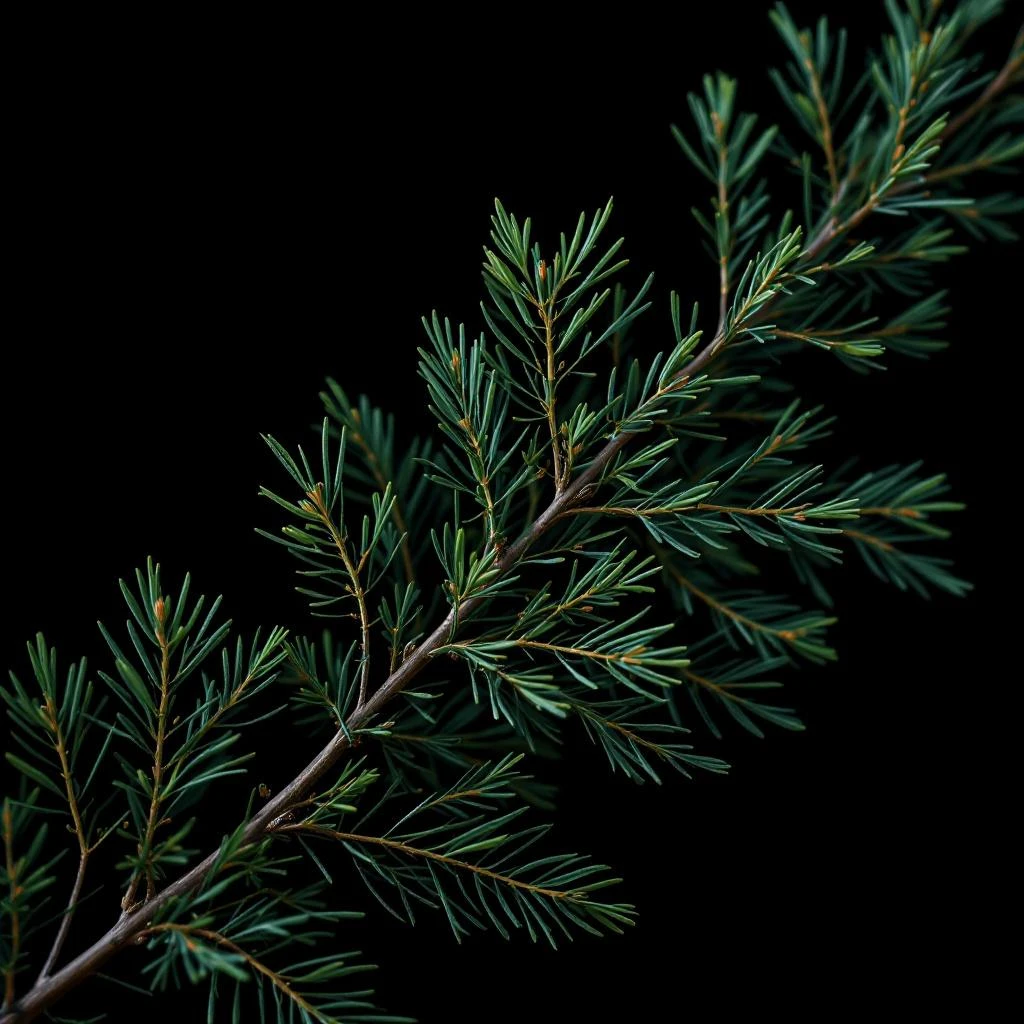
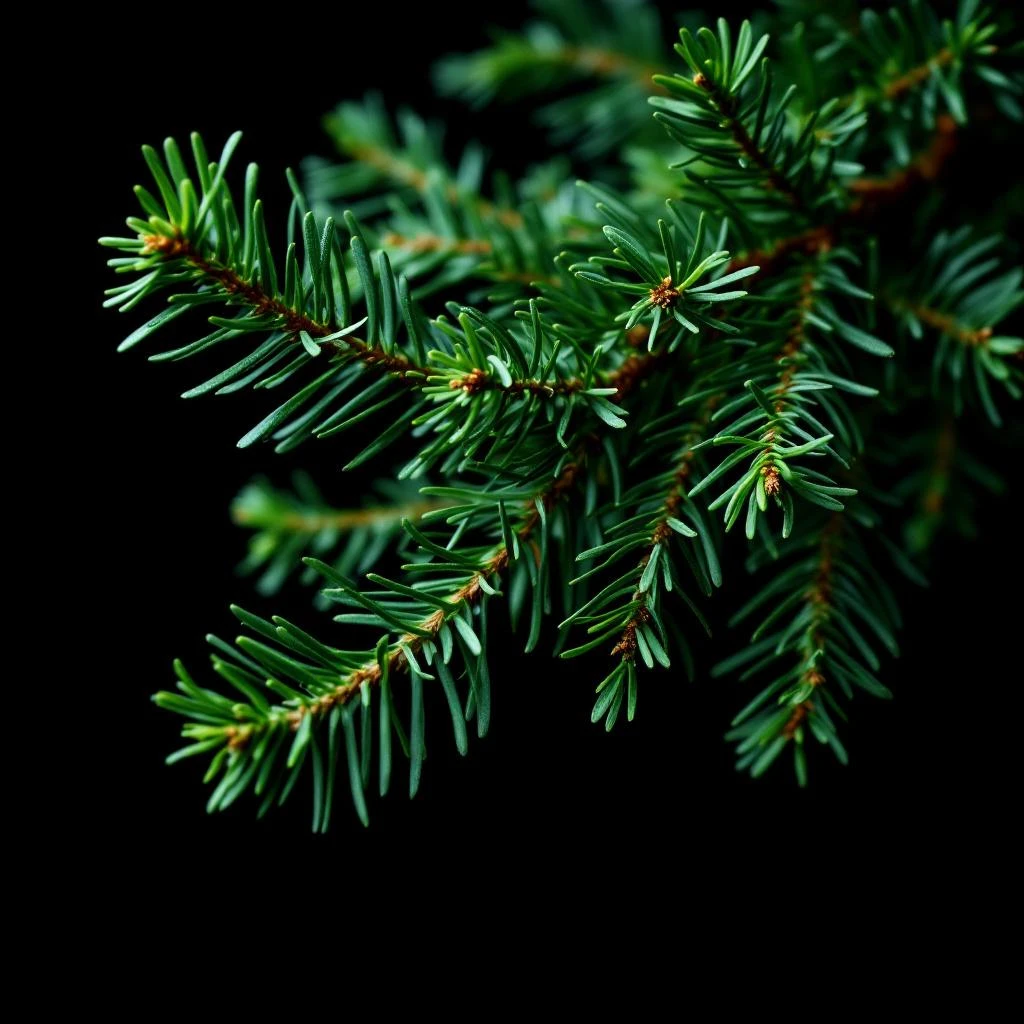
The Nootka people of Vancouver Island and the surrounding Pacific coast have long valued this tree for its exceptional durability and workability. They used the rot-resistant wood to construct ocean-going canoes, longhouses, and ceremonial masks. The tree's resilience in wet coastal environments made it indispensable for a maritime culture.
European botanists first documented the species in the early 19th century, assigning it the scientific name Chamaecyparis nootkatensis in reference to the indigenous Nootka. Modern taxonomy reclassified it as Callitropsis nootkatensis, though the common name Nootka cedar persists. Early settlers adopted many indigenous techniques for working the wood, recognizing qualities the Nootka people had identified centuries earlier.
The fragrance industry discovered Nootka oil comparatively late, with commercial extraction developing primarily in the mid-20th century. Today it remains a relatively rare material, appreciated by natural perfumers seeking authentic forest aromatics over synthetic alternatives.
Wears it best
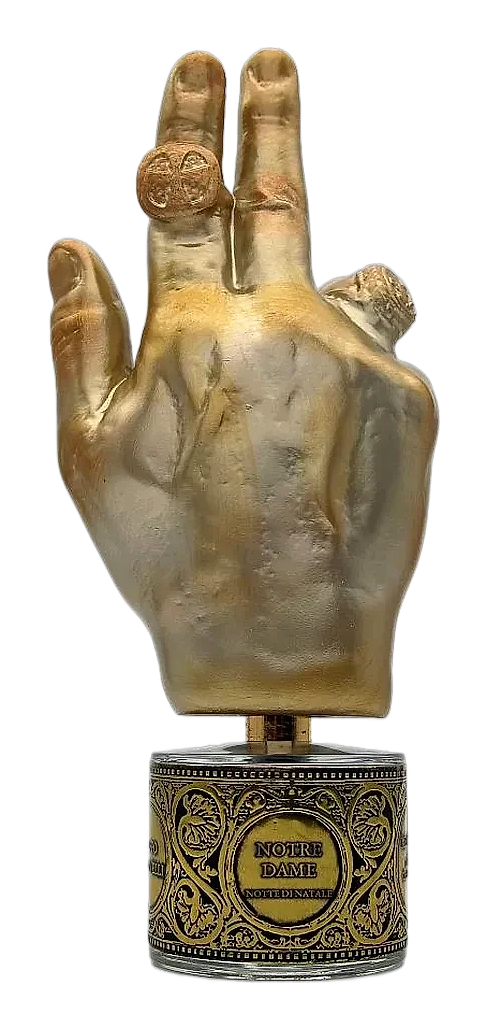
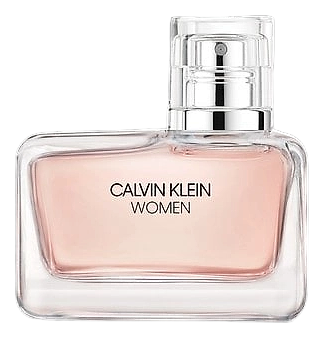
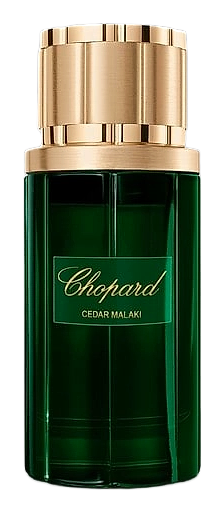
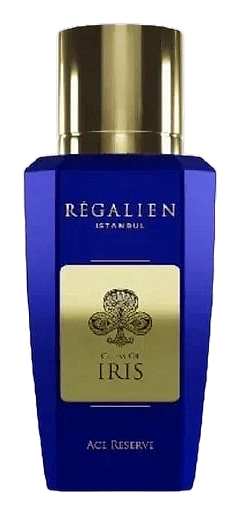
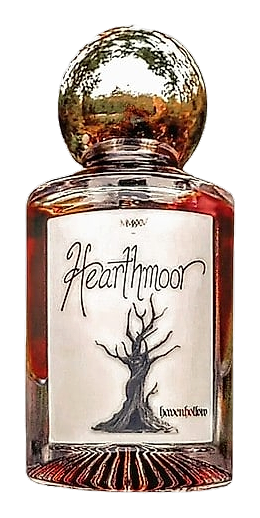
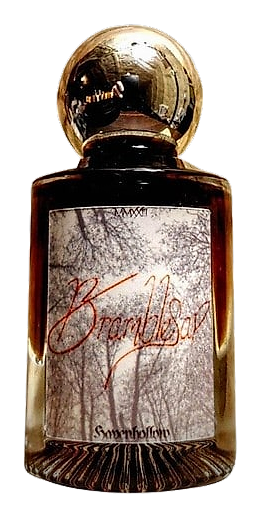
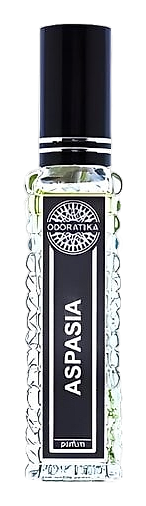
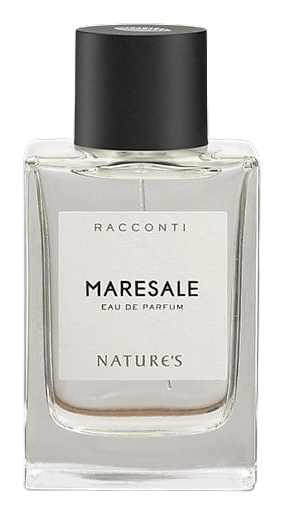
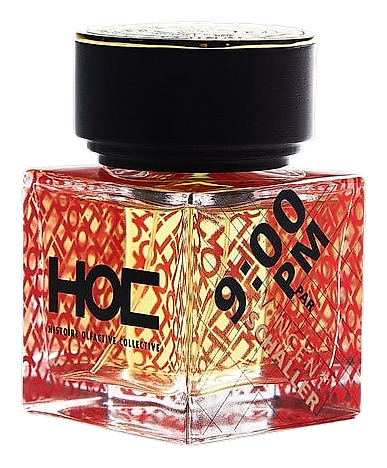
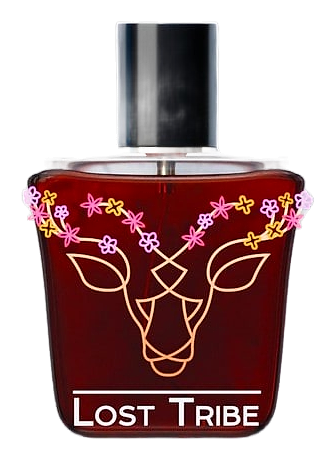
Fragrances featuring Nootka


Brands
Brands known for Nootka
Good to know
Questions, answered
The essentials on Nootka in perfumery: how it smells, where it comes from, and how it behaves on skin.
What does Nootka smell like in perfume?
Nootka oil smells like warm, resinous wood with subtle smoky and slightly medicinal undertones. It evokes the dense, damp forests of the Pacific Northwest. The aroma is deeper and earthier than many other conifer oils, with a drydown that reveals sweet, almost honeyed wood facets.
Why is Nootka used in perfumery?
Nootka serves as an effective base note and fixative due to its low volatility and complex scent profile. Perfumers value it for adding authenticity to forest and fougère compositions. The oil contributes lasting depth without overpowering lighter top notes, making it versatile across masculine and unisex fragrance categories.
Is Nootka in perfume natural or synthetic?
Nootka is a natural ingredient extracted from Alaska cedar via steam distillation. The oil is available from specialty naturals suppliers and remains relatively uncommon due to limited production. Nootkatone, a compound named after this tree, is sometimes synthesized or derived from grapefruit for cost efficiency.
What famous perfumes contain Nootka?
Nootka appears in several niche and artisan fragrances rather than mainstream blockbusters. It shows up in natural perfumery lines and wood-focused compositions where authentic botanicals take precedence. Many houses use it in small quantities as a signature base note without prominently featuring it in marketing materials.
Is Nootka a top note, heart note, or base note?
Nootka functions as a base note in fragrance construction. Its high-boiling sesquiterpenes evaporate slowly, persisting on the skin for 8 to 12 hours in optimal compositions. Perfumers introduce it in the base-building phase alongside other woods, musks, and fixatives to anchor the entire fragrance.
What notes pair well with Nootka in perfume?
Nootka blends naturally with other conifer materials such as western red cedar, pine, and spruce. It pairs well with resinous ingredients like labdanum, frankincense, and benzoin. Complementary woody materials include sandalwood and vetiver, while citrus top notes provide useful contrast to its deep character.
Where does Nootka come from?
Nootka cedar grows along the Pacific coast from Alaska through British Columbia to northern Washington State. The primary source for essential oil production is British Columbia, where sustainable harvesting of sawmill byproducts supports the extraction industry. The species thrives in wet coastal forests at elevations between sea level and 1,500 meters.
Is Nootka used in men's or women's fragrances?
Nootka appears predominantly in masculine and unisex fragrances due to its assertive wood character. However, natural perfumers sometimes incorporate it into women's scents seeking a forest-like, grounded quality. The ingredient's versatility allows it to function beyond gender conventions when used at appropriate concentrations.