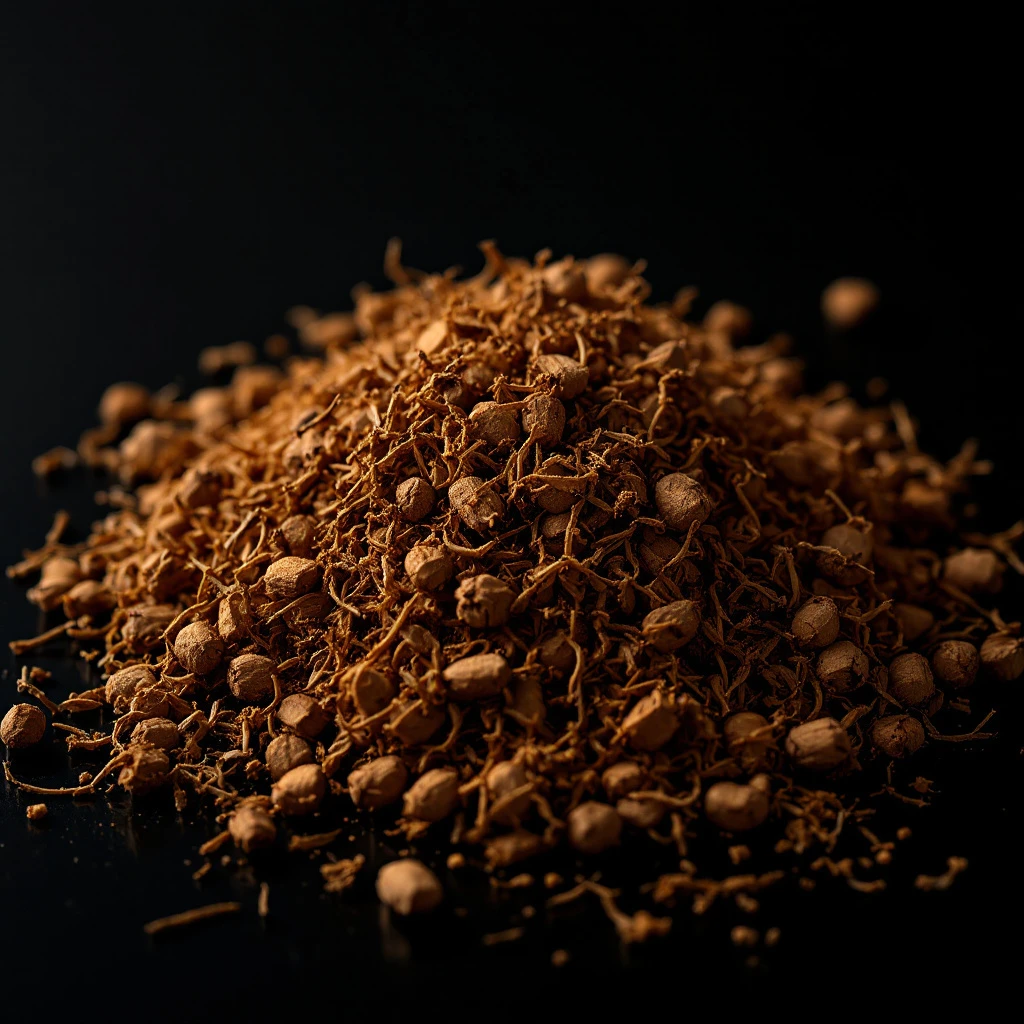
Nicaraguan Tobacco
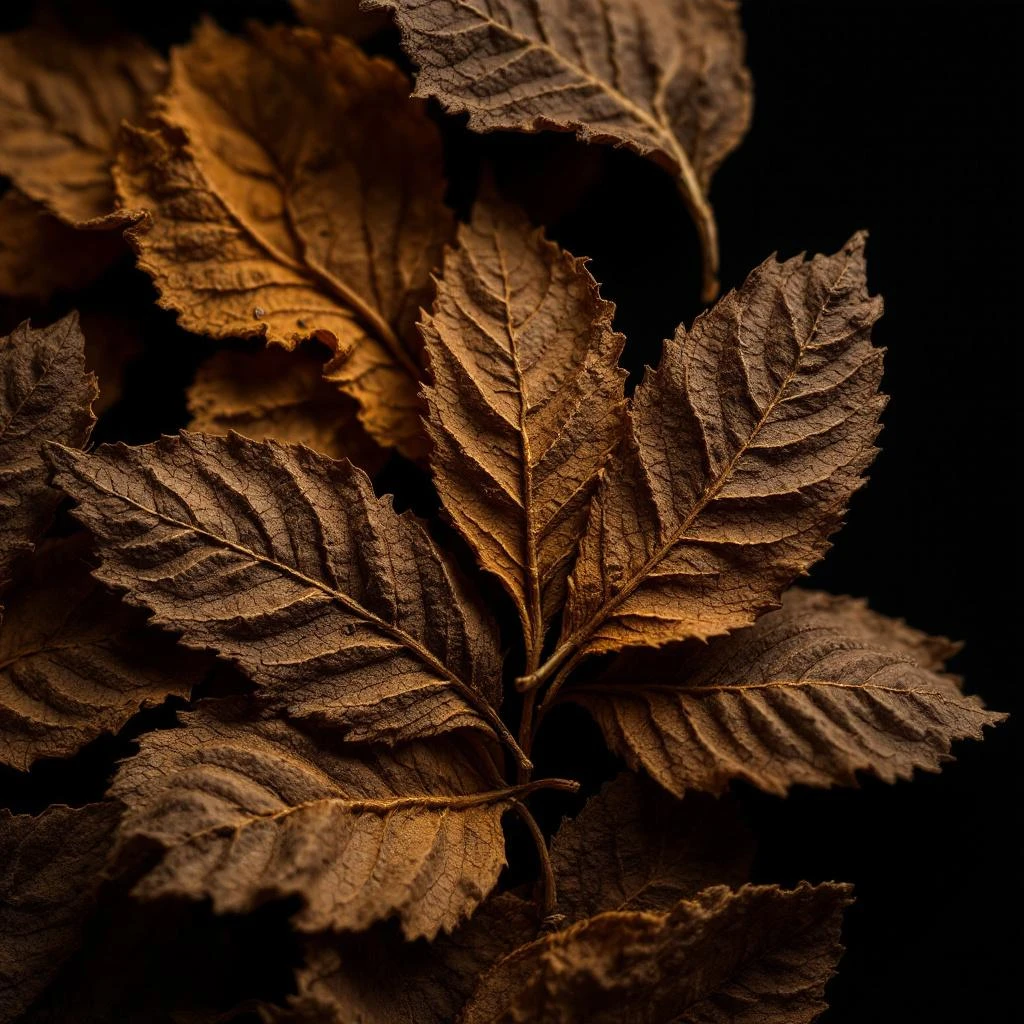
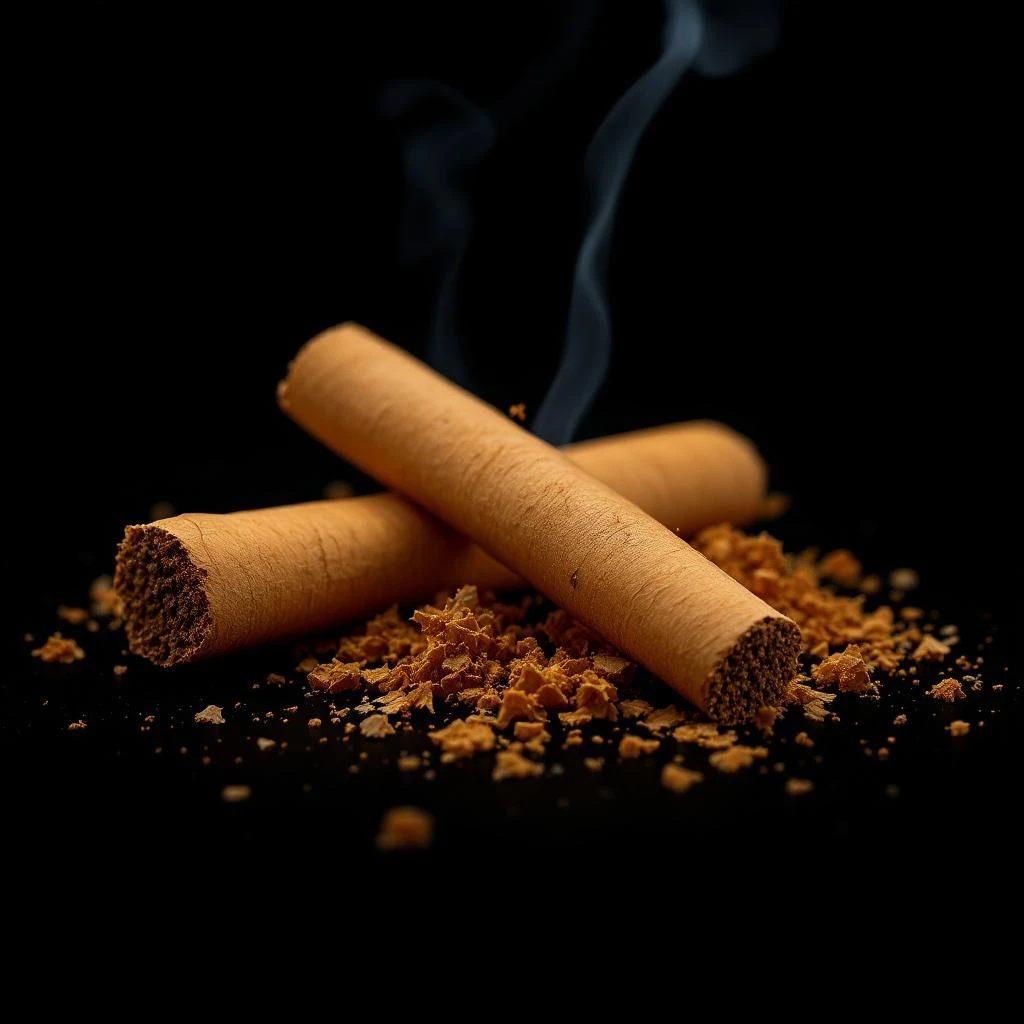
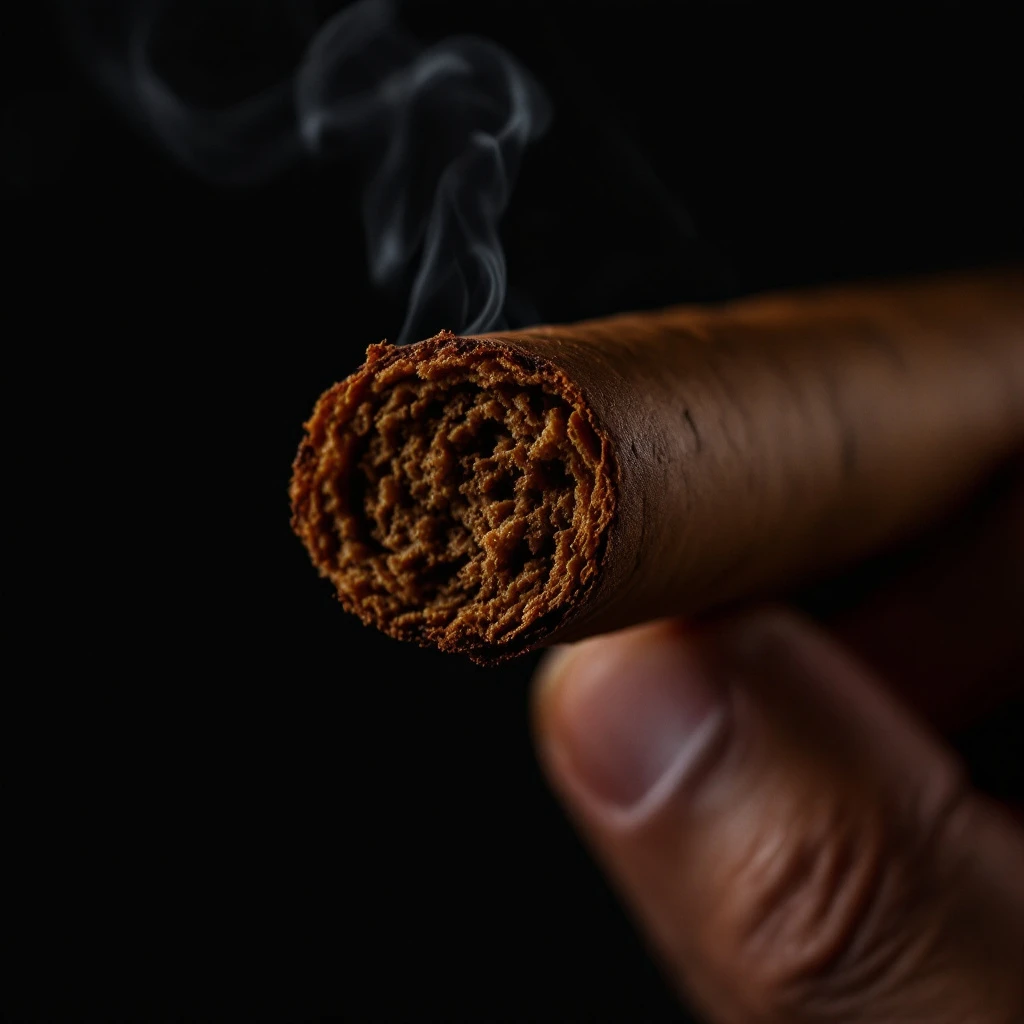
Nicaraguan tobacco carries a distinctive richness that perfumers prize for its dark, slightly sweet character and the way it anchors warm fragrance compositions.
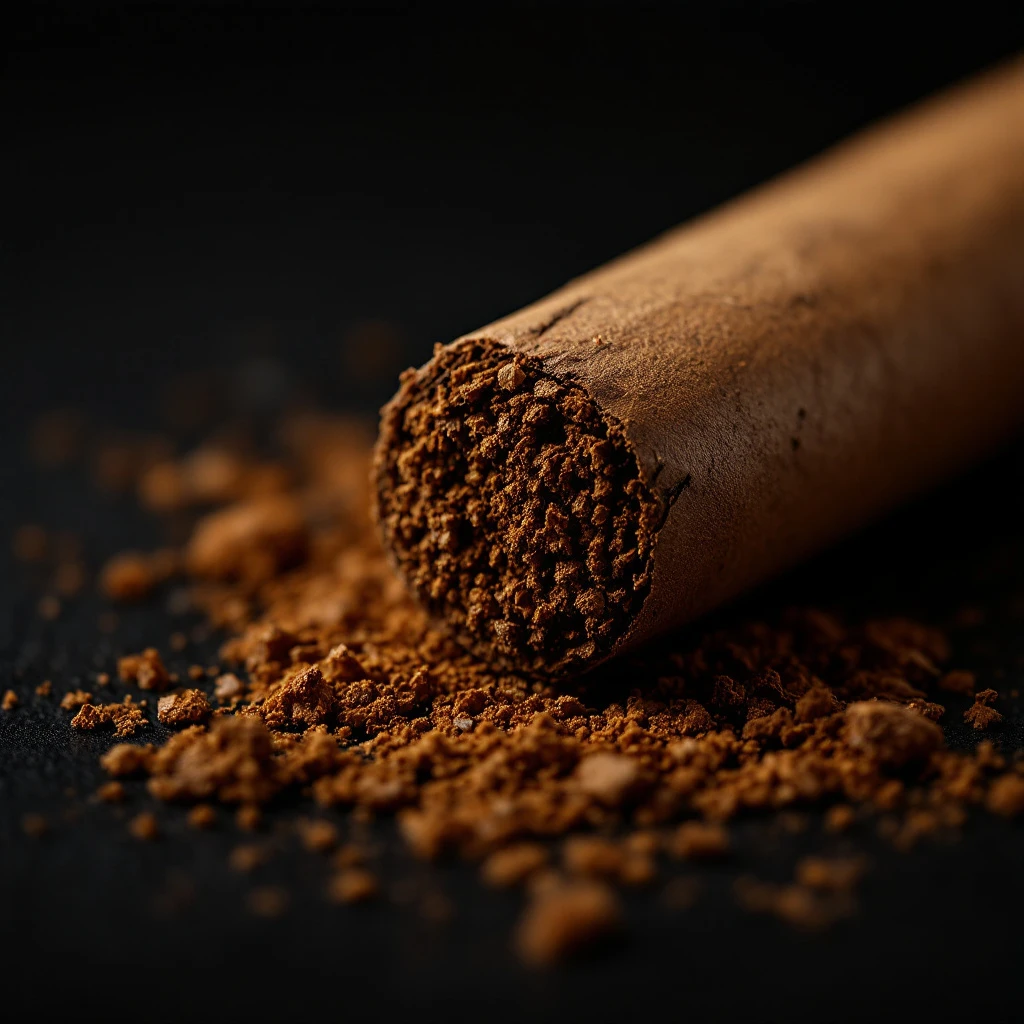
Character
How it smells
Dark, rich, and irresistibly warm.
Nicaragua's tobacco fields sit near the same latitude as some of the Caribbean's finest growing regions, giving the leaves their distinctive depth.




Origin
Nicaragua
Tobacco arrived in European awareness through Christopher Columbus, who encountered the plant during his voyages to the Americas in the 1490s. Indigenous cultures of the Americas had cultivated and used tobacco for centuries before European contact. From the New World, tobacco spread globally over the following decades.
The use of tobacco in perfumery developed alongside the modern perfume industry that emerged in Paris between 1889 and 1921. Perfumers gained access to tobacco absolutes through volatile solvent extraction techniques pioneered by innovators like François Coty. The first major perfume formulation featuring tobacco as a principal ingredient appeared in 1919 with Caron's classic creation, establishing tobacco as a respected perfumery material.
Today, Nicaraguan tobacco holds a special position in fine fragrance for its characteristic richness and the way it conveys warmth and depth in compositions.
Wears it best
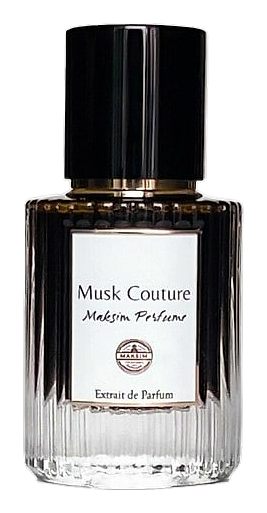
Fragrances featuring Nicaraguan Tobacco
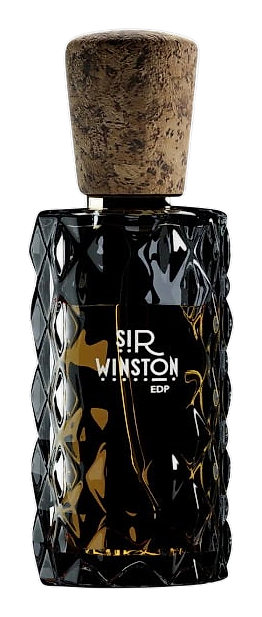
Brands
Brands known for Nicaraguan Tobacco
Good to know
Questions, answered
The essentials on Nicaraguan Tobacco in perfumery: how it smells, where it comes from, and how it behaves on skin.
Where does Nicaraguan tobacco for perfumery come from?
Nicaraguan tobacco used in perfumery primarily originates from the Estelí and Jalapa regions in the northern part of the country. These areas benefit from volcanic soil and a climate that produces tobacco with particularly rich aromatic characteristics.
What does Nicaraguan tobacco absolute smell like?
Nicaraguan tobacco absolute presents as dark, warm, and slightly sweet with notable depth. It carries Resinous undertones and a characteristic tobacco effect that adds roundness and warmth to fragrance compositions, particularly in base note applications.
When did tobacco first appear in perfume?
Tobacco first appeared as a major perfume ingredient in 1919 with the classic Caron formulation. This marked tobacco's transition from a recreational and medicinal plant to a recognized perfumery material.
How is Nicaraguan tobacco different from other tobacco used in perfumery?
Nicaraguan tobacco develops distinctive richness due to the country's volcanic soil and climate conditions. The terroir creates a tobacco leaf with more pronounced aromatic intensity compared to tobacco from other growing regions.
What extraction method produces tobacco absolute?
Tobacco absolute uses solvent extraction. Dried leaves are first processed with solvents like petroleum ether or hexane to produce a concrete, then further extracted with ethanol to isolate the aromatic compounds from waxy materials.
What is the difference between tobacco for smoking and tobacco for perfumery?
Cigarette tobacco, typically Virginia-type, is bred for mildness and combustion properties. Perfumery uses darker, more aromatic tobacco varieties like Nicaraguan types that have been cured to develop complex scent profiles suitable for fragrance work.
Does tobacco absolute have good stability in fragrance formulations?
Tobacco absolute demonstrates solid stability across fragrance bases. Its chemical composition holds up well in both alcohol-based perfumes and oil-based preparations, making it versatile for different perfumery applications.
What fragrance families typically use Nicaraguan tobacco?
Nicaraguan tobacco appears most often in oriental, woody, and leather fragrance families. It serves as a powerful base note that adds warmth, depth, and a characteristic tobacco accord that supports heart and top note compositions.