Natural Rubber
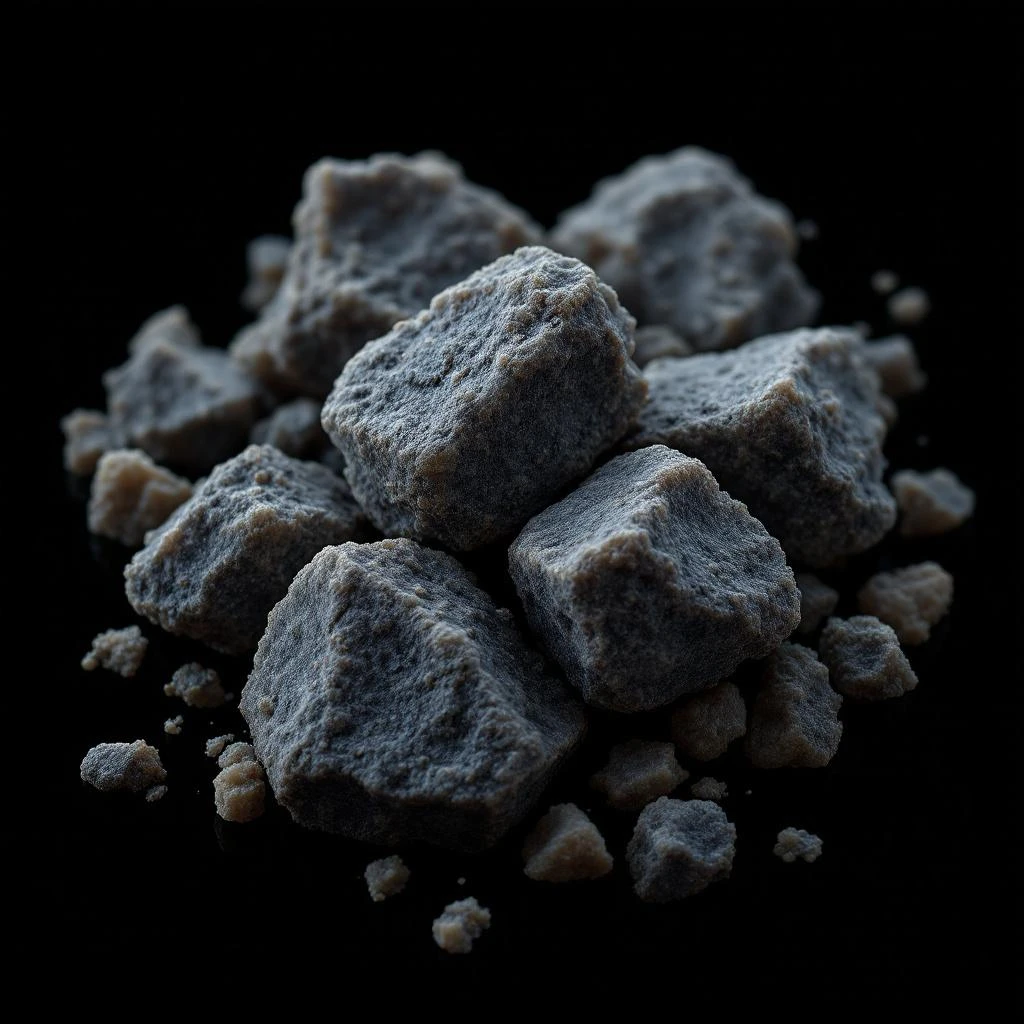
Natural rubber delivers a distinctive dry, warm scent with subtle smoky and tar-like undertones. In perfumery, this material creates unconventional base notes that add depth and an industrial edge to bold fragrance compositions.
Character
How it smells
Bold, warm, and distinctly unconventional.
Rubber trees are native to the Amazon, and the word 'rubber' traces back to indigenous Amazonian languages where it meant 'weeping tree' in reference to the latex.




Origin
Brazil
Natural rubber has deep roots in perfumery history, primarily through the materials and tools perfumers used rather than as a direct ingredient. The latex of Hevea brasiliensis supported countless applications across cultures and industries for centuries before synthetic alternatives emerged.
The Amazonian origin of rubber is well documented. Indigenous peoples of the region used rubber for waterproofing, balls, and footwear long before European contact. The very word 'rubber' derives from indigenous Amazonian languages, reflecting the material's deep heritage in this region.
The botanical history of rubber changed dramatically in 1876 when British explorer Henry Wickham smuggled approximately 70,000 rubber tree seeds from Brazil to Kew Gardens in England. This act of botanical export enabled the establishment of rubber plantations across Southeast Asia, fundamentally reshaping global rubber production and economics.
Modern perfumery draws on this complex heritage when working with rubber-inspired accords. Contemporary perfumers use synthetic materials to recreate the characteristic rubber scent, incorporating it into compositions as an unconventional base note that signals modernity and boldness.
Wears it best
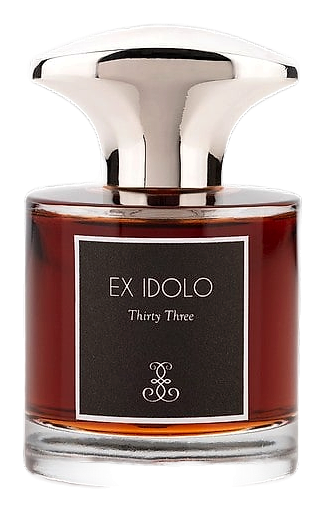
Fragrances featuring Natural Rubber
Brands
Brands known for Natural Rubber
Good to know
Questions, answered
The essentials on Natural Rubber in perfumery: how it smells, where it comes from, and how it behaves on skin.
Is natural rubber used directly in perfumes?
No, natural rubber itself is not typically used as a fragrance ingredient. Modern perfumery recreates rubber notes using synthetic isoprene derivatives and specialty aromachemicals that capture the characteristic dry, elastic scent profile.
What does natural rubber smell like?
Natural rubber has a distinctive dry scent with warm, slightly smoky undertones. It carries notes of tar, earth, and resin, creating an industrial yet comforting character that reads as unconventional in fine fragrance.
Why do perfumers use synthetic rubber notes instead of natural material?
Synthetic rubber aromatic materials offer consistency, safety, and control that natural rubber cannot provide. These aromachemicals allow perfumers to achieve precise rubber accords without the variability inherent in natural materials.
What role do rubber notes play in fragrance composition?
Rubber notes function as base notes in perfumery. They add unconventional character and depth to compositions, working alongside woods, musks, and resins to create signatures that stand apart from traditional fragrance families.
What family of aromachemicals creates rubber scent?
Isoprene derivatives form the foundation of synthetic rubber aromachemicals. Polycyclic musks and specialty base materials also contribute to rubber-like effects in perfumery formulations.
Are there any natural rubber extracts used in perfumery?
Natural rubber derivatives exist but remain uncommon in perfumery due to stability and safety considerations. Most commercial rubber notes in fine fragrances come from carefully formulated synthetic blends.
What products feature rubber notes besides perfumes?
Rubber-like aromatic materials appear across many products including tires, erasers, rubber bands, and adhesives. Fine fragrances incorporate these notes in leather, tobacco, and bold modern compositions.
What gives natural rubber its characteristic scent?
The scent of natural rubber comes from polyisoprene polymers and volatile organic compounds released during processing. These compounds create the distinctive dry, elastic aroma that perfumers seek to replicate.