Chinese white tea
Chinese white tea brings an elusive, barely-there elegance to fragrance compositions. Harvested from the tender buds and young leaves of Camellia sinensis in Fujian province, this ingredient captures the quiet sophistication of tea ceremonies dating back centuries.
Character
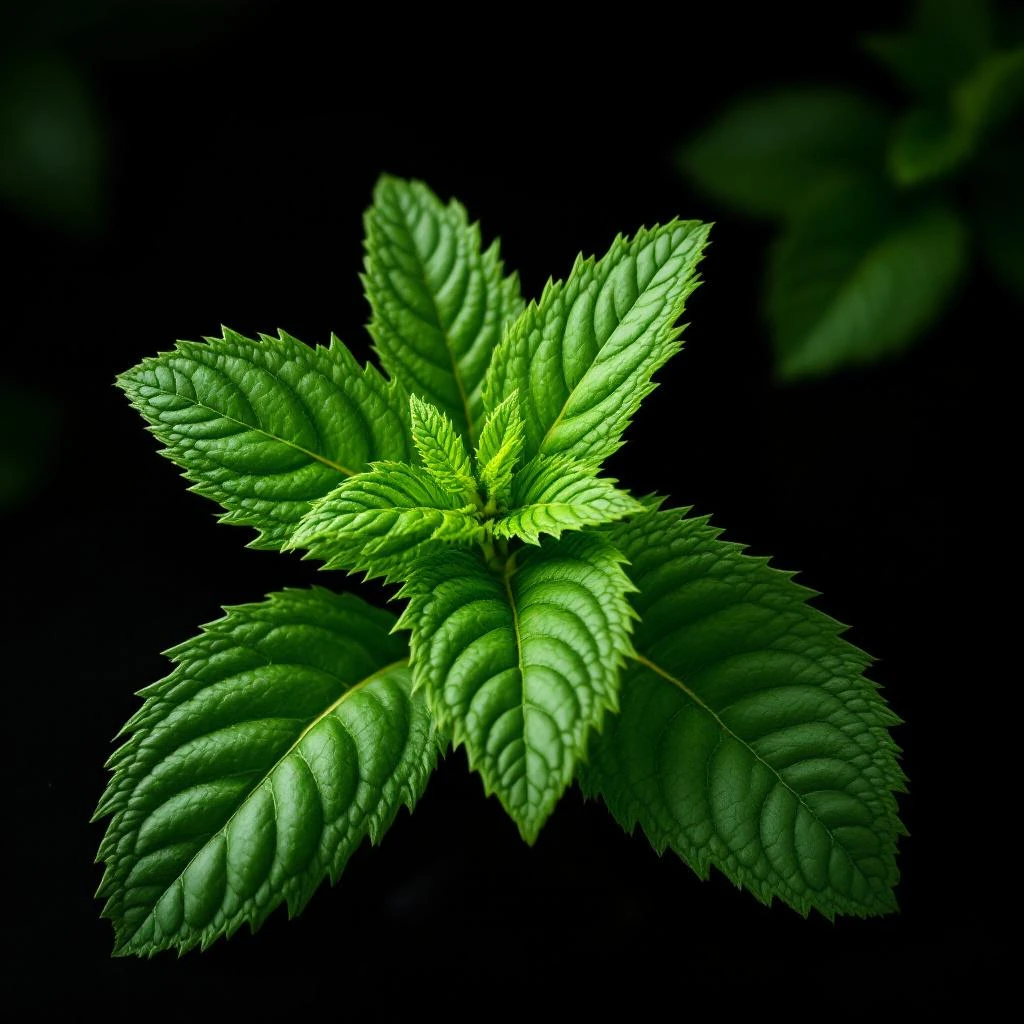
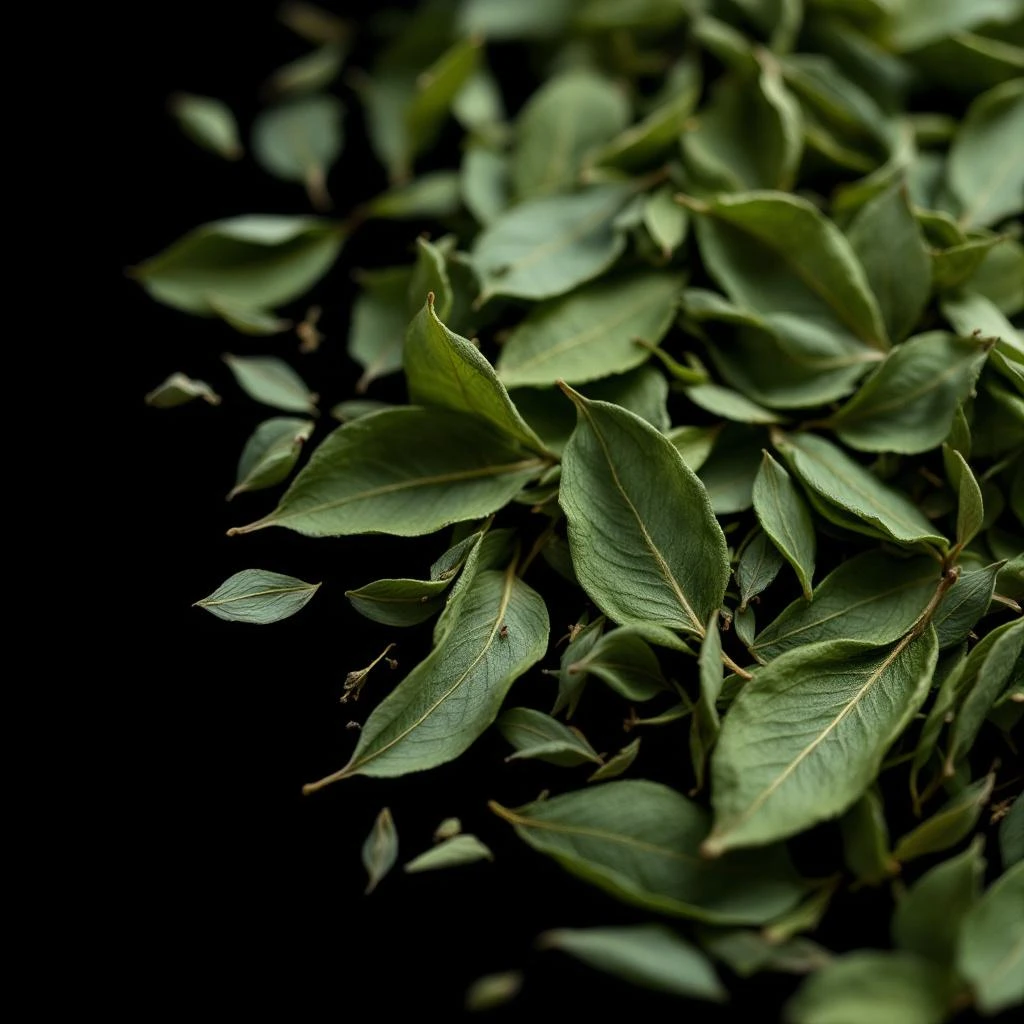
How it smells
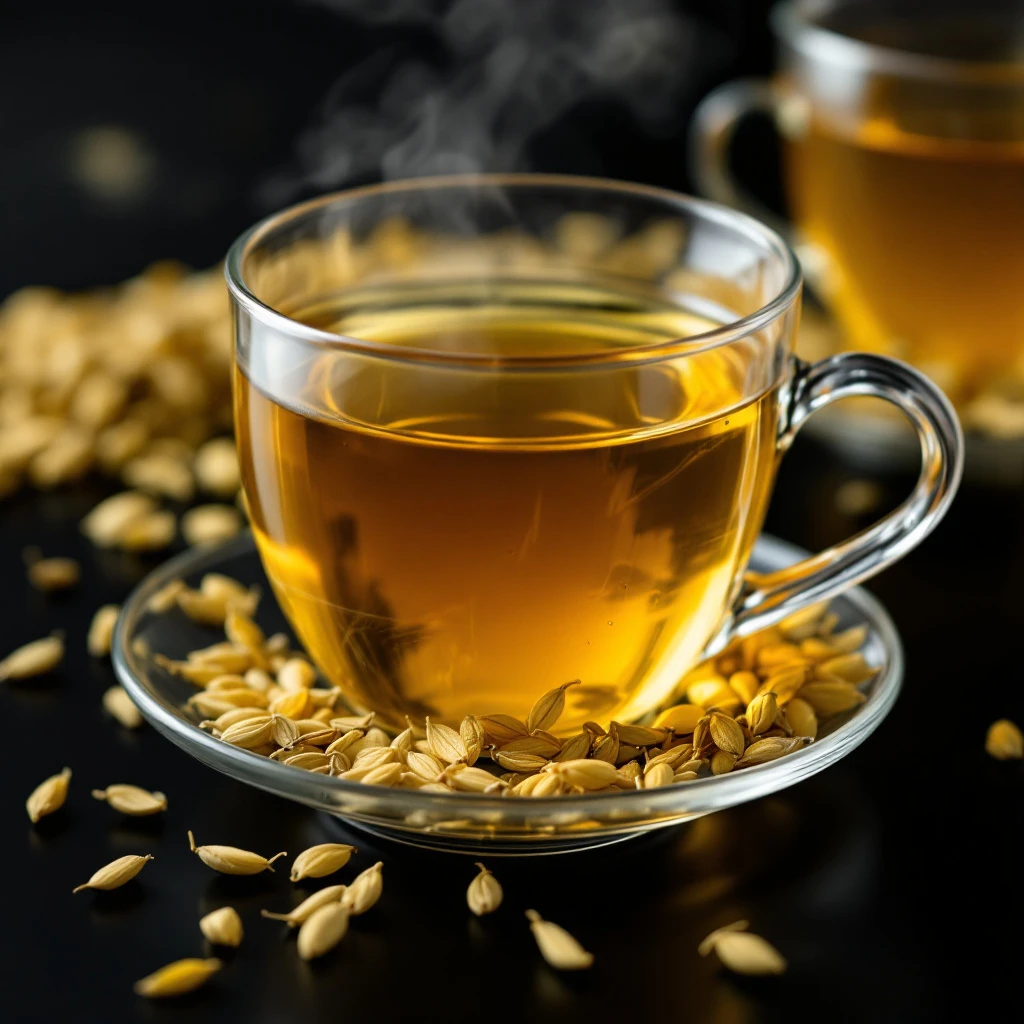
Delicate whispers from ancient Chinese tea gardens.
The English word 'tea' derives from the Chinese term 'téhé,' meaning 'tea leaf'—a linguistic reminder that this ingredient has defined Chinese olfactory culture for millennia.




Origin
China
Chinese white tea emerged during the Song Dynasty (920-1269 CE), though evidence suggests even earlier references in Imperial records. Originally produced in Fuding, Fujian province, these minimally processed teas were reserved for Chinese nobility. The region remains the spiritual home of white tea production, with practices passed through generations of tea masters.
Before modern chromatography, Song Dynasty perfumers already worked with tea extracts in complex preparations documented in surviving records. These artisans developed techniques for capturing tea's fleeting aromatic characters using available materials—notably spirits and oils as extraction media. White peony (Bai Madan), the most recognized style, originated in the 1870s among farmers in Shuiji town, Fujian, using local large-leafed tea varietals.
Today, production has expanded to Xinyang and Yunnan, yet true Chinese white tea for perfumery still carries the essence of this centuries-old tradition.
Wears it best
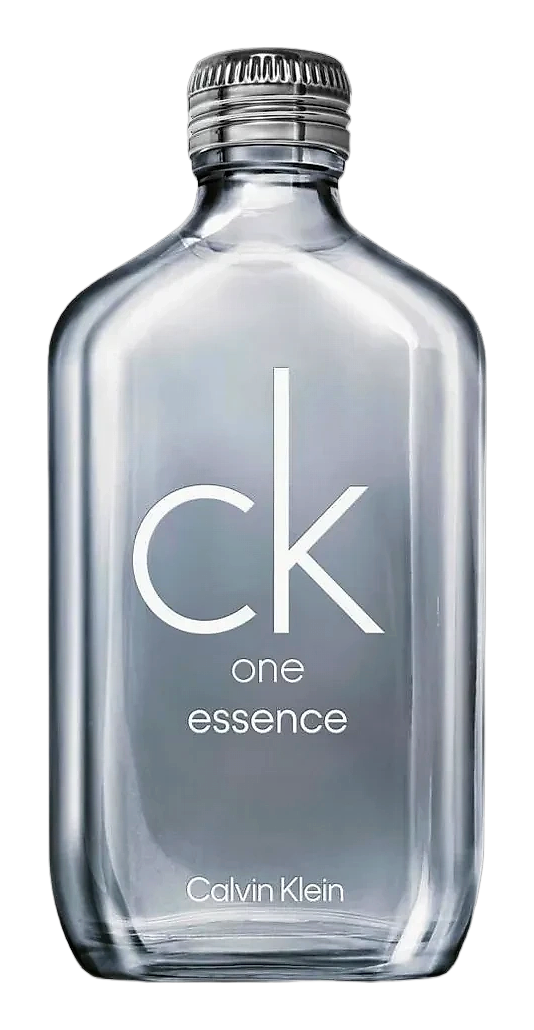
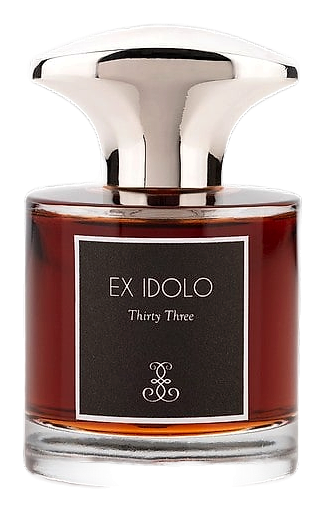
Fragrances featuring Chinese white tea

Brands
Brands known for Chinese white tea
Good to know
Questions, answered
The essentials on Chinese white tea in perfumery: how it smells, where it comes from, and how it behaves on skin.
What does Chinese white tea smell like in fragrance?
Chinese white tea has a light, airy aroma with subtle green and hay-like facets. It reads as delicate and slightly sweet, with gentle vegetable notes reminiscent of fresh grass and morning mist over tea gardens.
Is Chinese white tea oil natural or synthetic?
Both versions exist in perfumery. Natural white tea absolute comes from steam-distilled or solvent-extracted Camellia sinensis leaves native to Fujian. Synthetic alternatives replicate key aromatic molecules for consistency and sustainability.
What fragrance families pair well with white tea?
White tea integrates seamlessly into green, fresh, and airy compositions. It harmonizes beautifully with citrus, musk, light florals, and aquatic notes, lending quiet sophistication without overpowering blends.
How does Chinese white tea differ from green or black tea accord?
White tea offers the most delicate expression of the tea leaf. Green tea tends toward sharper, grassier qualities, while black tea provides deeper, more fermented, sometimes smoky characteristics that white tea lacks entirely.
Where does the best white tea for perfumery come from?
Fujian province remains the primary origin for premium white tea, particularly the Fuding and Shuiji regions. The high-altitude gardens and specific terroir contribute distinctive aromatic complexity not found elsewhere.
Does white tea provide fixative properties in fragrance?
White tea functions more as a heart or top note rather than a fixative. Its volatile aromatic molecules evaporate relatively quickly, making it better suited for lending freshness and movement to compositions.
How long has white tea been used in perfumery?
Documented Chinese perfumery dates back over 2,000 years, and tea has been part of Chinese olfactory traditions for centuries. By the Song Dynasty (920-1269 CE), tea extracts appeared in documented fragrance preparations.
What makes white tea's aroma profile unique among ingredients?
White tea captures an uncanny ability to smell clean and sophisticated without being aggressive. It evokes hygiene and freshness in a way few ingredients achieve, explaining its popularity in modern fine fragrance.