Nashi Pear Blossom
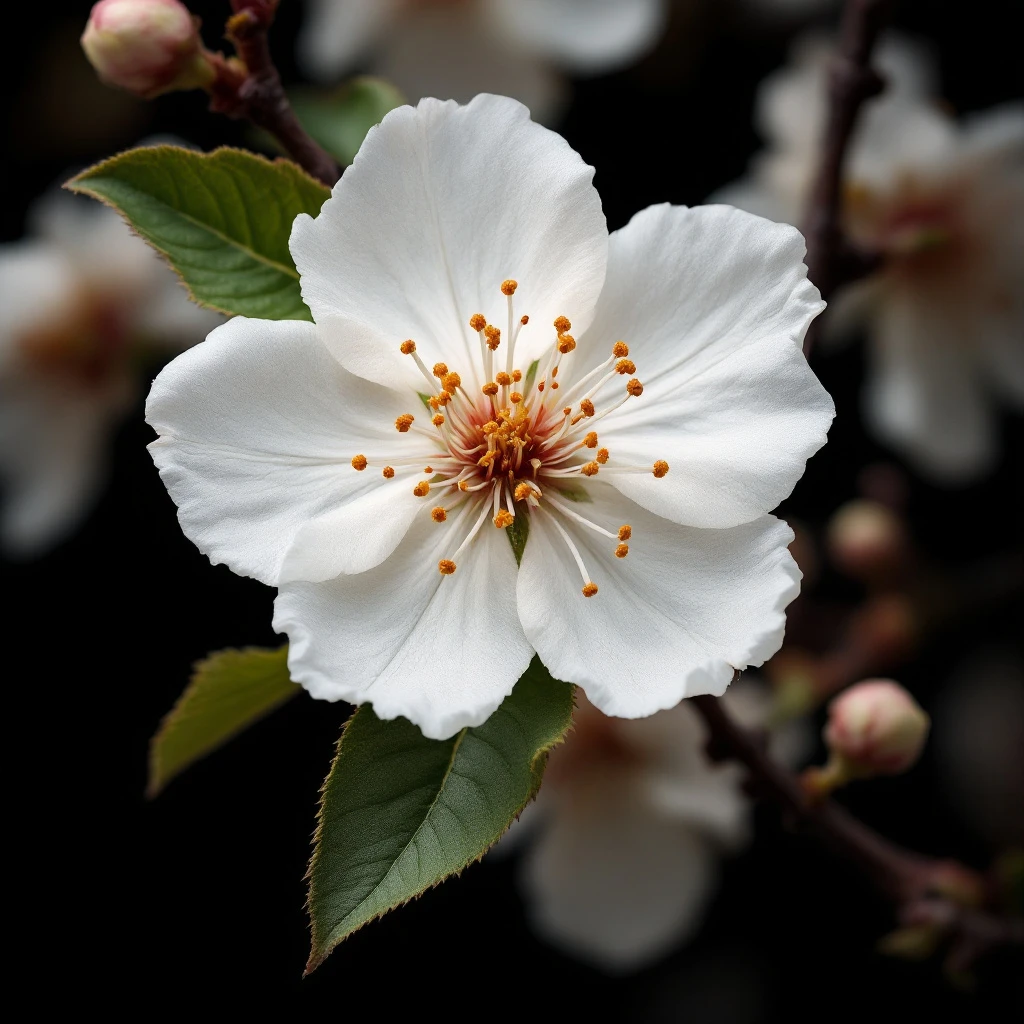
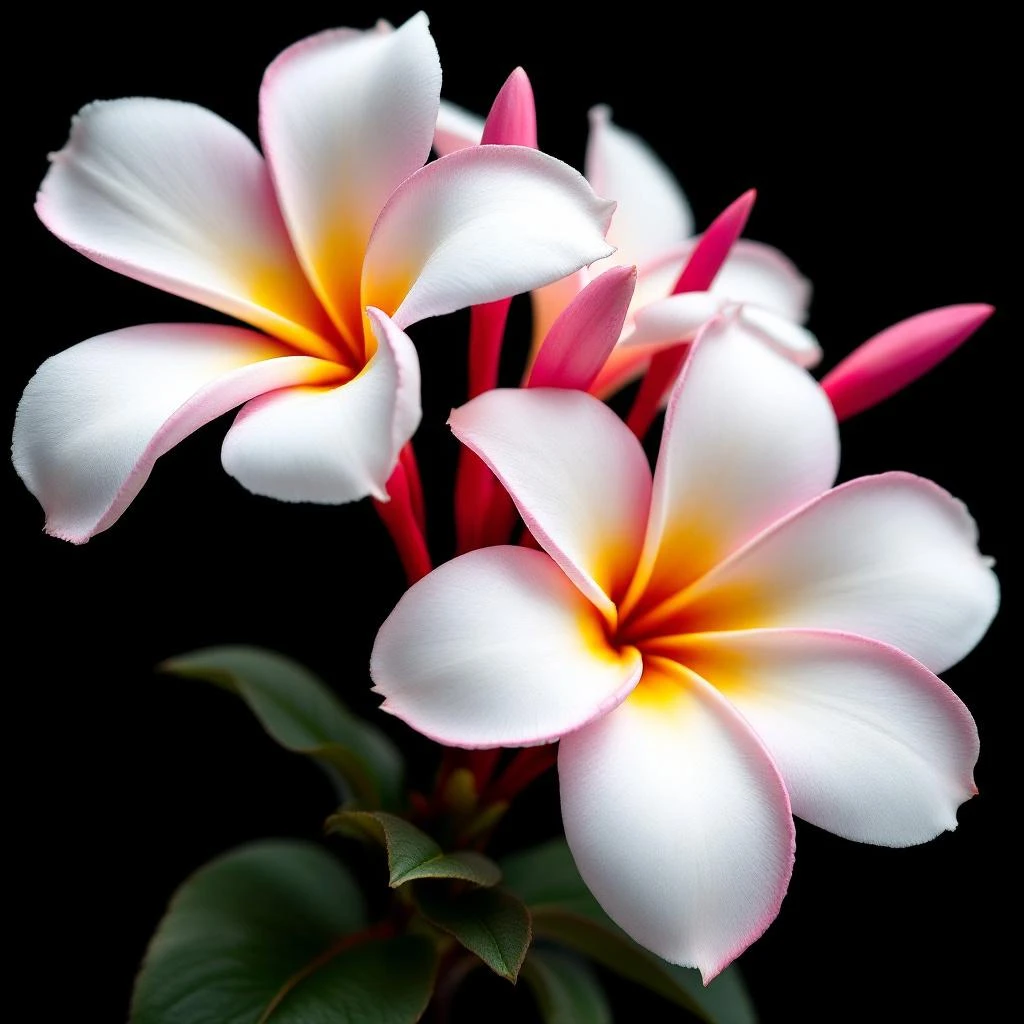
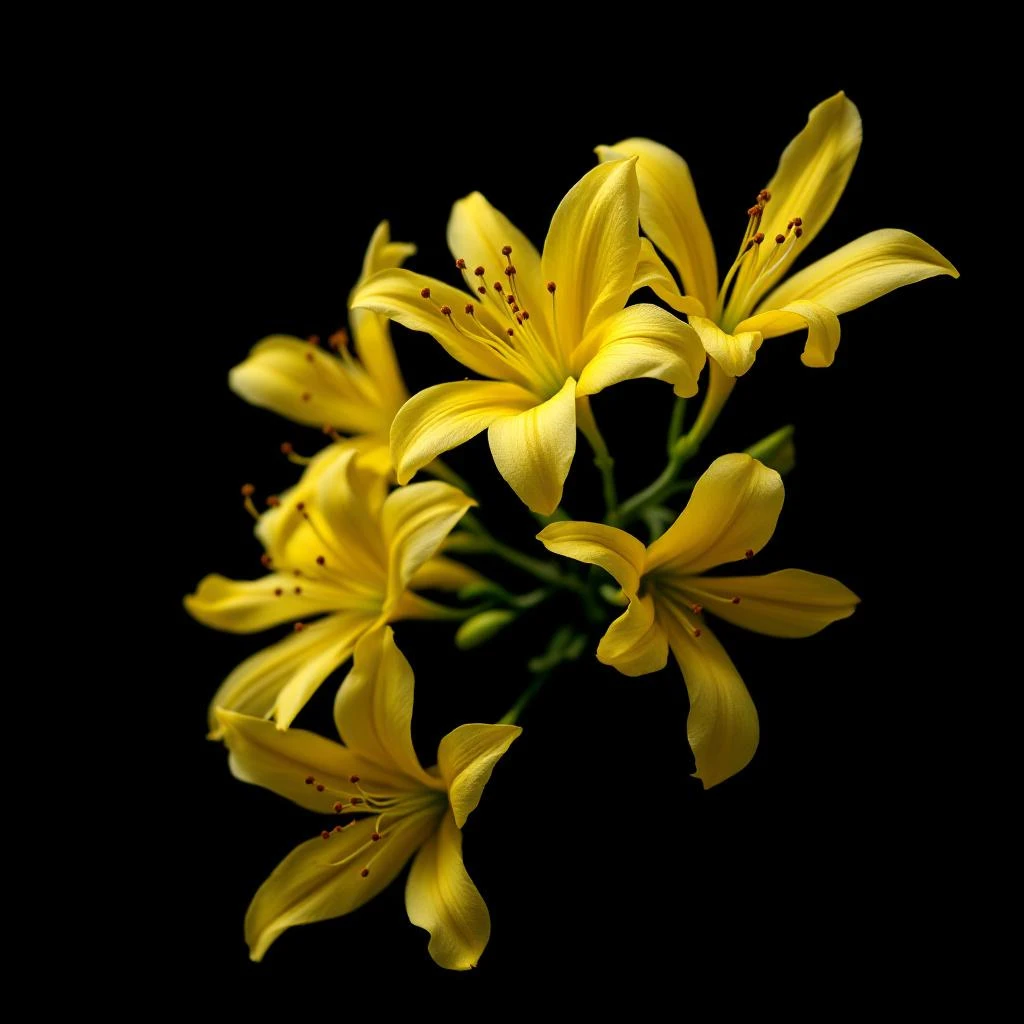
Nashi Pear Blossom captures the ephemeral beauty of spring — a delicate floral note with sweet, green nuances that evokes morning dew on petals. This rare perfumery material bridges East Asian orchard traditions and modern fragrance artistry.
Character
How it smells
The fleeting scent of spring orchards.
Nashi pear orchards bloom for only 10-14 days annually, making the blossoms among the most seasonal perfumery materials.




Origin
Japan
Nashi (Pyrus pyrifolia) cultivation spans over 3,000 years across East Asia, with Japan, China, and Korea developing hundreds of distinct varieties. These orchards held cultural significance beyond agriculture — spring blossom viewing (hanami) traditions incorporated pear blossoms alongside cherry blossoms.
Classical Chinese botanical texts from the Tang Dynasty document the aromatic properties of pear flowers, while Japanese horticultural records from the Edo period describe selective breeding for fruit quality and blossom beauty. The integration of pear blossom into Western perfumery accelerated in the late 20th century as interest in East Asian ingredients grew, though the delicate floral note proved challenging to capture reliably, leading to the synthetic recreations common today.
Wears it best
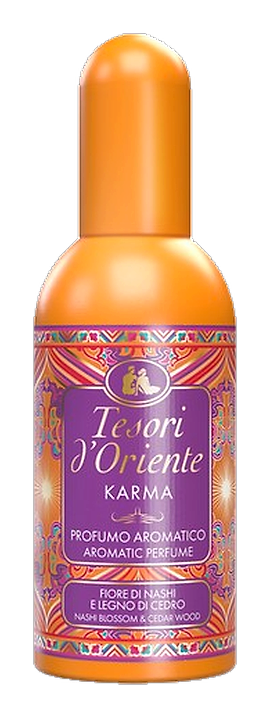
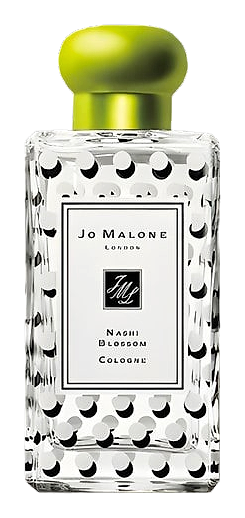
Fragrances featuring Nashi Pear Blossom
Brands
Brands known for Nashi Pear Blossom
Good to know
Questions, answered
The essentials on Nashi Pear Blossom in perfumery: how it smells, where it comes from, and how it behaves on skin.
Is Nashi Pear Blossom a natural or synthetic ingredient?
Most pear blossom notes in perfumery are synthetically recreated using aromachemicals like beta-ionone and pear ester. Natural absolute exists but remains rare due to low flower yields.
What does Nashi Pear Blossom smell like?
It presents as a delicate, fresh floral with green and slightly sweet fruity undertones reminiscent of fresh-cut pear and morning dew on petals.
When is Nashi pear blossom harvested?
Harvest occurs during the 10-14 day spring bloom period, typically April-May depending on region and elevation in East Asian growing areas.
Which countries produce Nashi pear blossom for perfumery?
Japan, China, and Korea remain the primary cultivation regions. Natural material is produced in limited quantities from these East Asian countries.
What fragrance families pair well with Nashi Pear Blossom?
It complements aquatic, green, citrus, and light floral compositions. Perfumers commonly blend it with white musks, green tea, and lightweight florals.
Why is Nashi Pear Blossom considered expensive in perfumery?
The extremely short harvest window, low yield per kilogram of flowers, and rapid degradation of aromatic compounds during extraction drive up production costs significantly.
Does synthetic pear blossom match natural extract quality?
High-quality synthetic recreations can closely approximate the natural scent profile. Top aromachemicals reliably capture the characteristic floral-pear character.
What is the shelf life of natural pear blossom absolute?
Properly stored natural absolute remains stable for 2-3 years. Synthetic accords offer longer shelf life and more consistent performance in formulations.




