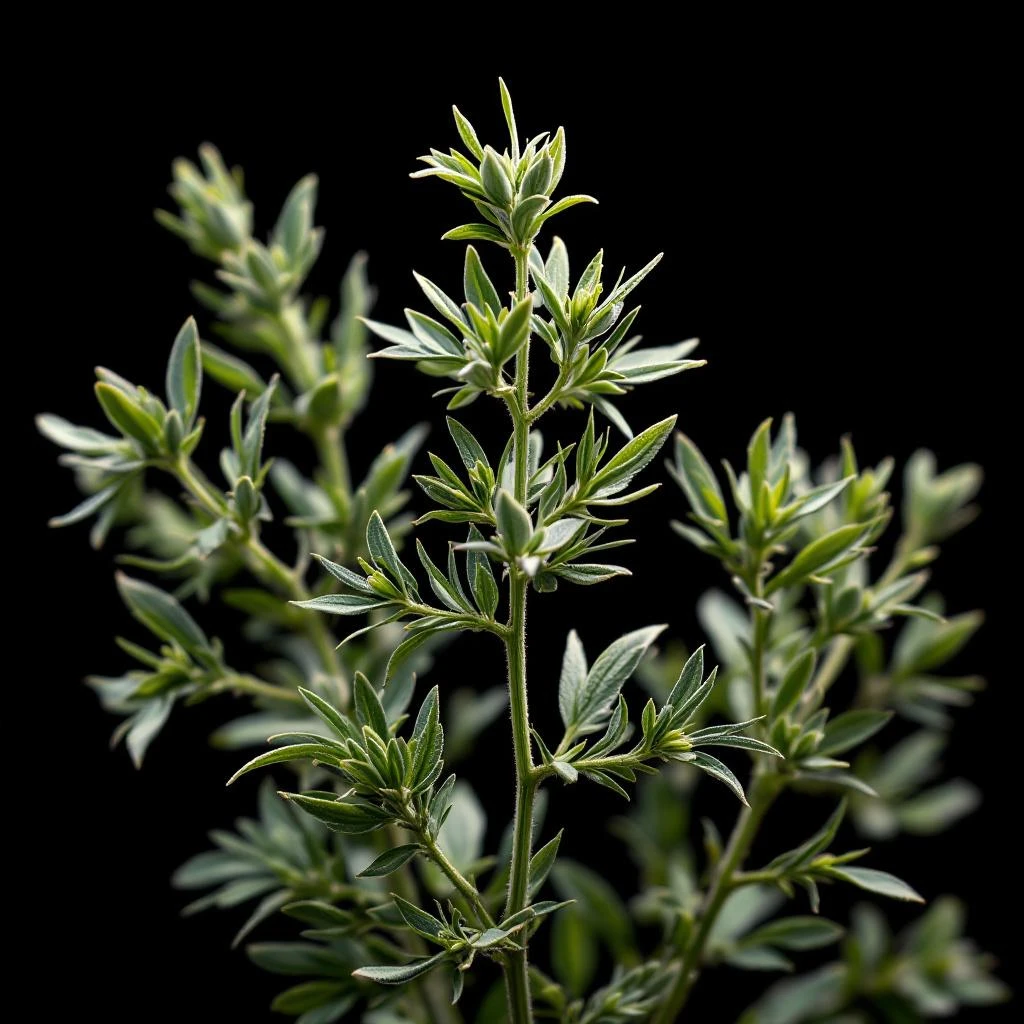
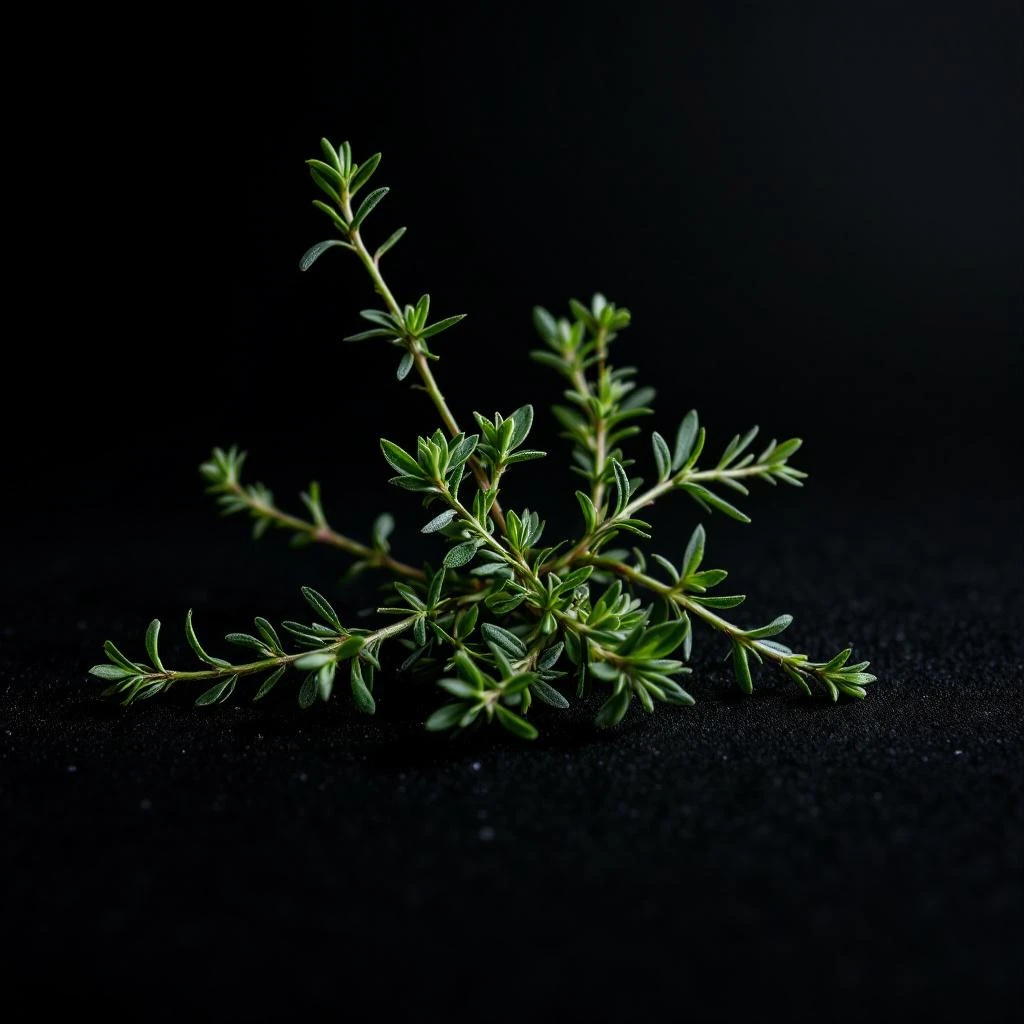
Mullein
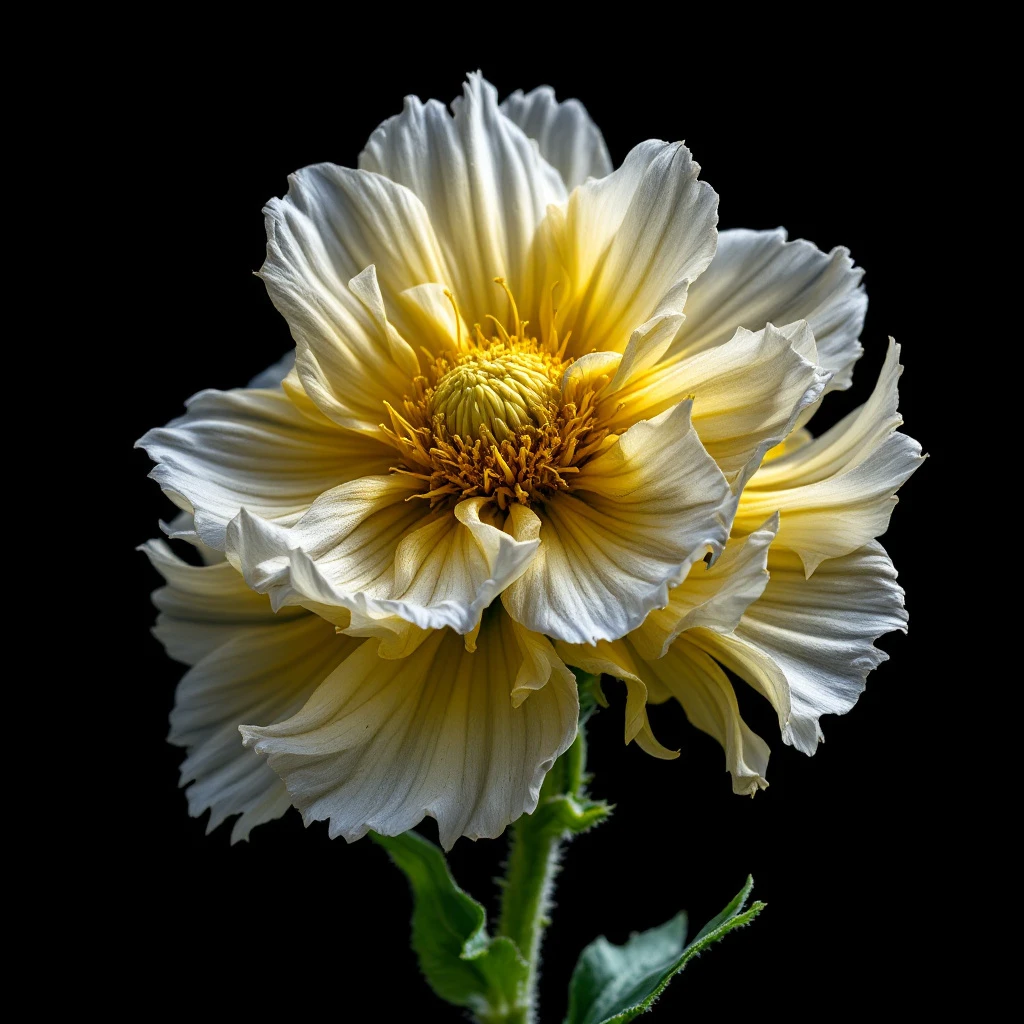
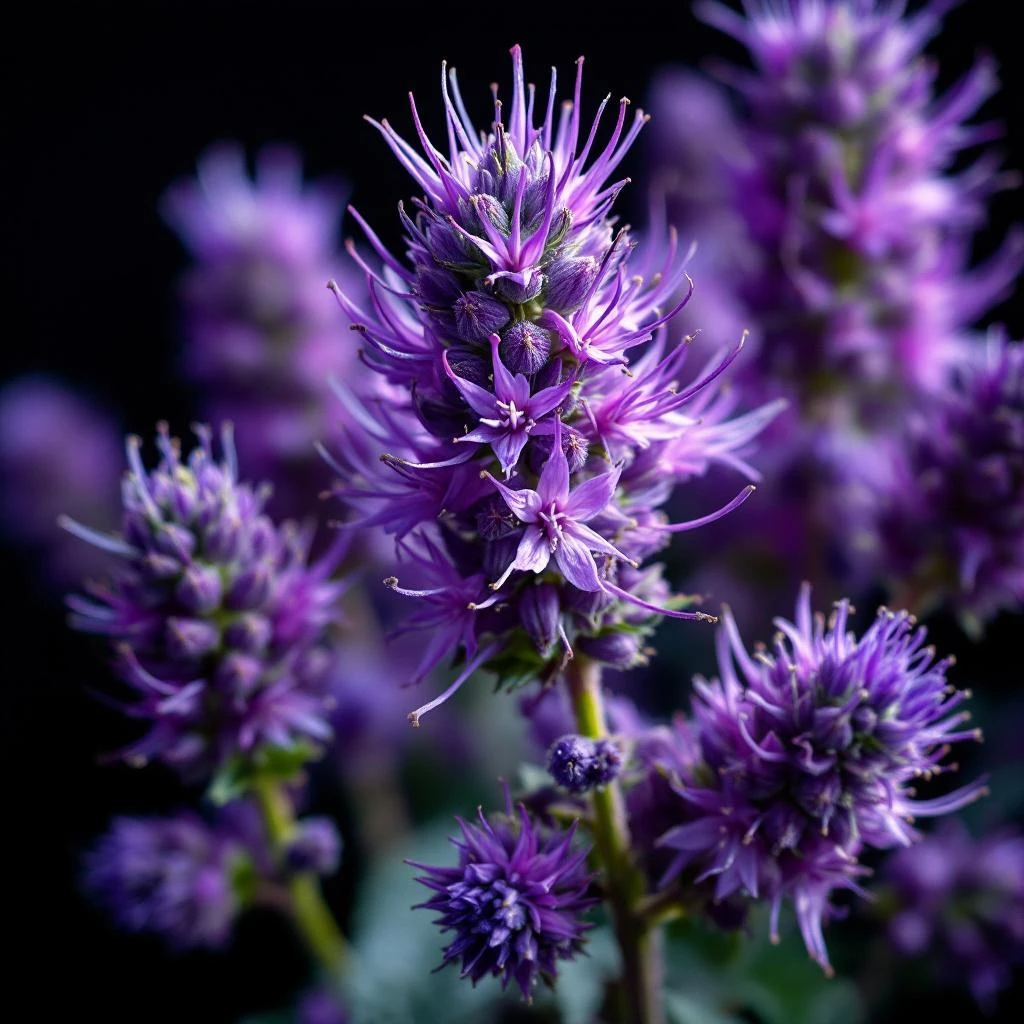
Mullein's tall yellow flower spikes produce a subtle, earthy botanical extract rarely found in mainstream perfumery. This unusual material offers a quiet complexity that appeals to natural perfumers seeking unconventional ingredients with genuine heritage.
Character
How it smells
An unusual botanical with centuries of folk tradition
Mullein was traditionally burned in European homes to purify spaces and ward off negativity, a practice that predates modern perfumery by centuries.


Origin
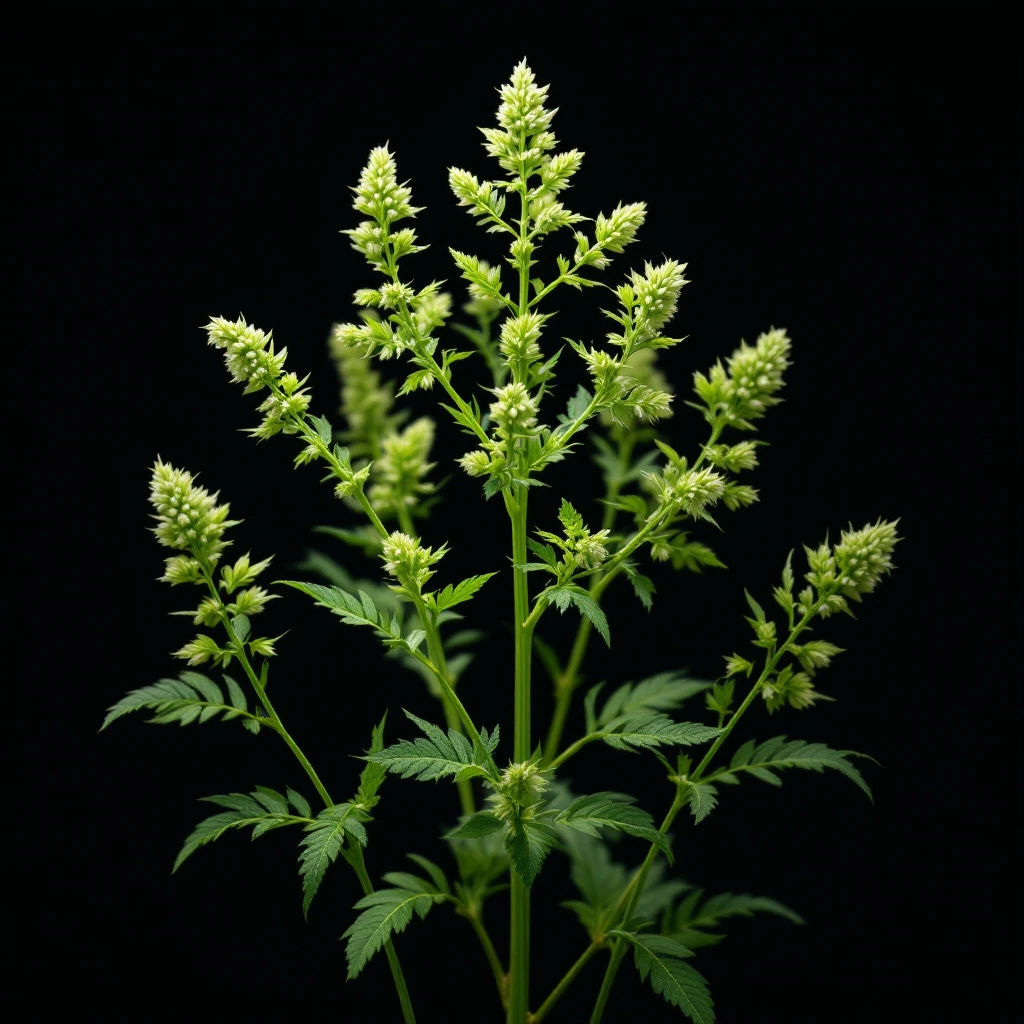
Mediterranean region
Mullein carries a history that extends far beyond its recent use in perfumery. Ancient Europeans burned mullein as incense during ceremonial rituals, believing the plant offered spiritual protection. Greek physician Dioscorides documented mullein's medicinal applications around 50 CE, recommending it for respiratory complaints.
Throughout the Middle Ages, mullein appeared in herbal preparations across Europe, particularly for lung and throat conditions. The plant earned common names including "cowboy toilet paper" in American frontier regions and "feltwort" for its velvety leaves. Despite this rich folk tradition, mullein never secured a prominent place in commercial perfumery.
The rise of synthetic aromatics and more accessible natural materials in the 19th century pushed mullein toward the periphery of the perfumer's palette. Today, mullein absolute remains genuinely uncommon in modern fragrance. A small number of natural perfumers and indie houses incorporate it occasionally, drawn to its unusual character and the narrative depth it brings to botanical compositions.
Wears it best
Fragrances featuring Mullein
Brands
Brands known for Mullein
Good to know
Questions, answered
The essentials on Mullein in perfumery: how it smells, where it comes from, and how it behaves on skin.
Is mullein a primary fragrance ingredient?
No. Mullein functions as a secondary botanical note rather than a main accord. Its subtle, earthy character works best as a supporting element that adds quiet complexity to green, herbal, or natural fragrance constructions.
What does mullein smell like in perfumery?
Mullein absolute presents as gently herbal with earthy undertones and a faint sweetness reminiscent of dried hay. The scent is understated rather than powerful, offering a natural, plant-like quality that blends smoothly with other green materials.
Why is mullein rarely used in commercial fragrances?
Mullein remains uncommon because it lacks the potency and availability required for mass-market perfumery. Small wild-crafted harvests and limited extraction facilities make it impractical for large-scale fragrance production.
What makes mullein interesting to perfumers?
Perfumers value mullein for its unusual botanical character and the storytelling potential it brings. In an industry dominated by synthetics and commoditized naturals, mullein offers something genuinely rare and unconventional.
Where does mullein grow naturally?
Mullein originates from the Mediterranean region and Western Asia, growing wild across rocky hillsides and disturbed ground. The plant has naturalized widely throughout Europe and parts of North America.
What part of the mullein plant is used in perfumery?
The flowers serve as the primary material for fragrance extraction. Harvesting occurs during the brief summer bloom period when flower spikes display their characteristic bright yellow coloration.
Does synthetic mullein exist?
No widely available synthetic equivalent exists for mullein. The aromatic profile remains tied to the natural material, which contributes to mullein's status as a specialty botanical.
Is mullein extraction sustainable?
Wild-crafted mullein carries low environmental impact since the plant grows abundantly without cultivation. However, irregular supply and limited processing infrastructure create inconsistency in material quality and availability.