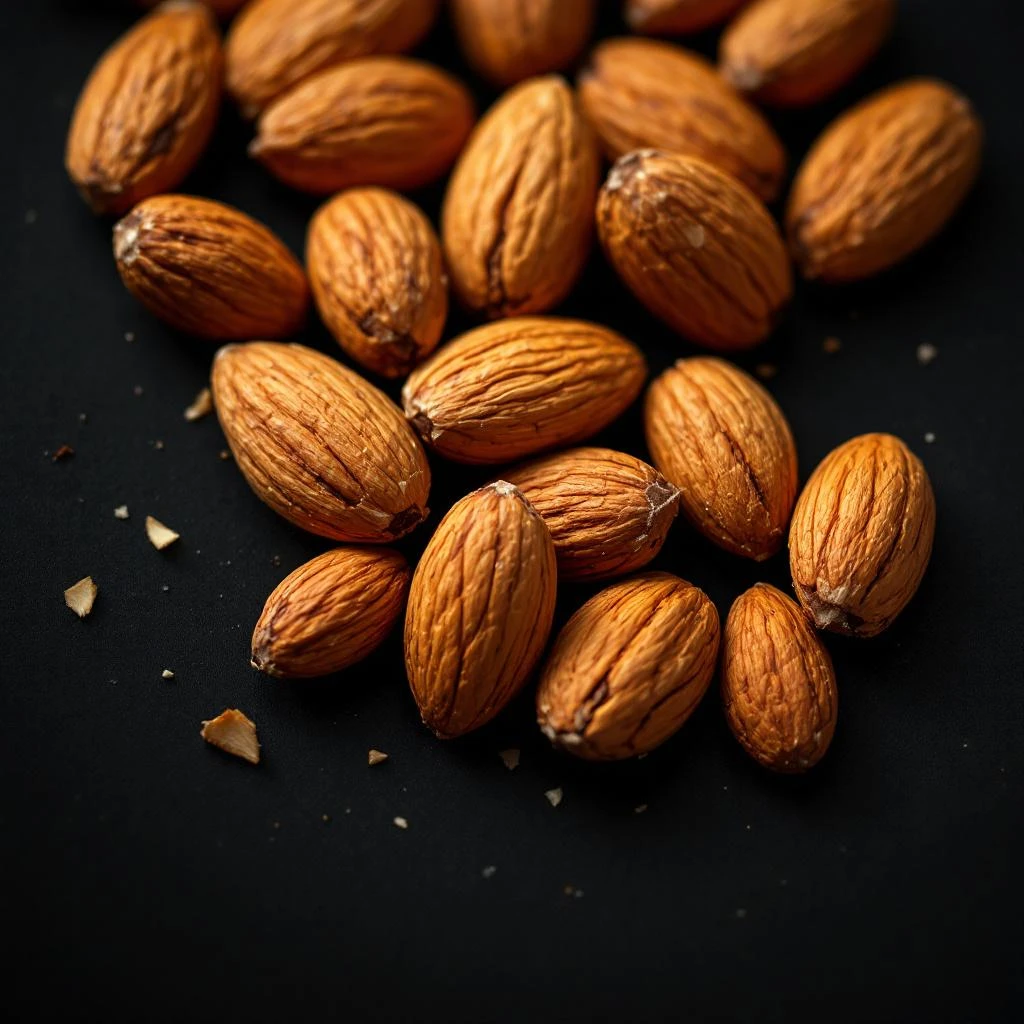
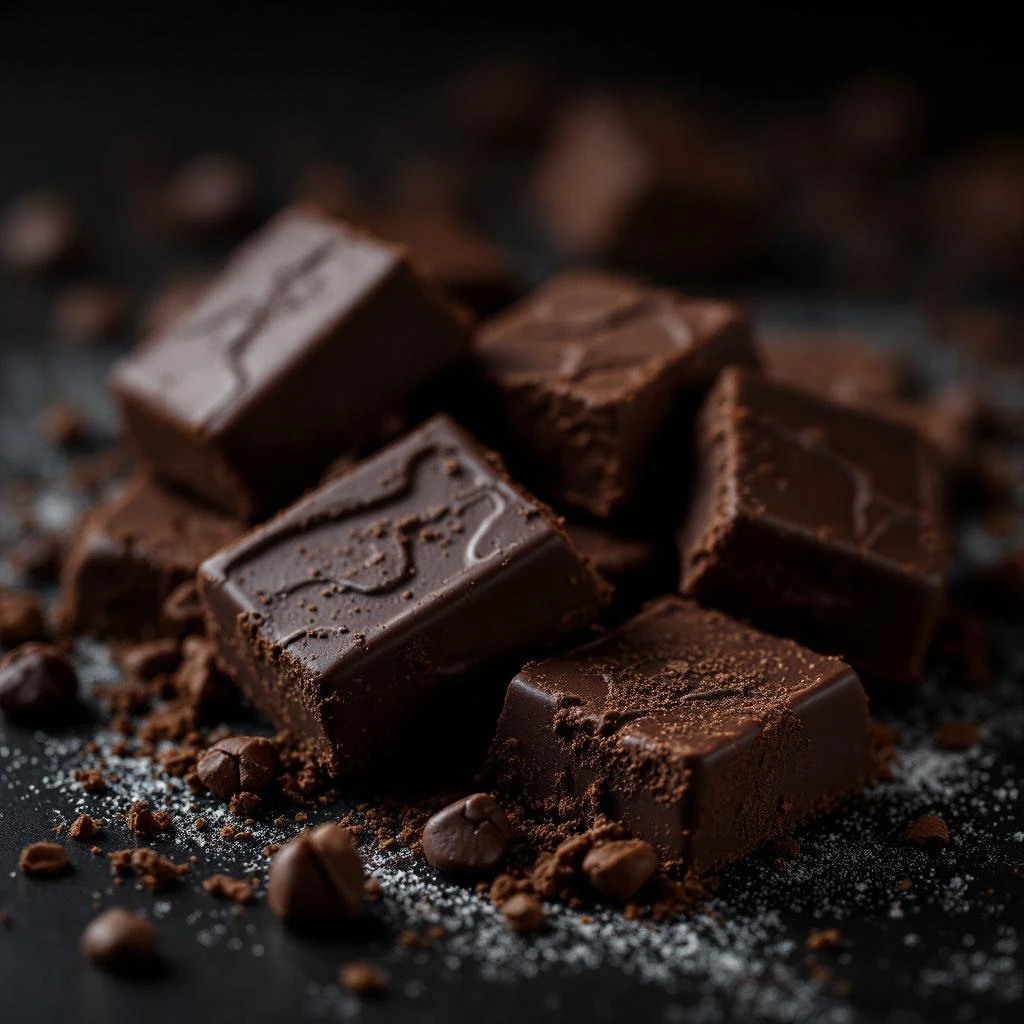
Ginger Biscuit
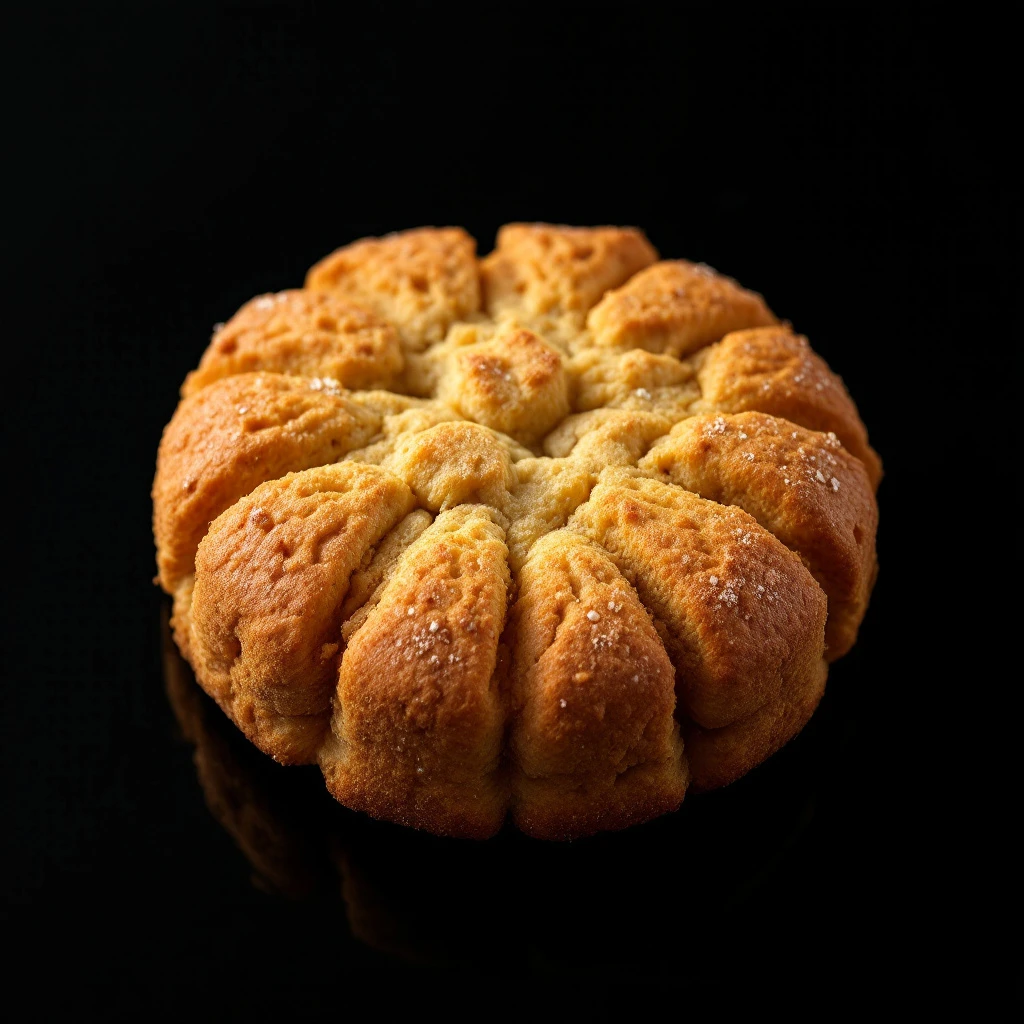
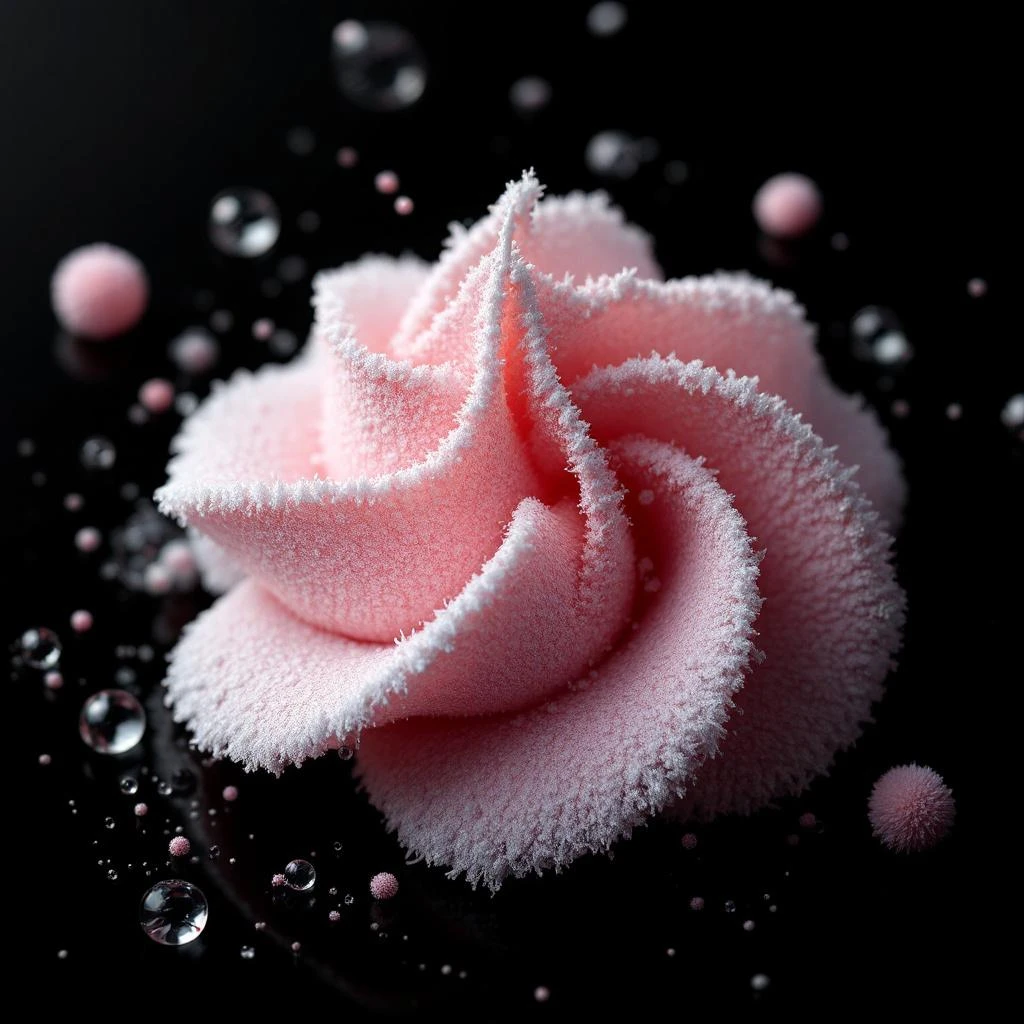
The warm, spicy sweetness of ginger biscuit brings an edible comfort to fine fragrance. This olfactory impression blends crystallized ginger heat with the buttery richness of freshly baked biscuits, creating addictive oriental and gourmand compositions.
Character
How it smells
Warm spice meets buttery comfort.
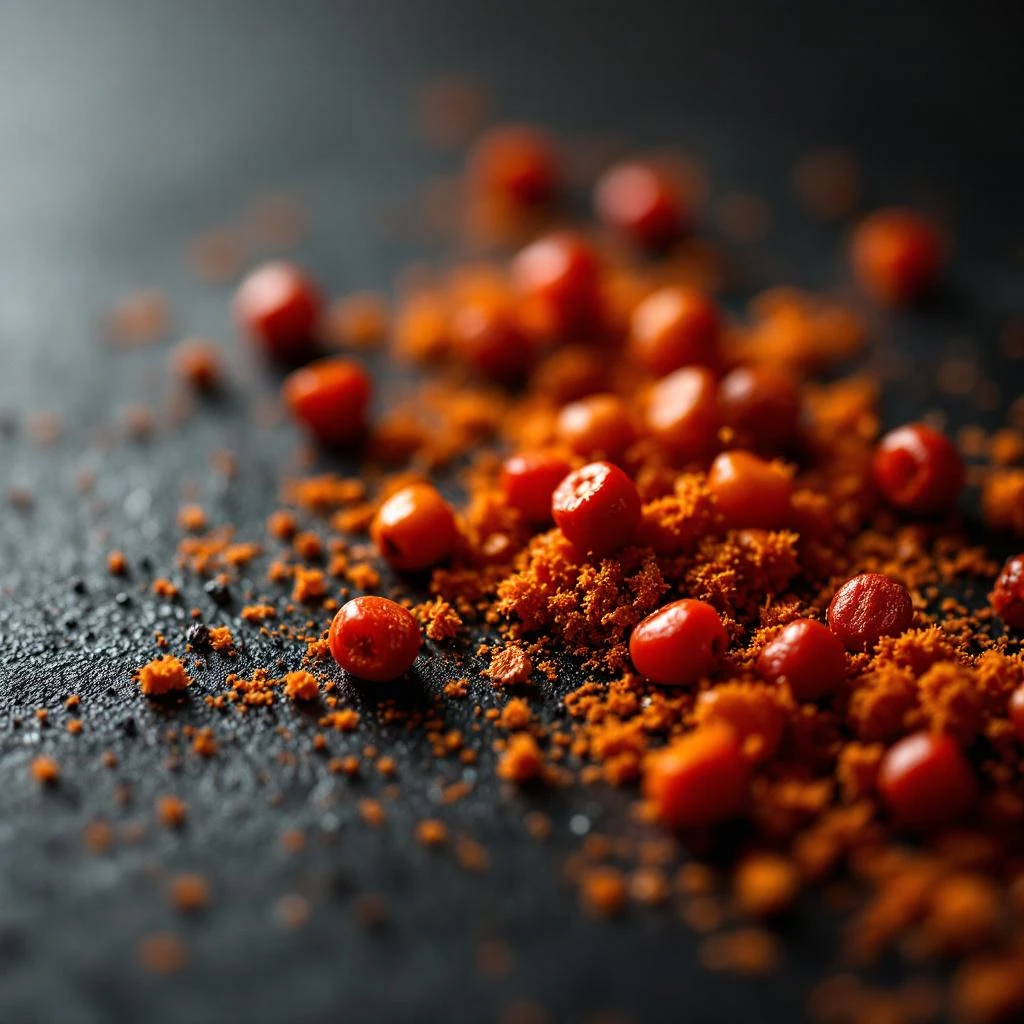
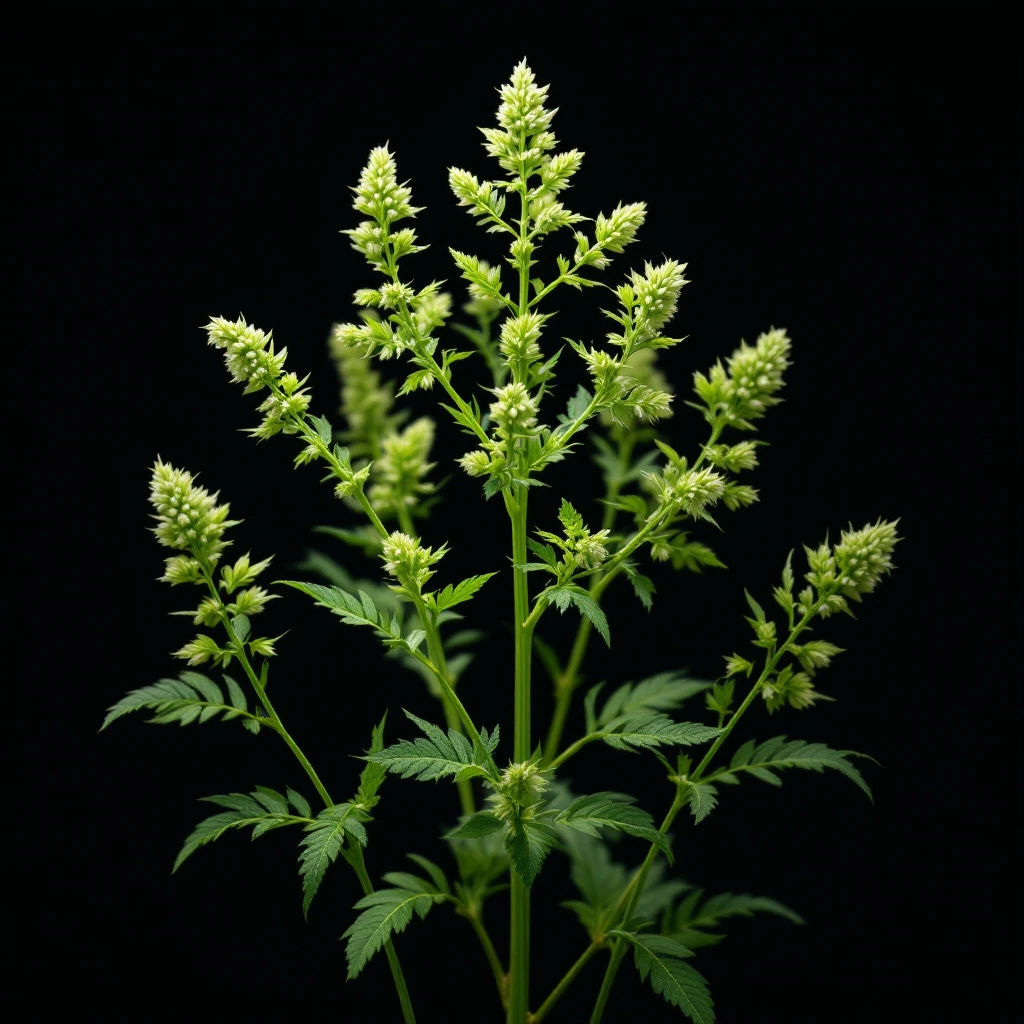
Ginger contains over 100 chemical compounds, but zingiberene provides its signature warm, peppery character.



Origin
India
Ginger ranks among humanity's oldest traded spices, moving along ancient routes from Southeast Asia to the Mediterranean world. Greek physicians received ginger rhizomes as gifts by the first century CE, while medieval European bakers discovered that the root's heat balanced rich, sweet doughs beautifully.
The marriage of ginger and biscuit emerged in 17th century England, where spiced hard biscuits sustained sailors on long voyages. Perfumers began exploring edible notes seriously in the late 19th century as synthetic aromatics expanded creative possibilities.
The ginger biscuit accord represents a particularly modern achievement: recreating a specific confectionery memory using both traditional absolutes and contemporary aroma chemistry. Today it appears frequently in warm, sensual fragrances meant to evoke comfort and indulgence.
Wears it best
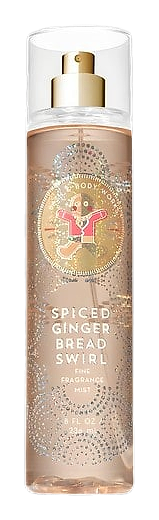
Fragrances featuring Ginger Biscuit
Brands
Brands known for Ginger Biscuit
Good to know
Questions, answered
The essentials on Ginger Biscuit in perfumery: how it smells, where it comes from, and how it behaves on skin.
What does ginger biscuit smell like in perfume?
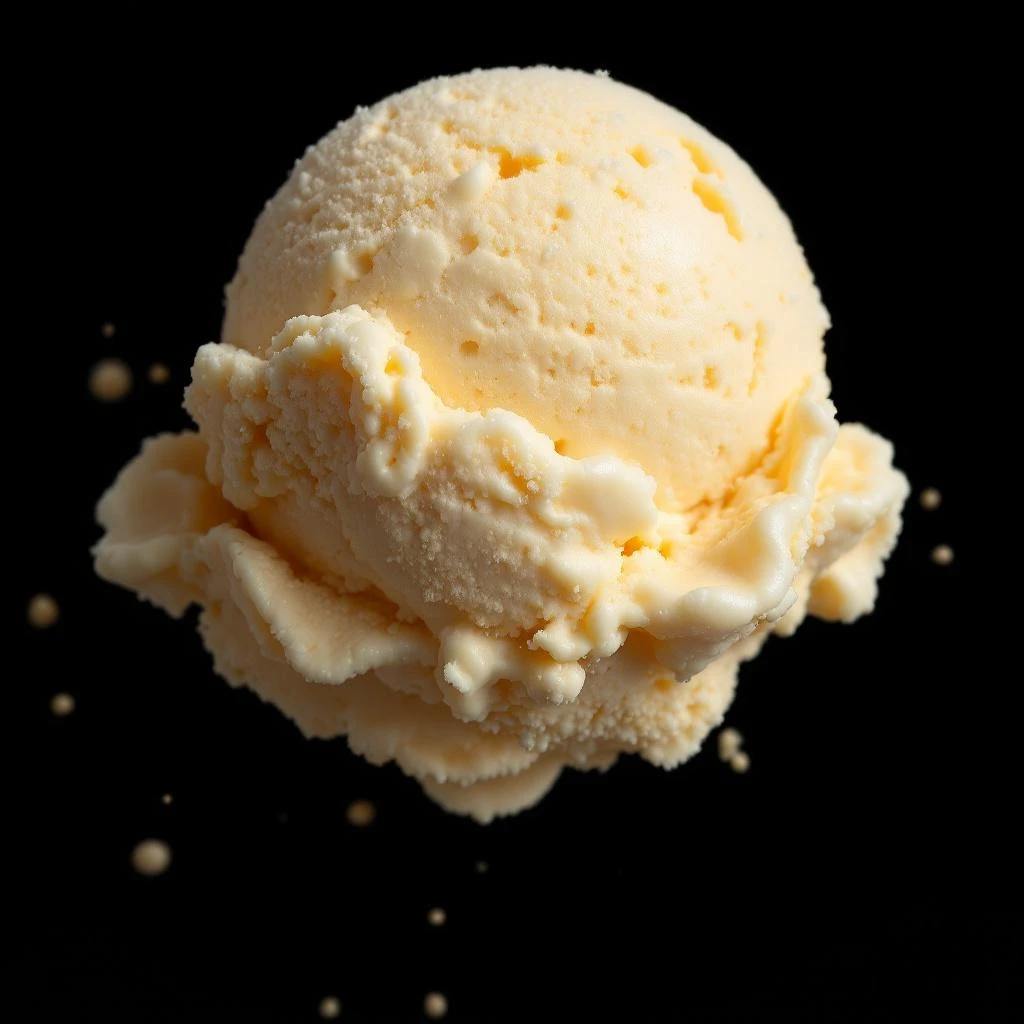
Ginger biscuit reads as warm, spicy, and subtly sweet with edible bakery character. Top notes deliver sharp ginger heat; the drydown softens into creamy, vanillic warmth reminiscent of freshly baked spiced cookies.
Is ginger biscuit a natural or synthetic ingredient?
It functions as an accord combining natural ginger essential oil with synthetic materials like vanillin and coumarin. No single extraction produces ginger biscuit; perfumers blend multiple components to achieve this specific sensory impression.
Which fragrance families use ginger biscuit?
Oriental and gourmand fragrances most commonly feature ginger biscuit. It appears frequently in women's and gender-neutral perfumes that aim for warm, sensual, or comfort-focused atmospheres.
How does ginger essential oil differ from the biscuit accord?
Ginger essential oil alone offers sharp, fresh, and peppery warmth with citrus undertones. The ginger biscuit accord softens this character by adding sweet, creamy, and slightly powdery elements that evoke baked goods.
What season or occasion suits ginger biscuit perfumes?
Cooler months and evening wear showcase ginger biscuit perfumes most effectively. The warm, edible quality provides comfort in autumn and winter while adding sensual depth to evening compositions.
Is ginger-derived material safe for skin application?
Ginger oil carries some restrictions under IFRA guidelines due to potential sensitization concerns. Perfumers use it at controlled dilution rates, making finished fragrances safe for normal skin application when following label guidance.
Which countries produce the ginger used in perfumery?
India leads global ginger production, followed by Nigeria, China, Thailand, and Indonesia. Indian ginger typically offers the sharpest, most vibrant aromatic profile preferred by perfumers.
How long does ginger biscuit last on skin?
As a mid to base-note impression, ginger biscuit typically persists for 4-6 hours depending on concentration and individual skin chemistry. It anchors compositions with lasting warmth and sweetness.