Horseweed
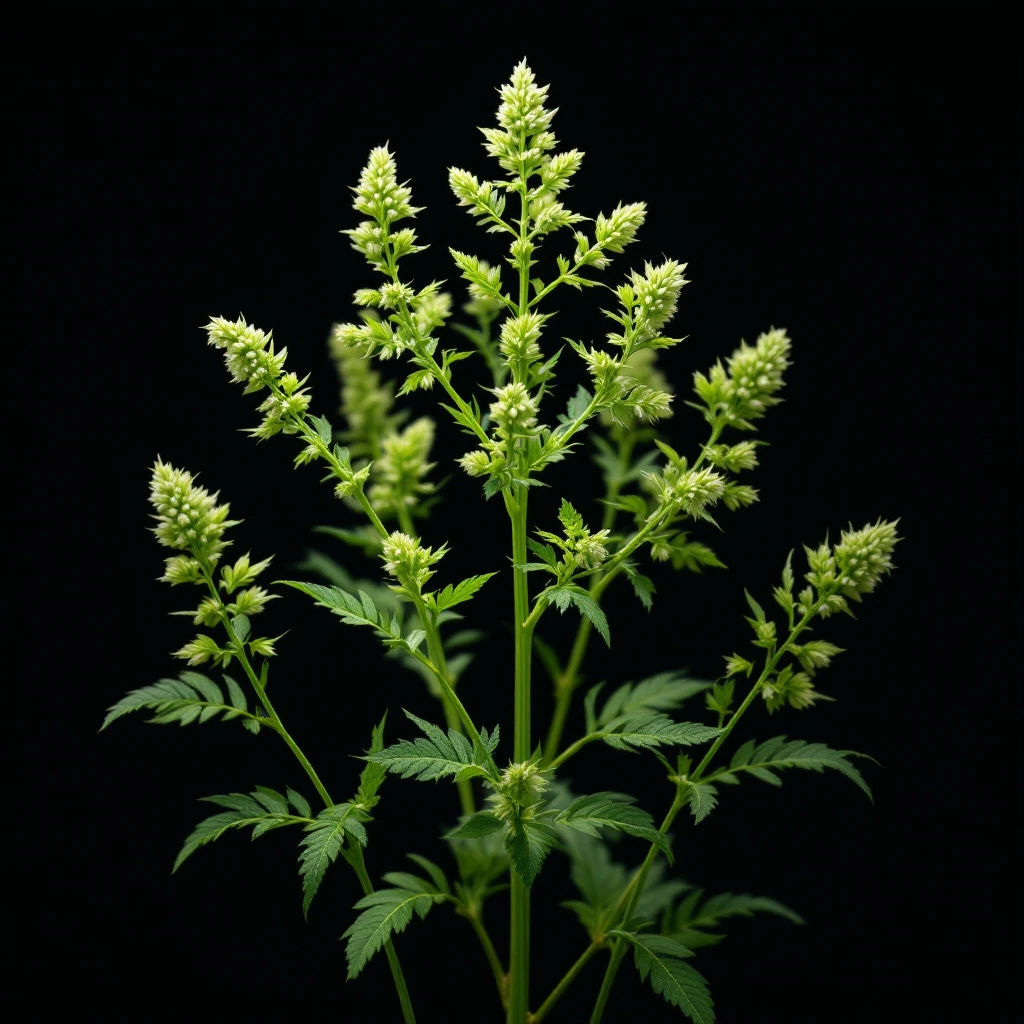
A North American wild herb whose steam-distilled oil delivers a bright, herbaceous-green character with citrus undertones, bringing a natural freshness to fragrance compositions.
Character
How it smells
Wild green citrus from North American fields.
Colonial settlers used horseweed leaves to make a tea that became known as 'Canadian tea' during the American Revolution when British tea supplies ran short.








Origin
United States
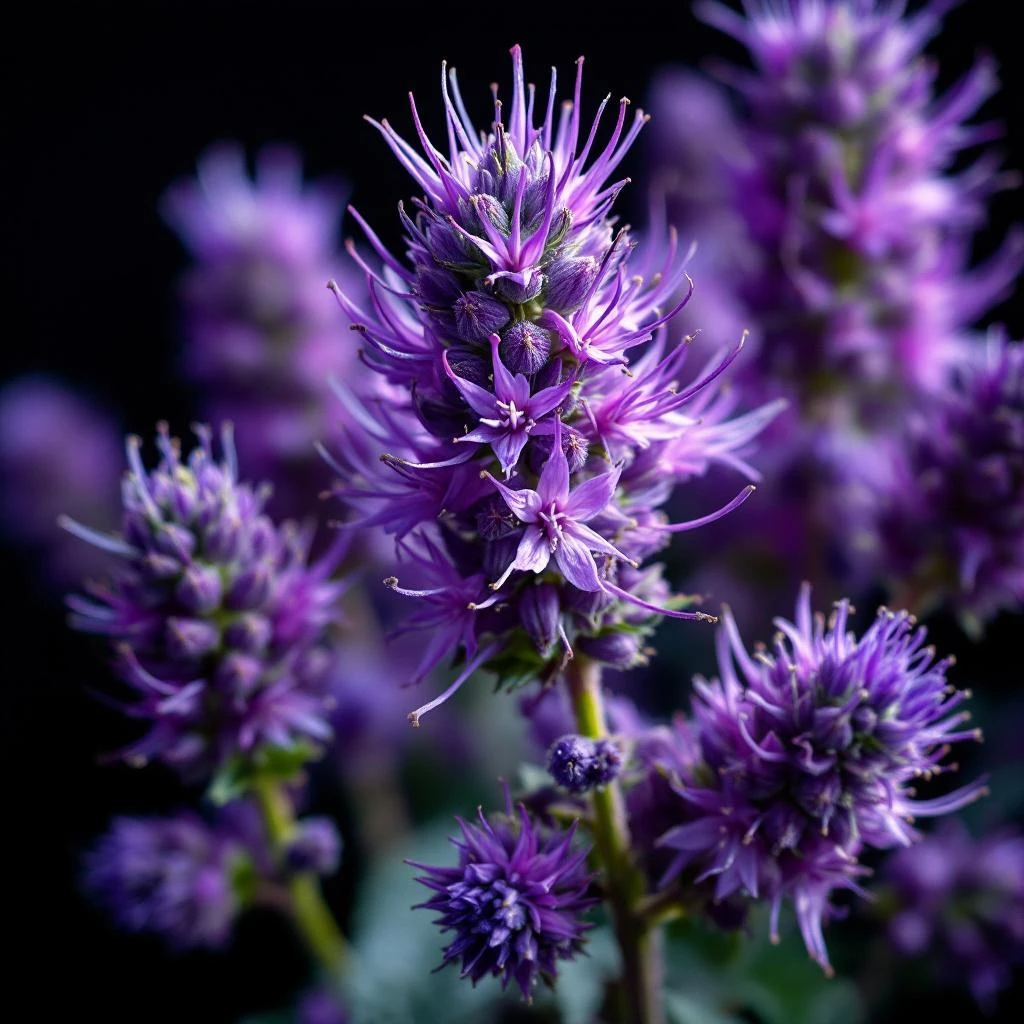
Horseweed originated across the grasslands and open areas of North America long before European contact. Indigenous peoples across the continent used the plant extensively for medicinal purposes, including treating diarrhea, sore throats, and wounds.
Early American colonists adopted these applications and expanded them. By the nineteenth century, the plant had spread worldwide as an accidental traveler in agricultural seed and ship ballast, naturalizing across Europe, Asia, and Australia.
Perfumers began exploring its essential oil in the late twentieth century, drawn to its clean, green scent profile that captures something of the open American landscape. Today, commercial production centers on the United States and Canada, where the plant grows abundantly as a roadside and field weed.
Wears it best
Fragrances featuring Horseweed
Brands
Brands known for Horseweed
Good to know
Questions, answered
The essentials on Horseweed in perfumery: how it smells, where it comes from, and how it behaves on skin.
What does horseweed smell like?
Horseweed essential oil has a fresh, herbaceous aroma with distinct citrus and green notes. The scent evokes cut grass and wild herbs with a light, airy quality that works well in modern fragrance compositions.
Is horseweed used commonly in perfumery?
Horseweed appears less frequently than mainstream ingredients but serves an important role in natural and botanical fragrance lines. Its fresh profile makes it valuable for green and aromatics-inspired compositions.
What chemicals give horseweed its scent?
Limonene dominates horseweed oil composition, typically comprising 40-60% of the extracted material. The remaining profile includes terpinolene and various sesquiterpene hydrocarbons that contribute to its complex green character.
Can horseweed cause skin reactions?
Like many essential oils high in limonene, horseweed oil may cause sensitization in some individuals. Professional dilution guidelines recommend keeping topical concentrations below 1% for leave-on products.
Does horseweed grow wild or is it cultivated?
Horseweed grows prolifically as a wild plant across North America, particularly in disturbed soils, fields, and roadside areas. Commercial production relies almost entirely on wild-harvested material rather than cultivated crops.
What fragrance families pair well with horseweed?
Horseweed complements citrus, herbal, green, and aromatic fragrance families. It works particularly well alongside materials like litsea cubeba, tagetes, and various herbals including clary sage and lavender.
Is horseweed oil sustainable to harvest?
Wild horseweed regenerates rapidly as an annual plant, making wild-harvested supplies relatively sustainable. The plant's widespread growth means collection does not threaten wild populations or ecosystems.