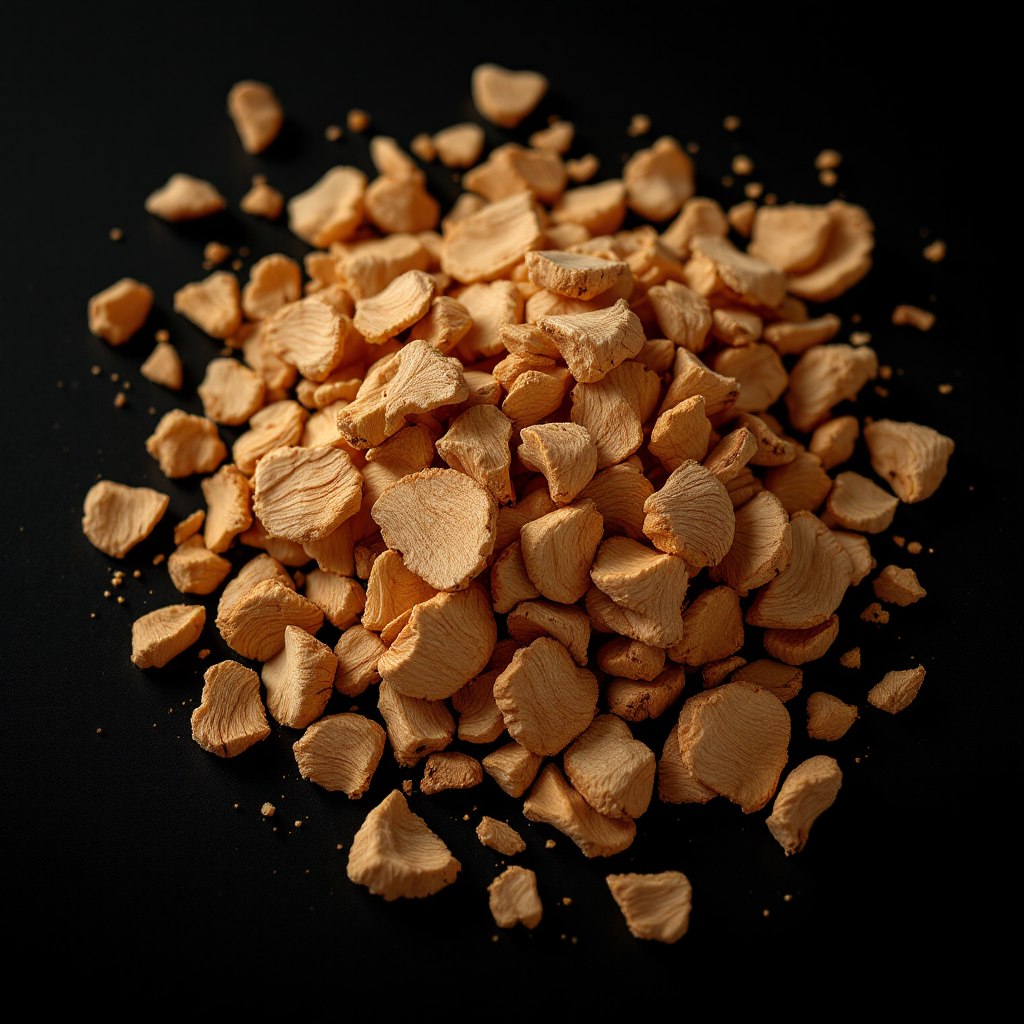
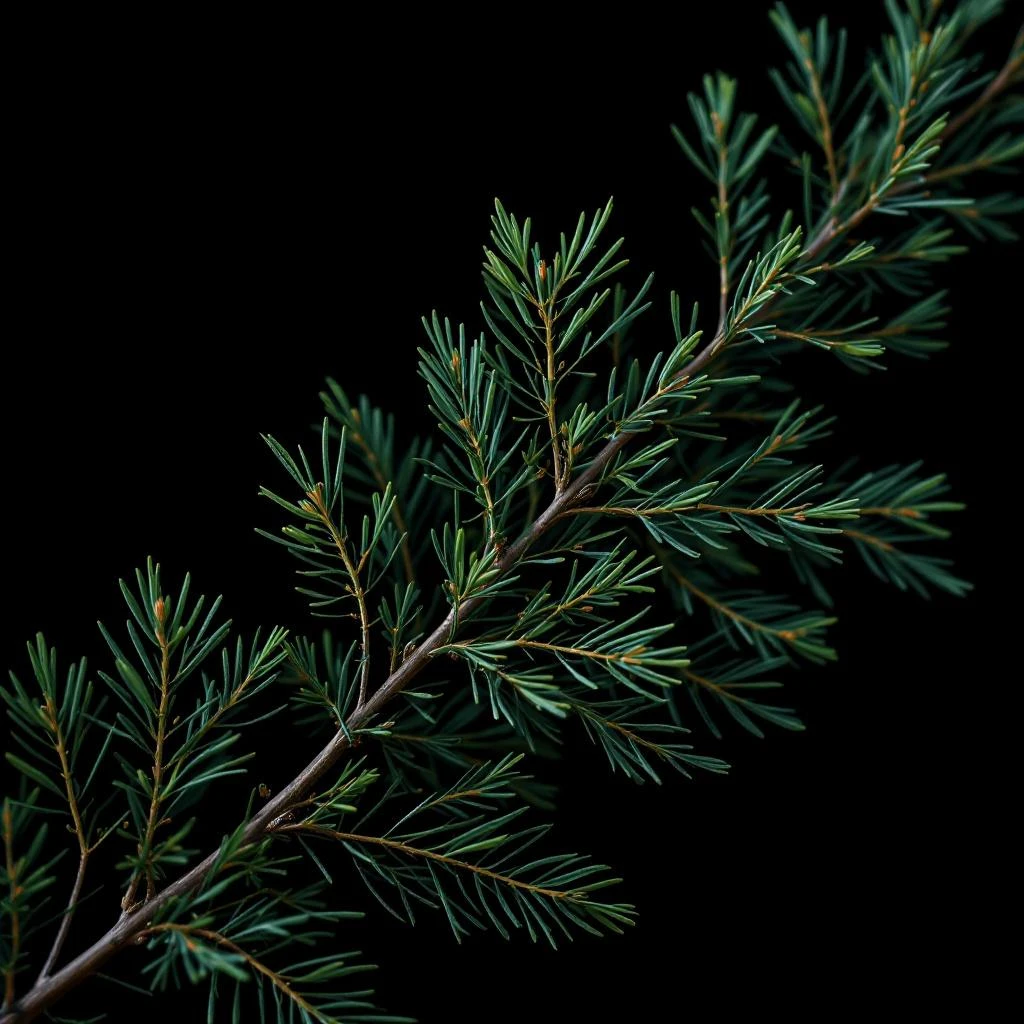
Character
How it smells
Dry warmth that anchors and endures.
Ancient Egyptians used cedarwood in mummification, valuing it for its preservative properties and unmistakable scent.









Origin
Lebanon
Cedarwood carries one of perfumery's oldest lineages. Ancient Egyptians employed it in embalming rituals and treasured it for constructing temples and seafaring vessels, with documented use dating back two to three thousand years before the Common Era.
The tree held sacred status across multiple civilizations. Atlas cedar, native to the Middle East, North Africa, and the Himalayas, arrived in European cultivation around 1839 and quickly became central to Western perfumery.
Meanwhile, Virginia cedar from the American colonies developed its own tradition. Each region's cedar developed distinct aromatic characteristics shaped by local soil composition and climate, giving perfumers multiple expressions of the same note to work with.
Good to know
Questions, answered
The essentials on Cedarwood in perfumery: how it smells, where it comes from, and how it behaves on skin.
What does cedarwood smell like?
Cedarwood smells dry and warm with subtle sweetness. The aroma recalls pencil shavings, freshly cut wood, and faint resin. Different species vary: Atlas cedar leans pencil-like and dry, while Virginia cedar tends warmer and creamier.
Which cedarwood species does perfumery use?
Perfumery primarily uses Atlas cedar from Morocco and Lebanon, Virginia cedar from the United States, and Himalayan cedar from Asia. Each species produces a distinct aromatic profile.
Where does cedarwood rank in fragrance construction?
Cedarwood typically functions as a base note, lending structure and lasting power to a fragrance. It works especially well with sandalwood, vetiver, and citrus, though it complements florals and other woods equally.
Is cedarwood natural or synthetic?
Cedarwood is natural. Perfumers obtain it through steam distilling wood byproducts from cedar trees. Synthetic alternatives exist, but natural cedarwood remains the industry standard.
Does cedarwood have non-perfumery uses?
Cedarwood appears in woodworking as a fragrant, durable wood, in traditional medicine, and in aromatherapy. Its preservative and insect-repellent properties made it valuable long before modern perfumery.
What is the difference between cedar and cedarwood?
Cedar technically refers to trees, while cedarwood denotes the aromatic material extracted from them. In perfumery, both terms often describe the same ingredient used as a scent material.
Can cedarwood cause allergic reactions?
Some cedarwood varieties contain compounds that may cause skin sensitization in sensitive individuals. High concentrations increase the risk. Patch testing is advisable when using cedarwood-heavy products.
How does cedarwood affect fragrance longevity?
Cedarwood acts as a fixative, slowing the evaporation of more volatile top notes. This extends a fragrance's wear time on skin by approximately two to three hours compared to formulas without it.