Mountain Hemlock
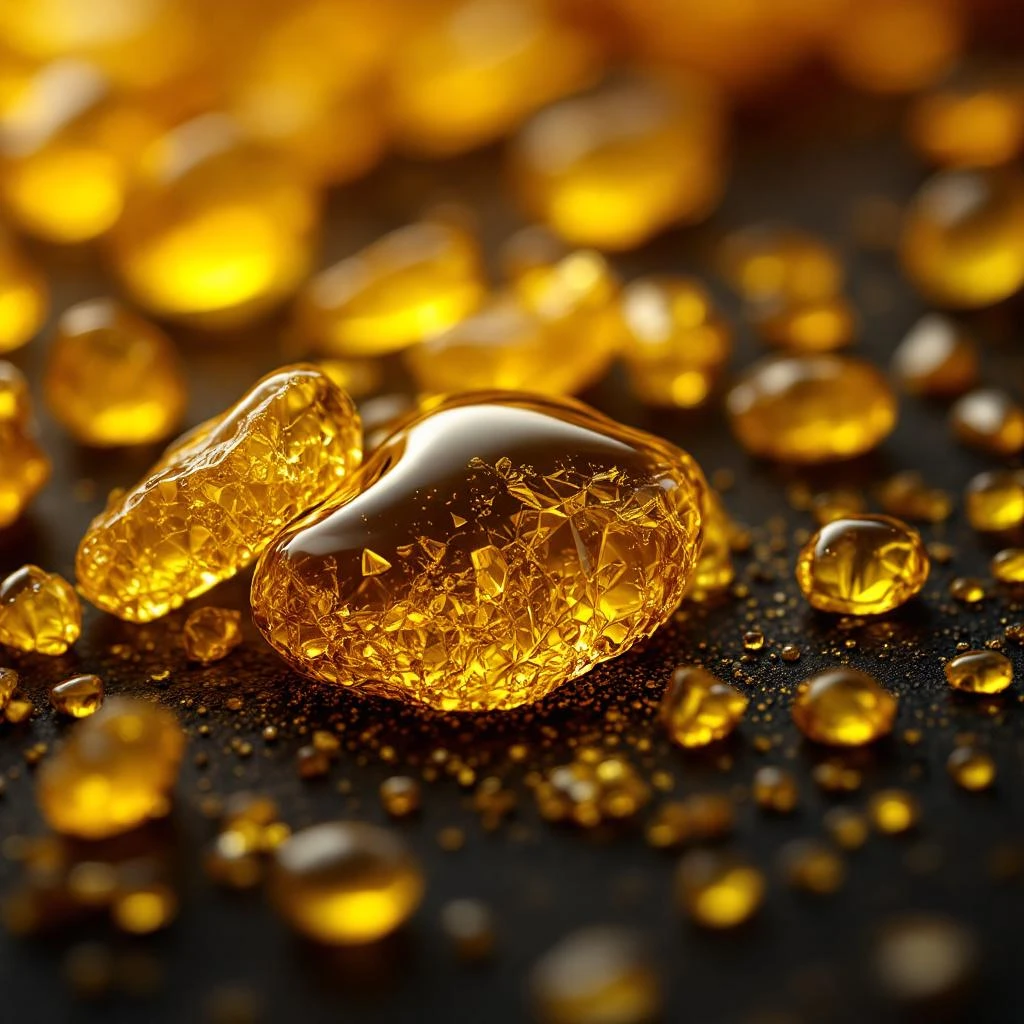
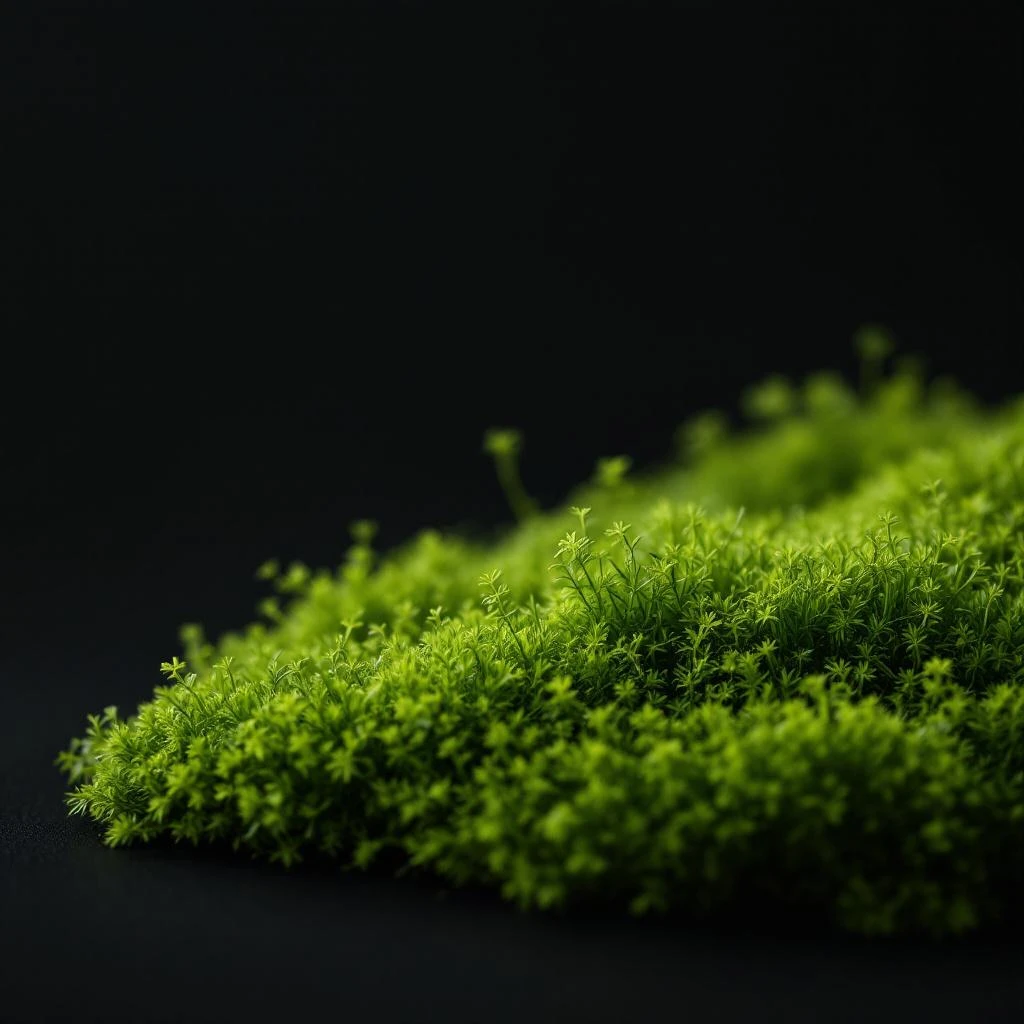
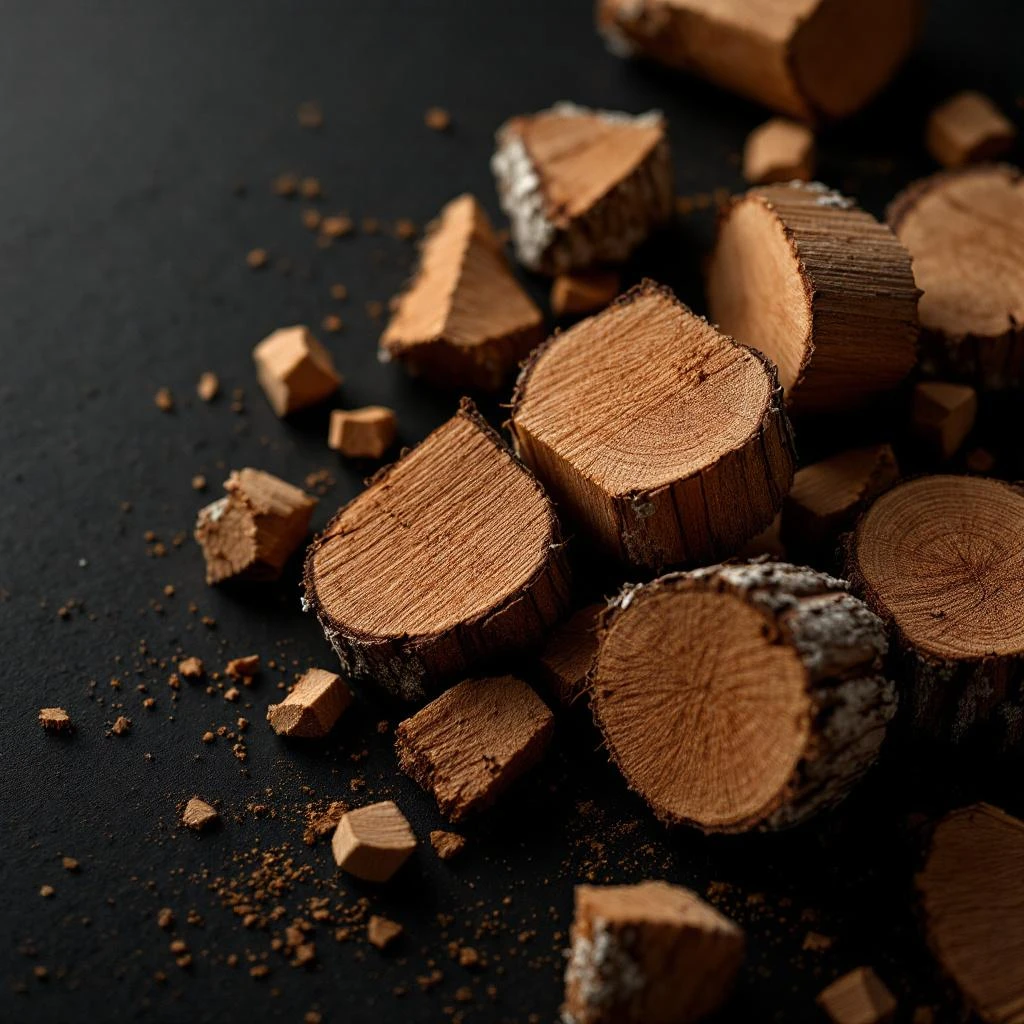
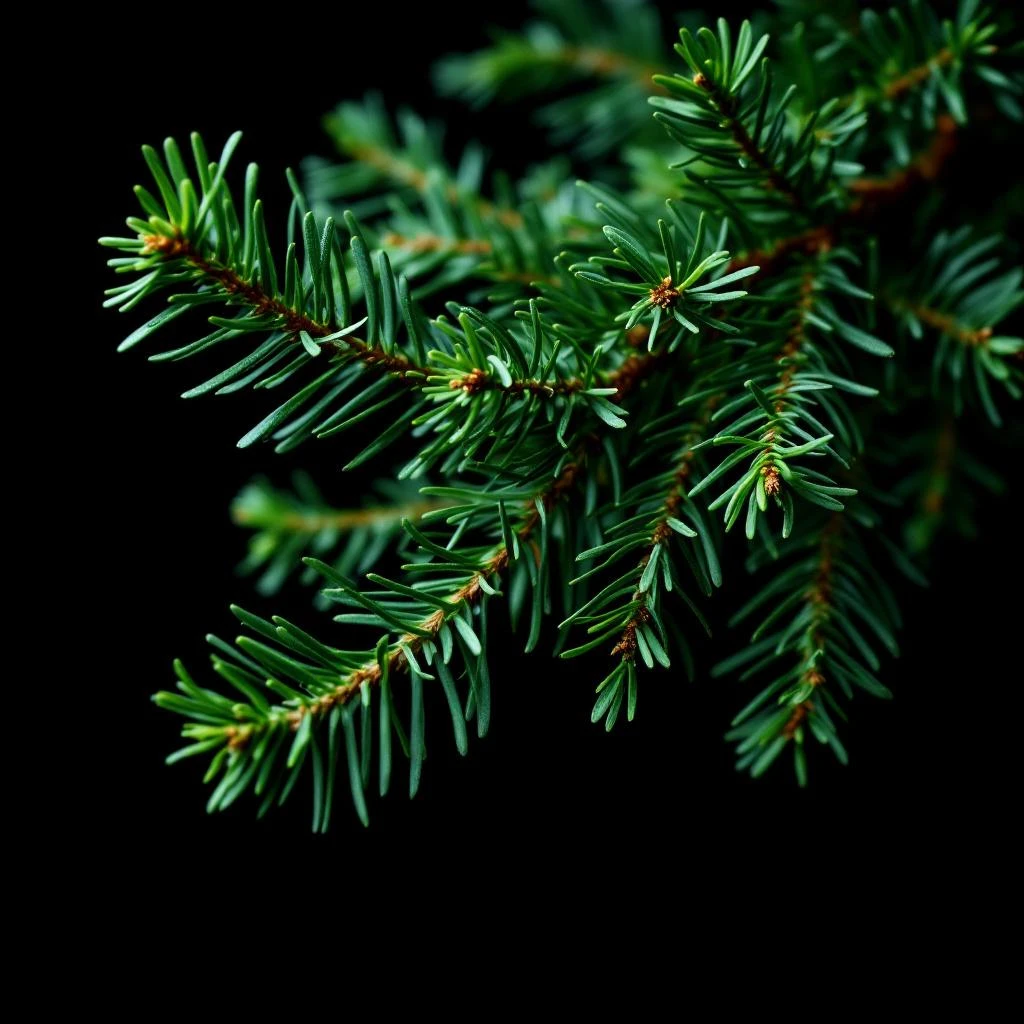
A cool, resinous conifer note shaped by crisp needles, damp bark and a restrained mineral edge, evoking mountain forests without literal scenery.
Character
How it smells
Fresh conifer air with a cool, resinous shadow.
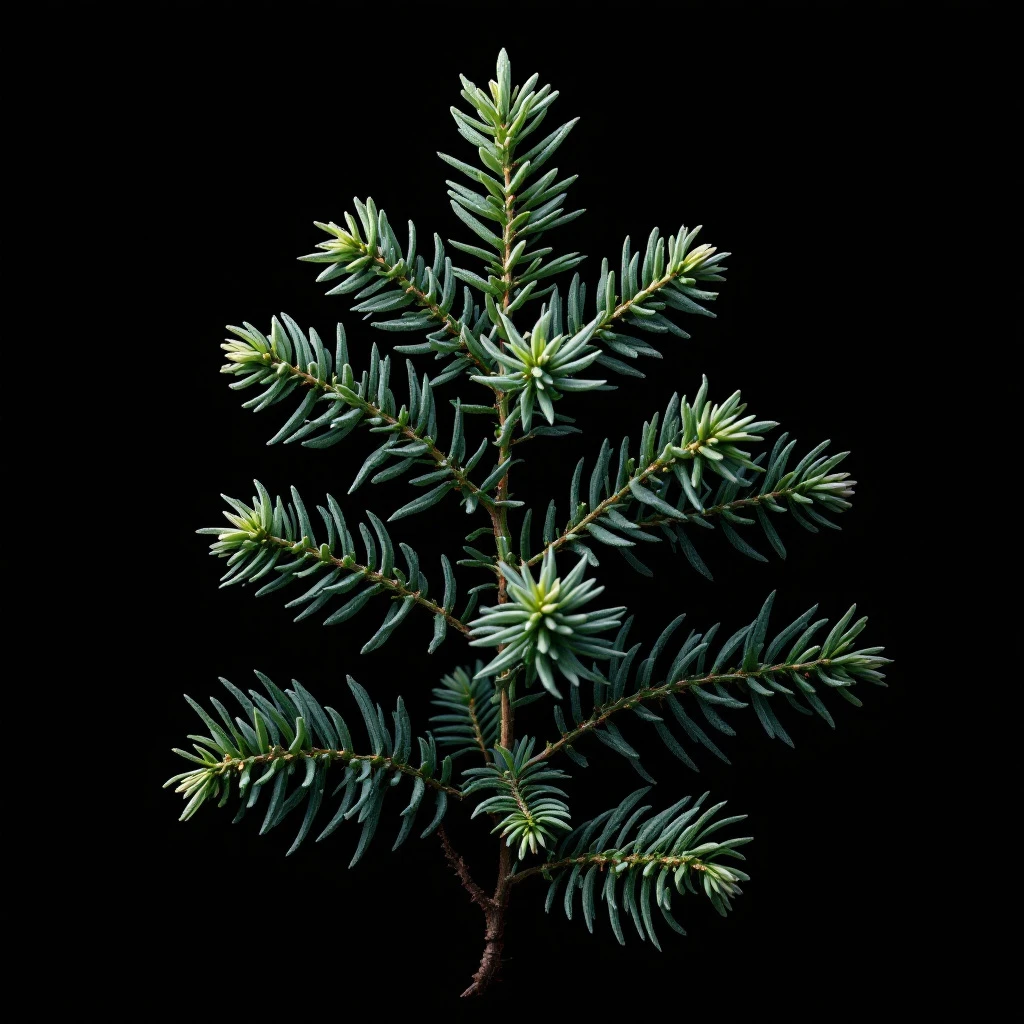
Western hemlock needles contain aromatic compounds associated with the forest’s distinctive fresh, resinous scent, though most commercial hemlock accords are synthesized.
Origin
United States
Mountain hemlock, or Tsuga mertensiana, is an evergreen conifer native to western North America, where it grows in cool, moist mountain forests from the Pacific Coast into the inland ranges. Indigenous peoples of the region used western hemlock bark and needles for practical purposes, including construction, basketry and medicinal preparations, although these uses are distinct from modern perfumery.
The tree’s association with cold forests and clean, resinous air later made hemlock a useful reference point for “mountain” and woodland fragrance concepts. Early commercial perfumery relied more heavily on available natural oils and aromatic materials than modern formulations do.
As synthetic perfumery expanded, perfumers gained greater control over conifer notes that previously depended on local plant oils and resin accords. Mountain hemlock accord today reflects that history: part botanical reference, part modern interpretation of fresh alpine air.
Wears it best
Fragrances featuring Mountain Hemlock
Brands
Brands known for Mountain Hemlock
Good to know
Questions, answered
The essentials on Mountain Hemlock in perfumery: how it smells, where it comes from, and how it behaves on skin.
Does Mountain Hemlock smell like real hemlock trees?
Mountain Hemlock usually describes a fragrance accord inspired by the crisp green scent of conifer forests, not a single extracted tree oil. Its profile commonly combines needle-like freshness with woody resin and a cool mineral edge.
Where does Mountain Hemlock naturally originate?
Mountain hemlock, or Tsuga mertensiana, is native to western North America, especially mountainous parts of California, Oregon and Washington. It belongs to the pine family and grows in cool, moist forests.
How is Mountain Hemlock made for perfume?
Most Mountain Hemlock materials are synthetic fragrance compositions built from conifer, woody and resinous aroma chemicals. Natural essential oils may support the effect, but they rarely represent the finished scent on their own.
Which part of the hemlock tree carries its aroma?
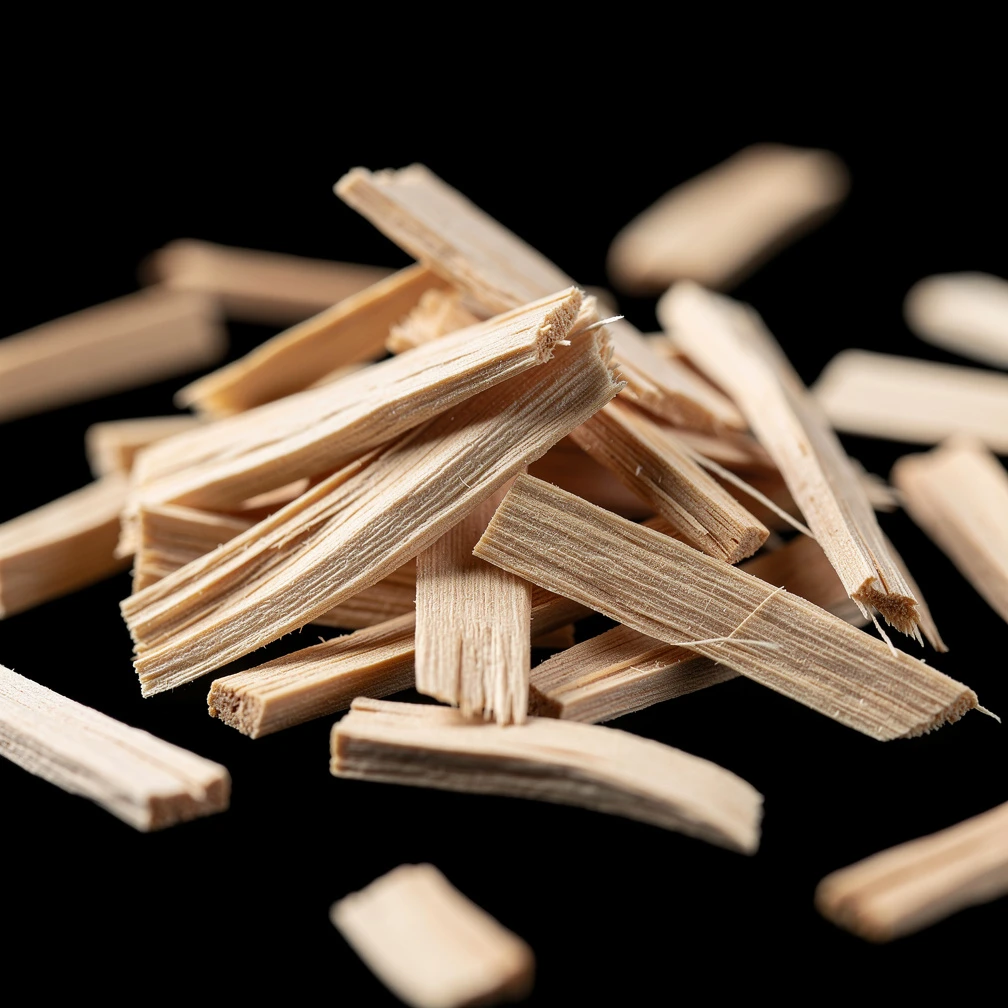
Fresh needles and twigs contribute much of the tree’s green character, while bark and resin add woody depth. These qualities inspired perfumers even when the final material uses a reconstructed accord.
Is Mountain Hemlock the same as the toxic hemlock plant?
No. Mountain hemlock is a conifer in the pine family, Tsuga mertensiana, and it is unrelated to the highly poisonous plants commonly called hemlock. Its scent profile is generally fresh, green and resinous.
What fragrance notes pair well with Mountain Hemlock?
Mountain Hemlock pairs naturally with citrus, pine, fir, vetiver, moss and dry woods. Cool aquatic notes can strengthen its clean quality, while vanilla, amber or incense can emphasize its darker resinous side.
Why does Mountain Hemlock feel cold and misty?
Its cool impression comes from the contrast between sharp green notes, which suggest needles and air, and woody-resinous tones, which evoke damp bark. Some compositions add mineral or aquatic facets for extra clarity.
Is Mountain Hemlock suitable for natural-only perfume?
It can be included in natural-only work if suitable conifer oils and aromatic botanicals are available, but “mountain” effects often depend on synthetic materials. A formulation’s natural status also depends on every ingredient used.