Morning Glory
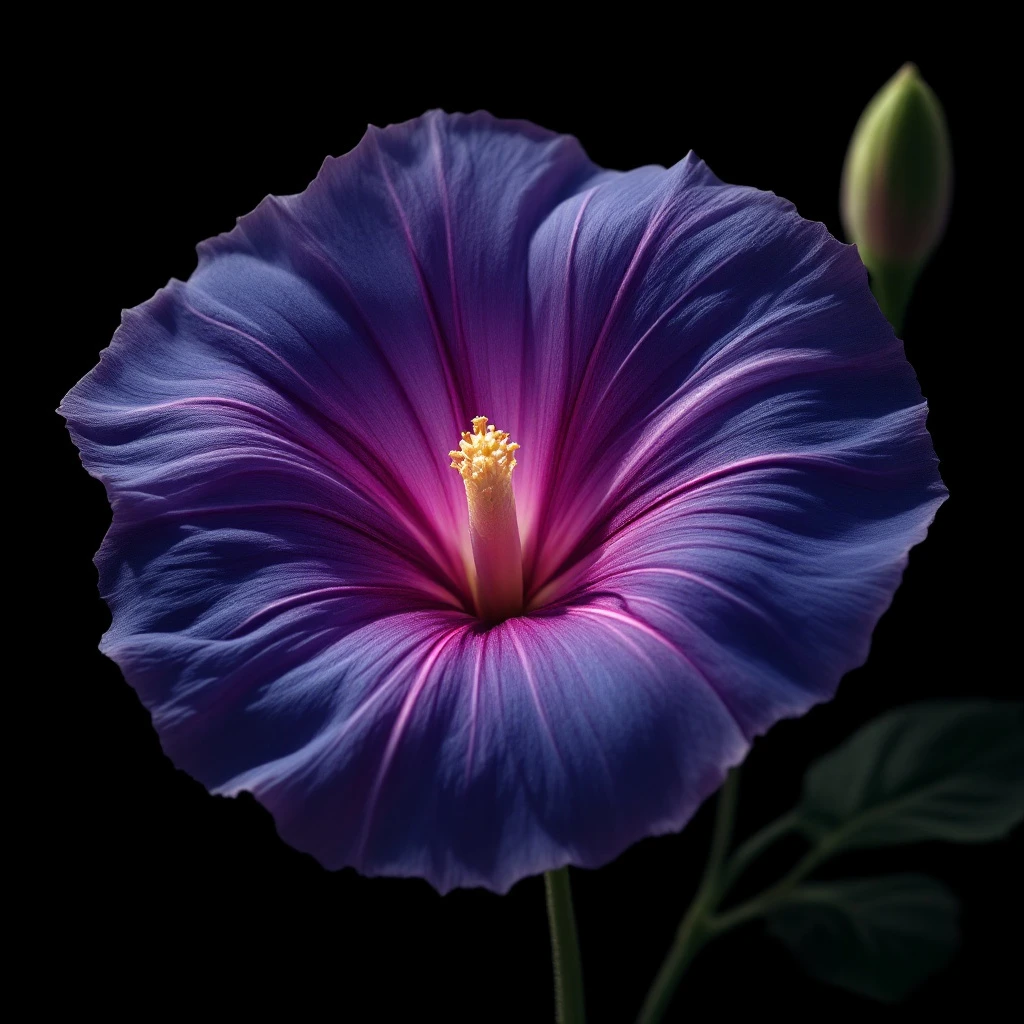
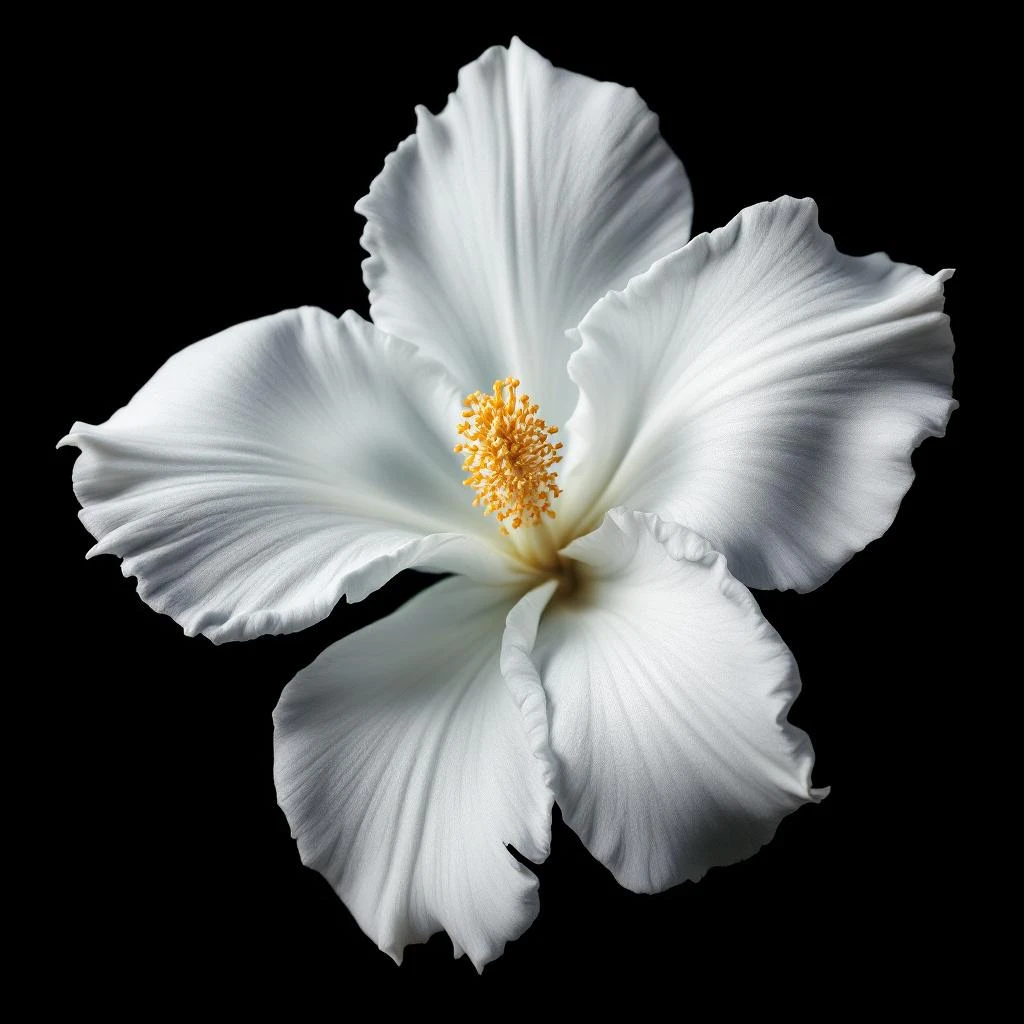
Morning Glory brings a soft, ephemeral sweetness to fragrance compositions. The climbing flower's delicate scent, most potent at dawn, inspires fleeting top notes that vanish beautifully on the skin.
Character
How it smells
Dawn's most fleeting bloom, captured in a bottle.
Each flower blooms for a single day, unfurling at sunrise and closing by noon, which is why perfumers often recreate its scent synthetically to capture what nature cannot hold.




Origin
Mexico
Morning Glory (Ipomoea purpurea and related species) originated in Central America and was cultivated by Mesoamerican civilizations long before European contact. The Aztecs grew these vines for ornamental and ceremonial purposes, and the plant carried symbolic weight in pre-Columbian cultures. Spanish conquistadors brought Morning Glory seeds to Europe in the 16th century, where botanical gardens began cultivating them as curiosities.
While the flower became beloved in gardens worldwide, it never developed the same aromatic prominence in perfumery as roses or jasmines. Its scent remains one of perfumery's more poetic references, used sparingly to evoke morning freshness, childhood gardens, and the brief beauty of dawn.
Wears it best
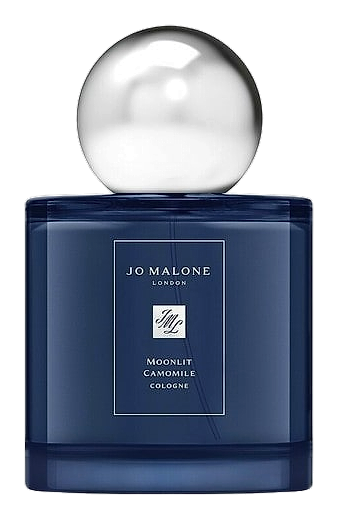
Fragrances featuring Morning Glory

Brands
Brands known for Morning Glory
Good to know
Questions, answered
The essentials on Morning Glory in perfumery: how it smells, where it comes from, and how it behaves on skin.
Is Morning Glory a natural or synthetic fragrance ingredient?
Morning Glory is almost always recreated synthetically in perfumery. The flower's aromatic yield is too low and its daily bloom too fleeting for commercial extraction, so perfumers synthesize its key aromatic molecules to achieve the same effect.
What does Morning Glory smell like?
Morning Glory carries a light, dewy scent with green, ozonic qualities and subtle melon or cucumber-like freshness. It reads as airy and ephemeral in compositions, lending an immediate impression of morning air rather than lasting depth.
Where is Morning Glory from?
The plant originated in Central America, with Mexico as a primary center of diversity for Ipomoea species. Spanish botanists introduced it to European gardens in the 16th century, and it now grows widely across temperate regions worldwide.
Can Morning Glory be extracted for perfume?
No commercial extraction method exists for Morning Glory on an industrial scale. The flowers open briefly each morning and contain trace aromatic compounds that resist conventional extraction, which is why perfumers rely on synthetic recreation instead.
What family does the Morning Glory plant belong to?
Ipomoea purpurea belongs to the Convolvulaceae family, also known as the morning glory or bindweed family. This family includes over 1,000 species of climbing and trailing plants, many of which produce lightly scented flowers.
Which fragrance families use Morning Glory notes?
Morning Glory appears most often in fresh, ozonic, and green fragrance families. Perfumers use it as a top-note element to suggest morning dew, spring gardens, or the sensation of walking through a vine-covered terrace at sunrise.
What gives Morning Glory its characteristic scent?
The scent profile derives from trace aromatic compounds including linalool and ionone derivatives, which contribute green, slightly floral, and faintly fruity facets. These same molecules appear in other plants, allowing perfumers to reconstruct the profile from more readily available sources.
How should I identify authentic Morning Glory in a fragrance?
Check the perfume's ingredient list for 'morning glory' in the top notes or as a named ingredient. Because it is always recreated synthetically, there is no natural 'pure' version to source. Trust brands that label it clearly rather than burying it in a generic green note.




