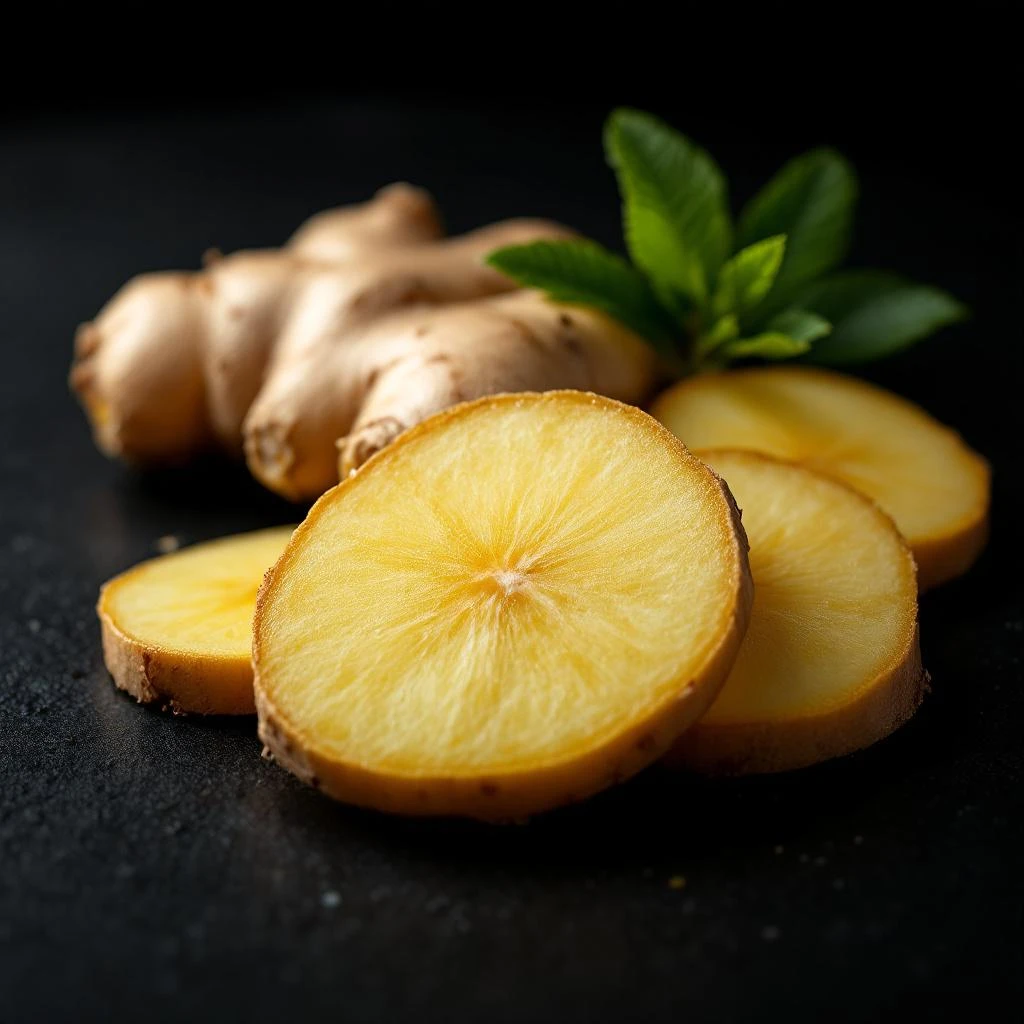
Mongolian Coriander
Mongolian coriander delivers a bracing cold-spice character to perfumery. Its citrusy brightness and subtle peppery warmth make it a versatile heart note that bridges fresh and warm facets in fragrance composition.
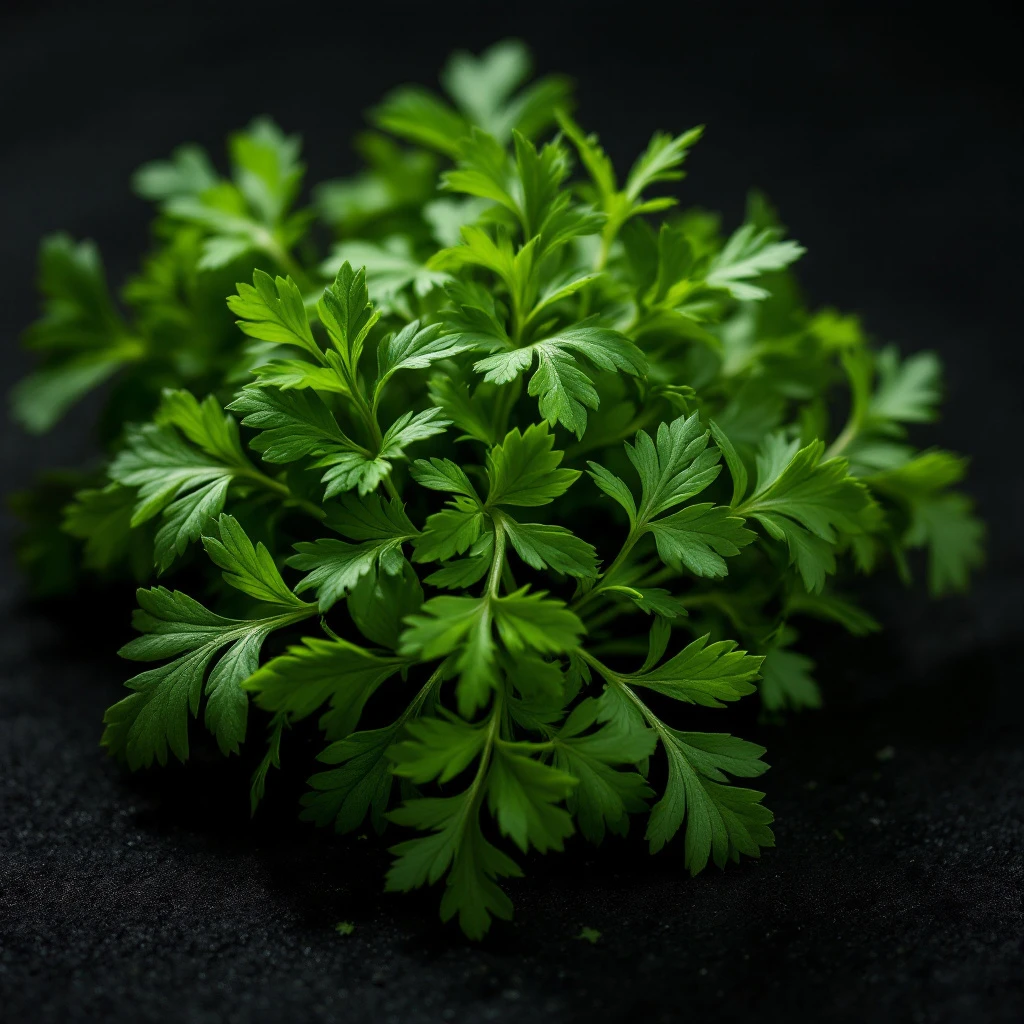
Character
How it smells
The cold spice of the Central Asian steppes
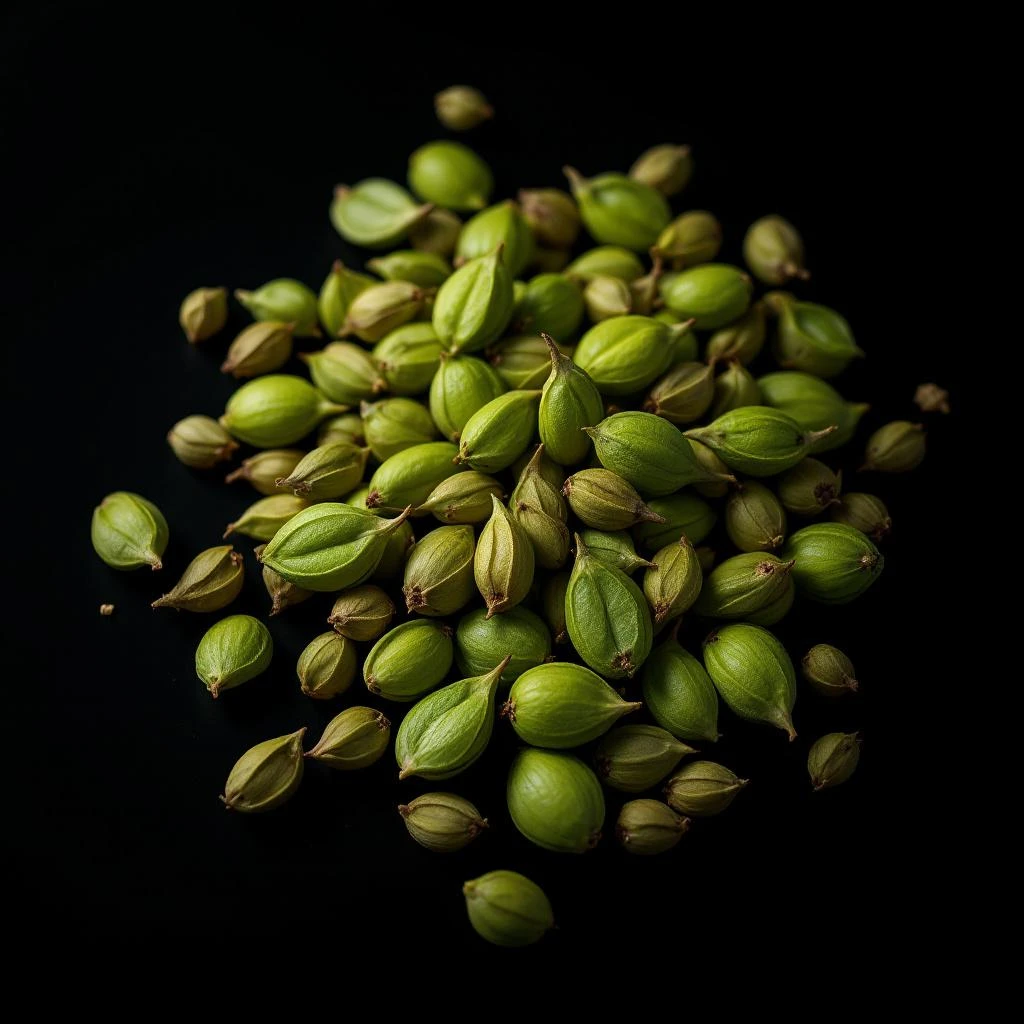
Coriander seeds contain linalool, the same aromatic compound found in lavender, explaining their unexpected floral undertones.




Origin
Mongolia
Coriander has grown wild across the vast grasslands of Central Asia for millennia. Ancient texts document its use among Mongolian nomadic cultures, who prized the herb for both culinary and ceremonial purposes.
The plant traveled extensively along Silk Road trading routes, reaching European markets by medieval times. Charlemagne recognized coriander's value in the 8th century, mandating its cultivation across his empire through the famous Capitulary de Villis.
Mongolian traders served as key intermediaries in spreading coriander seeds westward, establishing cultivation centers throughout Hungary and Russia. The steppe-grown variety developed distinctive characteristics due to extreme temperature variations and mineral-rich soils, producing a coriander with notably pronounced citrus and green facets prized by contemporary perfumers.
Wears it best
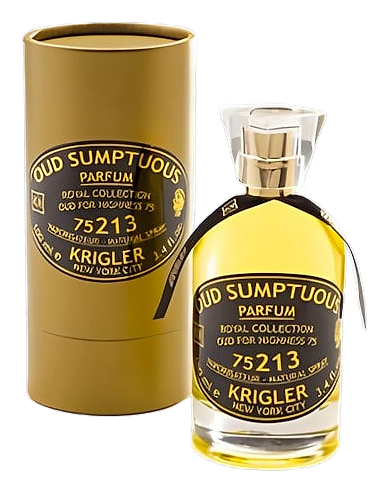
Fragrances featuring Mongolian Coriander
Brands
Brands known for Mongolian Coriander
Good to know
Questions, answered
The essentials on Mongolian Coriander in perfumery: how it smells, where it comes from, and how it behaves on skin.
What does Mongolian coriander smell like in perfume?
Mongolian coriander smells citrusy and green with a distinctive peppery warmth. It functions as a cold spice that bridges fresh and warm fragrance facets.
How is coriander essential oil extracted for perfumery?
Coriander seeds undergo steam distillation, where pressurized steam releases aromatic compounds from dried seeds over several hours at controlled temperatures.
What part of the coriander plant does perfumery use?
Perfumery exclusively uses the dried seeds, which contain the highest concentration of aromatic compounds suitable for fragrance extraction.
Why is Mongolian coriander valued in perfumery?
High-altitude growing conditions and extreme temperature variations produce a coriander variety with particularly pronounced citrus and green characteristics.
What fragrance families use coriander as an ingredient?
Coriander appears frequently in chypre, fougere, and masculine aromatic fragrances, where it adds complexity and bridges top notes with base elements.
How long has coriander been used in perfumery?
Coriander has served as a fragrance ingredient since ancient times, with documented use among Central Asian cultures predating recorded history.
What compounds give coriander its characteristic scent?
Linalool comprises the primary aromatic compound in coriander seeds, supplemented by pinene and other monoterpenes contributing to its citrusy character.
Is coriander considered a top note or heart note in perfumery?
Coriander functions primarily as a heart note, creating olfactory bridges between bright citrus openings and deeper base compositions.