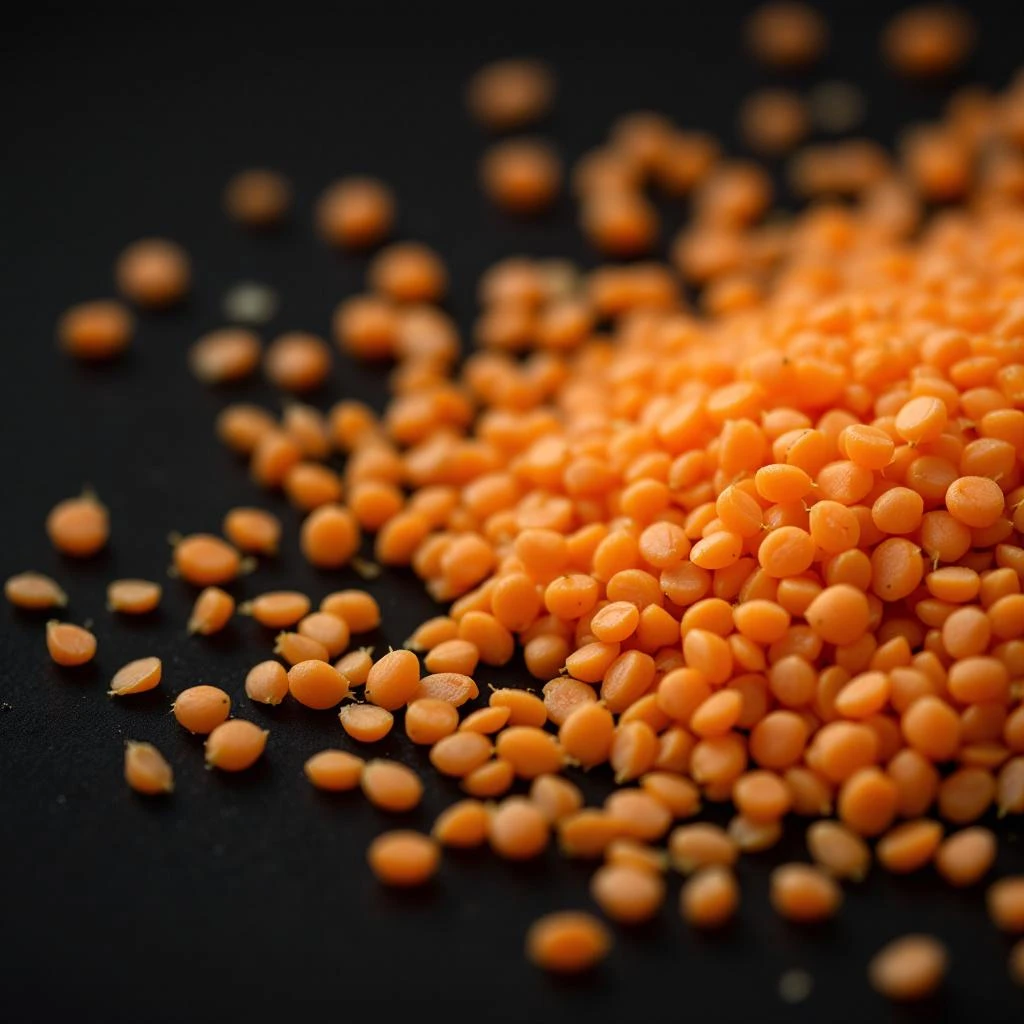
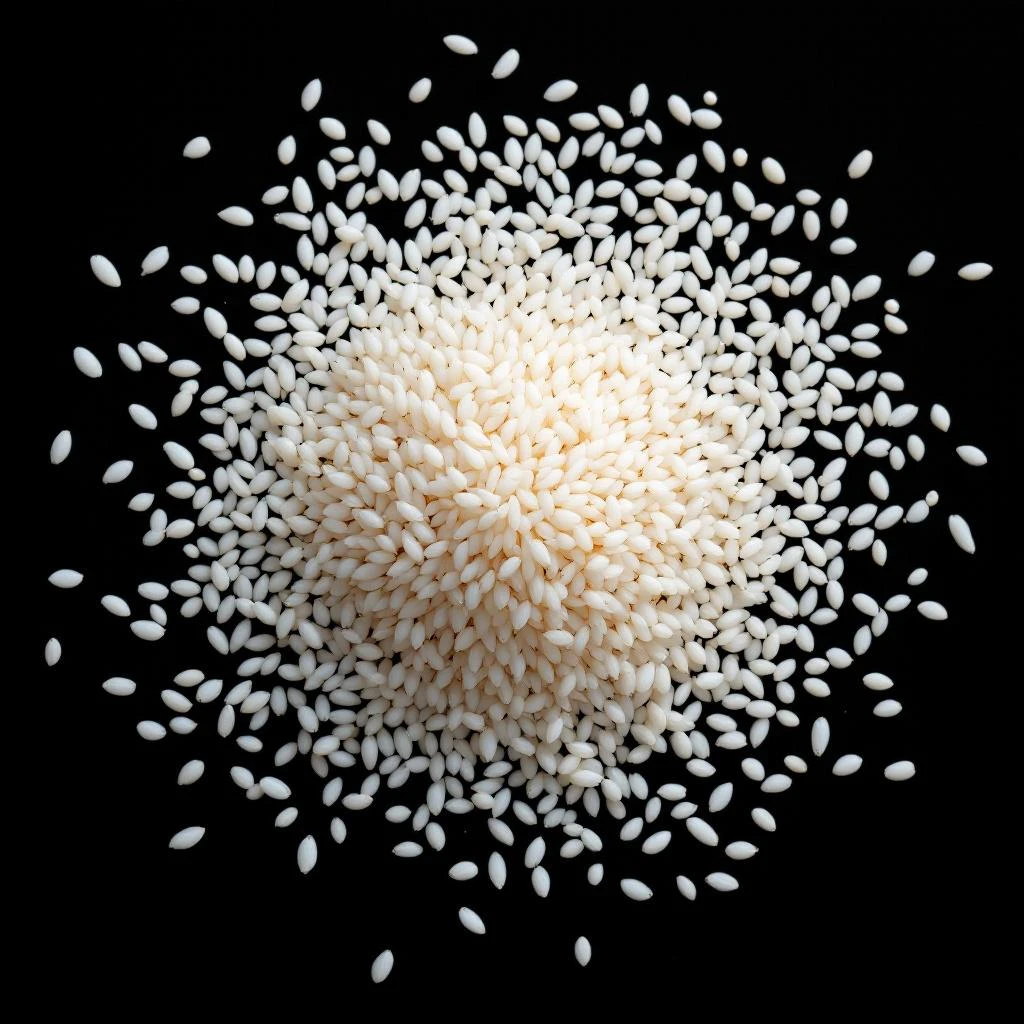
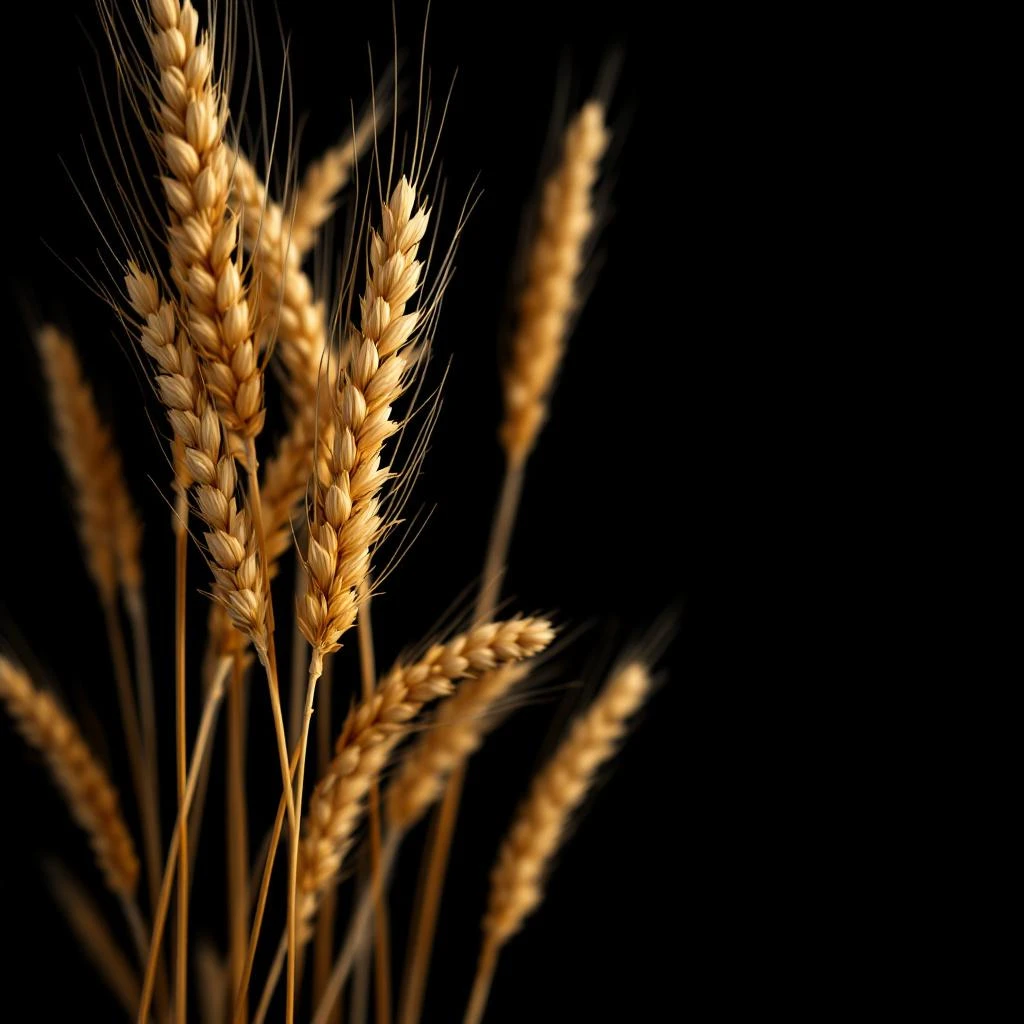
Millet
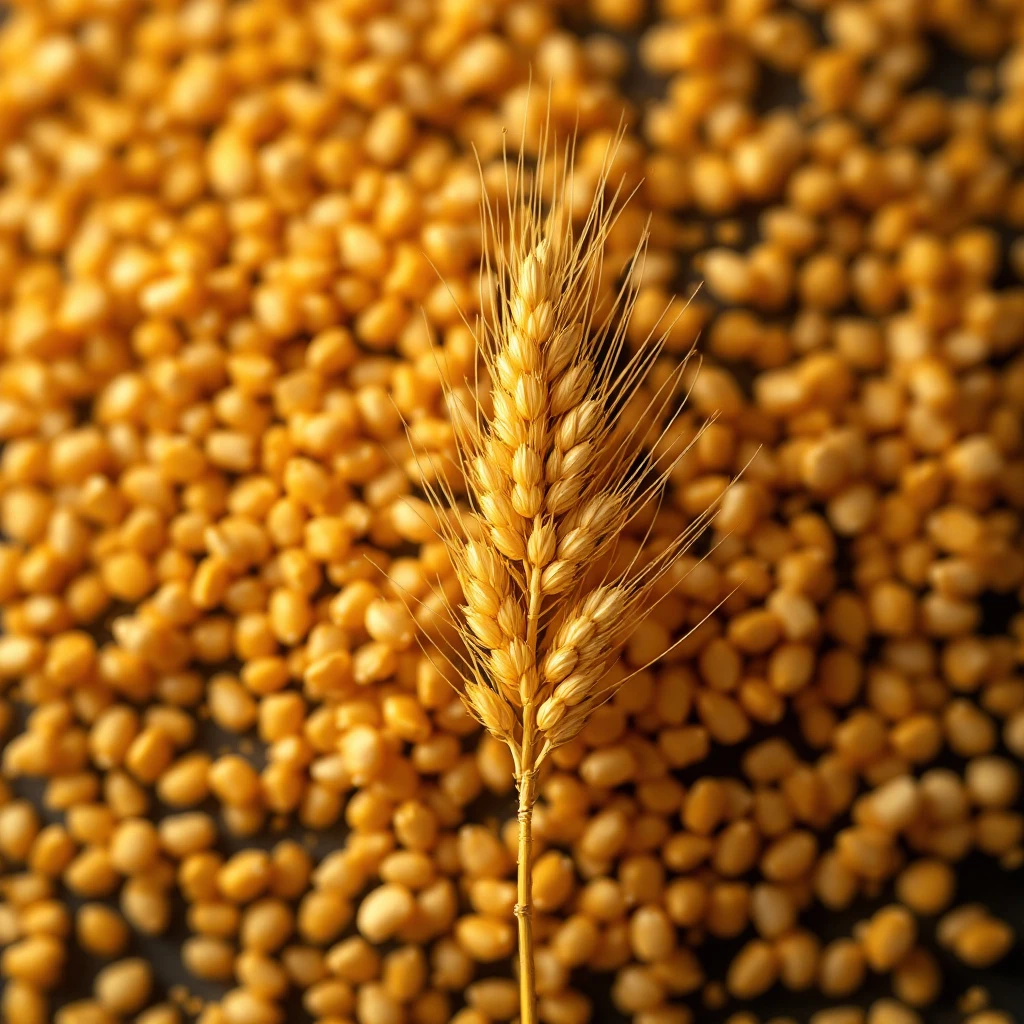
Millet lends warm, cereal-like softness to perfumery, with gentle toasted nuances that round out natural compositions.
Character
How it smells
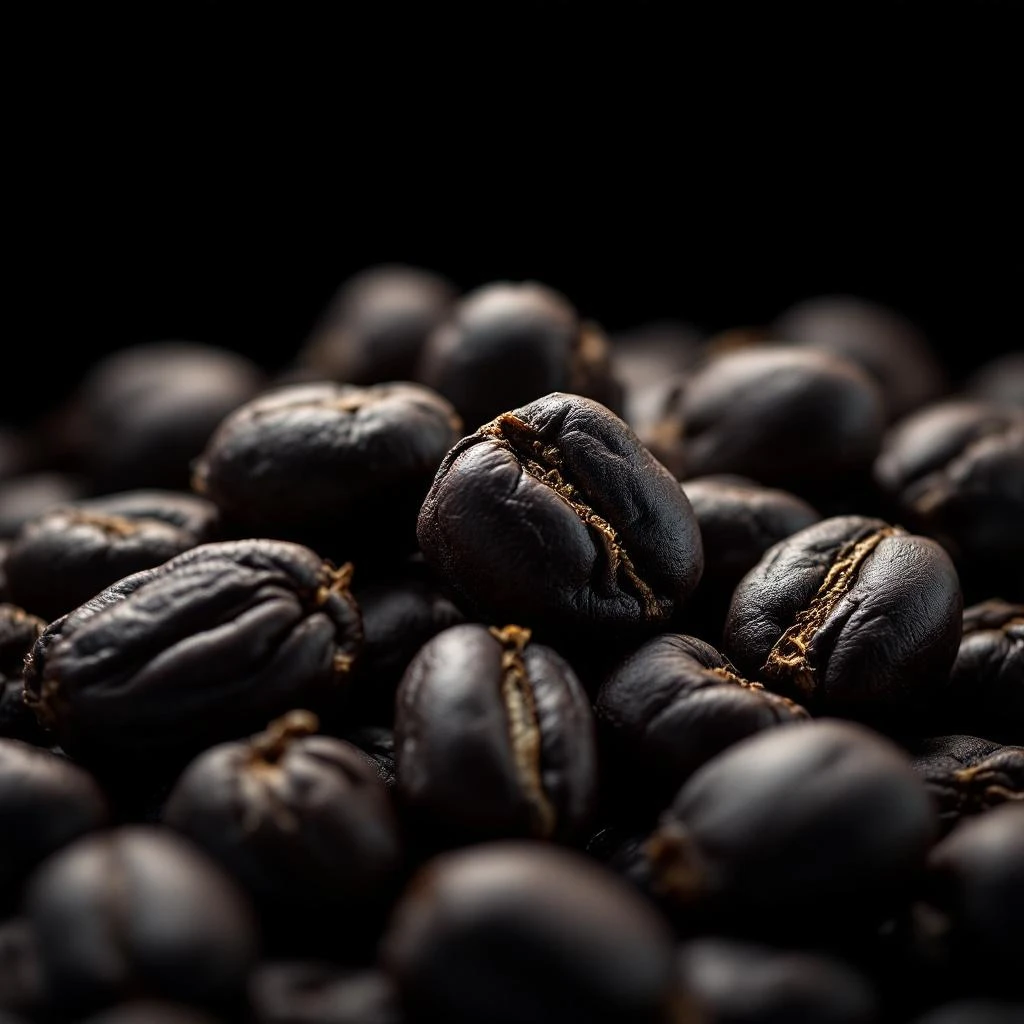
A warm grain note with a quietly toasted character.
Millet is a small-seeded cereal whose name comes from the Latin milium, a word recorded in classical literature.



Origin
China
Millet has a long history as a food crop. The name derives from the Latin milium, used by Roman writers, while archaeological evidence shows that people in Africa and Asia cultivated grain crops thousands of years ago. Millet appears in the historical record as a resilient cereal capable of growing with relatively little water, especially in dry regions.
Its culinary role is well established, but its place in perfumery is recent and interpretive. As modern fragrance became interested in food notes, materials such as rice, oats, bread, popcorn, and grain entered compositions through aroma accords. Millet fits this family by suggesting warmth, nourishment, and a lightly toasted surface.
Its historical importance is agricultural rather than perfumery-based: ancient and traditional food practices supplied the sensory reference from which modern cereal accords were created. Millet should not be confused with an ancient perfume resin or essential oil.
Wears it best
Fragrances featuring Millet
Brands
Brands known for Millet
Good to know
Questions, answered
The essentials on Millet in perfumery: how it smells, where it comes from, and how it behaves on skin.
What does millet smell like in perfume?
Millet usually reads as a warm cereal note with soft, dry, and lightly toasted nuances. It suggests cooked grain more than a fresh plant aroma, making it useful in food-inspired and woody compositions.
Is millet oil used in perfumery?
Millet oil is not a standard fragrance essential oil. Perfumers more often recreate its cooked-grain character with aroma accords and carefully selected food-related materials rather than extracting a concentrated oil from the seed.
Where does millet come from?
Millet has two major centers of origin: Africa, where pearl millet was domesticated, and China, where foxtail millet was domesticated. China remains a major production region and is a practical reference for its agricultural origin.
Why is millet used in fragrance?
Millet adds a mild cereal warmth that can soften sharper floral, spice, and woody notes. Its lightly toasted quality gives food-oriented compositions a believable roasted depth without heavy smoke.
Is millet a natural fragrance ingredient?
It depends on the formulation. Millet-inspired accords may combine natural-derived and synthetic aroma materials, so a label should be checked for the specific ingredients and allergens used.
How is the toasted note in millet created?
Heating millet produces Maillard reactions between reducing sugars and amino acids. These reactions generate nutty, bread-like, and toasted aromas that perfumers reproduce through carefully balanced accords.
Does millet smell stronger than rice?
Millet can suggest a slightly fuller toasted grain profile than plain rice, especially when cooked or browned. The perceived strength still depends on the concentration and materials supporting it in the fragrance.
Can millet be used in autumn fragrances?
Yes. Its warm cereal and toasted nuances fit autumn compositions built around woods, spices, grains, and fruit. It works especially well when the overall effect remains dry rather than sweet.