Feathers
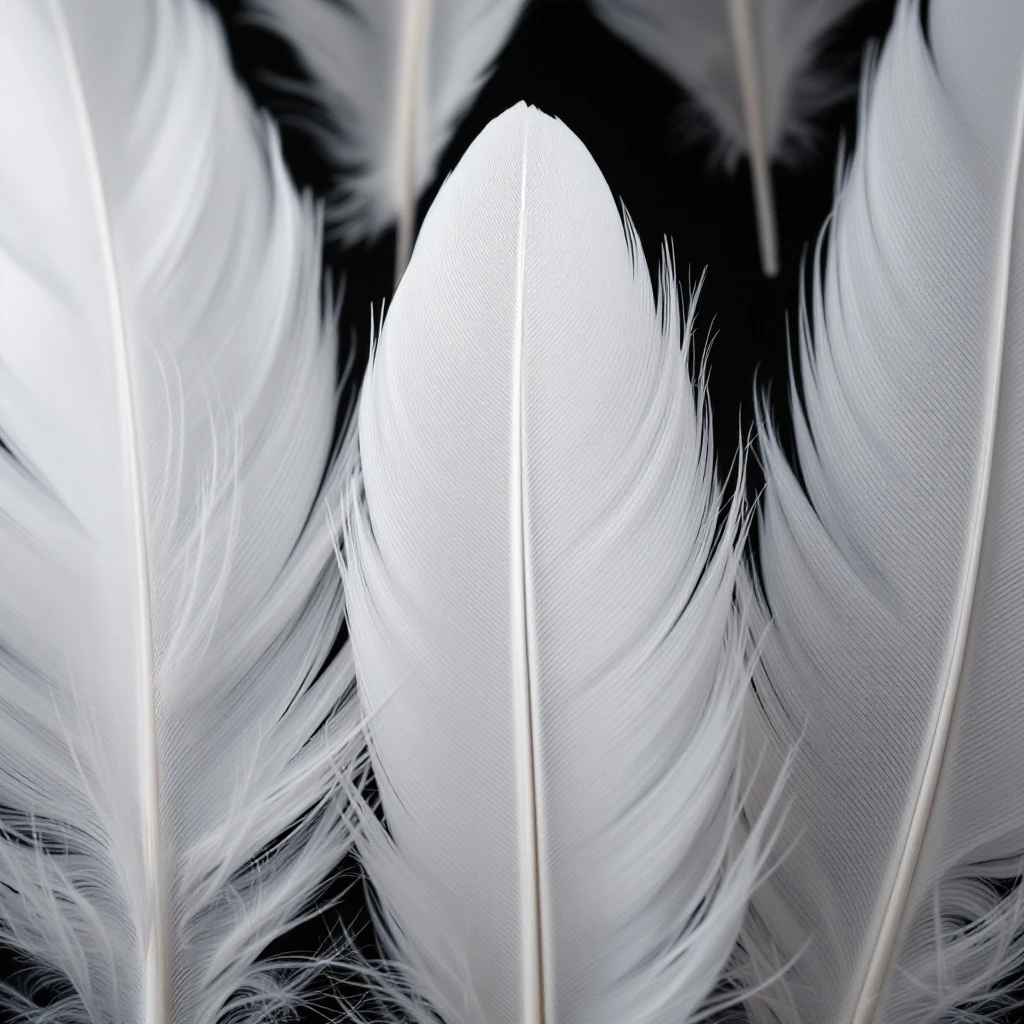
Feathers brings a soft, powdery warmth to fragrance, evoking the airy texture of down and the faint dry scent of a bird's plumage.
Character
How it smells
A soft, downy impression with a clean and quietly wild character.
Feather notes are usually olfactory impressions rather than oils extracted from birds; perfumers recreate them with powdery, musky, and lightly animalic molecules.
Origin
France
The idea of a feather scent belongs to the symbolic language of perfumery, where familiar materials such as powder, skin, smoke, and wood are translated into fragrance impressions. Ancient perfume traditions concentrated on fragrant oils, balms, plant resins, and animal-derived materials, but the modern perfume industry later expanded its vocabulary through synthetic aroma compounds.
This shift allowed perfumers to suggest textures and associations that do not come directly from a single source, including feathers. The effect also appears outside literal bird notes: powdery materials and soft musks can evoke a freshly groomed cloak, while restrained aldehydic and animalic accents can suggest the faint scent of plumage.
Such notes remain interpretive rather than historical extracts. Their significance lies in how perfumery turns observation of the natural world into composition, using materials that may be natural, synthetic, or both to communicate softness, air, warmth, and texture.
Wears it best
Fragrances featuring Feathers
Brands
Brands known for Feathers
Good to know
Questions, answered
The essentials on Feathers in perfumery: how it smells, where it comes from, and how it behaves on skin.
Is feather fragrance made from real bird feathers?
No. Feather fragrance is usually a composed impression built from musks, woods, aldehydes, and other materials that suggest the feel or scent of plumage. It is not normally extracted from actual feathers.
What does a feather note smell like?
It often reads as soft, powdery, and lightly warm, sometimes with a clean or faintly animalic edge. The exact character depends on how the note is blended with surrounding materials.
Is feather a natural or synthetic perfume note?
It can be either. A feather effect may use natural oils and musks alongside synthetic aroma compounds, so labeling it simply as natural or synthetic does not describe the whole construction.
Does a feather note come from one specific ingredient?
No. Perfumers usually build the impression from several components, including powdery woods, soft musks, and subtle animalic or aldehydic accents. No single material defines every feather scent.
Which fragrance families commonly feature feather notes?
Feather effects appear across soft floral, woody, amber, and musky compositions. They work especially well when a fragrance needs a light texture, clean warmth, or an understated plushness.
Can feather notes smell metallic?
Yes. A restrained metallic character can appear when aldehydes, woods, or certain musks are used in a feather composition. The effect ranges from cool and airy to warm and lightly animalic.
Are animal-derived materials required for a feather scent?
No. Most feather impressions rely on modern aroma materials and do not require animal-derived ingredients. Scent preferences and ingredient ethics vary, so checking a formula or brand source remains useful.
When did modern perfumery gain tools for creating feather impressions?
Modern perfumery developed many new aroma compounds from the late nineteenth century onward. These materials gave perfumers greater control over subtle textures such as powder, skin, and feather.