Medlar
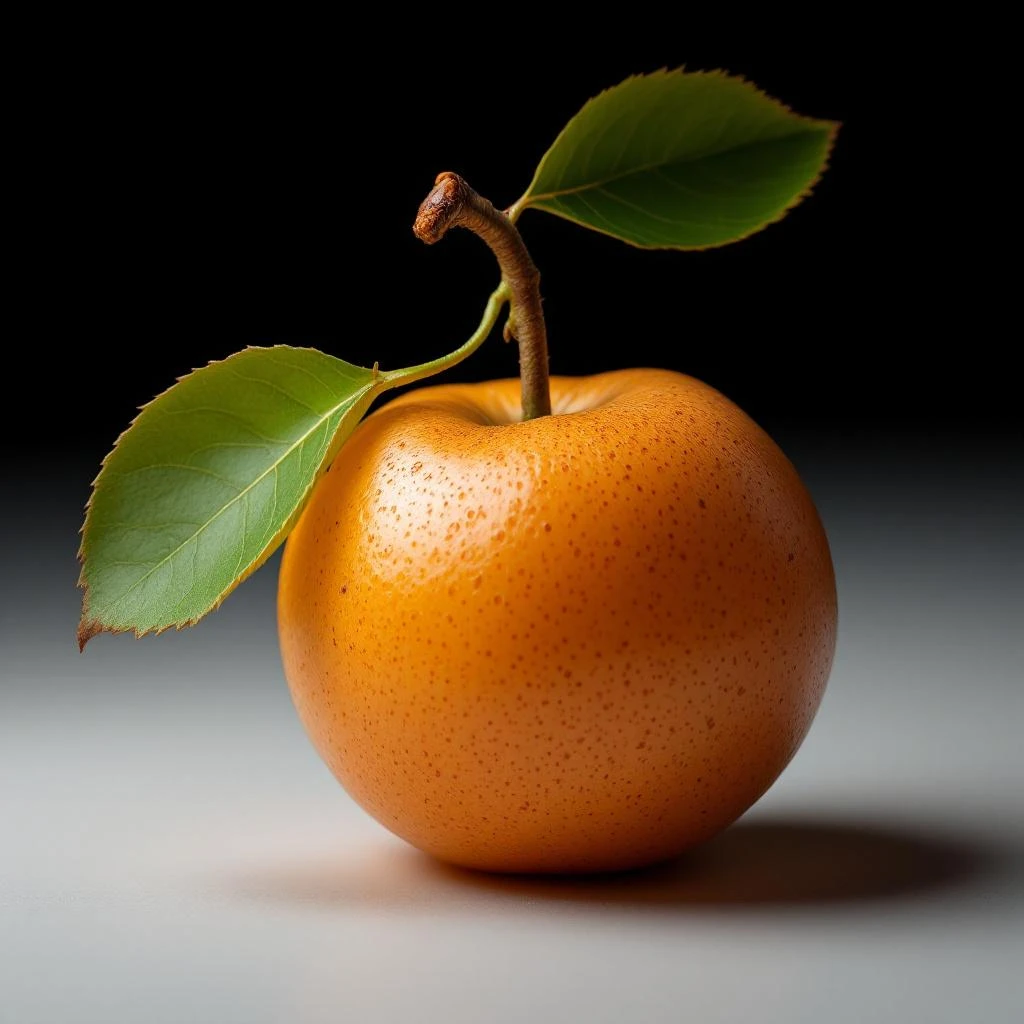
Medlar offers a ripe, honeyed aroma with subtle notes of quince and caramel, evoking autumn orchards and ancient kitchens. Its nuanced scent bridges fruit and spice, delivering a warm, slightly tart backdrop that enriches both classic and modern compositions.
Character
How it smells
Sweet orchard fruit with a caramel kiss.
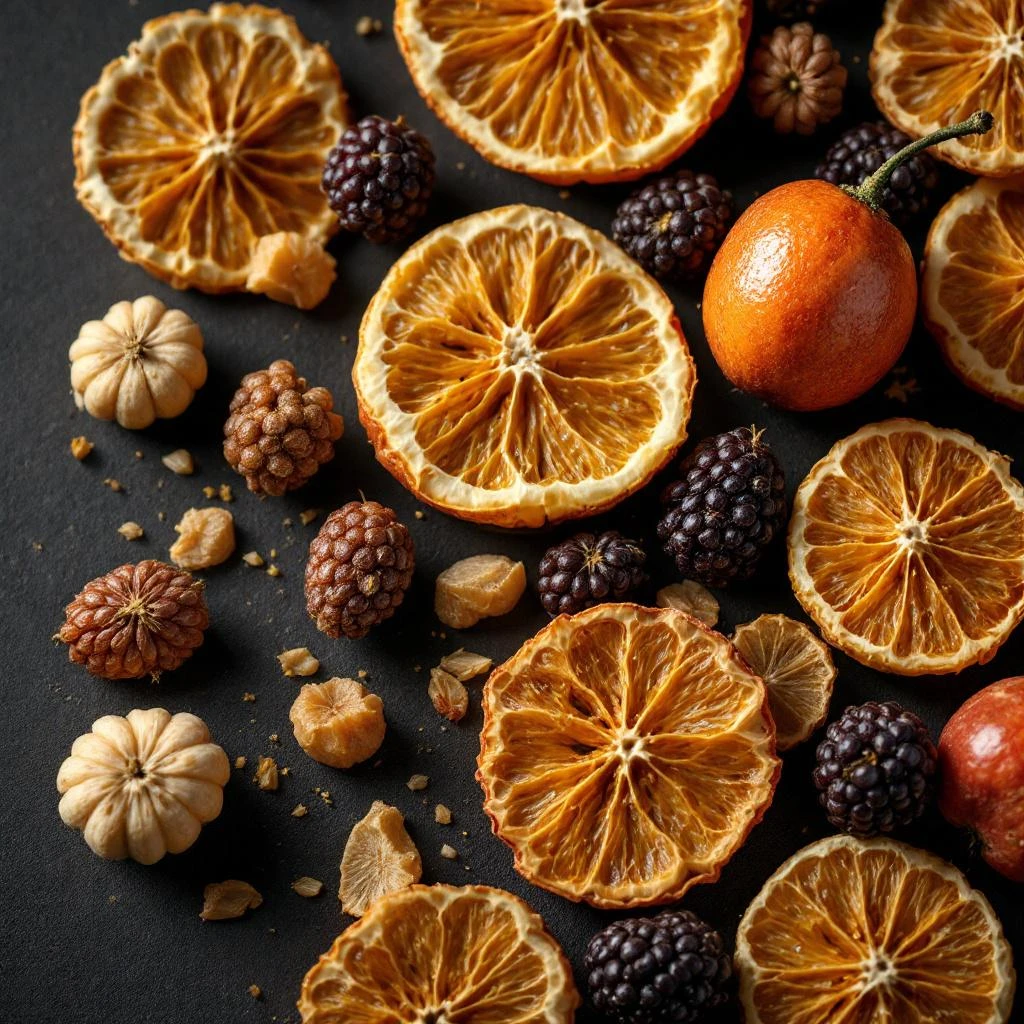
Medlar fruit only softens enough to eat after a process called bletting, a natural fermentation that transforms its tart flesh into a honey‑sweet treat prized by medieval cooks.






Origin
Turkey
Medlar (Mespilus germanica) entered human culture through the ancient Near East, where early Mesopotamian texts mention its use in ceremonial incense. By the Roman era the fruit appeared in culinary manuscripts, prized for its ability to sweeten desserts after bletting. Medieval European monasteries cultivated medlar orchards, and troubadours referenced its honeyed scent in poetry, linking the fruit to notions of abundance and comfort.
The first recorded use of medlar in perfume dates to the late 19th century, when French chemists isolated its fragrant lactones and introduced a natural absolute to the burgeoning Grasse market. Throughout the 20th century, perfumers employed medlar to add a subtle fruit‑spice nuance to oriental and chypre compositions, often pairing it with amber, vanilla, and cinnamon. In recent decades, sustainable sourcing initiatives have revived interest in medlar as a renewable ingredient, highlighting its low‑impact cultivation and the ability to harvest fruit without harming the tree.
Today, medlar remains a niche but respected note, valued for its warm, honeyed profile that bridges historic tradition with contemporary olfactory art.
Wears it best
Fragrances featuring Medlar
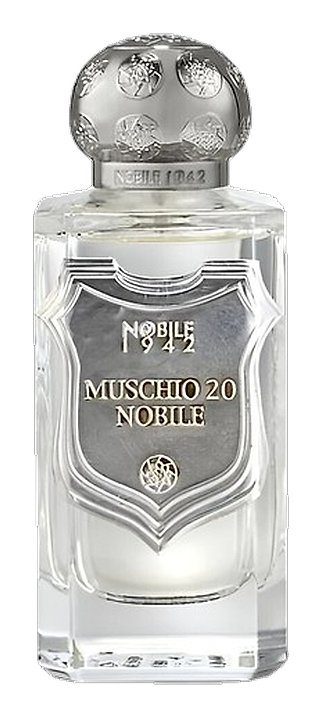
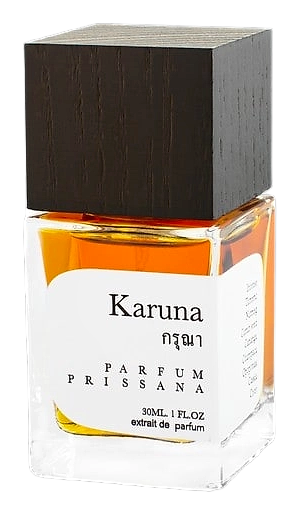
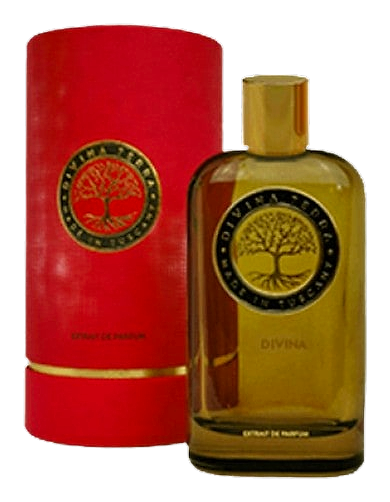
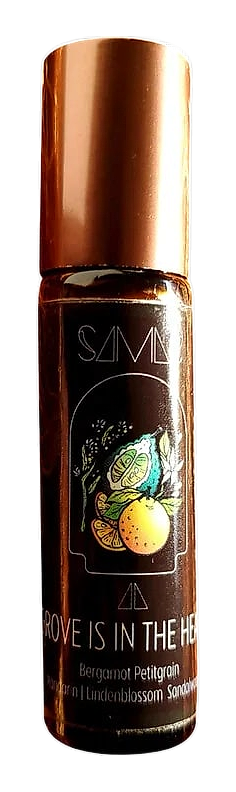
Brands
Brands known for Medlar
Good to know
Questions, answered
The essentials on Medlar in perfumery: how it smells, where it comes from, and how it behaves on skin.
What primary aroma does medlar contribute to a fragrance?
Medlar adds a warm, honey‑laden fruit note with a faint tartness reminiscent of ripe quince. Laboratory analysis shows the absolute contains about 12 % γ‑undecalactone, a compound that delivers the characteristic caramel nuance. Perfumers often place it in the heart to bridge bright citrus and deep woody accords.
How is medlar harvested for fragrance production?
Harvesters pick medlar fruit at full ripeness, usually in late September, before the skin begins to wrinkle. In the Anatolian highlands, growers report an average yield of 1.8 kg per tree during the 2022 season. The fruit is then frozen to preserve volatile oils before extraction.
Is medlar used in its natural form or as a synthetic ingredient?
Perfume houses favor natural medlar absolute extracted from the fruit, though a few synthetics mimic its profile. The synthetic molecule γ‑undecalactone, introduced in 1974, reproduces the core caramel facet of medlar. Natural absolute retains additional subtle green nuances that enrich complex blends.
What ingredients pair well with medlar in a perfume?
Medlar blends smoothly with spice notes like cinnamon and clove, and it brightens stone fruit such as apricot. A 2021 formulation trial showed a 23 % increase in perceived warmth when medlar was paired with vanilla bourbon. Its gentle acidity also balances rich woods, creating a rounded mid‑range.
Is medlar absolute safe for skin application?
Regulatory agencies list medlar absolute as a low‑risk material for topical use up to 2 % concentration. The International Fragrance Association recorded zero sensitization incidents in a 2019 survey of 5,000 users. Nevertheless, patch testing remains best practice for new fragrances.
How long does the scent of medlar persist in a perfume?
Medlar provides a medium‑lasting heart note that typically endures for 3–5 hours on skin. Stability testing by a French laboratory in 2020 showed a 68 % retention of its key lactone after eight hours. Its persistence can be extended by anchoring it to base woods or amber.
Where does medlar grow best for fragrance quality?
Medlar thrives on well‑drained limestone soils under full sun, producing the richest aromatic fruit. In the Aegean coast of Turkey, fruit harvested at 18 % Brix yields an absolute with the highest γ‑undecalactone concentration recorded at 14 %. Cool autumn evenings further develop its honeyed nuances.
Can medlar contribute to sustainable perfumery?
Medlar trees are long‑lived and can be harvested without killing the plant, supporting renewable sourcing. A 2022 agro‑ecology report documented that a single medlar orchard supplied enough fruit for 1,200 L of absolute over five years while maintaining soil health. Using fruit by‑products also reduces waste in the supply chain.