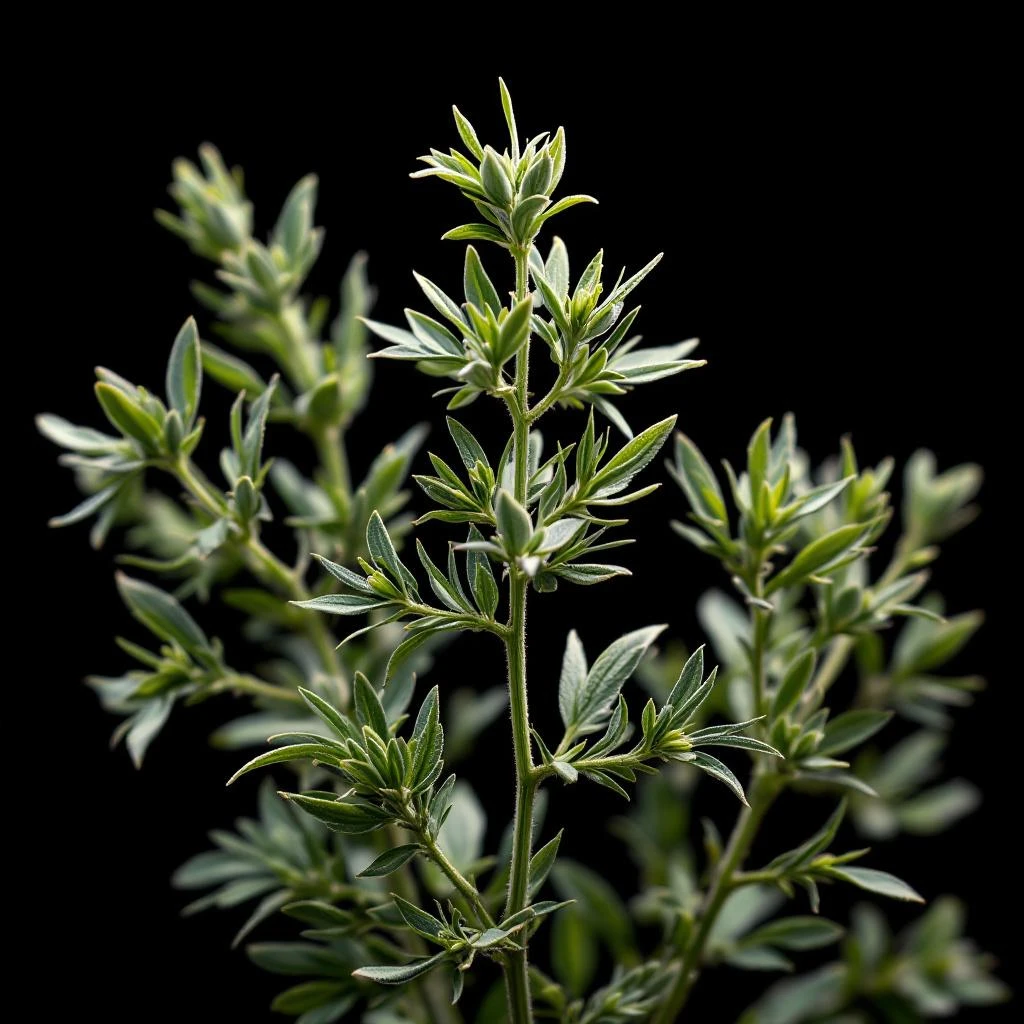
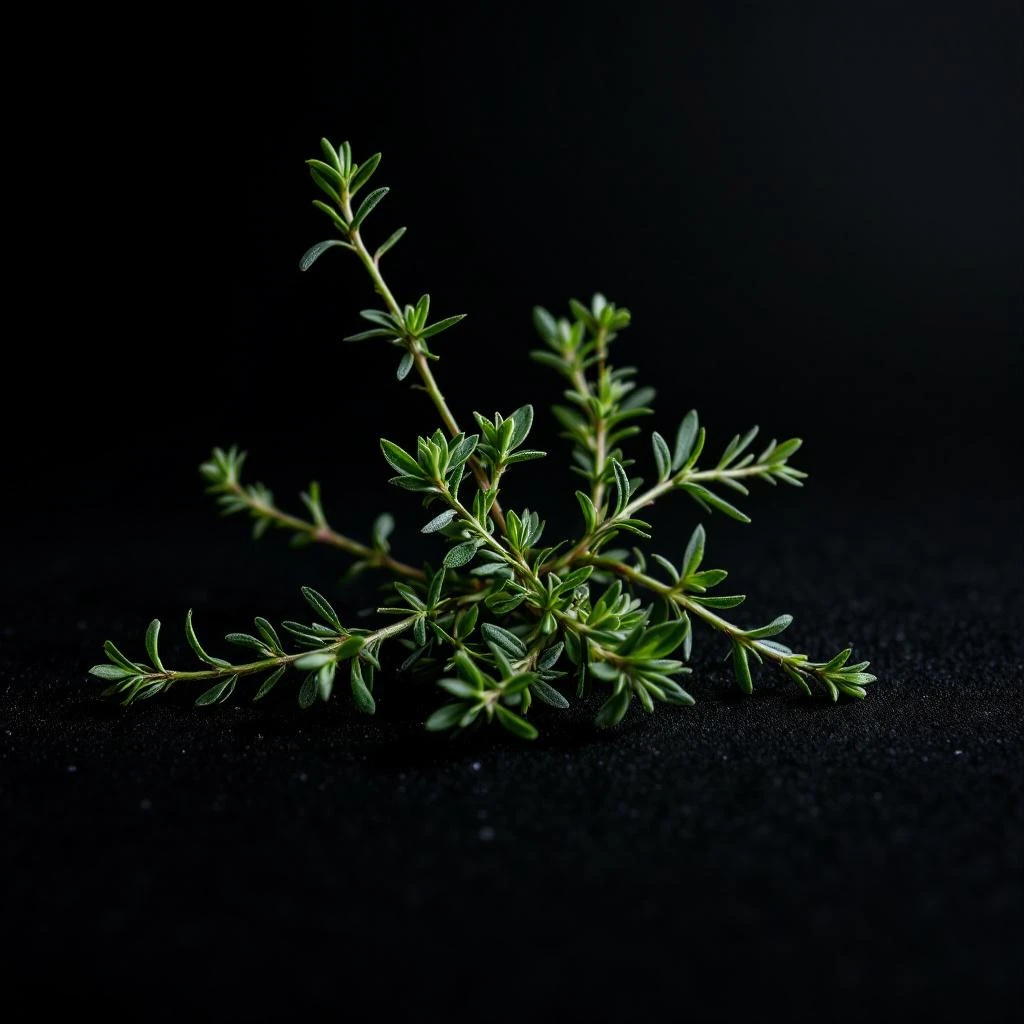
Mediterranean Red Thyme
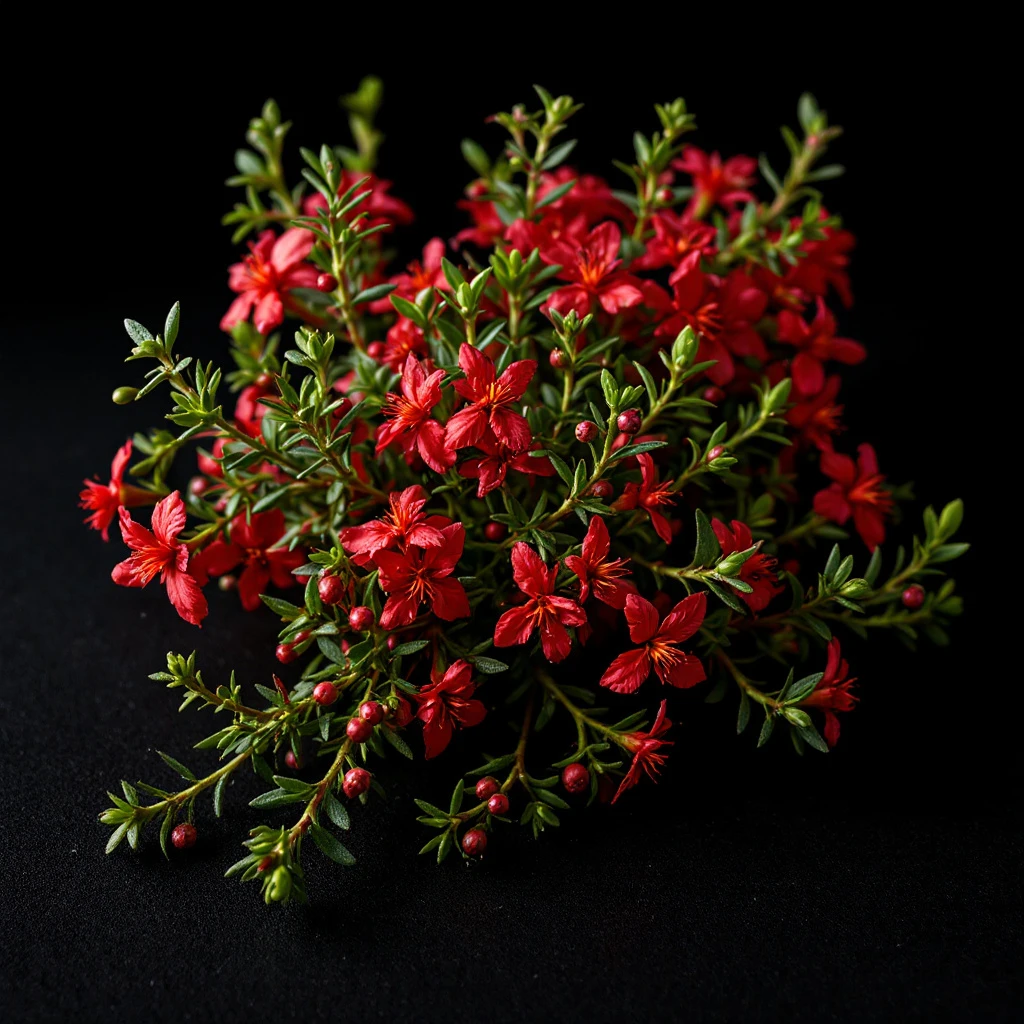
A wild, sun-drenched herb from Mediterranean scrublands. Mediterranean Red Thyme delivers a sharp, herbaceous character with warm, spicy undertones that ground and energize fragrances.
Character
How it smells
Wild herbs from sun-baked Mediterranean hillsides.
Thyme takes its name from the Greek word for 'to fumigate' because ancient Greeks burned it as powerful incense.




Origin
Spain
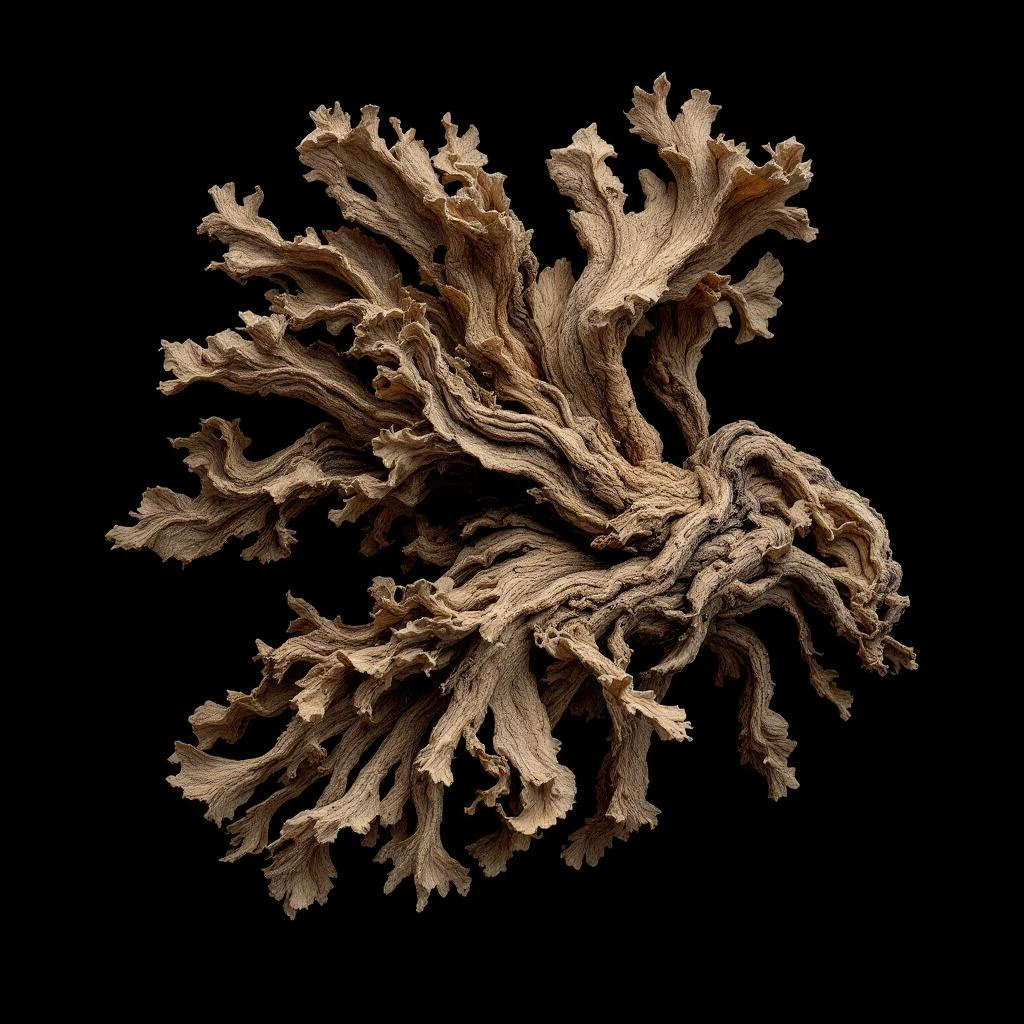
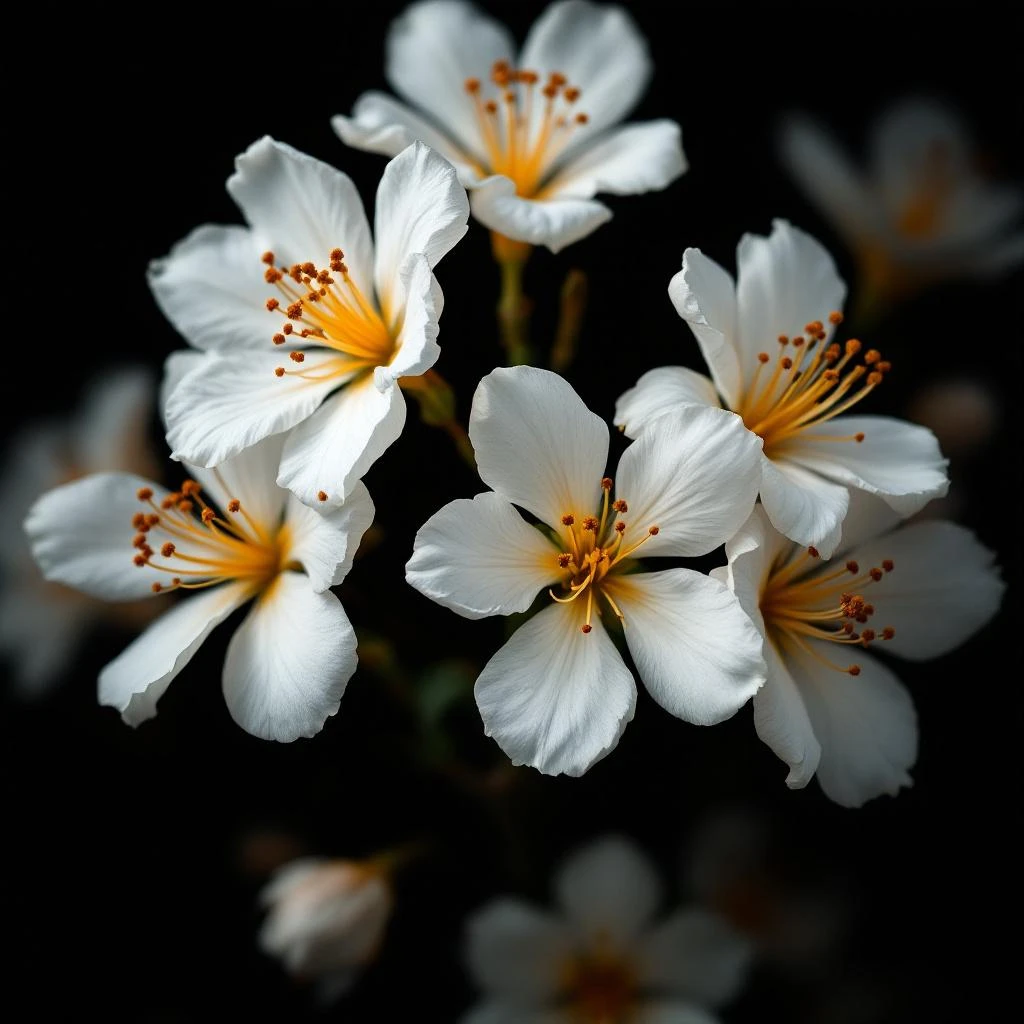
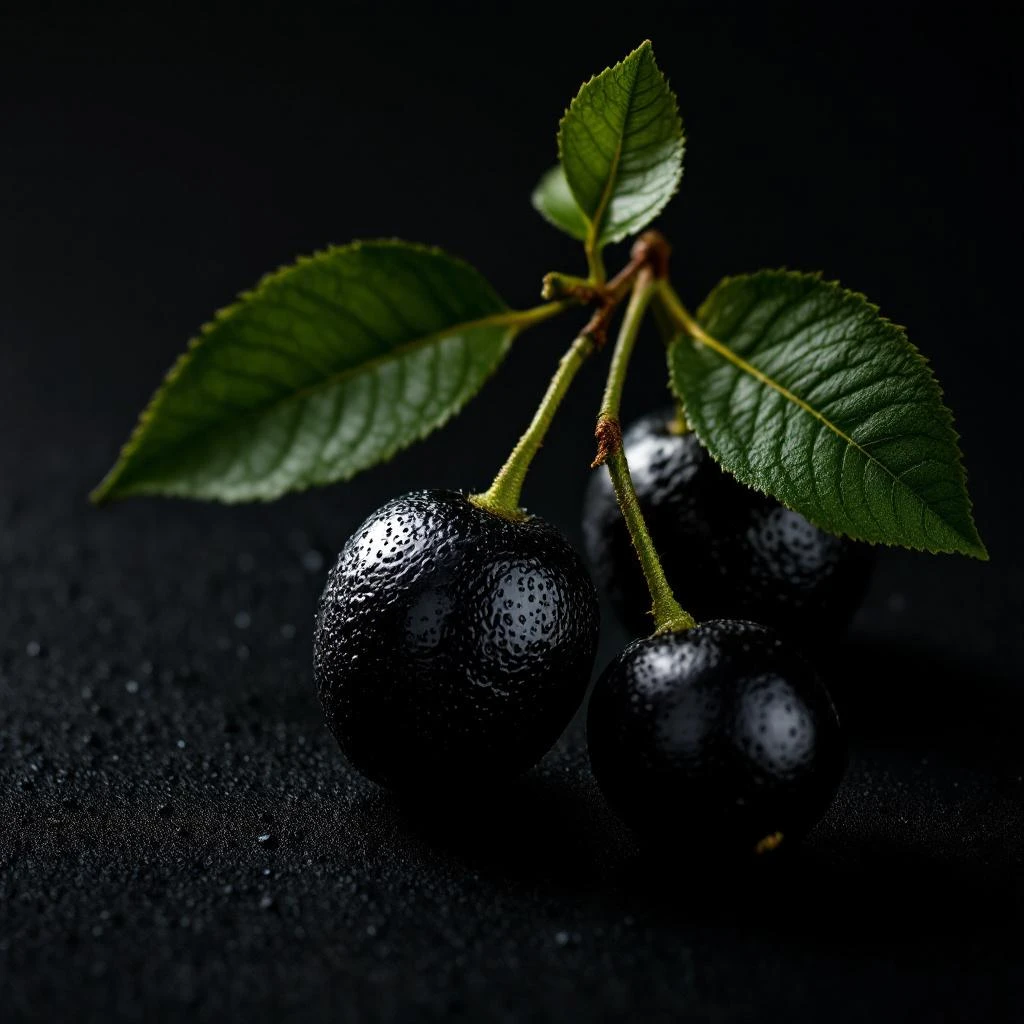
Thyme has woven through Mediterranean civilizations for millennia. Ancient Egyptians incorporated aromatic thyme oils into cosmetics and ointments as early as 4500 BCE. The Greeks elevated it to sacred status, burning thyme as incense in temples and deriving its name from thymon, meaning to fumigate.
Roman soldiers bathed in thyme-infused water before battle for courage and strength. Medieval herbalists prescribed thyme for respiratory ailments and protective charm-making. Mediterranean trade routes carried thyme alongside frankincense, myrrh, and other aromatics between Arabia, North Africa, and Europe, creating the foundation for modern perfumery.
The Cypriot perfume factory at Pyrgos, dating to around 2000 BCE, represents one of the earliest known centers where herbs like thyme were processed into scented preparations. Today, Spanish red thyme remains prized among perfumers for its warm, herbaceous complexity.
Wears it best
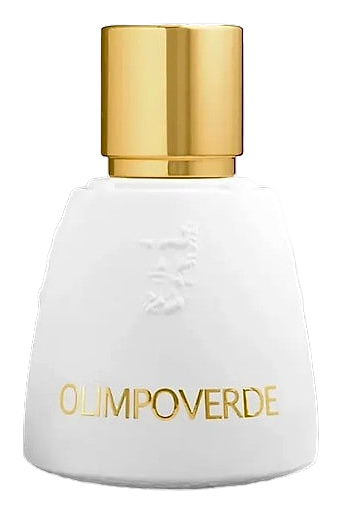
Fragrances featuring Mediterranean Red Thyme
Brands
Brands known for Mediterranean Red Thyme
Good to know
Questions, answered
The essentials on Mediterranean Red Thyme in perfumery: how it smells, where it comes from, and how it behaves on skin.
What is Mediterranean Red Thyme in perfumery?
Mediterranean Red Thyme is an essential oil steam-distilled from Thymus zygis, a thyme species native to dry, sunny Mediterranean regions. In fine fragrance, it adds a warm, herbaceous character with spicy, slightly medicinal depth.
What does Red Thyme smell like?
Red Thyme oil has a sharp, herbaceous opening that transitions into warm, spicy undertones with a faintly medicinal quality. It reads as both energizing and grounding in a fragrance composition.
How is Red Thyme different from common thyme?
Red Thyme specifically refers to Thymus zygis, often from Spanish origin, while common thyme comes from Thymus vulgaris. Red Thyme oil typically has a higher thymol content, producing a warmer, more complex aromatic profile preferred in perfumery.
What fragrance families pair well with Red Thyme?
Red Thyme works naturally with citrus, herbal, fougere, and woody compositions. It also blends well with lavender, rosemary, and conifer notes, adding depth and an aromatic green lift.
What is the historical significance of thyme in fragrance?
The Greeks named thyme from thymon, meaning to fumigate, and burned it as incense in temples. Egyptians used thyme oils in cosmetics from 4500 BCE. These ancient practices laid groundwork for Mediterranean perfumery traditions.
Can Red Thyme be used as a focal ingredient in a fragrance?
Yes, Red Thyme functions effectively as a top or heart note in herbal and aromatic fragrances. It performs best when diluted to 5-15% in a blend, where its warmth balances without overwhelming other components.
Where does Red Thyme oil originate?
Primary production centers include Spain, Morocco, and southern France. Spanish Red Thyme, sometimes sourced through initiatives like Zalabí, represents technically modern and regulatory-compliant Mediterranean production.
How should Red Thyme oil be stored?
Store in a tightly sealed dark glass bottle away from heat and light. Cool, dark storage preserves its aromatic potency and extends shelf life significantly.