Mediterranean Grapefruit
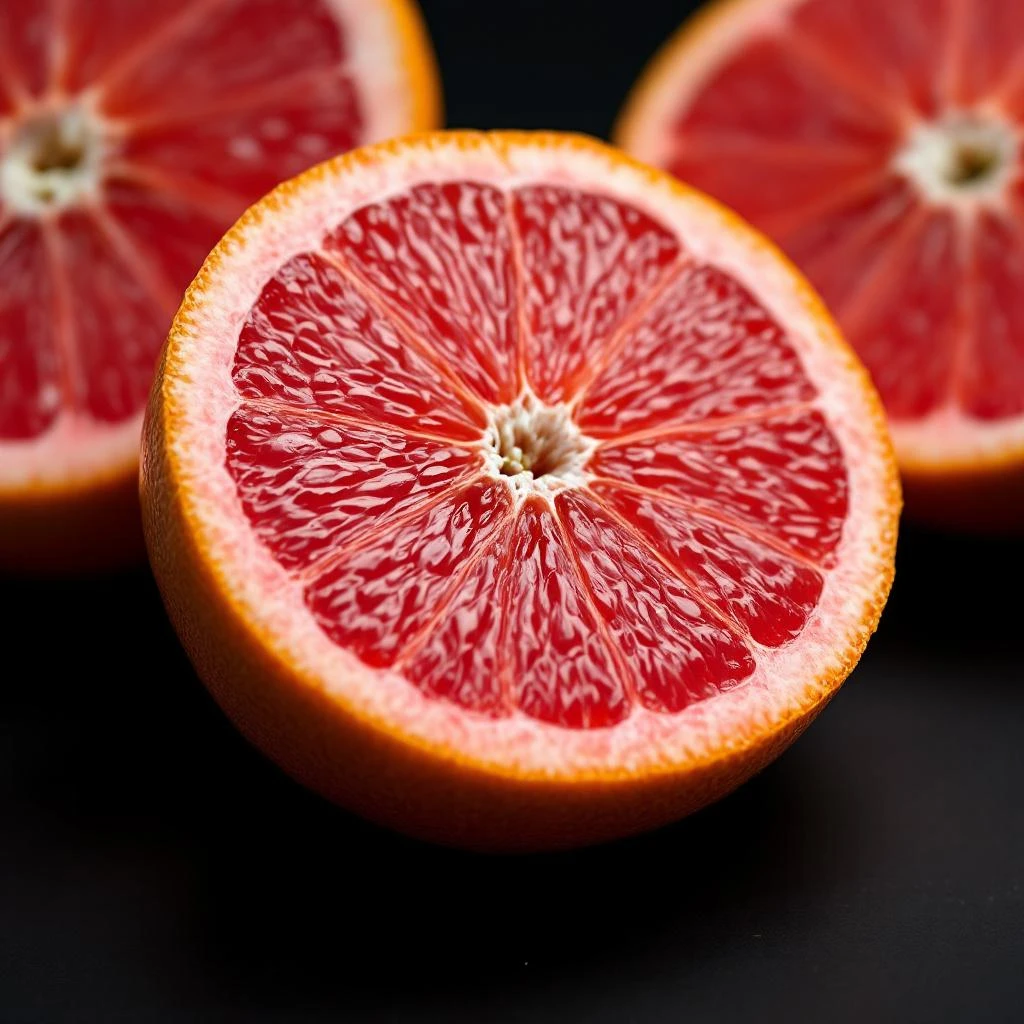
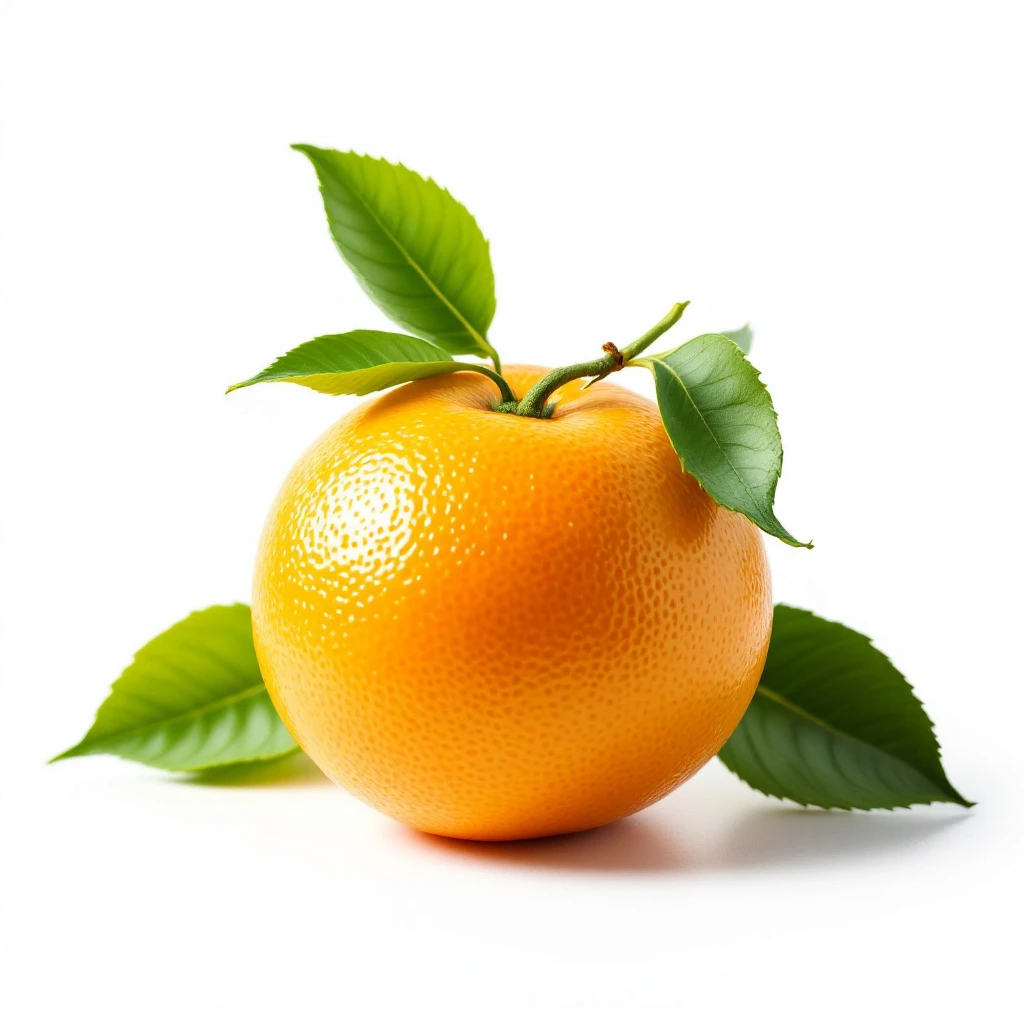
A bright, sun-drenched citrus note with a bittersweet edge. Mediterranean Grapefruit captures the fruit's vibrant energy and the complexity of its dual character—sharp and refreshing on first encounter, with a softly floral undertone that lingers.
Character
How it smells
Bitter brightness. Sunlit clarity.
Grapefruit didn't exist until the 18th century. First documented in Barbados in 1750, it is a natural hybrid of sweet orange and pomelo.





Origin
Barbados
Grapefruit is a young species in botanical terms. Rev. Griffith Hughes first documented it in Barbados around 1750, describing a fruit that had likely arisen as a natural hybrid between sweet orange and pomelo. The name references the fruit's growth habit, where it clusters on branches like grapes.
The species spread gradually through the Caribbean before reaching Florida and Texas in the 19th century. Commercial cultivation expanded across these regions, establishing the fruit as a significant agricultural crop.
The breakthrough for perfumery came in 1933, when Florida produced its first batches of grapefruit essential oil via cold pressing. This milestone supplied the growing perfume industry with a new citrus material that offered something distinct from established ingredients like lemon and bergamot.
Grapefruit brought a characteristic bitter note to perfumery, adding complexity to bright citrus compositions. Natural grapefruit oil proved challenging to work with—it evaporates quickly and can degrade under certain conditions—but perfumers found ways to incorporate it effectively, creating fresh, vibrant fragrances that captured the fruit's energetic spirit.
Wears it best
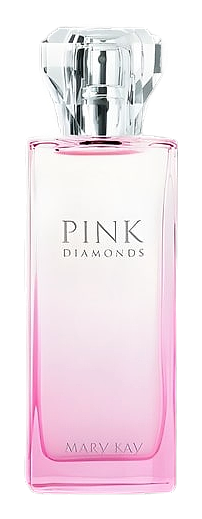
Fragrances featuring Mediterranean Grapefruit
Brands
Brands known for Mediterranean Grapefruit
Good to know
Questions, answered
The essentials on Mediterranean Grapefruit in perfumery: how it smells, where it comes from, and how it behaves on skin.
How is Mediterranean Grapefruit oil extracted?
Cold pressing extracts the oil directly from the fruit peel using mechanical pressure. No heat is applied, which preserves the fresh, volatile aromatic compounds responsible for the characteristic bright citrus scent.
Where does most grapefruit essential oil come from?
Florida and Mediterranean regions including Spain and Italy produce the majority of commercial grapefruit oil. Florida pioneered large-scale extraction in 1933, while Mediterranean climates yield fruit prized for balanced aromatic complexity.
When did grapefruit become a perfumery ingredient?
Grapefruit entered perfumery in the 1930s following the first commercial cold pressing in Florida in 1933. Before this, perfumers relied on lemon, bergamot, and other established citrus materials.
What gives grapefruit its distinctive bitter scent?
Nootkatone is the primary compound responsible for grapefruit's characteristic aroma. Limonene contributes the bright citrus character, while trace sulfur compounds add the distinctive bitter nuance that sets it apart from other citrus notes.
Is grapefruit oil natural or synthetic?
Both natural and synthetic forms exist. Natural grapefruit oil comes from cold pressing the peel, while synthetic versions like nootkatone reproduce key aroma compounds. Many modern fragrances use a combination for consistency and performance.
What does Mediterranean Grapefruit smell like?
The scent opens with sharp, tangy citrus brightness followed by a subtle sweetness and faint floral undertone. The characteristic bitter note appears in the dry-down, creating a complex, recognizable grapefruit aroma.
Does grapefruit oil cause photosensitivity?
Unlike some citrus oils, grapefruit oil is not considered significantly phototoxic when properly diluted in finished fragrances. Always follow IFRA guidelines for safe usage concentrations in skin products.
How long does grapefruit oil last in fragrance?
As a top note, grapefruit oil typically persists for 2-4 hours on skin. The volatile citrus compounds evaporate relatively quickly, which is why perfumers often pair them with fixatives to extend their presence.