Mediterranean Basil
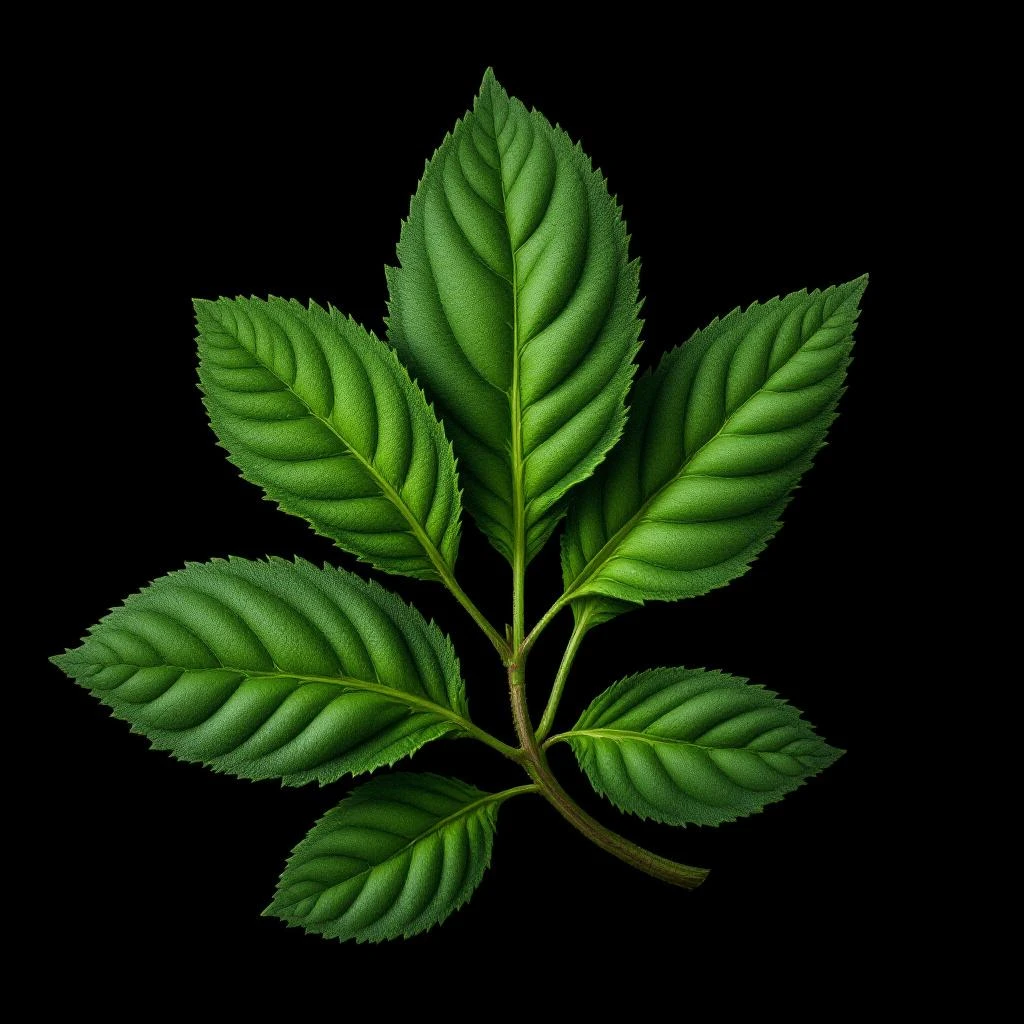
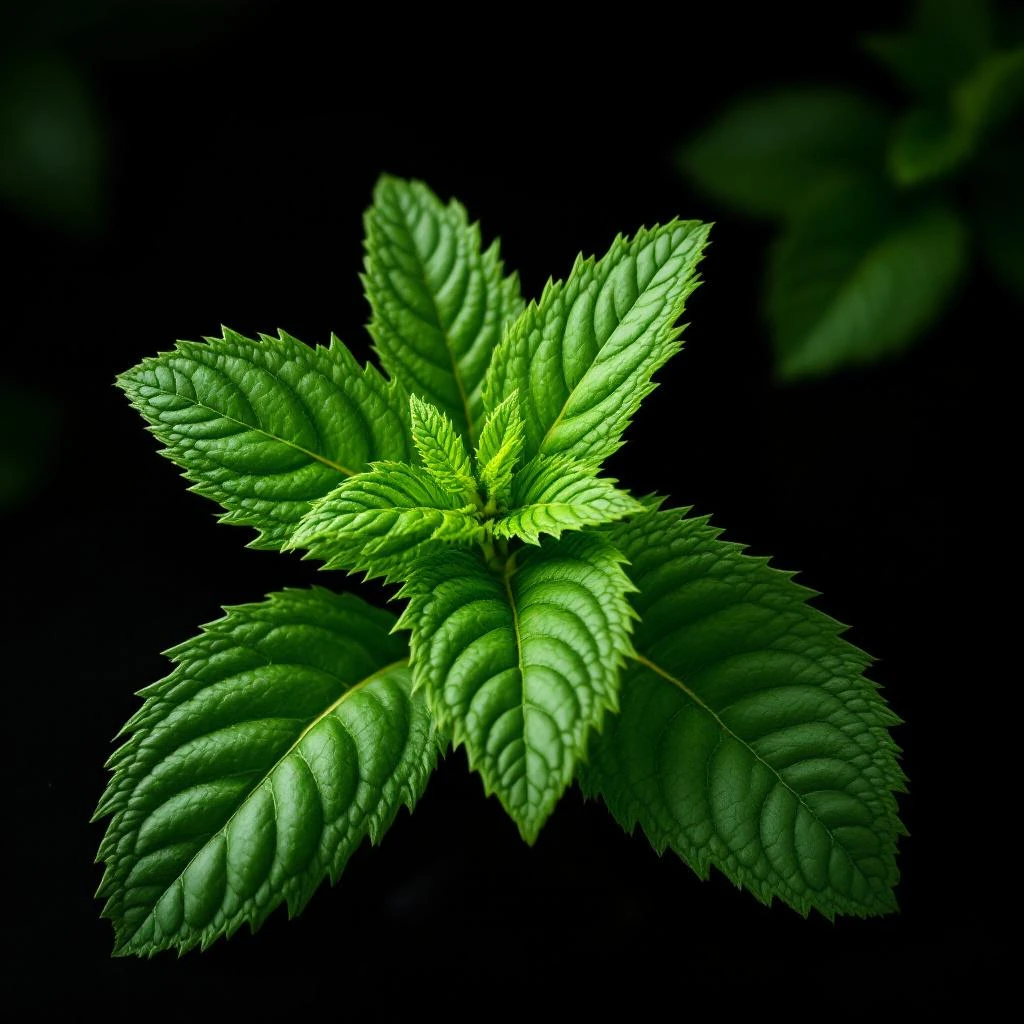
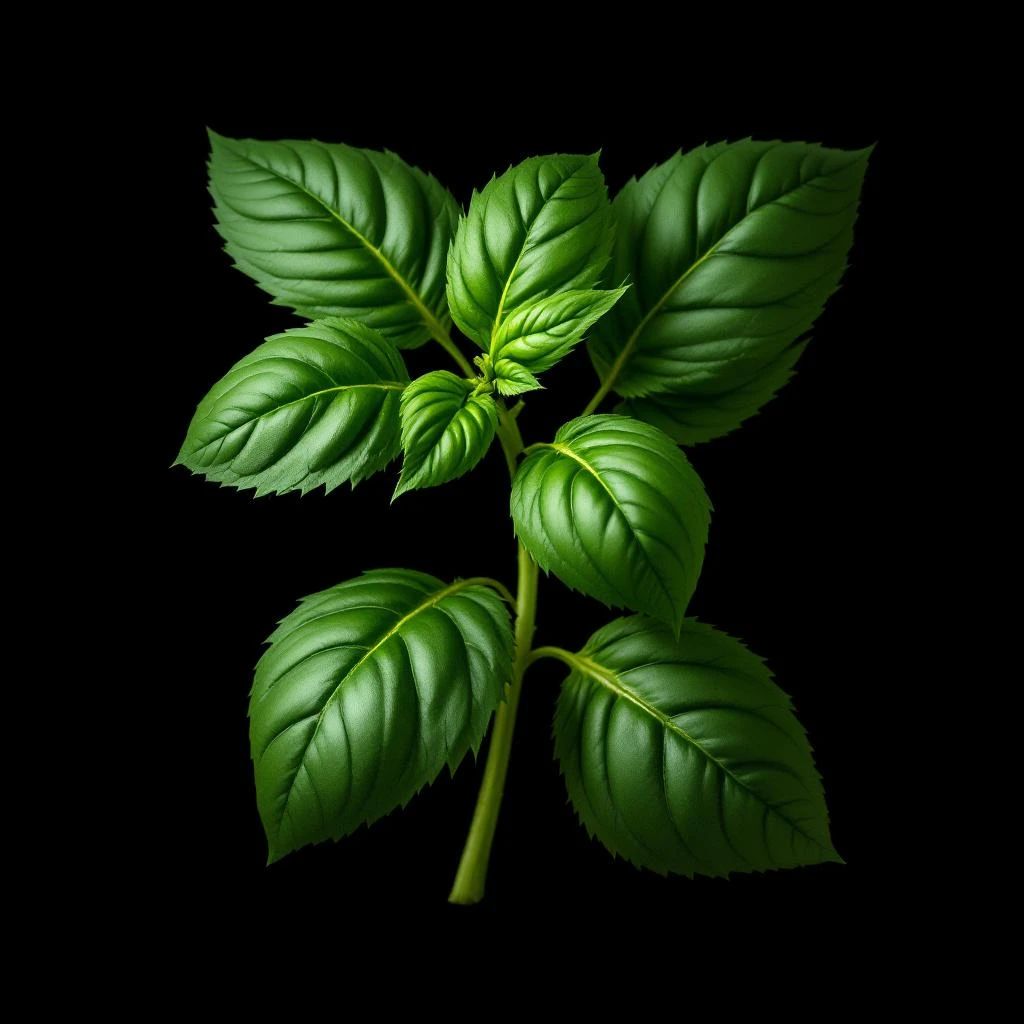
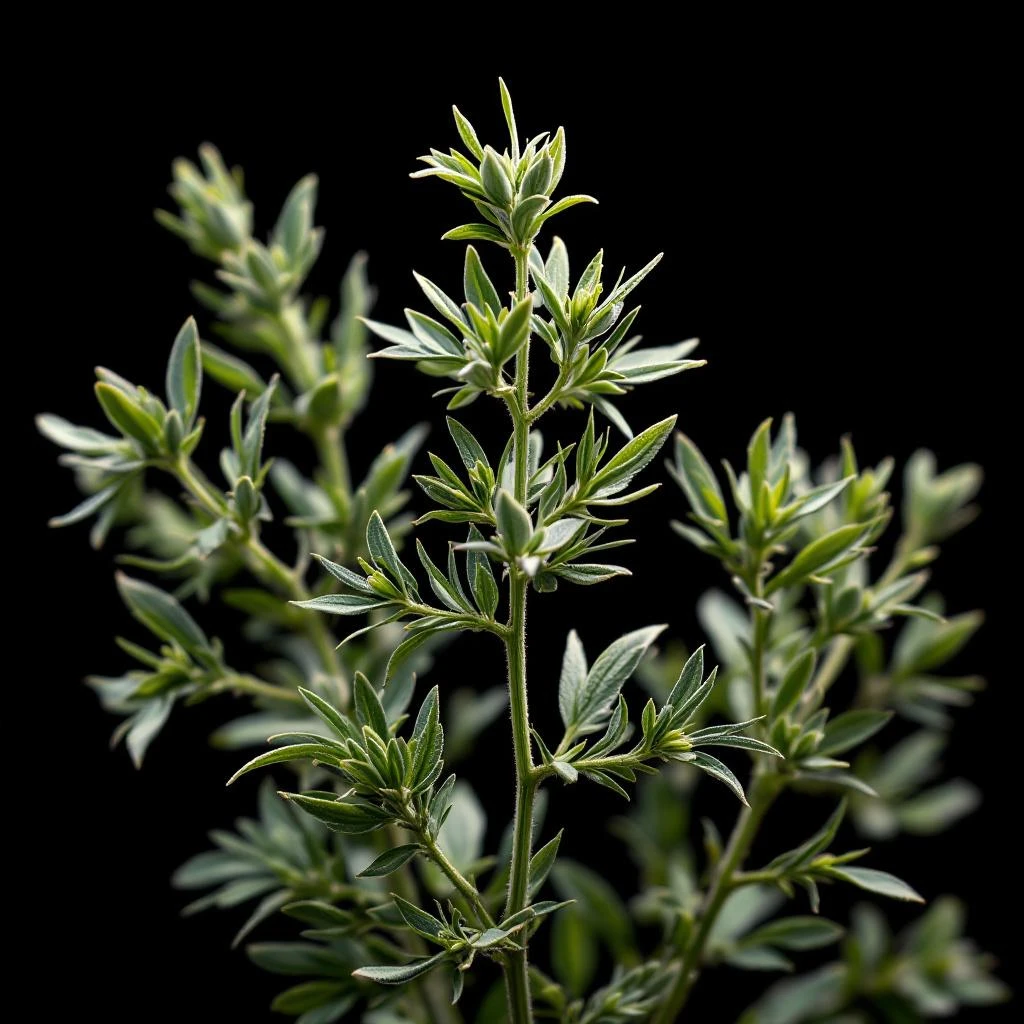
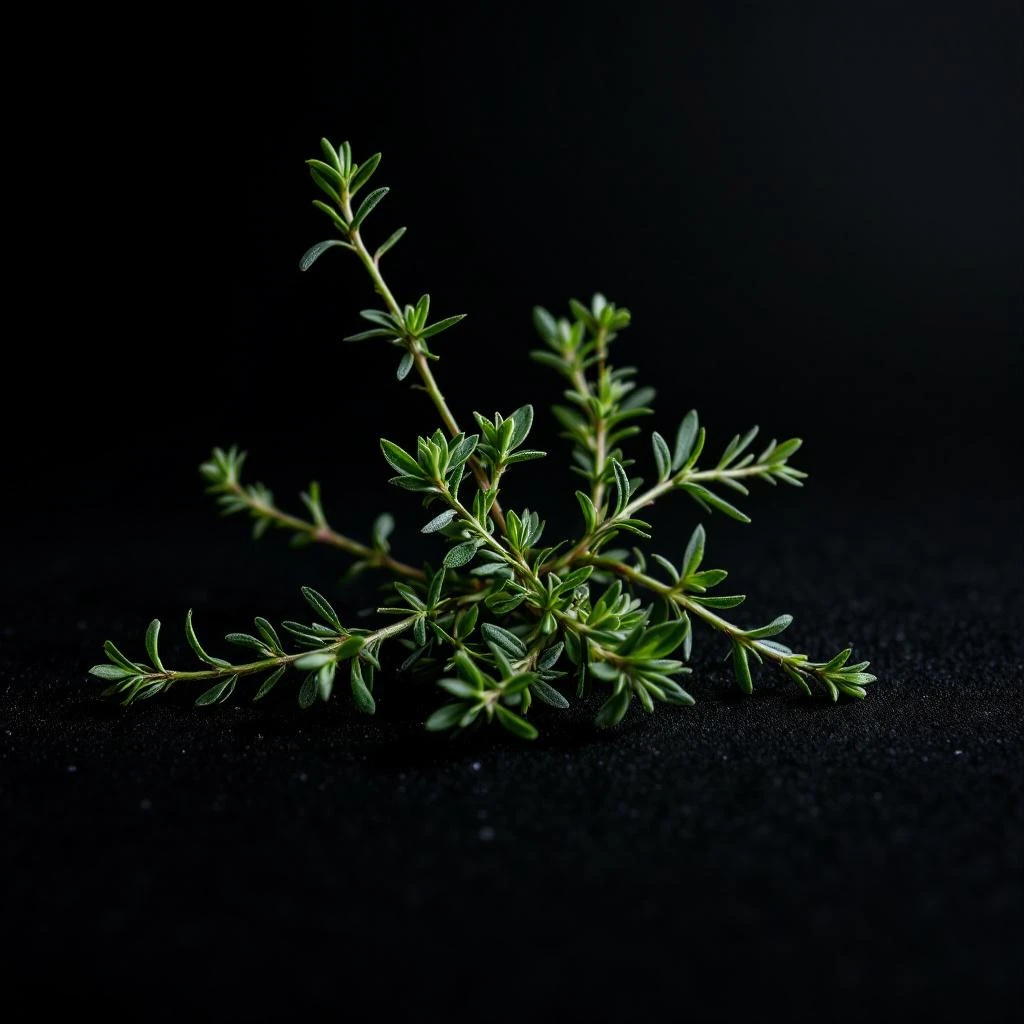
Mediterranean Basil brings a vivid green, slightly anisic character to fragrances. Native to India but cultivated across the sun-drenched shores of the Mediterranean, this herb delivers a crisp, aromatic freshness that transforms perfumery compositions into living, breathing landscapes.
Character
How it smells
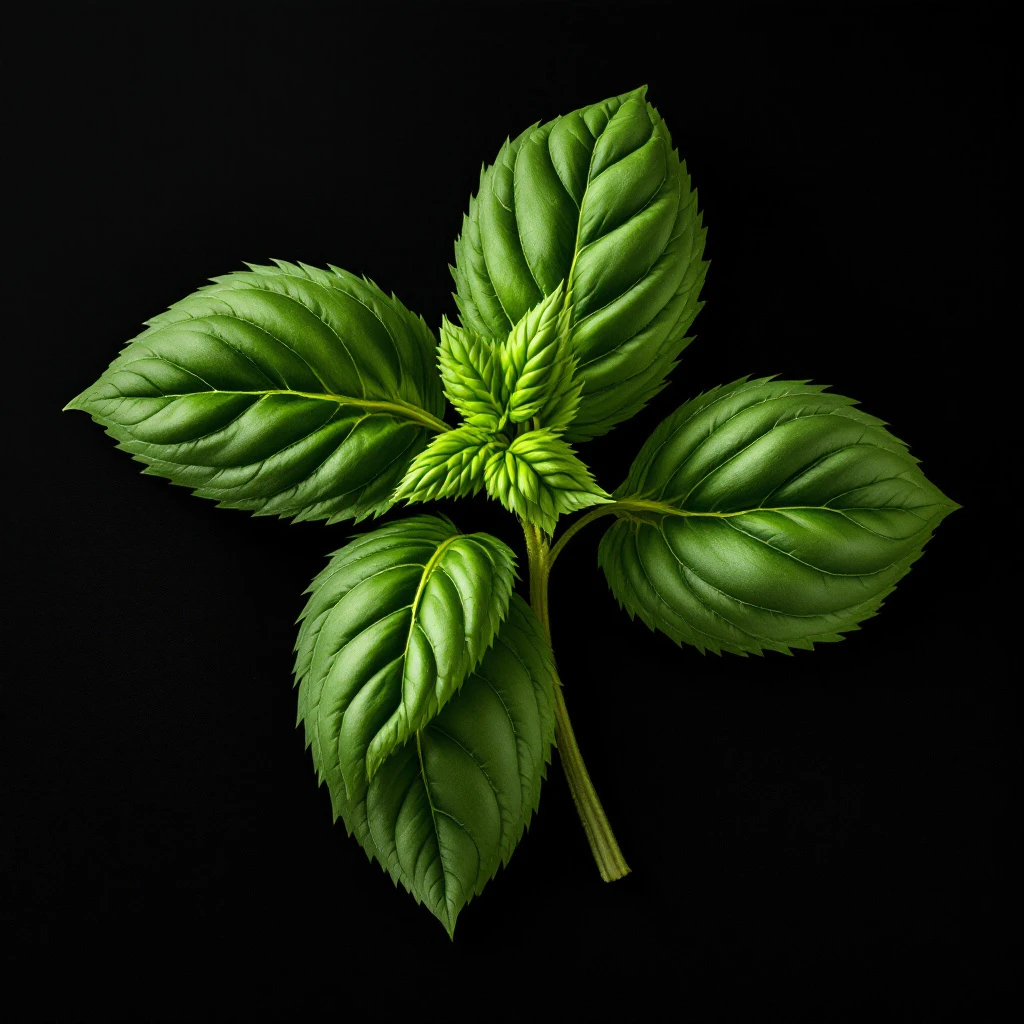
The royal herb that defines green freshness in perfumery.
The word basil derives from the Greek 'basilikos,' meaning royal, reflecting its storied status as a sacred and regal plant since antiquity.






Origin
Egypt
Basil's perfumery legacy stretches back to ancient Egypt, where priests utilized aromatic plant oils in sacred rituals and temple ceremonies. The ingredient traveled westward along Mediterranean trade routes connecting Arabia, Africa, and India to the great perfumery houses of Greece, Rome, and beyond.
By the 16th century, basil had established itself as a cornerstone of European perfumery after arriving via Ottoman trade networks. Ancient Greeks considered basil a symbol of hatred and misfortune, yet paradoxically treasured it for royal unguents.
Mediterranean perfumers eventually reclaimed the herb as a signature green note, marrying its Indian origins with the herbs of their own coastal landscapes. The plant's journey from sacred Egyptian medicine to modern fragrance libraries represents thousands of years of olfactory refinement.
Wears it best
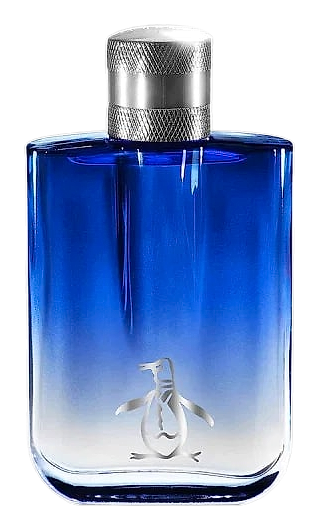
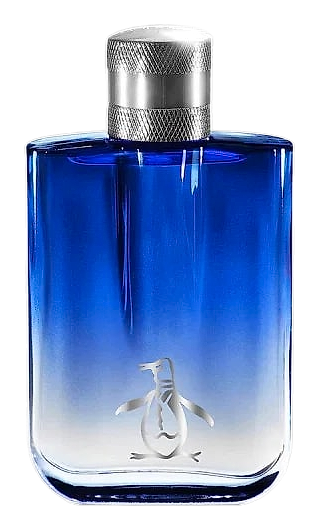
Fragrances featuring Mediterranean Basil
Brands
Brands known for Mediterranean Basil
Good to know
Questions, answered
The essentials on Mediterranean Basil in perfumery: how it smells, where it comes from, and how it behaves on skin.
What does Mediterranean Basil contribute to a fragrance composition?
Mediterranean Basil adds a crisp, green, slightly sweet-herbaceous character that lifts and energizes fragrance top notes. It pairs exceptionally well with citrus, mint, and other herbal materials, creating bright openings that feel immediately fresh and Mediterranean.
How is basil oil harvested for perfumery use?
Basil for perfumery is harvested in the early morning before temperatures rise, when essential oil concentration peaks in the leaves and flowering tops. Timing the harvest within the plant's flowering window maximizes aromatic yield and preserves delicate volatile compounds.
What historical role did basil play in ancient perfumery?
Ancient Egyptians incorporated basil in sacred temple rituals and funerary preparations, valuing it for both aromatic and ceremonial significance. The herb later traveled Mediterranean trade routes to become a staple in Greek, Roman, and eventually European perfumery traditions.
How does perfumery basil differ from culinary varieties?
Perfumery basil varieties are selected for higher concentrations of aromatic compounds like linalool and eugenol, yielding a more intense, complex green note. Sweet basil and tropical basil remain the preferred cultivars for fragrance production.
Which fragrance families most commonly feature basil?
Mediterranean Basil appears prominently in fougère, chypre, and aromatic green fragrances. It also serves as a natural connector between citrus top notes and herbal or woody base materials in contemporary compositions.
What safety considerations exist when using basil in perfumery?
Basil oil contains eugenol, which may cause skin sensitization in some individuals. IFRA guidelines recommend concentration limits for leave-on skin applications. Professional formulation ensures safe integration into finished products.
Does the origin of basil affect its aromatic profile?
Yes. Egyptian basil typically expresses warmer, more spicy characteristics, while Mediterranean-grown varieties lean greener and more anisic. Climate, soil composition, and harvest timing all shape the final aromatic outcome.
What compounds give basil its characteristic scent?
Linalool contributes basil's sweet, floral undertone, while eugenol provides spicy warmth and methyl chavicol delivers the distinctive anisic, slightly bitter green note. The interplay of these compounds creates basil's signature aromatic complexity.