Mead
Mead is a fermented honey wine with roots stretching back to humanity's earliest civilizations. In perfumery, the mead note captures golden sweetness, subtle fermentation, and warm alcoholic depth—a sensory echo of ancient celebratory libations.
Character
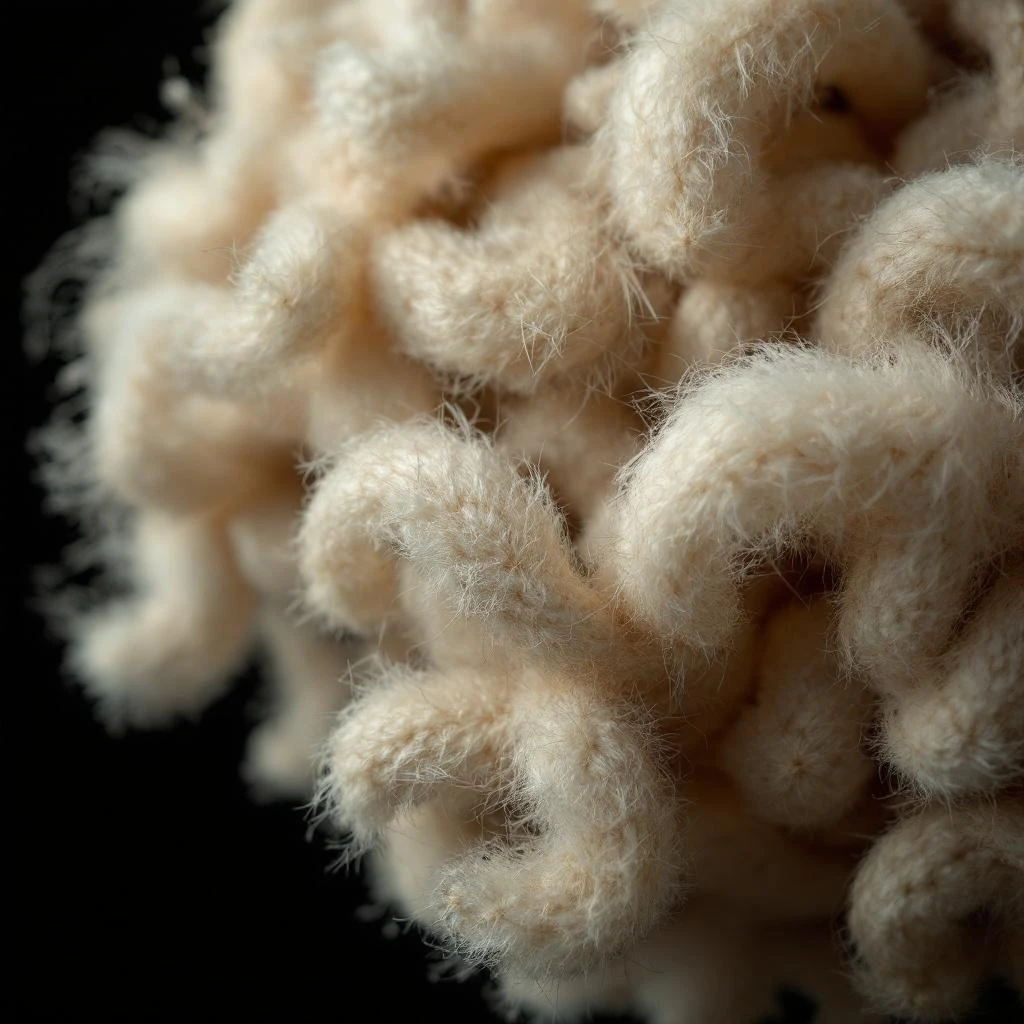
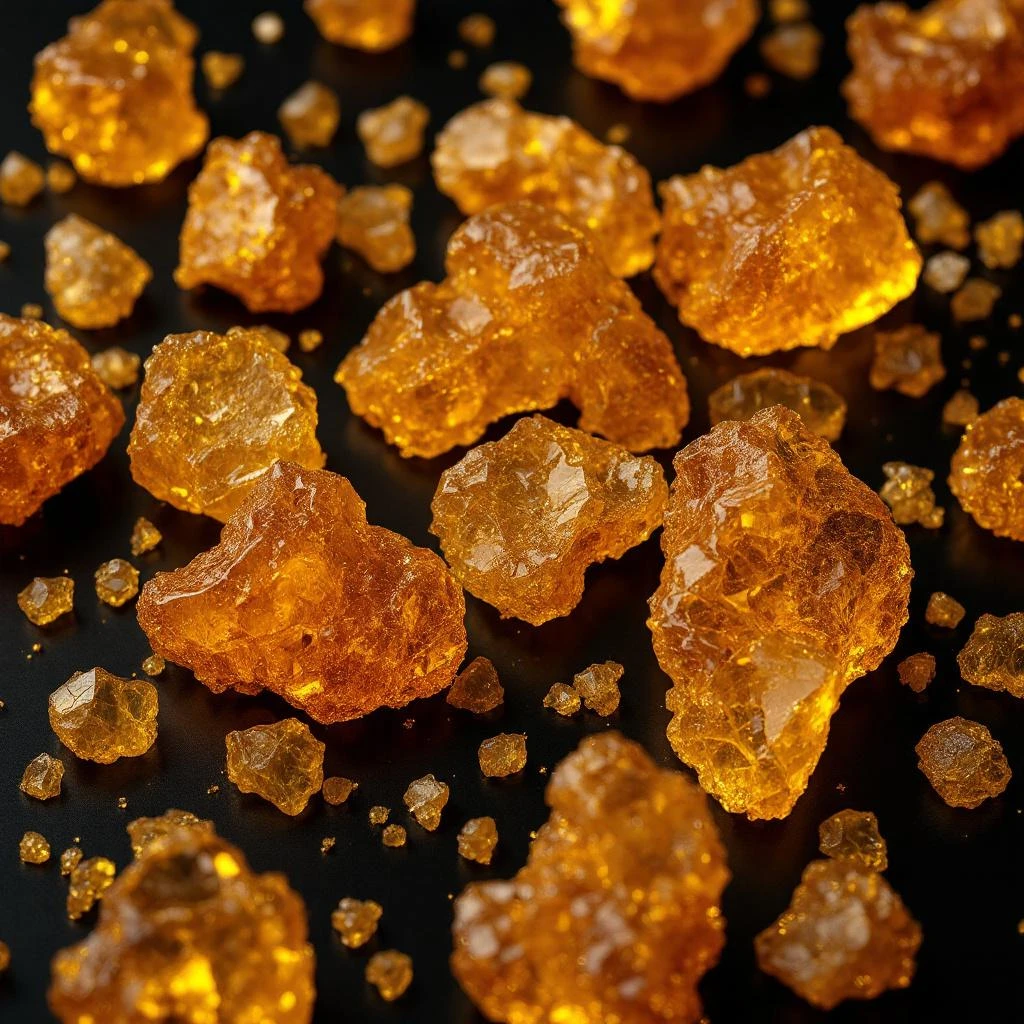
How it smells
Fermented honey, captured in a bottle.
Bees were semi-domesticated specifically to produce mead up to 9,000 years ago, long before grapevines were cultivated for wine.



Origin
China
Mead precedes recorded history. Archaeological evidence places fermented honey drinks in northern China by 7000 BCE. Every ancient culture developed mead: the Greeks named their honey-wine melikraton, while Romans prized mulsum, honey mixed with wine.
Norse mythology hinges on the Mead of Poetry, a magical beverage granting artistic genius. Medieval Europe considered mead the drink of nobility and medicine, with monastic records documenting elaborate recipes. The beverage's influence extended to Africa, where Ethiopian tej has been brewed for centuries, and to India, where madhu (honey wine) appears in Vedic texts.
This deep historical resonance makes mead a powerful olfactory metaphor in perfumery for antiquity, celebration, and humanity's oldest relationship with sweetness.
Wears it best
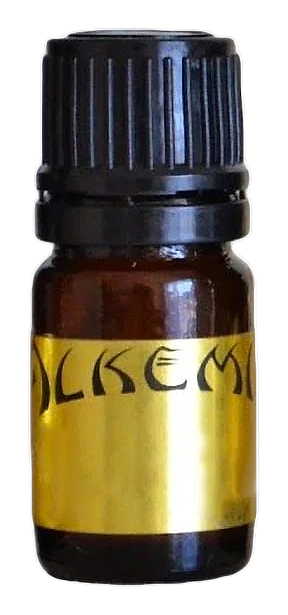
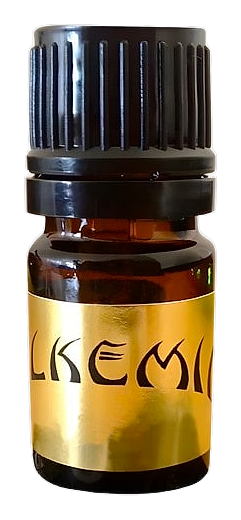
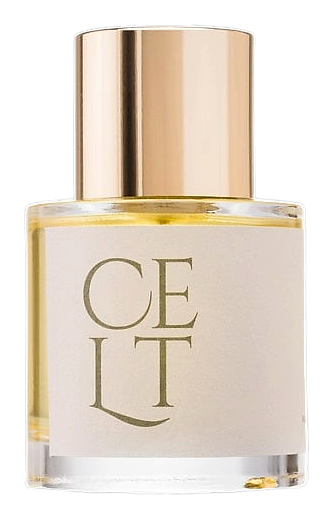
Fragrances featuring Mead
Brands
Brands known for Mead
Good to know
Questions, answered
The essentials on Mead in perfumery: how it smells, where it comes from, and how it behaves on skin.
What does mead note smell like in perfume?
Mead notes open with golden honey sweetness, then reveal fermented, yeasty undertones with warm alcoholic depth. On skin, it reads as honey-wine: richer and more complex than plain honey, with subtle apple-like and floral dimensions.
Is mead extracted from actual honey wine?
No. Real mead is not distilled for perfumery. Instead, perfumers build mead accords by combining honey materials with fermentation-like aromatics, rum notes, and yeast-derived molecules to create the effect of aged honey wine.
How long has mead been used in perfumery?
Mead as a thematic perfumery note emerged in the 20th century, though honey itself has been a perfumery ingredient since antiquity. Modern mead accords became more sophisticated with synthetic aromatic development in recent decades.
What fragrance families use mead notes?
Mead accords appear most often in oriental fragrances, amber compositions, and warm gourmand scents. The note pairs well with benzoin, vanilla, spices, and woody base materials.
Can mead note trigger allergic reactions?
Honey-derived materials may affect individuals with bee product allergies. Review individual fragrance compositions and patch test new perfumes if you have known allergies to honey or related products.
How does mead note age on skin?
Initial application shows bright honey sweetness that gradually deepens over two to four hours. Drydown emphasizes warm, fermented complexity with residual sweetness and subtle alcoholic warmth persisting in base notes.
Are there regional variations in mead perfumery notes?
Yes. Mediterranean-inspired mead may include fig and olive blossom nuances, while Nordic-influenced versions emphasize darker honey tones, juniper, and forest character. Ethiopian-style mead notes often feature gesho bark bitterness.
What molecules create fermented quality in mead accords?
Fenugre provides characteristic celery-fermented notes. Phenylacetaldehyde adds honeyed floralcy. Sotolon contributes maple-fermented character. Combined with gamma-decalactone (peachy-fruity) and whisky lactone (oaky depth), these create realistic mead simulation.




