Maple Water
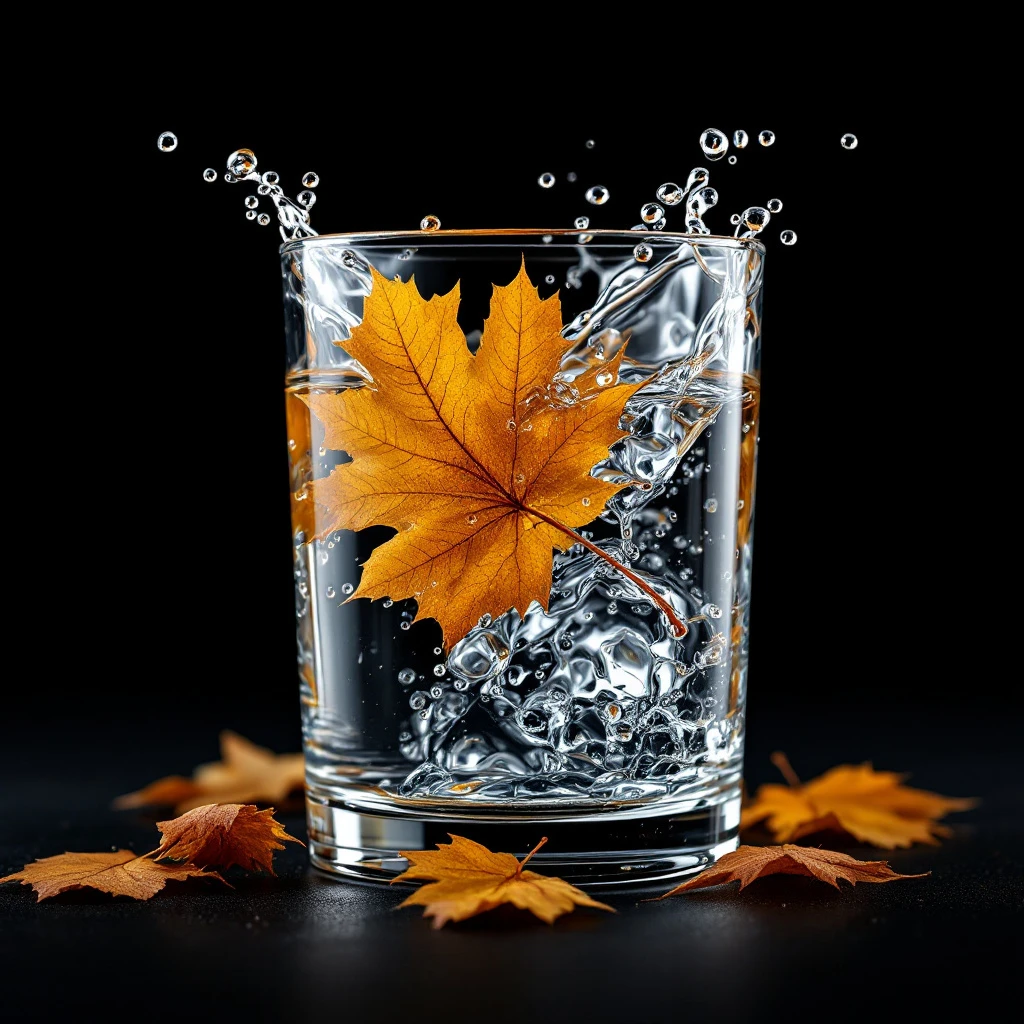
Maple water brings a whisper of forest sweetness to fragrances. This aromatic sap, harvested from maple trees during the brief sugaring season, offers delicate caramel and wood notes that add unexpected depth to gourmand and nature-inspired compositions.
Character
How it smells
Forest sweetness captured from maple sap.
It takes approximately 40 gallons of maple sap to produce just 1 gallon of maple syrup. The first step in that process captures the tree's most volatile aromatic compounds before concentration.


Origin
Canada
Indigenous peoples of the Northeastern Woodlands developed maple sugaring techniques thousands of years before European contact. The Algonquin, Iroquois, and other tribes taught early settlers the art of tapping maple trees, using stone tools to bore holes and wooden vessels to collect the precious sap. This knowledge shaped colonial settlement patterns in regions like Quebec, Vermont, and New York, where maple trees grew abundantly.
The seasonal harvest became deeply woven into regional culture and economy. By the 19th century, maple production had shifted from Indigenous communities to European settlers, yet the practice remained central to rural life. The phrase 'sugar season' entered common vocabulary, marking the brief window when winter's grip began to loosen.
Today, while most maple products come from large-scale operations, the fundamental technique remains unchanged from what Indigenous peoples practiced centuries ago. Quebec alone produces roughly 72% of the world's maple syrup, with over 7,500 producers across the province. This heritage of maple harvesting now extends into perfumery, where the ingredient adds a distinctly North American character to fragrance compositions.
Wears it best
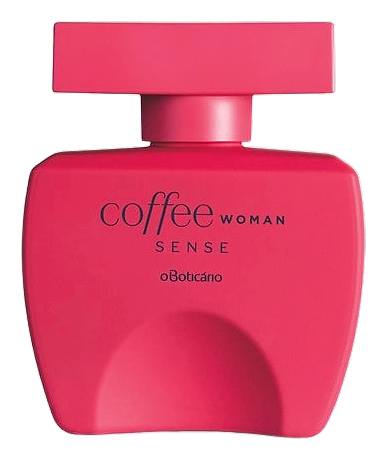
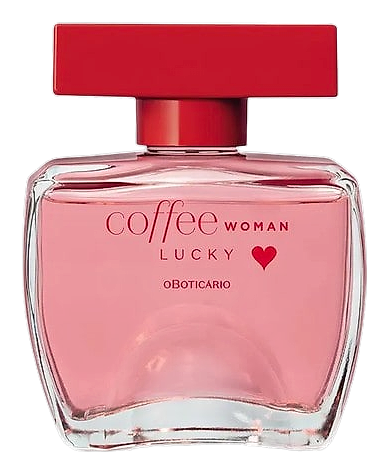
Fragrances featuring Maple Water
Brands
Brands known for Maple Water
Good to know
Questions, answered
The essentials on Maple Water in perfumery: how it smells, where it comes from, and how it behaves on skin.
What does maple water smell like in perfume?
Maple water provides a subtle, sweet aroma reminiscent of caramel and damp wood. It is not as rich as maple syrup but offers a delicate forest sweetness that works well as a supporting note in gourmand and woody compositions.
Is maple water a natural fragrance ingredient?
Yes, maple water is a natural aromatic ingredient derived from maple tree sap. It undergoes minimal processing to preserve its delicate aromatic profile, making it a preferred choice for natural and botanical fragrance formulations.
How is maple water different from maple syrup in perfumery?
Maple water is the raw sap collected before any concentration, carrying lighter aromatic compounds. Maple syrup is boiled down, intensifying sugars and caramel notes. For perfumery, maple water captures the tree's volatile aromatics more accurately.
When is maple sap harvested?
Maple sap is harvested during late winter and early spring, typically February through March in the Northern Hemisphere. The collection window lasts only 4-6 weeks and depends on alternating freezing nights and warm days.
What type of maple tree is used for fragrance production?
Sugar maple (Acer saccharum) is the primary species used for fragrance production. Red maple (Acer rubrum) and black maple are also tapped but produce slightly different aromatic profiles in their sap.
Can maple water be synthetically replicated?
Yes, maple-like aromatics can be synthesized, but natural maple water offers a complex profile that includes trace minerals, amino acids, and micro-compounds difficult to replicate artificially.
Is maple tapping harmful to trees?
When done properly, maple tapping causes minimal harm to trees. Taps are placed in small holes that heal within weeks, and a healthy tree can be tapped for 40-50 years without significant damage.
Which countries produce maple water for perfumery?
Canada and the United States are the primary producers of maple water for perfumery. Quebec produces the majority of the world's maple products, while Vermont, New York, and Ontario also contribute significant quantities.





