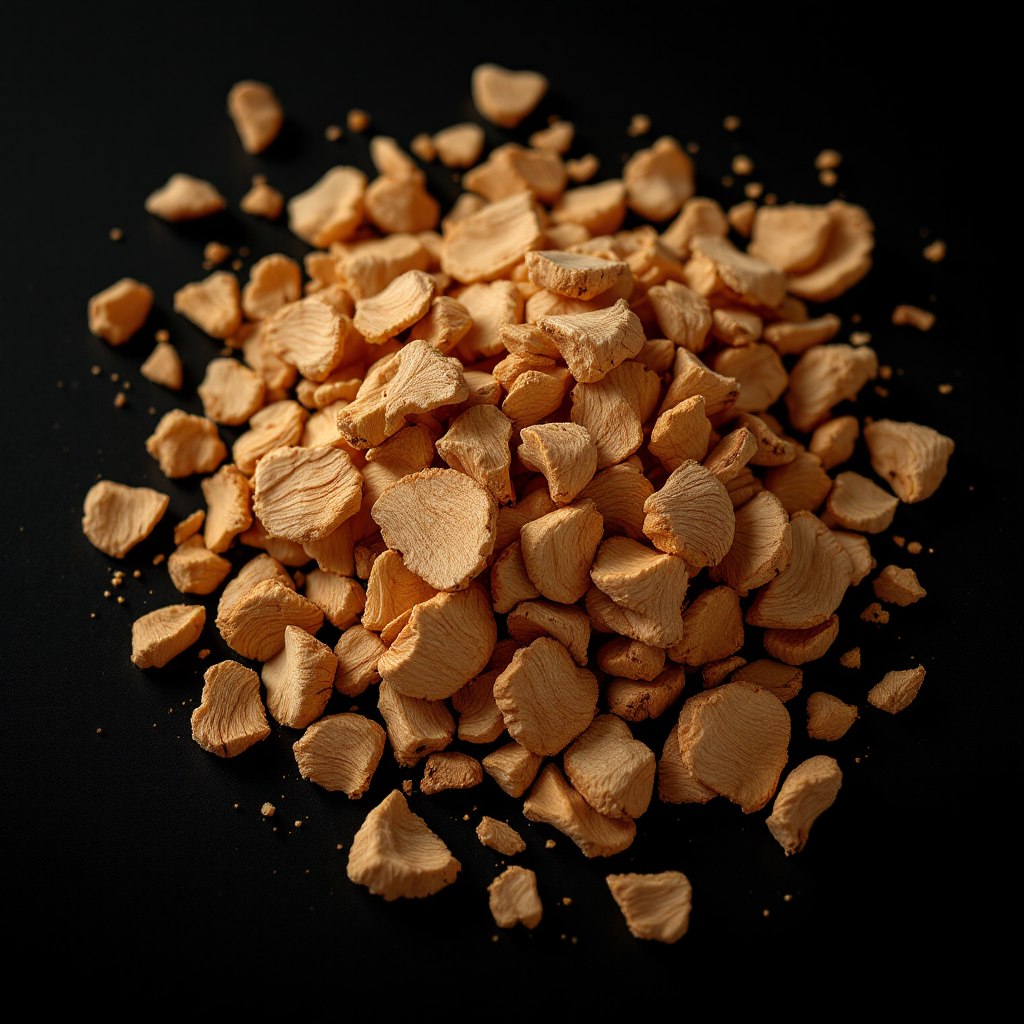
Manuka Wood
Manuka wood delivers a warm, smoky complexity with earthy undertones and a distinctive honeyed edge. Sourced from New Zealand's native Leptospermum scoparium, it anchors compositions with grounded depth.
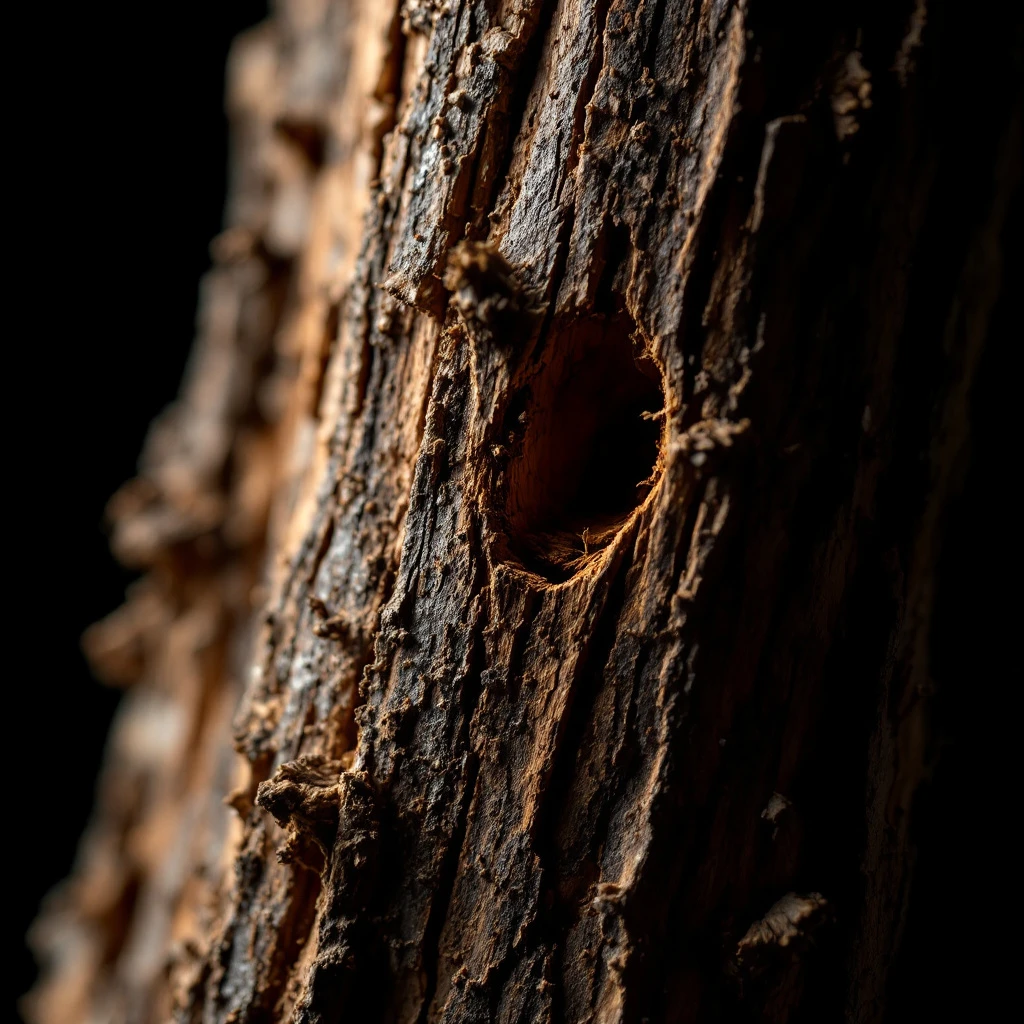
Character
How it smells
Smoky, earthy, and quietly sacred to Aotearoa.
Captain Cook brewed manuka leaves into tea during his 1769 voyage to New Zealand, though the wood's perfumery debut waited until the 1980s.



Origin
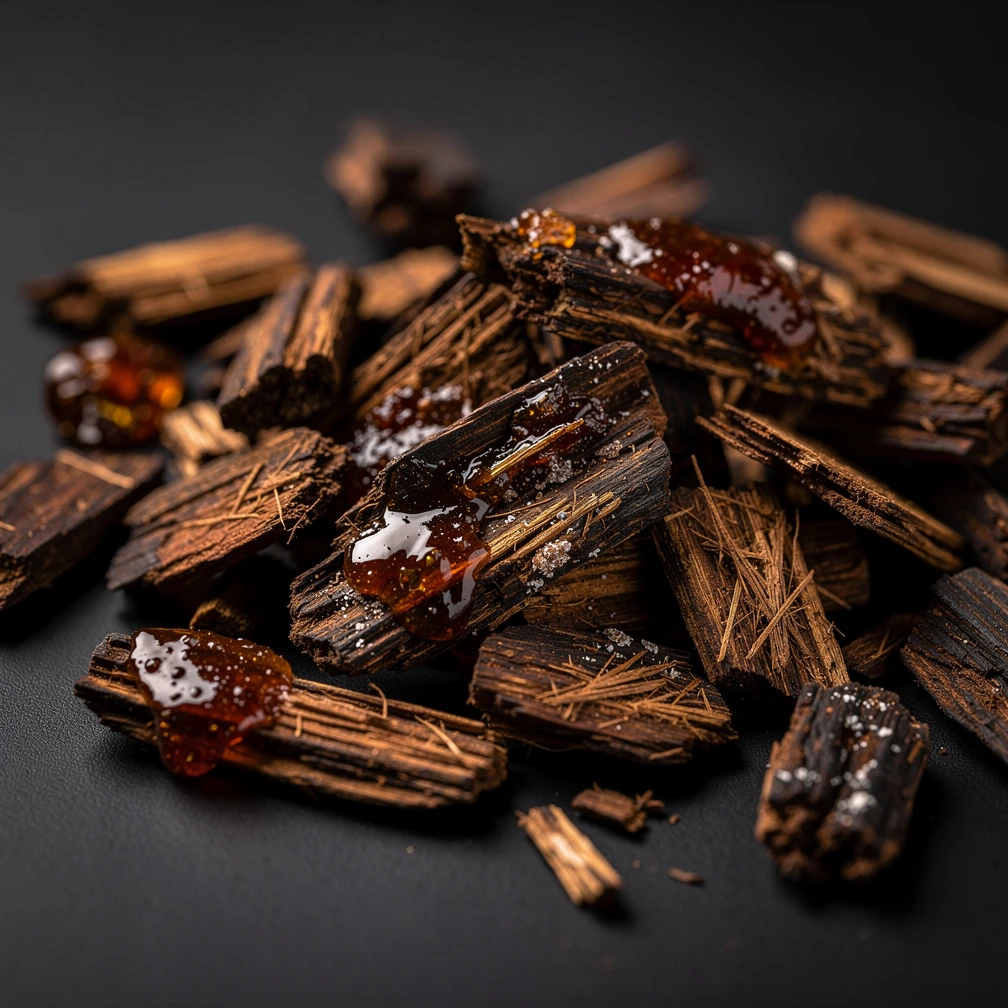
New Zealand
Manuka holds a place of profound significance in Māori tradition, where Leptospermum scoparium (known as mānuka) has been used for centuries in rongoā, traditional Māori medicine. The wood served practical purposes, fashioned into tools, weapons, and building material, while the leaves and bark provided remedies for wounds, fevers, and skin ailments. When European explorers arrived, the plant entered Western pharmacopeias.
Captain James Cook's crew brewed manuka leaves into a bitter tea during their 1769 New Zealand expedition. Commercial interest in manuka as a fragrance material is comparatively recent. Distillation for perfumery began in earnest during the 1980s, driven by scientific curiosity about its antimicrobial chemistry rather than its aromatic potential.
Early adopters in niche perfumery recognized the wood's distinctive smoky warmth, a profile unlike the rosewoods and sandalwoods dominating woody palettes. Today it features in avant-garde compositions seeking unconventional character, representing both New Zealand's botanical heritage and a post-1980s shift toward geographically specific naturals.
Wears it best
Fragrances featuring Manuka Wood
Brands
Brands known for Manuka Wood
Good to know
Questions, answered
The essentials on Manuka Wood in perfumery: how it smells, where it comes from, and how it behaves on skin.
What does manuka wood smell like in perfume?
Manuka wood offers a warm, smoky character with earthy undertones and a subtle honeyed sweetness. It reads less resinous than oud and drier than sandalwood, giving compositions a distinctive campfire warmth without overt sweetness.
Is manuka wood sustainable compared to other woody ingredients?
Yes, manuka is generally considered sustainable. Leptospermum scoparium is a fast-growing pioneer species that colonizes disturbed land across New Zealand, and harvesting does not threaten wild populations the way agarwood (oud) harvesting pressures Aquilaria trees in Southeast Asia.
How is manuka wood oil different from manuka essential oil?
Manuka essential oil is typically steam-distilled from leaves and twigs, producing a lighter, more herbaceous material rich in triketones. Manuka wood oil comes from heartwood distillation and delivers a deeper, smokier profile suited to base notes rather than top-of-composition work.
When did perfumers start using manuka wood?
Commercial perfumery use began in the 1980s, following scientific research into the plant's antimicrobial compounds. Niche perfumers later recognized its distinctive smoky warmth as a unique alternative to conventional woody materials.
What cultural significance does manuka have in New Zealand?
Manuka (mānuka) has deep roots in Māori rongoā, traditional medicine. The wood was fashioned into tools and weapons, while leaves and bark treated wounds, fevers, and skin conditions, making it one of Aotearoa's most culturally significant native plants.
Does manuka wood oil contain the same compounds as medical-grade manuka honey?
Not primarily. Medical-grade manuka honey is graded by methylglyoxal (MGO) content derived from nectar. Wood oil contains different volatile compounds, including sesquiterpenes and leptospermone, which contribute antimicrobial activity but differ chemically from honey's active components.
Can manuka wood replace sandalwood in a fragrance formula?
Partially. Both provide woody depth, but manuka leans smokier and drier while sandalwood offers creamy lactonic smoothness. Some perfumers blend them, but manuka's sharper profile makes it better suited as a distinctive accent rather than a direct substitute.
Is manuka wood oil rare in commercial perfumery?
Genuine manuka wood oil remains uncommon in mainstream fragrance houses. Distillation yields are modest, production is geographically concentrated in New Zealand, and logistics limit supply, which keeps it largely in niche and independent perfumer collections.