Mango Sorbet
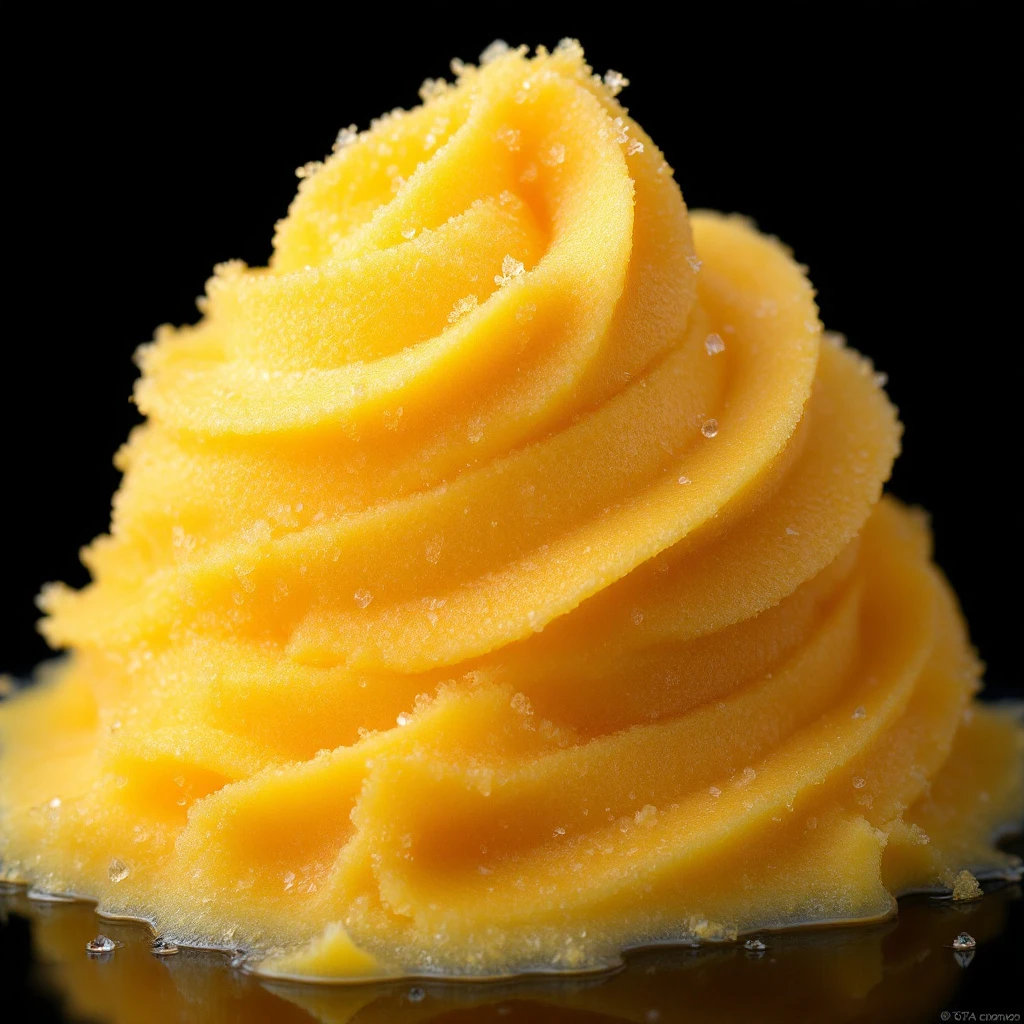
A vibrant synthetic accord that captures the essence of frozen mango at its peak ripeness. Bright tropical sweetness meets a cool, icy quality in this sparkling note that evokes sun-drenched afternoons and refreshing cool relief on warm skin.
Character
How it smells
Cool tropical sweetness frozen in time.
Mango sorbet is an entirely synthetic accord built from fruit esters and lactones, designed to capture the sensation of eating frozen mango without any actual fruit.



Origin
Laboratory
The emergence of mango sorbet as a perfumery note traces back to late 19th-century advances in organic synthesis, when chemists first learned to construct aromatic molecules artificially. Before this period, tropical fruit notes in perfumery remained limited to citrus and certain spices, as extracting consistent fruit scents from perishable tropical produce posed significant challenges.
The synthetic mango accord gained momentum in the late 20th century as consumer demand for exotic, accessible fragrances grew. Perfumers developed increasingly sophisticated methods for reproducing complex fruit profiles using combinations of naturally occurring aroma chemicals. The sorbet concept itself emerged from perfumers seeking to capture not just the scent of mango but the sensory experience of consuming it frozen, adding cooling aldehydes and menthol derivatives to evoke that refreshing sensation.
Modern analytical tools like mass spectrometry allowed perfumers to precisely identify and quantify the volatile compounds responsible for mango's characteristic aroma, enabling more accurate synthetic reproduction. Today, mango sorbet represents a standard tool in the perfumer's palette, used across fragrance families from aquatic to gourmand to add bright, sunny, tropical character without relying on actual fruit ingredients.
Wears it best
Fragrances featuring Mango Sorbet
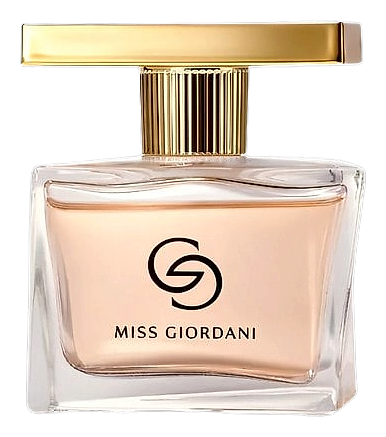
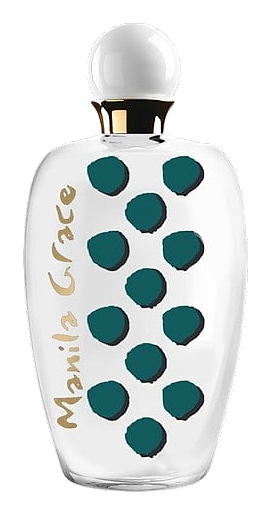
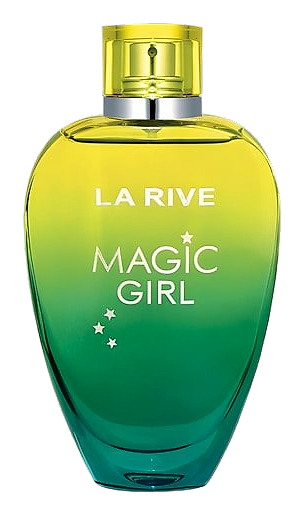
Brands
Brands known for Mango Sorbet
Good to know
Questions, answered
The essentials on Mango Sorbet in perfumery: how it smells, where it comes from, and how it behaves on skin.
Is mango sorbet a natural or synthetic ingredient?
Mango sorbet is synthetic. Perfumers construct this accord from aromatic chemicals like ethyl butyrate and gamma-decalactone to reproduce mango's scent. This approach ensures consistent results across batches, unlike natural fruit extracts which vary with harvest conditions.
What does mango sorbet smell like?
Mango sorbet smells bright, sweet, and cool with tropical fruit character. The accord combines ripe mango sweetness with sparkling, icy qualities evoking frozen desserts. Supporting notes include creamy undertones and green freshness.
What fragrance families use mango sorbet?
Mango sorbet appears across aquatic, fruity, and floral fragrance families. It adds tropical brightness to summer scents and works particularly well in energetic, youthful compositions where its cool character provides refreshment.
How long does mango sorbet last in perfume?
As a top-note accord, mango sorbet typically lasts 15 to 30 minutes on skin. The volatile fruit esters evaporate quickly, though supporting lactones can extend perceived fruit character to one to two hours depending on concentration.
Can mango sorbet be combined with other tropical notes?
Mango sorbet blends well with coconut, passionfruit, and papaya accords. It also complements tropical florals like frangipani and ylang-ylang. Citrus and green notes add freshness while vanilla and sandalwood provide warmth.
When did mango sorbet first appear in perfumery?
Synthetic mango accords emerged in the late 20th century alongside advances in organic chemistry. The sorbet variant, adding cool aldehydes for icy texture, became popular in the 1990s as tropical fruit notes gained prominence in summer fragrances.
Is mango sorbet safe for skin application?
Synthetic mango accord uses approved aromatic chemicals that undergo safety assessment before use. IFRA guidelines restrict certain compounds, ensuring consumer safety. All ingredients meet regulatory standards for cosmetic application.
How do perfumers create the sorbet effect?
Perfumers create sorbet-style cooling effects using aldehydes and menthol derivatives that trigger cold sensation receptors in the nose. These compounds combined with bright fruit esters produce the characteristic sparkling, refreshing quality of frozen desserts.