Mango Puree
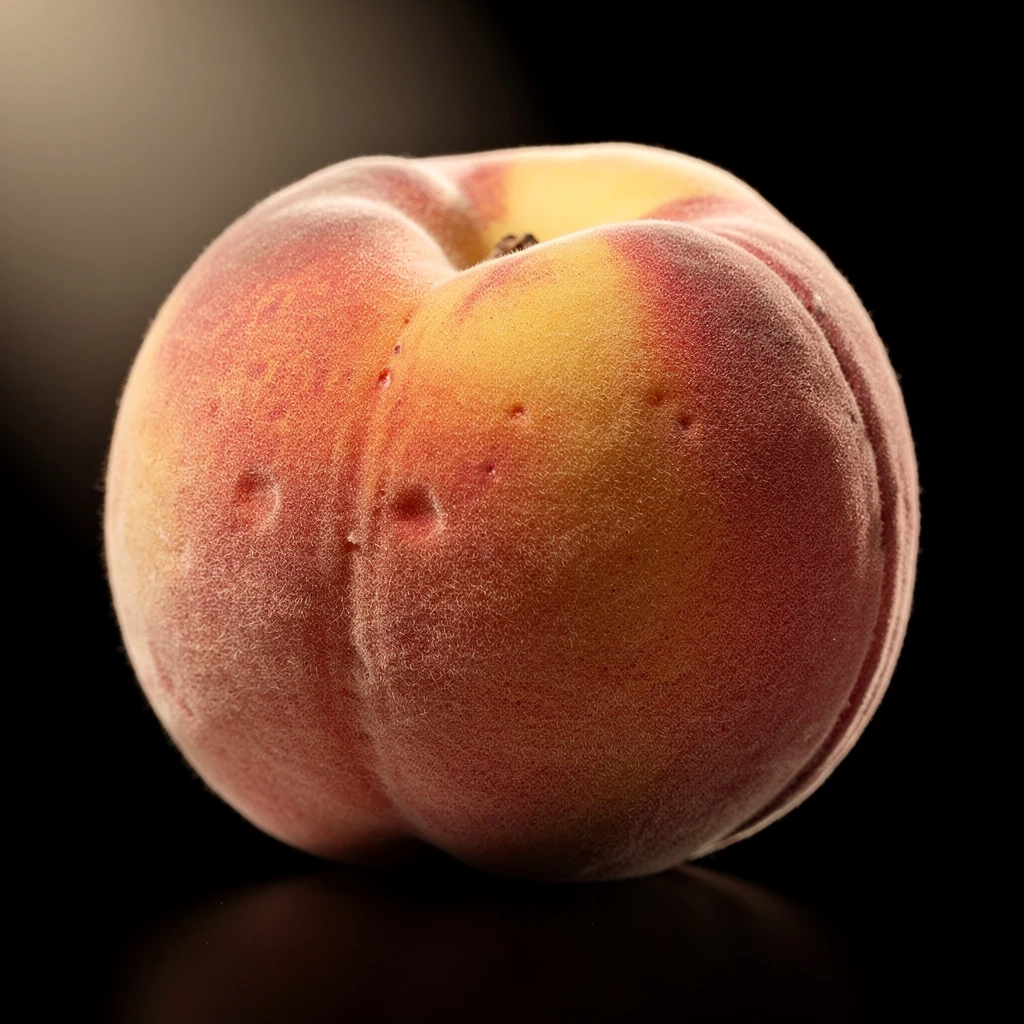
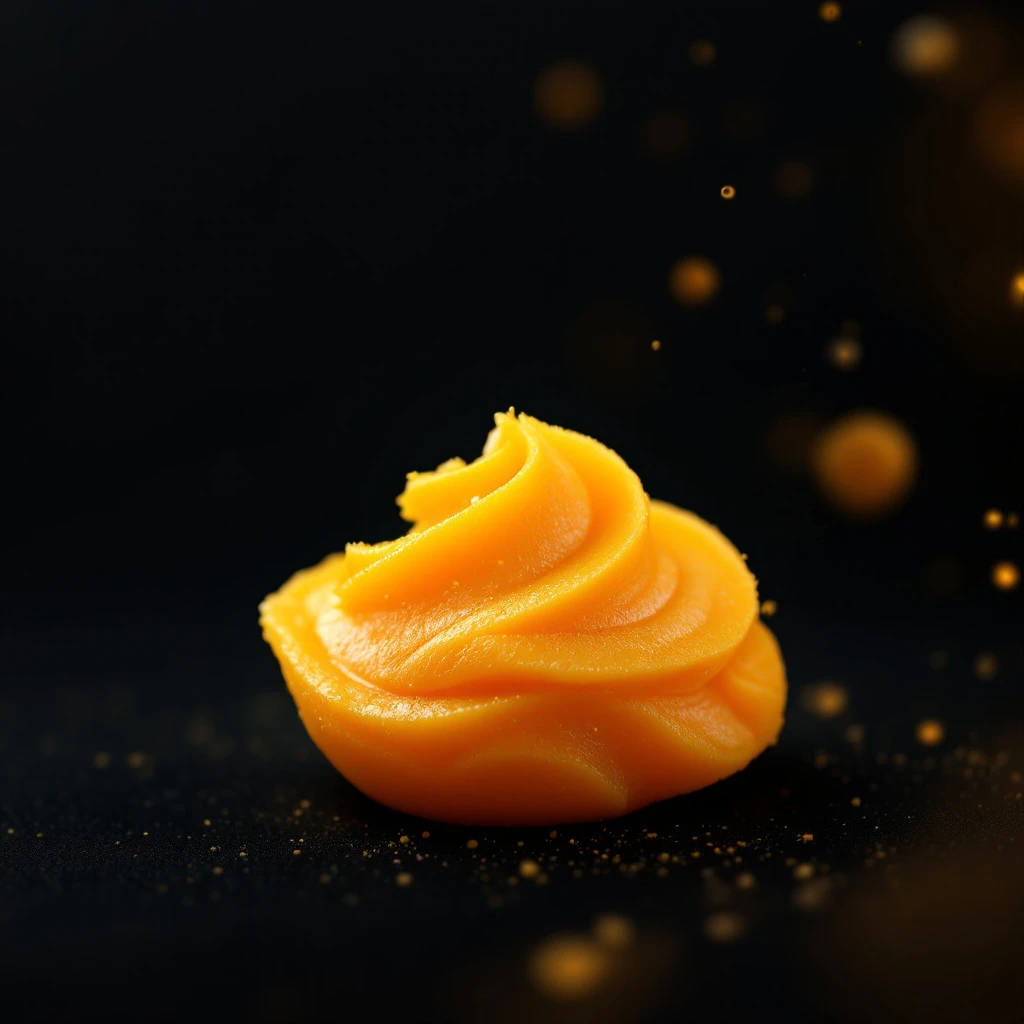
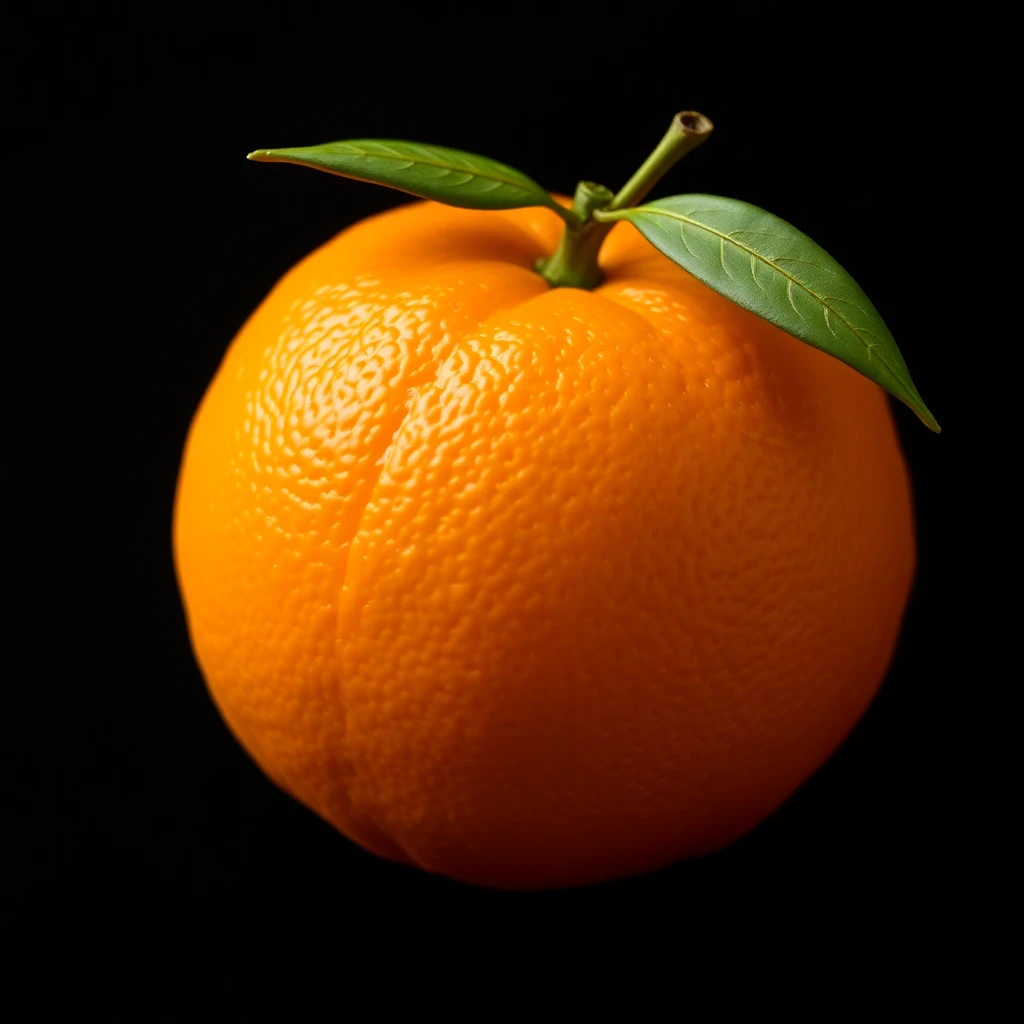
Mango Puree captures the sun-drenched sweetness of ripe tropical mango. In perfumery, this note delivers an immediate burst of juicy, succulent fruit—bright and heady without being heavy. The accord brings a lush, sun-ripened quality that reads as distinctly tropical and unmistakably alive.
Character
How it smells
Sun-ripened tropical sweetness, captured in a bottle.
The mango's scent profile contains over 300 volatile compounds, making it one of the most chemically complex fruits to authentically reproduce.



Origin
India
Mangoes have grown wild across South Asia for over 4,000 years, with cultivation records dating to ancient Indian texts where the fruit featured in religious ceremonies and royal gardens. Buddhist texts mention mango groves as places of meditation. The fruit traveled slowly westward along ancient trade routes, reaching Persia by the 7th century and East Africa shortly after.
Portuguese explorers introduced mangoes to Brazil in the 16th century, from where the fruit spread across the Americas. European perfumers encountered mangoes as exotic colonial imports in the 18th and 19th centuries, though capturing the fruit's scent proved impossible with the technology of the era. Only with the rise of organic synthesis in the late 19th and early 20th centuries could perfumers begin reconstructing tropical fruit accords with accuracy.
Today, mango cultivation spans tropical regions worldwide, with India producing roughly half the global harvest. The mango remains culturally significant across South and Southeast Asia, and perfumers working with the accord draw on this deep history even as they create something entirely new.
Wears it best
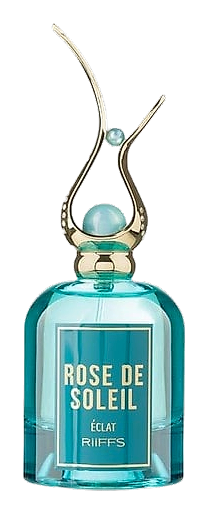
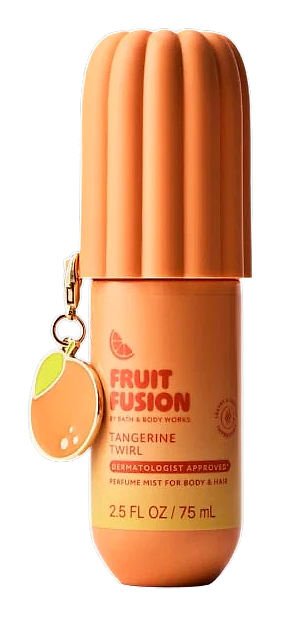
Fragrances featuring Mango Puree
Brands
Brands known for Mango Puree
Good to know
Questions, answered
The essentials on Mango Puree in perfumery: how it smells, where it comes from, and how it behaves on skin.
Is Mango Puree a natural or synthetic ingredient in perfumery?
Mango Puree is almost always a synthetic reconstruction. Direct extraction from fresh mango fruit yields extremely low volumes and is commercially impractical, so perfumers build the accord from isolated aroma chemicals that mirror the fruit's volatile profile.
What chemical compounds create the mango scent?
The mango aroma comes from esters like ethyl butyrate and ethyl acetate, which provide the signature juicy sweetness. Aldehydes add lift and freshness, while terpenes including myrcene and ocimene contribute subtle floral-green undertones.
Why can't mango scent be extracted directly from the fruit?
Mango flesh contains roughly 80% water, and the aromatic compounds exist in such low concentrations that extraction yields are negligible. Modern analytical chemistry allows perfumers to identify the key odorants and reconstruct them reliably.
How does Mango Puree differ from other tropical fruit notes like coconut or passion fruit?
Mango occupies a unique position among tropical fruit notes—sweeter than passion fruit but less creamy than coconut, with a distinctive floral character that sets it apart. It bridges the gap between citrus brightness and tropical lushness.
Which fragrance families most commonly use Mango Puree?
Mango Puree appears primarily in fruity and tropical fragrance families, often in summer releases, bright florals, and gourmand compositions. It frequently pairs with notes like coconut, ylang-ylang, and marine accords.
Does the origin of mangoes affect the reconstructed accord?
Different mango varieties—from India's Alphonso to Mexico's Ataulfo—carry subtly different aromatic profiles. Perfumers may adjust the accord's composition to reference specific varieties or regional characteristics.
How long has the mango note existed in perfumery?
The mango note only became viable in perfumery after synthetic chemistry advanced in the early 20th century. Prior to that, no reliable method existed for capturing or reproducing the fruit's complex aroma.
Is Mango Puree considered a top, middle, or base note in fragrance compositions?
Mango Puree functions primarily as a top note, projecting its bright, juicy character immediately upon application. The scent fades within the first hour, making it ideal for creating an inviting opening in tropical and summer fragrances.