Mandarin Water
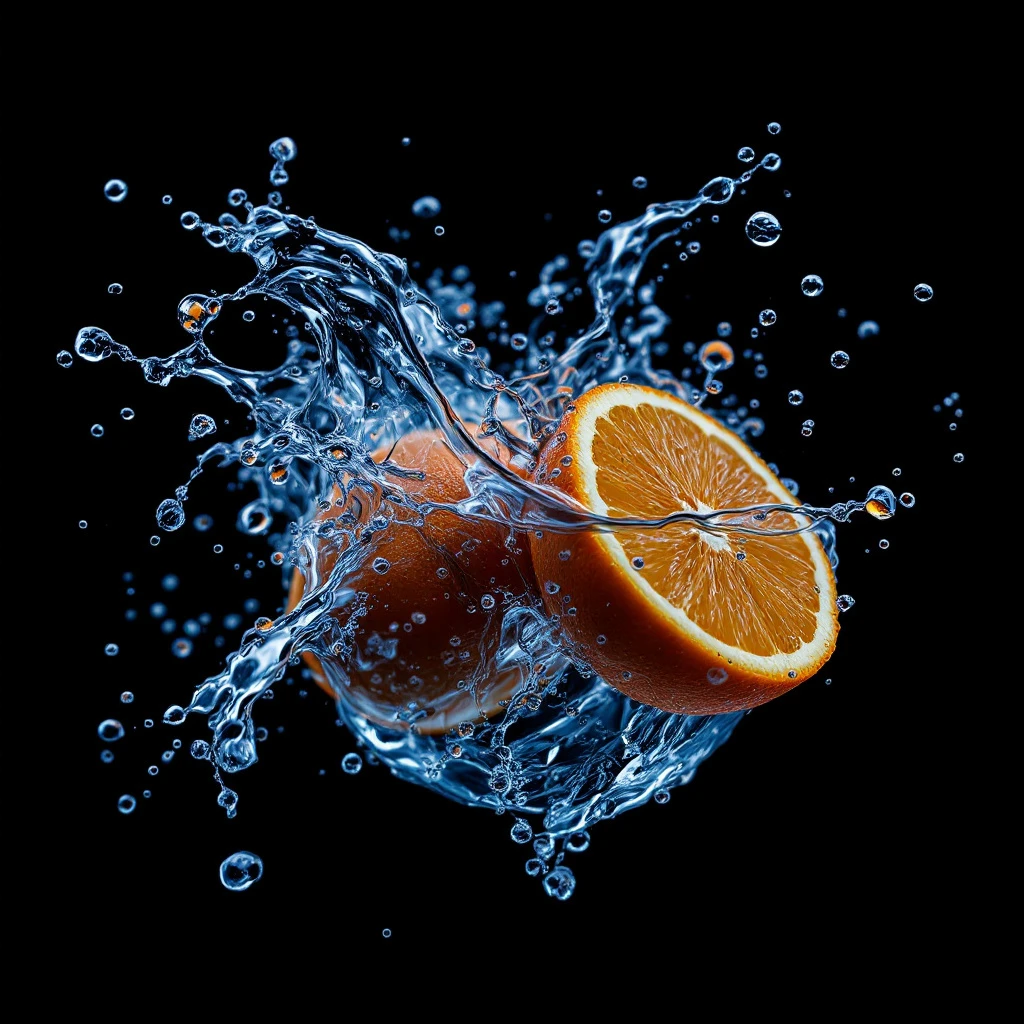
Mandarin Water captures the sun-drenched brightness of ripe mandarin in its most luminous form—a crisp, sparkling citrus note that lifts compositions with immediate clarity and natural sweetness.
Character
How it smells
Sun-kissed citrus distilled to its clearest expression.
The mandarin earned its name from the Chinese officials who received crates of the fruit as festival gifts in ancient courts.





Origin
China
The mandarin originated in southeastern Asia, where Chinese cultivators bred the fruit for centuries before it reached European markets in the early 19th century. Italian growers in Sicily and Calabria refined cultivation techniques, producing fruit prized for its thin, easily ruptured peel and concentrated aromatic oils. The name references the Mandarin officials who received the fruit as ceremonial gifts during festivals.
By the mid-1800s, mandarin oil had entered European perfumery as citrus materials gained prominence against declining musk and civet use. Perfumers discovered the peel yielded a uniquely sweet, floral citrus that blended seamlessly into both light colognes and complex floral compositions, securing its place as a modern classic.
Wears it best
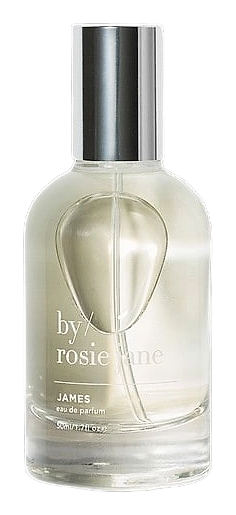
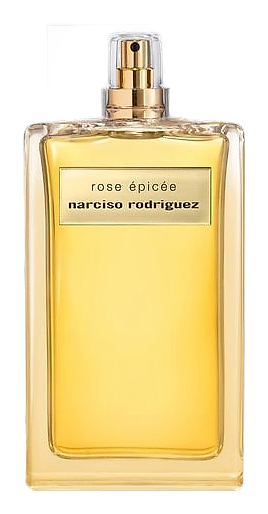
Fragrances featuring Mandarin Water
Brands
Brands known for Mandarin Water
Good to know
Questions, answered
The essentials on Mandarin Water in perfumery: how it smells, where it comes from, and how it behaves on skin.
What is Mandarin Water in perfumery?
Mandarin Water is a citrus raw material derived from cold-pressed mandarin peel. It carries the fruit's characteristic bright, sweet, and slightly floral aroma, used as a top-note in fragrance compositions.
How does Mandarin Water differ from regular mandarin essential oil?
Standard mandarin oil is the cold-pressed essential oil itself. Mandarin Water carries a lighter, more aqueous character, often referring to either a refined distillate or a specific aromatic fraction with reduced density and increased transparency.
Does Mandarin Water smell different from mandarin essential oil?
Yes. Mandarin Water is generally lighter and less tart than the full essential oil. It preserves the sweet, floral quality of the fruit while reducing sharpness, creating a softer, more watery citrus effect in formulas.
Where do the best mandarin fruits for perfumery come from?
Sicily and Calabria in Italy produce the most sought-after mandarins for fragrance. The Mediterranean climate yields fruit with thin, highly aromatic peel and a balanced sweetness that cold-pressed oils capture effectively.
Is Mandarin Water a synthetic or natural ingredient?
Mandarin Water is natural, extracted from the peel of Citrus reticulata. It is not synthesized, though certain aromatic molecules within the oil may be replicated in laboratories for stability or cost reasons.
How long does Mandarin Water last in a fragrance?
As a citrus top note, Mandarin Water typically lasts 15 to 30 minutes on skin before the volatile aromatic compounds evaporate. Formulators often use it in combination with longer-lasting heart notes to maintain citrus character.
What gives mandarin its floral quality?
The sweet-floral character comes from aromatic compounds like linalool and methyl anthranilate in the peel. These molecules contribute the subtle orange blossom nuance that distinguishes mandarin from sharper citrus fruits like lemon.
Does mandarin oil oxidize quickly?
Yes. Like most citrus oils, mandarin oil oxidizes within 12 to 18 months if stored improperly. Exposure to air and light accelerates degradation. Perfumers store it in sealed, refrigerated containers to preserve freshness and prevent sensitization.