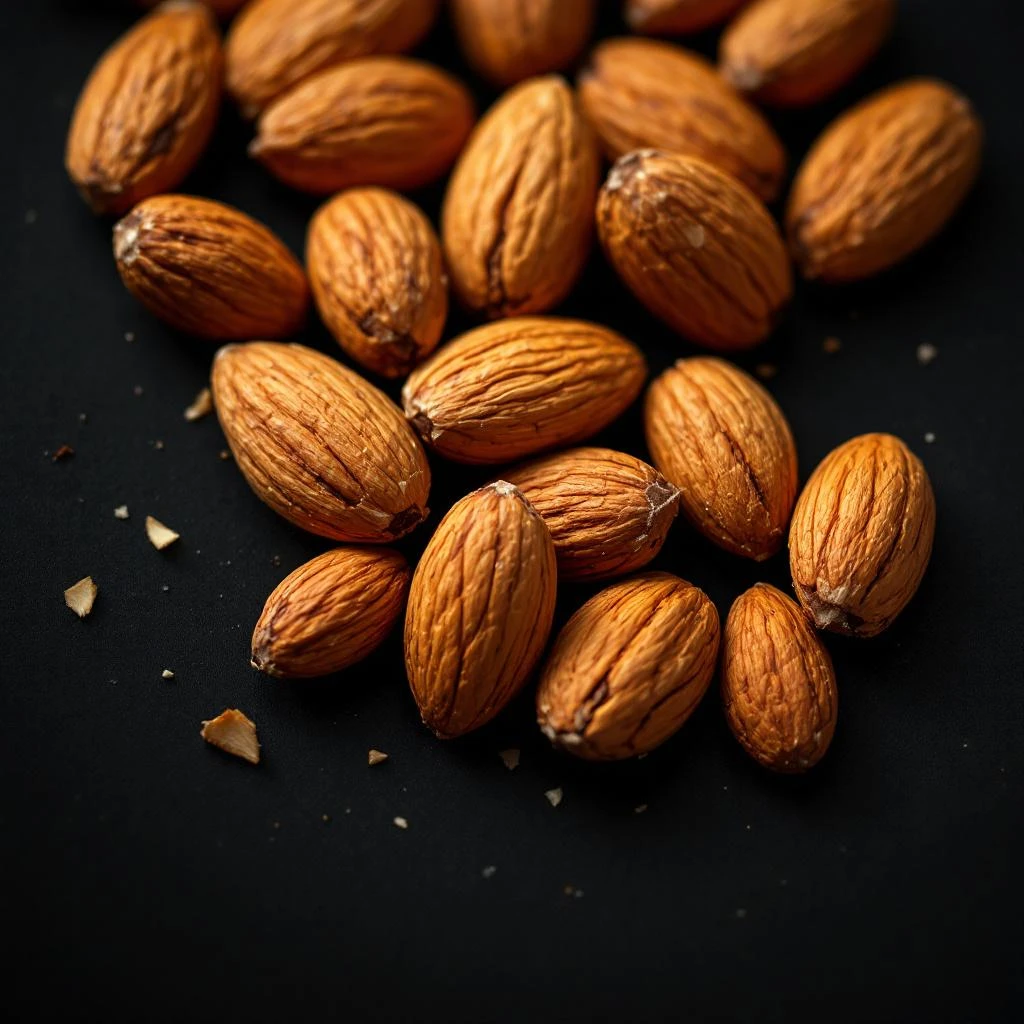
Mandarin Sorbet
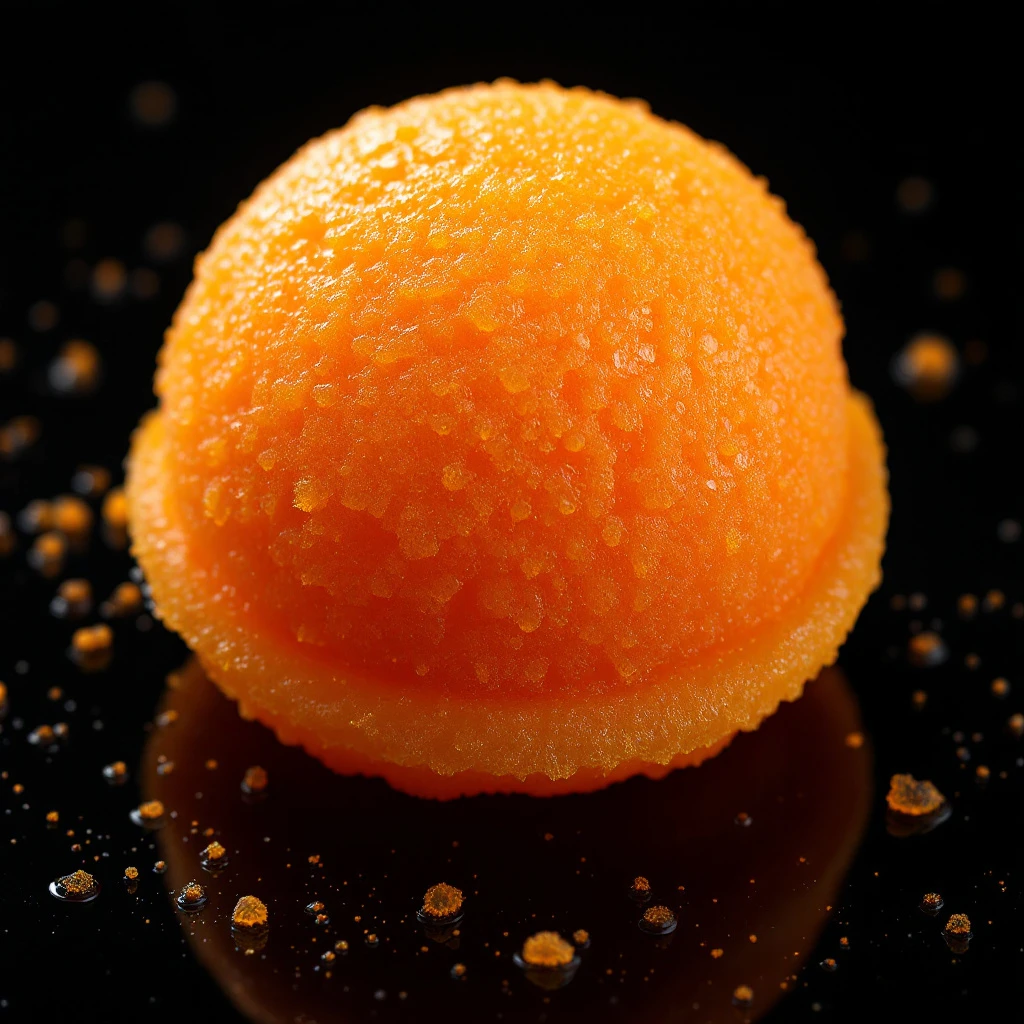
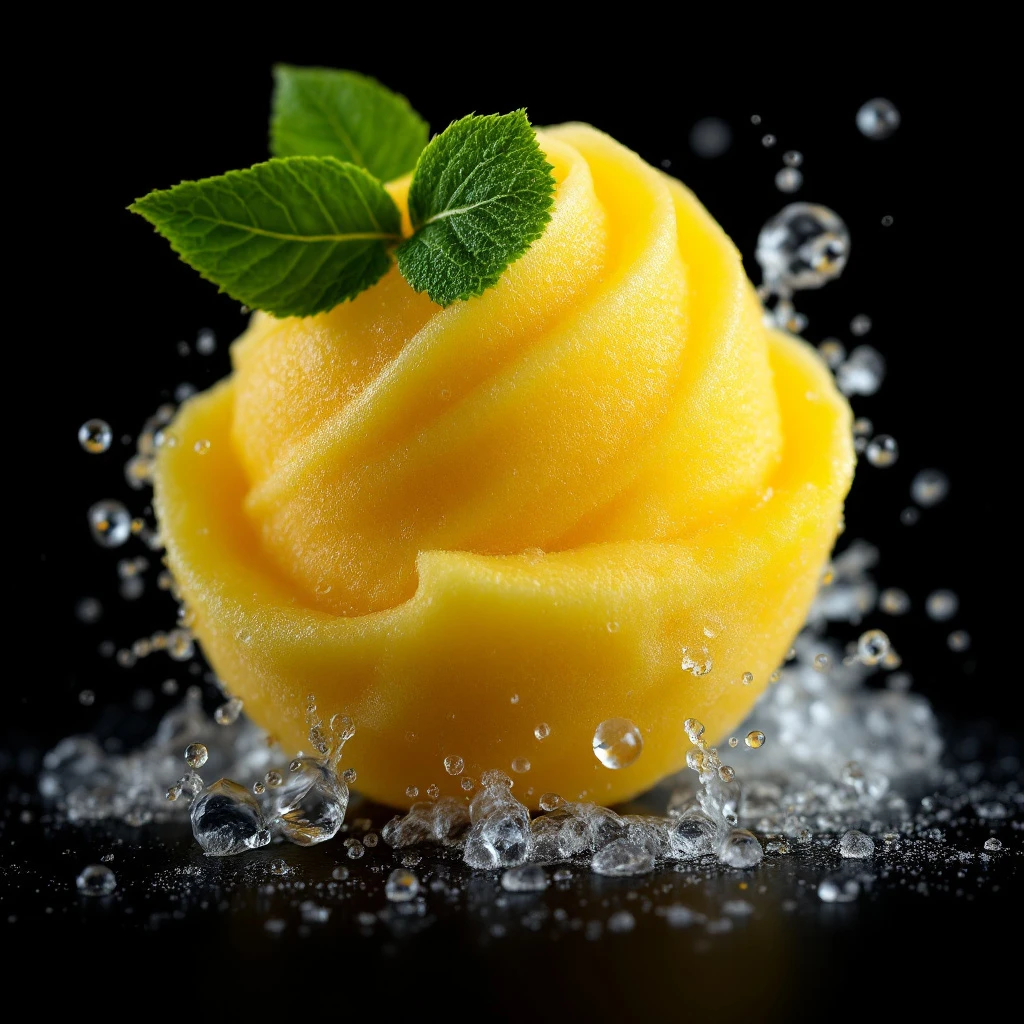
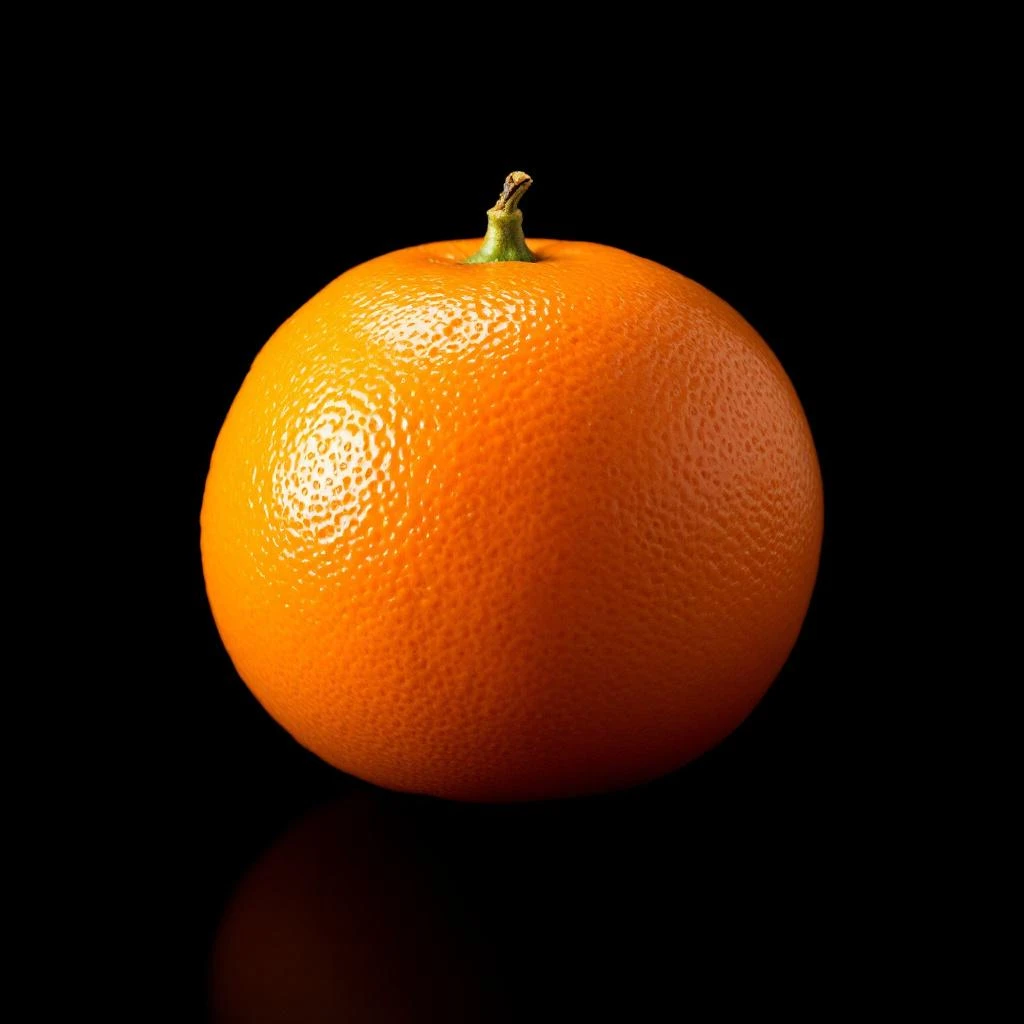
Mandarin Sorbet captures the bright, sweet-tart zest of ripe mandarin oranges at their peak. It delivers an effervescent citrus burst that feels like the first sip of a frozen citrus granita on a warm afternoon.
Character
How it smells
A frozen burst of sun-drenched citrus.
Mandarin oil contains naturally occurring aliphatic esters that give it an unusually soft, sweet character compared to sharper citrus relatives like lemon or grapefruit.






Origin
China
The mandarin tree (Citrus reticulata) originated in China and has been cultivated there for over 3,000 years. Its name derives from the court officials of the Chinese Imperial Court, who famously prized the fruit for its bright color and sweet flavor.
Mandarin spread along ancient trade routes, reaching the Mediterranean by the 19th century where it quickly gained popularity in Italy and Spain. The fruit entered European perfumery alongside other citrus materials, but perfumers discovered early on that mandarin oil offered something distinct from orange or lemon: a softer, sweeter profile with subtle floral undertones that made it especially valuable for top-note construction.
Today, Brazil, Italy, and Spain rank among the largest producers of mandarin essential oil for perfumery. The Sorbet descriptor in modern fragrance language references the frozen, granita-like quality this citrus note lends to compositions, a playful nod to its refreshing, palate-cleansing character.
Wears it best
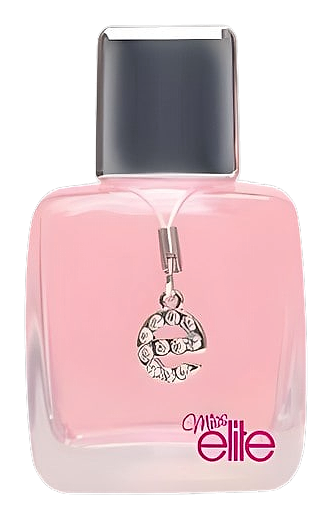
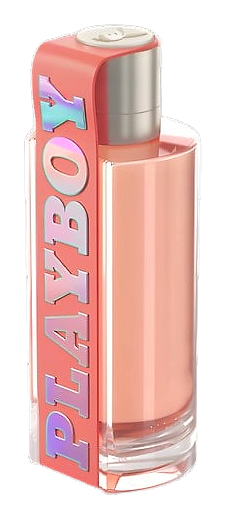
Fragrances featuring Mandarin Sorbet

Brands
Brands known for Mandarin Sorbet
Good to know
Questions, answered
The essentials on Mandarin Sorbet in perfumery: how it smells, where it comes from, and how it behaves on skin.
What does Mandarin Sorbet smell like?
It smells like the bright, juicy zest of a ripe mandarin with sweet and slightly floral facets. The sorbet descriptor evokes a frozen granita quality: cold, effervescent, and refreshing.
How is Mandarin Sorbet extracted?
Through cold expression of the fruit peel. The rind is mechanically pressed without heat, preserving delicate top notes that give mandarin its characteristic soft, sweet freshness.
Is Mandarin Sorbet a natural or synthetic ingredient?
It typically starts as a natural cold-pressed oil from Citrus reticulata peel. Fragrance houses often blend it with nature-identical aroma chemicals to reinforce the sorbet effect and ensure batch consistency.
What fragrance families pair well with Mandarin Sorbet?
It bridges citrus, floral, and fruity families. Classic pairings include jasmine, neroli, and rose. It also works with vanilla, spices, and woody base notes for contrast.
Where does mandarin for perfumery originate?
China is the botanical origin of Citrus reticulata. Today Brazil, Italy, and Spain are major producers. The climate in these regions produces fruit with high aromatic yield in the peel.
How does Mandarin Sorbet differ from other citrus notes?
Unlike lemon or grapefruit, mandarin carries naturally occurring esters that create a softer, sweeter character with floral undertones rather than sharp acidity.
What is the shelf life of mandarin oil?
Unopened, properly stored mandarin oil remains viable for one to two years. Once opened, oxidation reduces potency within six to twelve months.
Is Mandarin Sorbet safe for skin use?
Natural mandarin oil is safe at standard perfume concentrations. As with all citrus materials, consult IFRA guidelines for specific applications due to potential phototoxicity.