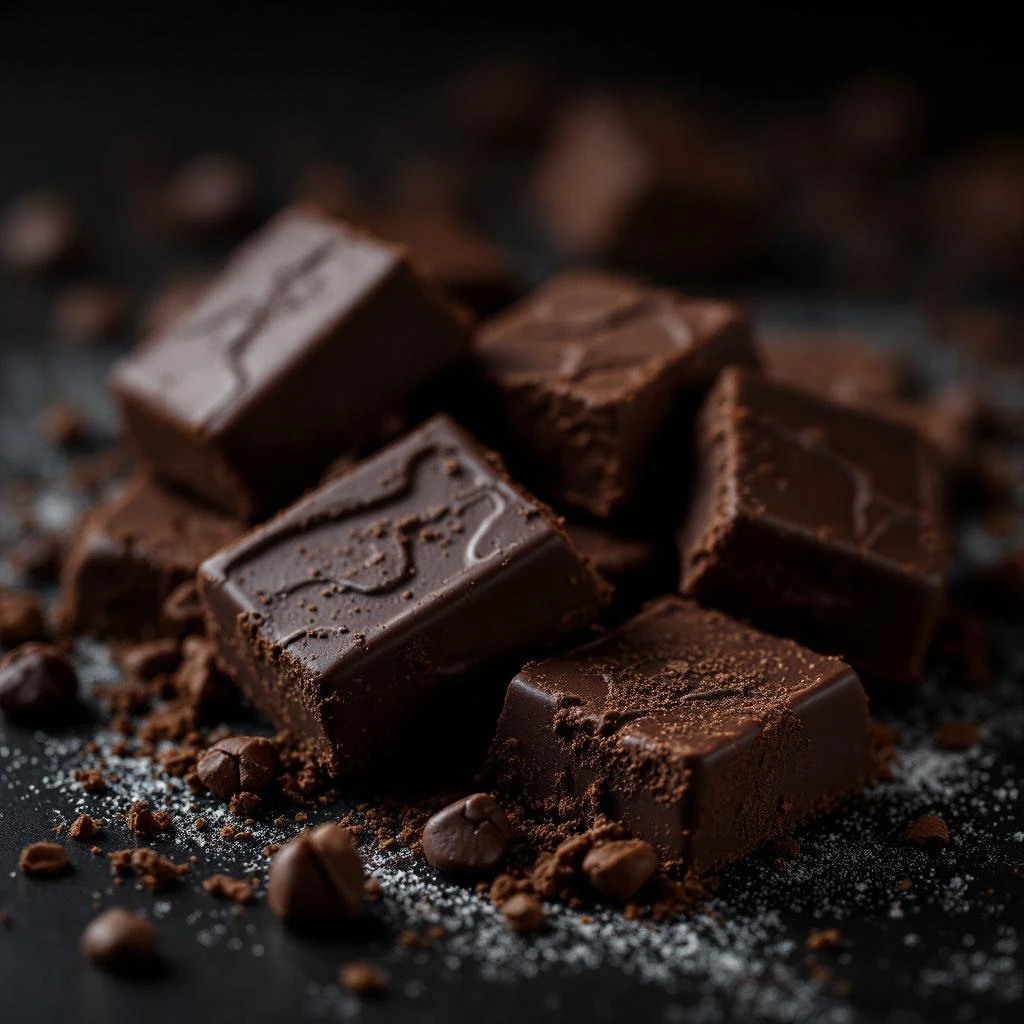
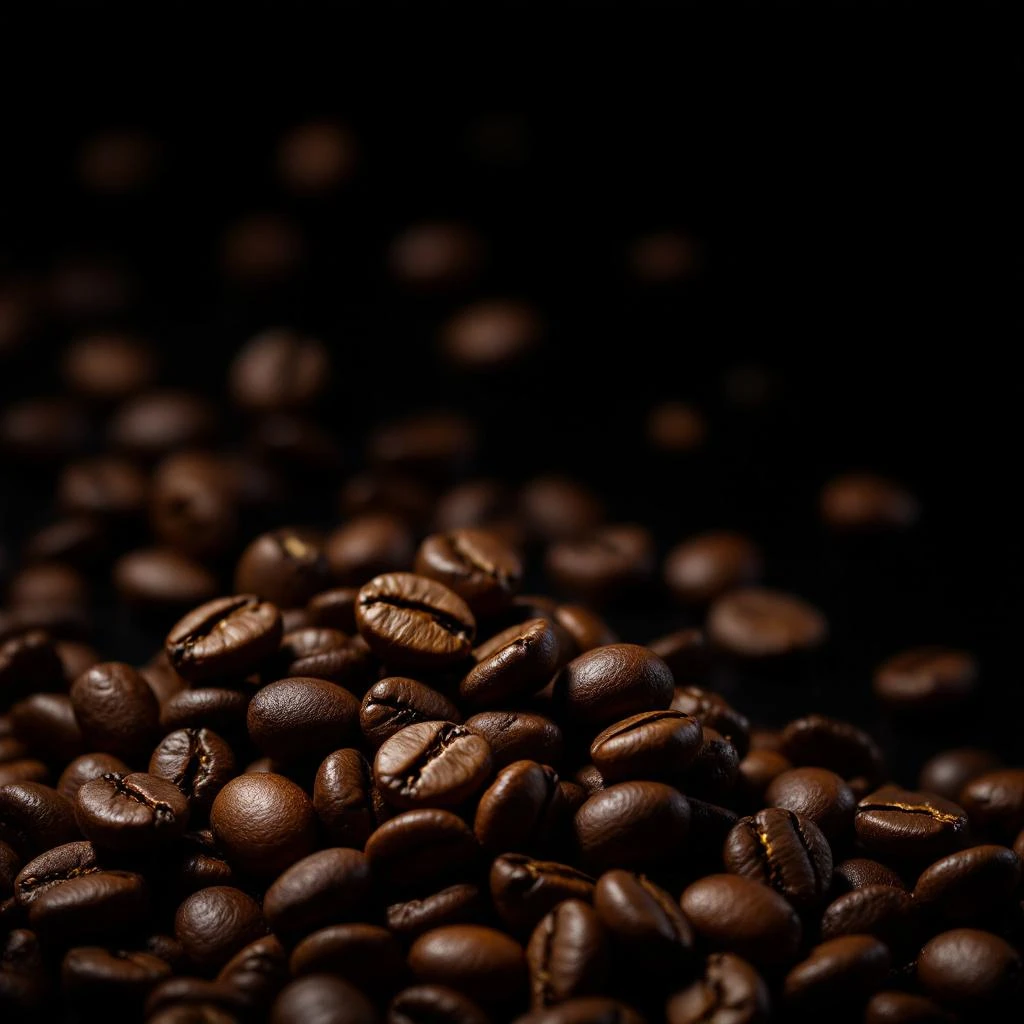
Bergamot Sorbet
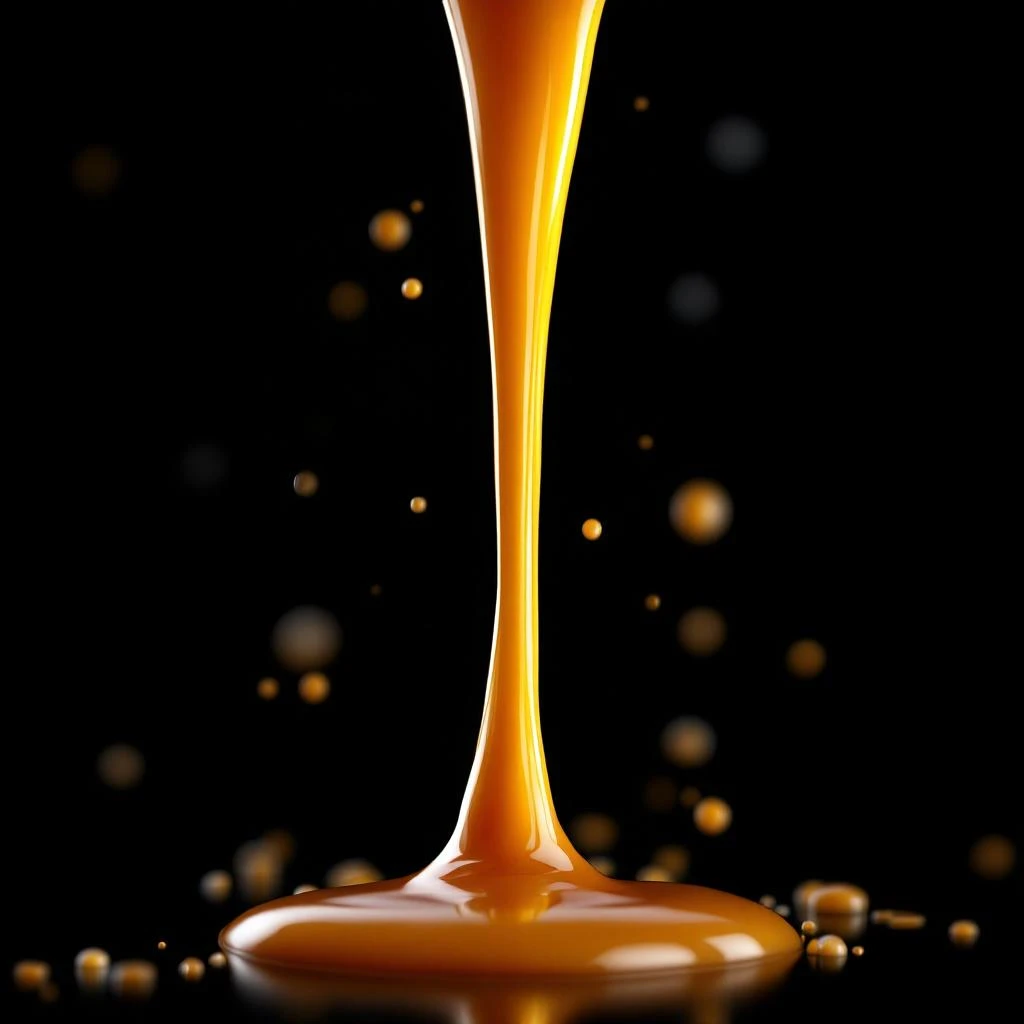
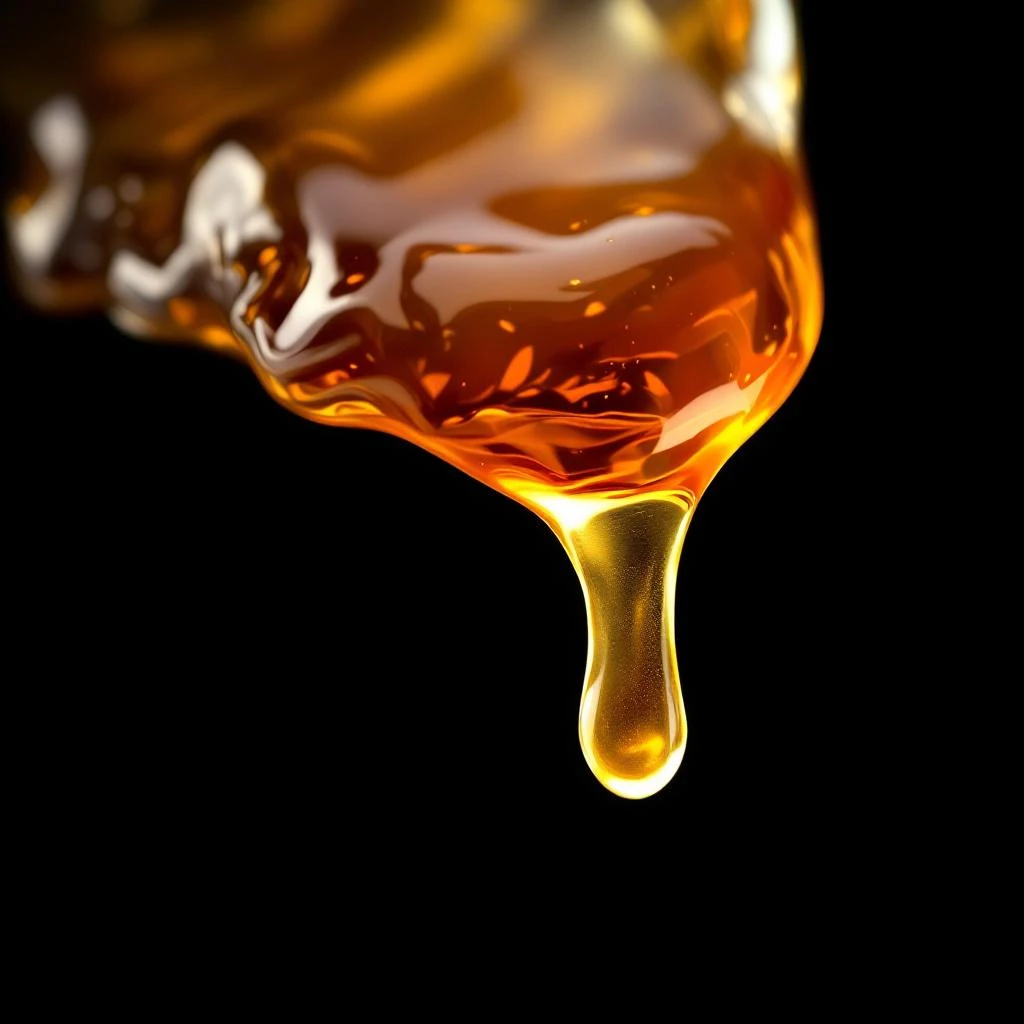
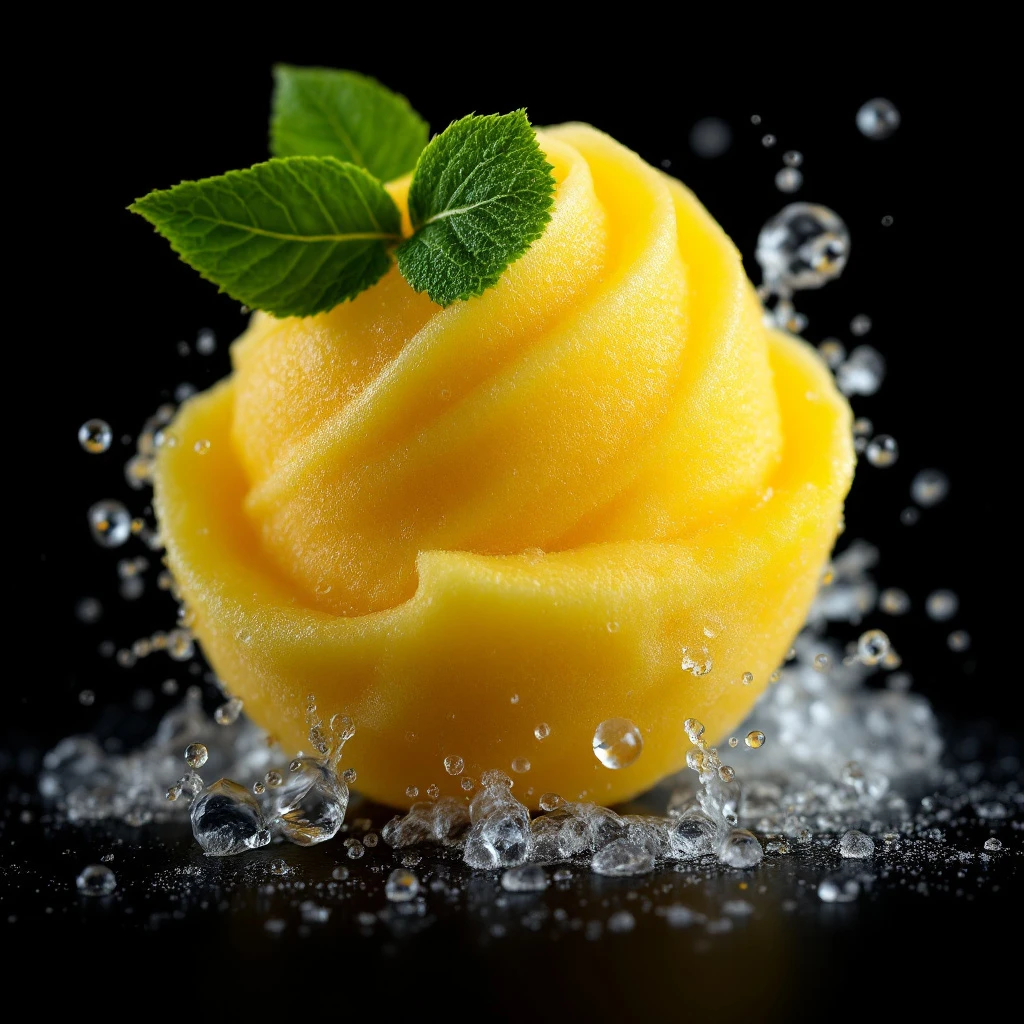
A bright citrus accord marrying Calabrian bergamot's sparkling freshness with the cool, crystalline quality of frozen sorbet. Part natural, part laboratory.
Character
How it smells
Where Calabrian citrus meets frozen dessert
While bergamot is real, 'sorbet' in perfumery is entirely synthetic — a molecular reconstruction of frozen fruit sweetness.



Origin
Italy
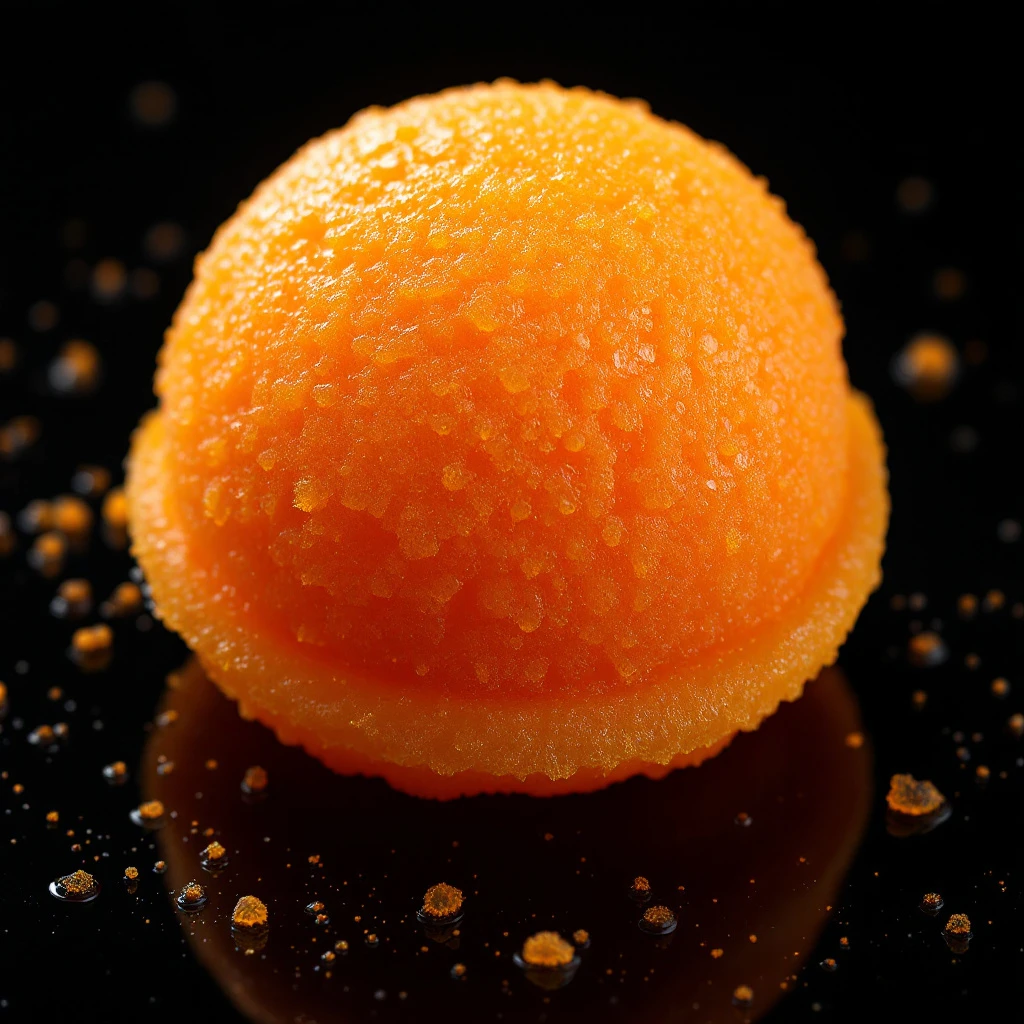
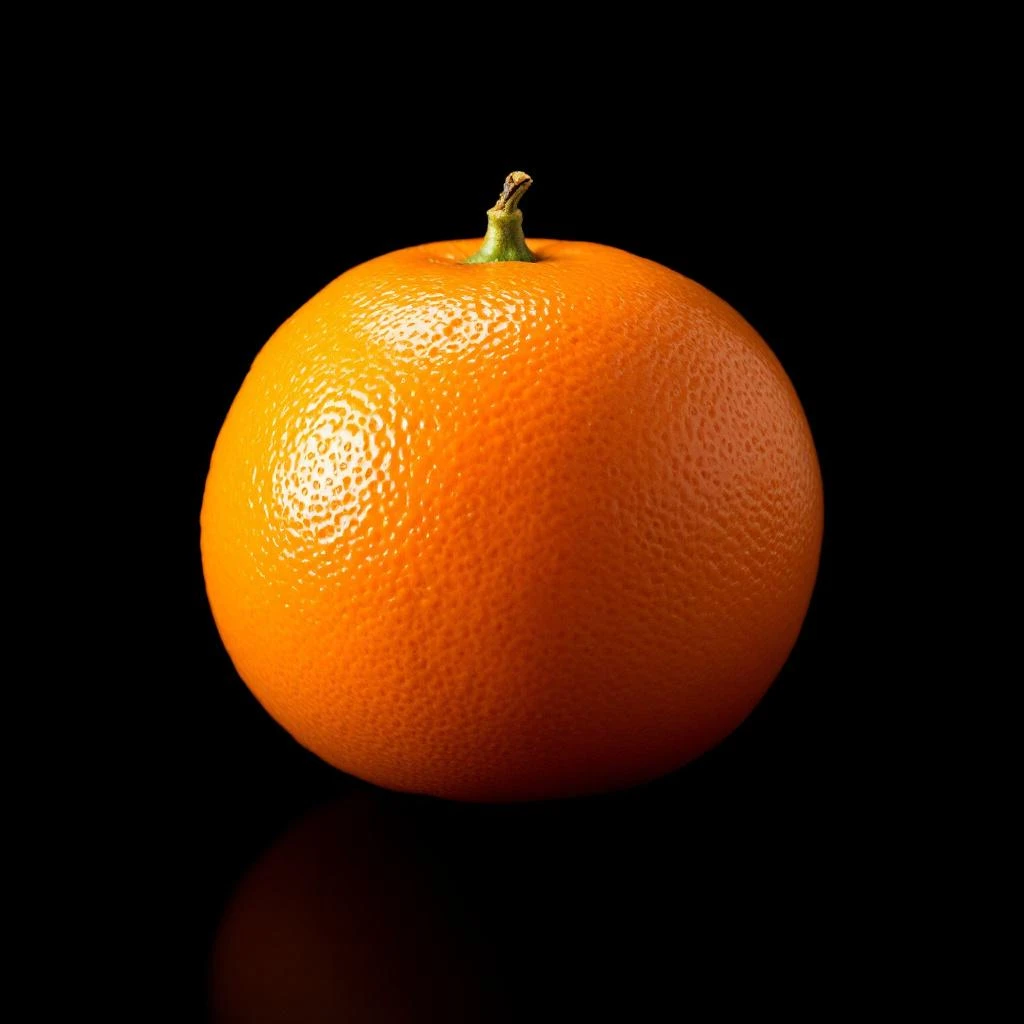
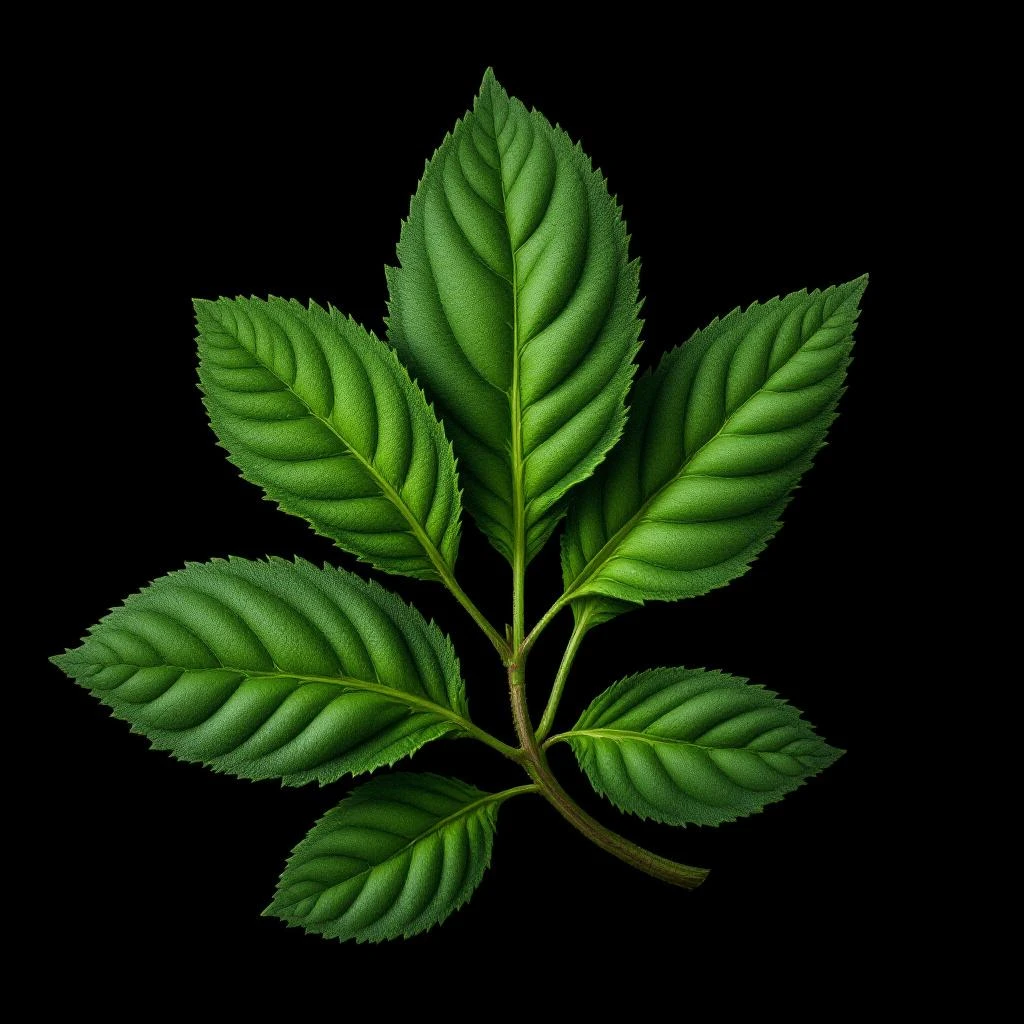
The bergamot tree Citrus Bergamia carries mysterious origins. Historical records suggest Southeast Asian beginnings, though Italian cultivation has flourished for over 600 years in Calabria's unique microclimate. The fruit itself looks unassuming: green when unripe, turning golden yellow at maturity.
In the 17th century, bergamot found an unexpected application. Artisans in Calabria, Sicily, and Grasse crafted small decorative boxes from the fruit's thick peel, hollowing and polishing them into containers for precious powders and pomades. These bergamots became sought-after luxury items, bridging the culinary and cosmetic worlds.
Modern perfumery transformed bergamot into one of fragrance's most prized citrus materials. Its complex profile, balancing sweet brightness with subtle floral undertones, made it invaluable as a top note that could bridge disparate fragrance elements.
Wears it best
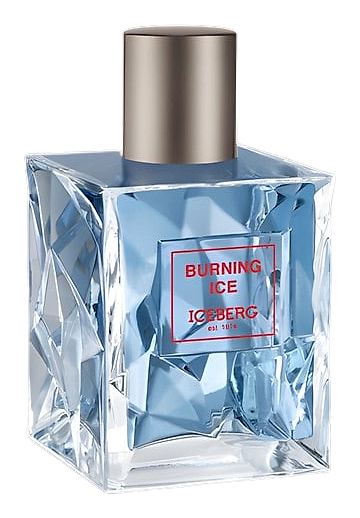
Fragrances featuring Bergamot Sorbet

Good to know
Questions, answered
The essentials on Bergamot Sorbet in perfumery: how it smells, where it comes from, and how it behaves on skin.
What is the Bergamot Sorbet accord made of?
Bergamot Sorbet combines real cold-pressed bergamot oil with a synthetic sorbet accord. The natural component provides authentic citrus brightness, while lab-created aroma chemicals produce the sensation of frozen fruit.
How does synthetic sorbet create a cooling effect without temperature?
Synthetic sorbet compounds trigger the trigeminal nerve's coolness receptors, producing a perceptual chill. Menthyl methyl ether and similar molecules create this phantom cold sensation purely through chemical interaction.
Where does bergamot oil used in perfumery originate?
Over 90 percent of world bergamot production comes from Calabria, Italy, along a narrow coastal strip. The region's specific soil composition and microclimate produce bergamot with a consistently high linalool and linalyl acetate content.
Is the sorbet note natural or synthetic?
The sorbet accord is entirely synthetic. No natural extraction can produce the cool, crystalline quality of frozen desserts. Perfumers build this effect molecule by molecule using specific aroma chemicals.
How long has bergamot been cultivated for perfume?
Bergamot cultivation in Calabria dates back approximately 600 years. By the 17th century, it had become a significant ingredient in the emerging European perfume industry centered around Grasse.
What makes Calabrian bergamot superior for perfumery?
Calabrian bergamot contains a distinctive ratio of linalool to linalyl acetate that produces its signature sweet-floral character. The coastal microclimate, with its temperature swings and sea air, concentrates these compounds in the peel.
Can bergamot grow anywhere besides Italy?
Minor production exists in southern France and the Ivory Coast, but these volumes cannot match Calabrian quality. The bergamot tree requires very specific conditions to develop its perfumery-worthy aromatic profile.
Does harvest timing affect bergamot's scent?
Green, unripe bergamot yields a sharper, more bitter oil with higher bergapten content. Yellow, fully ripe fruit produces a sweeter, more rounded fragrance with less photosensitizing compounds.