Malaysian Propolis
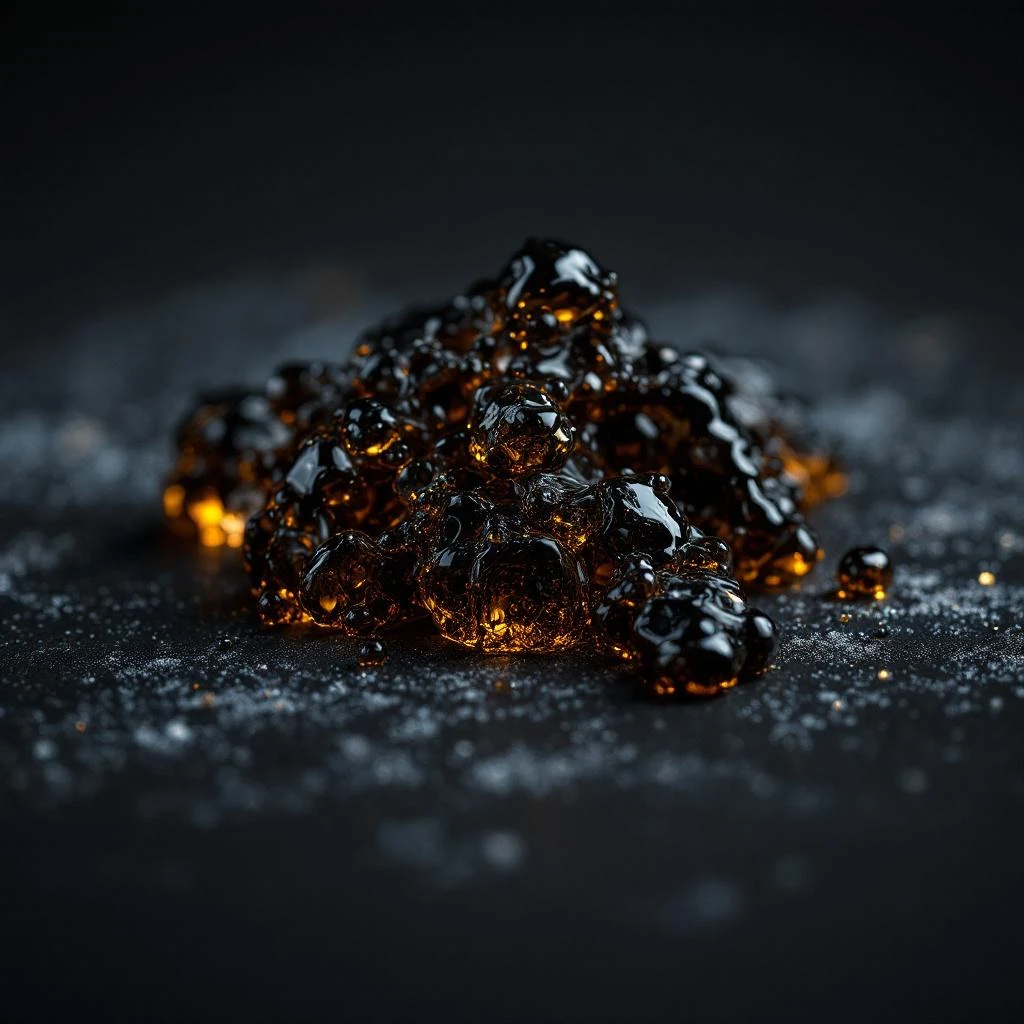
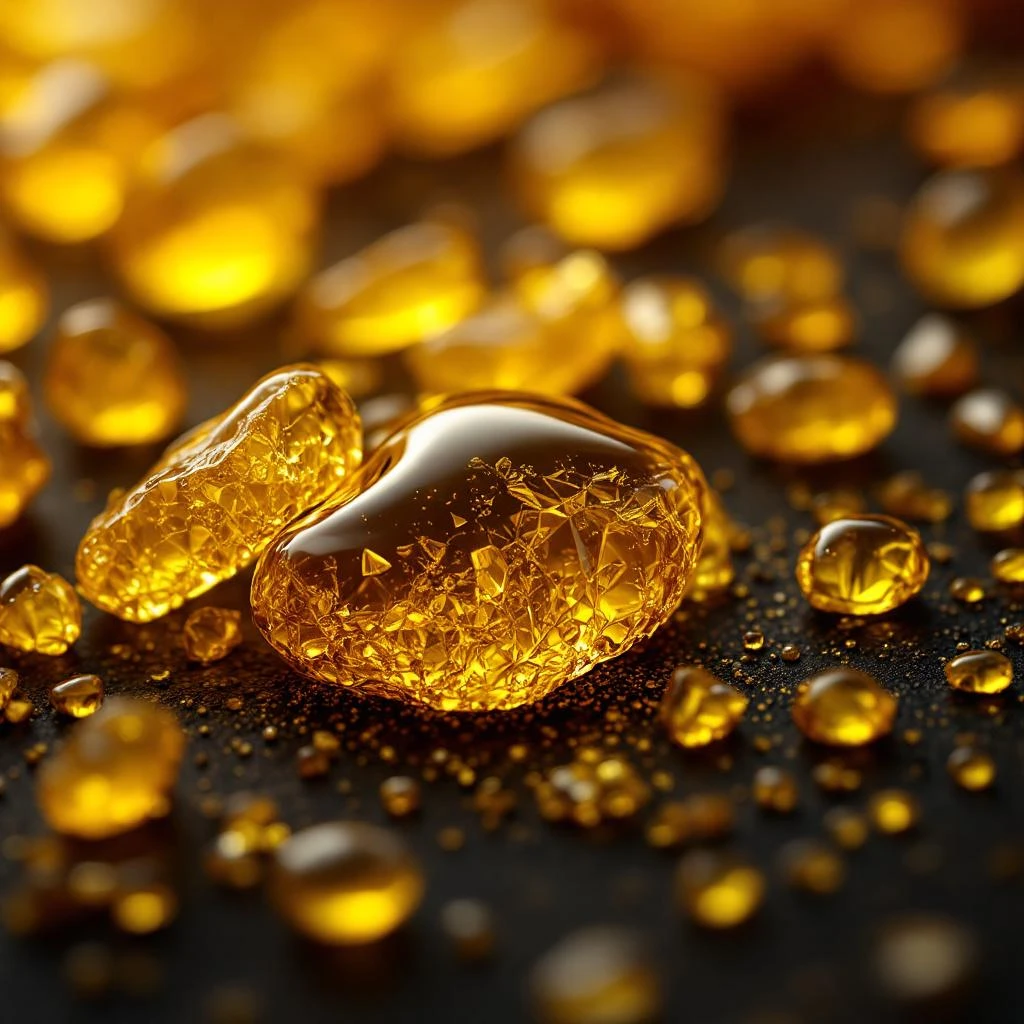
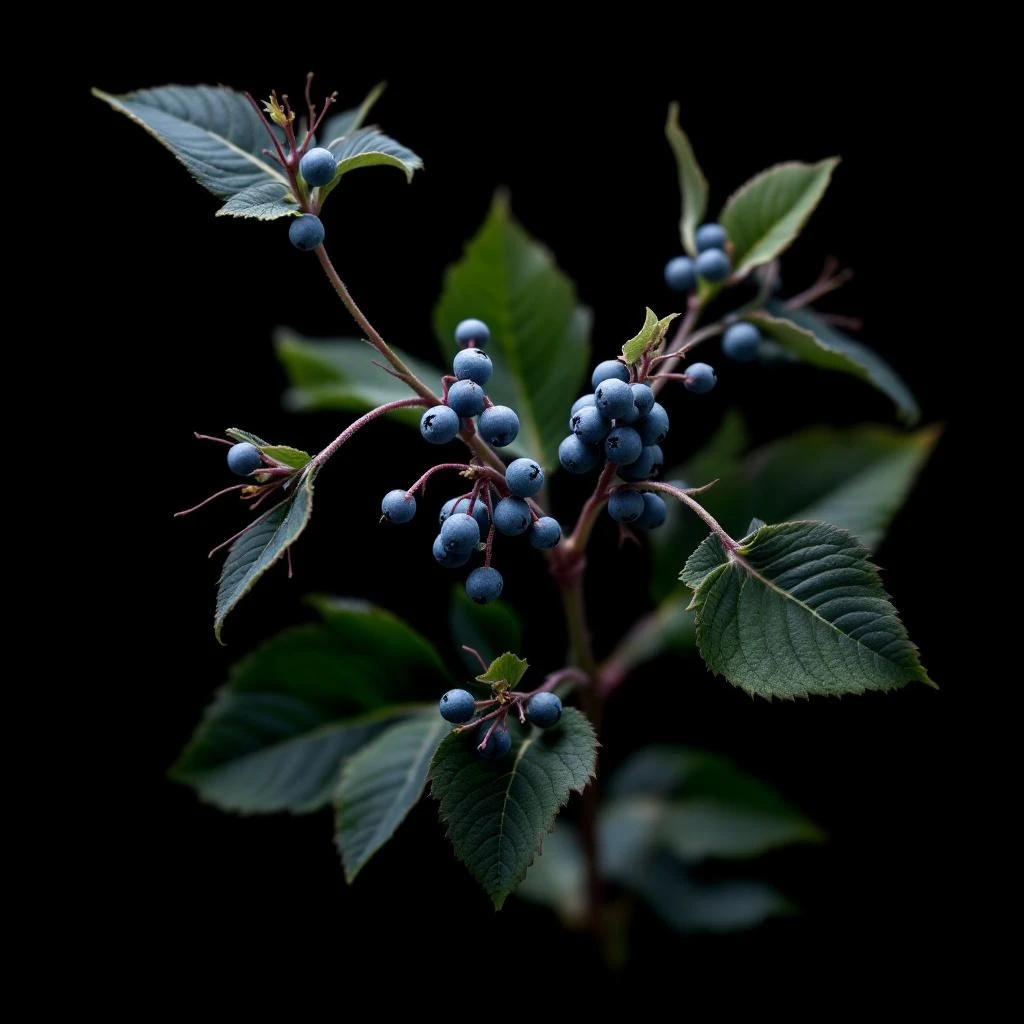
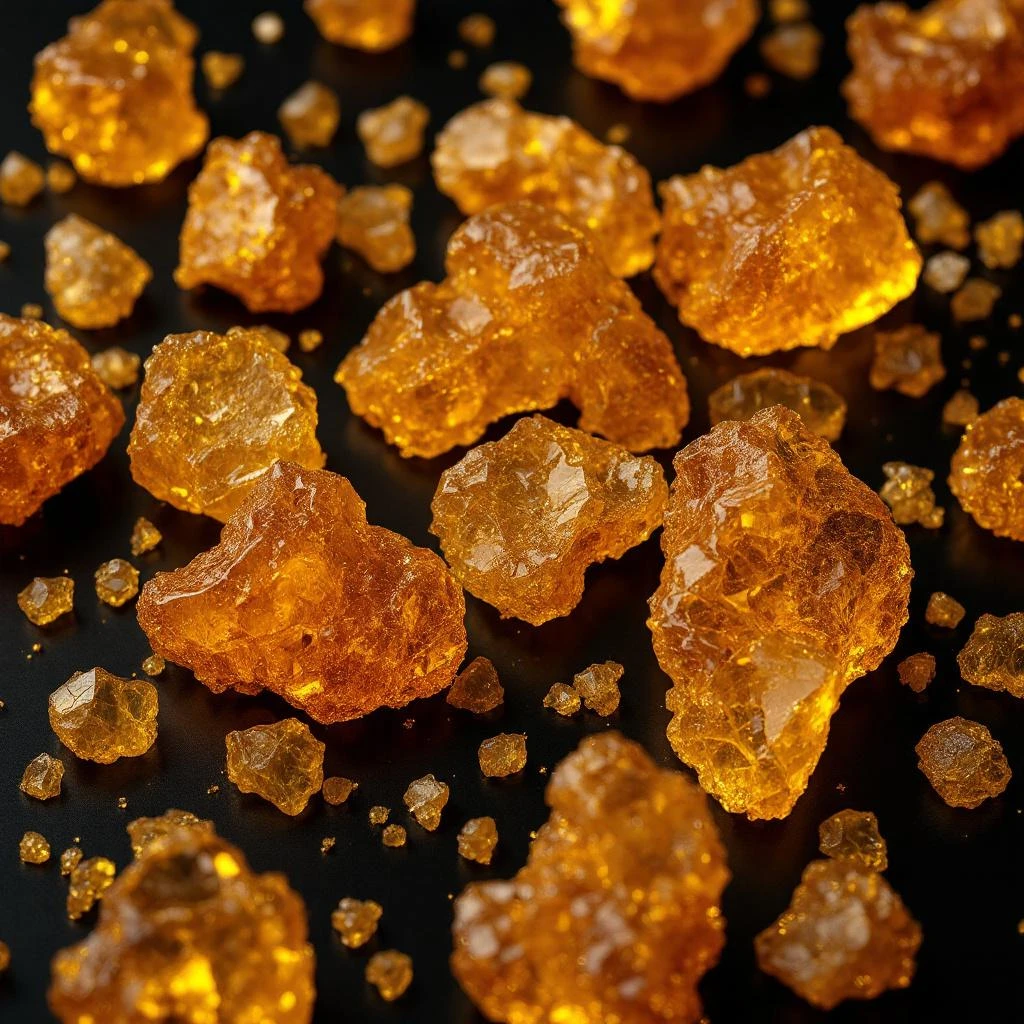
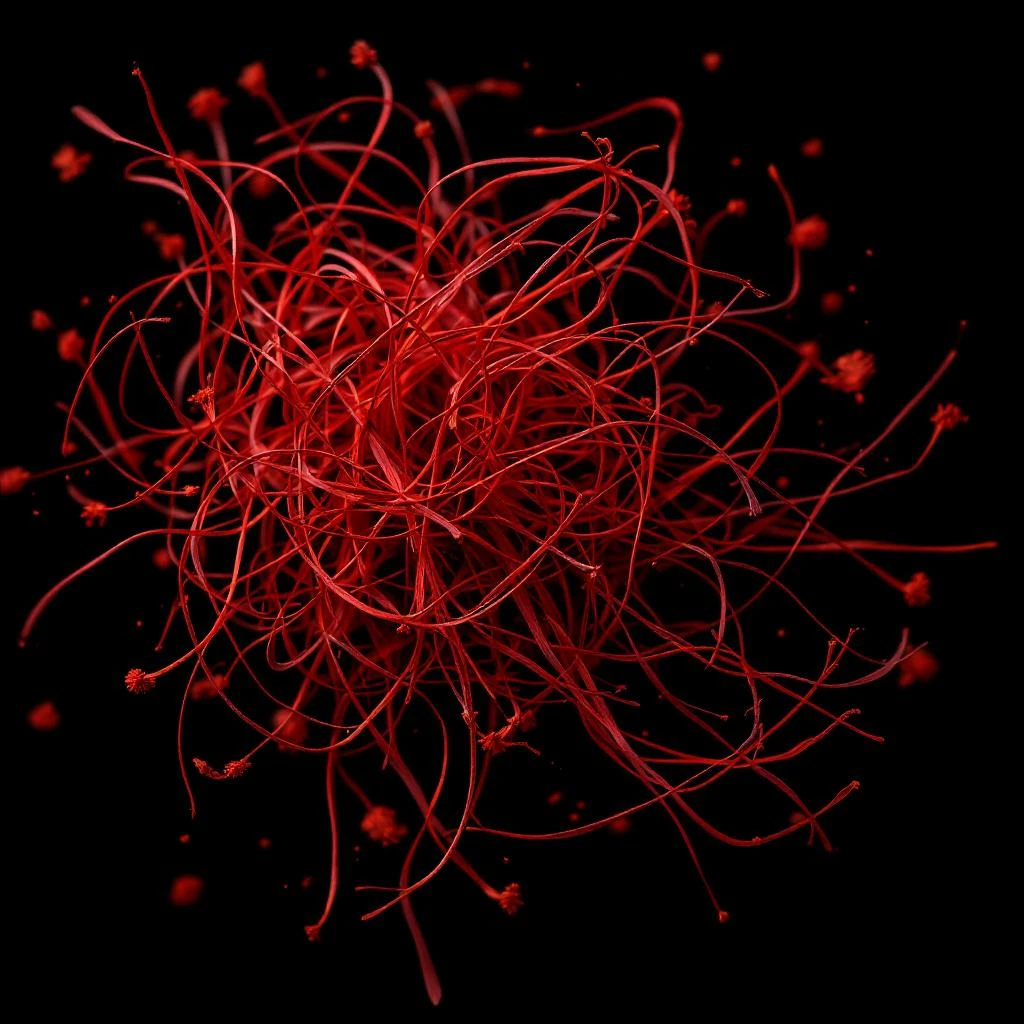
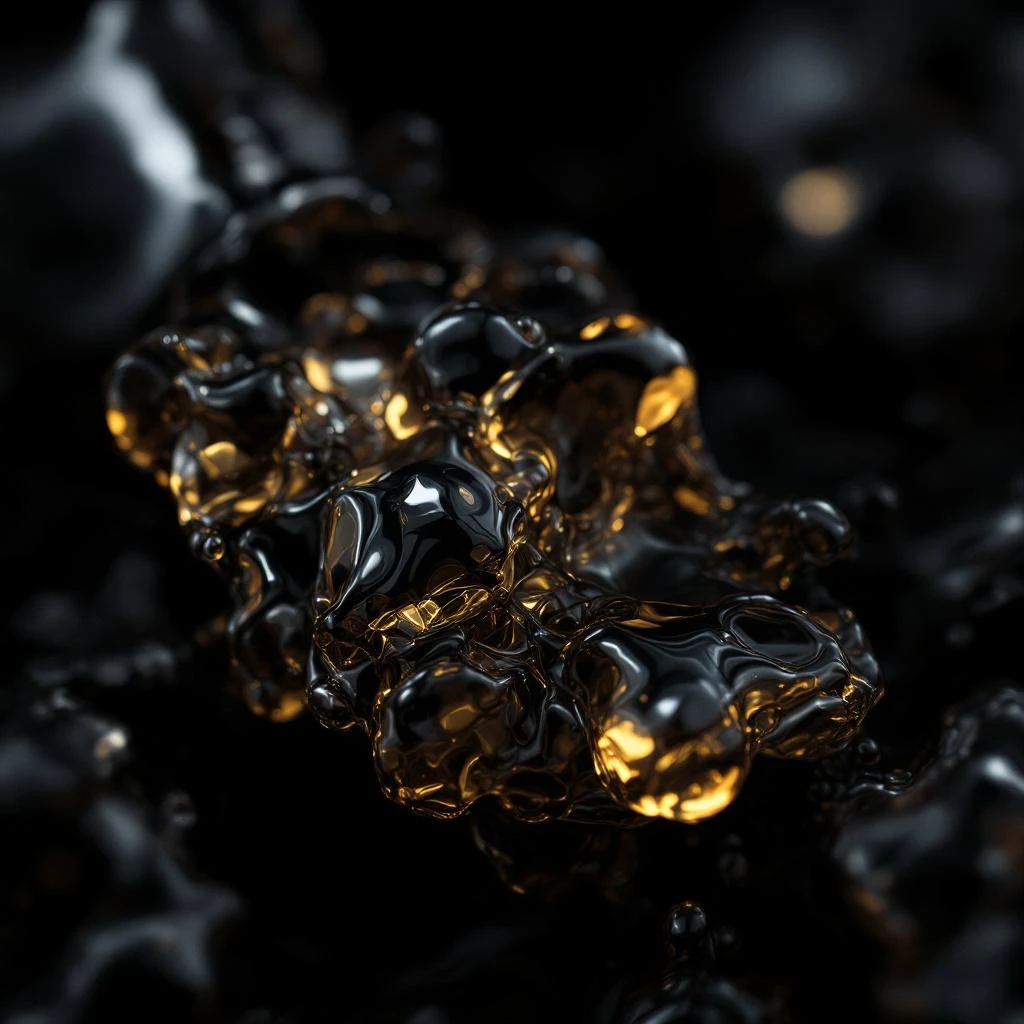
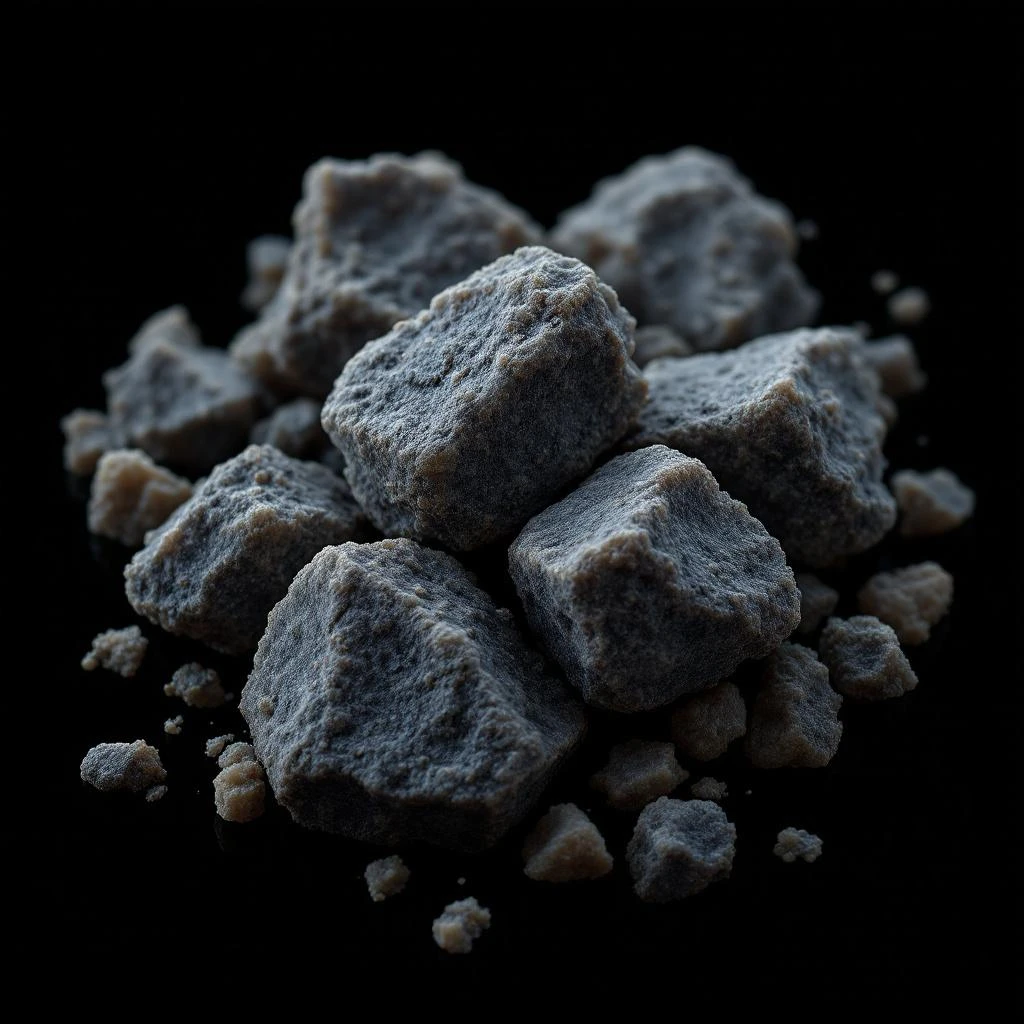
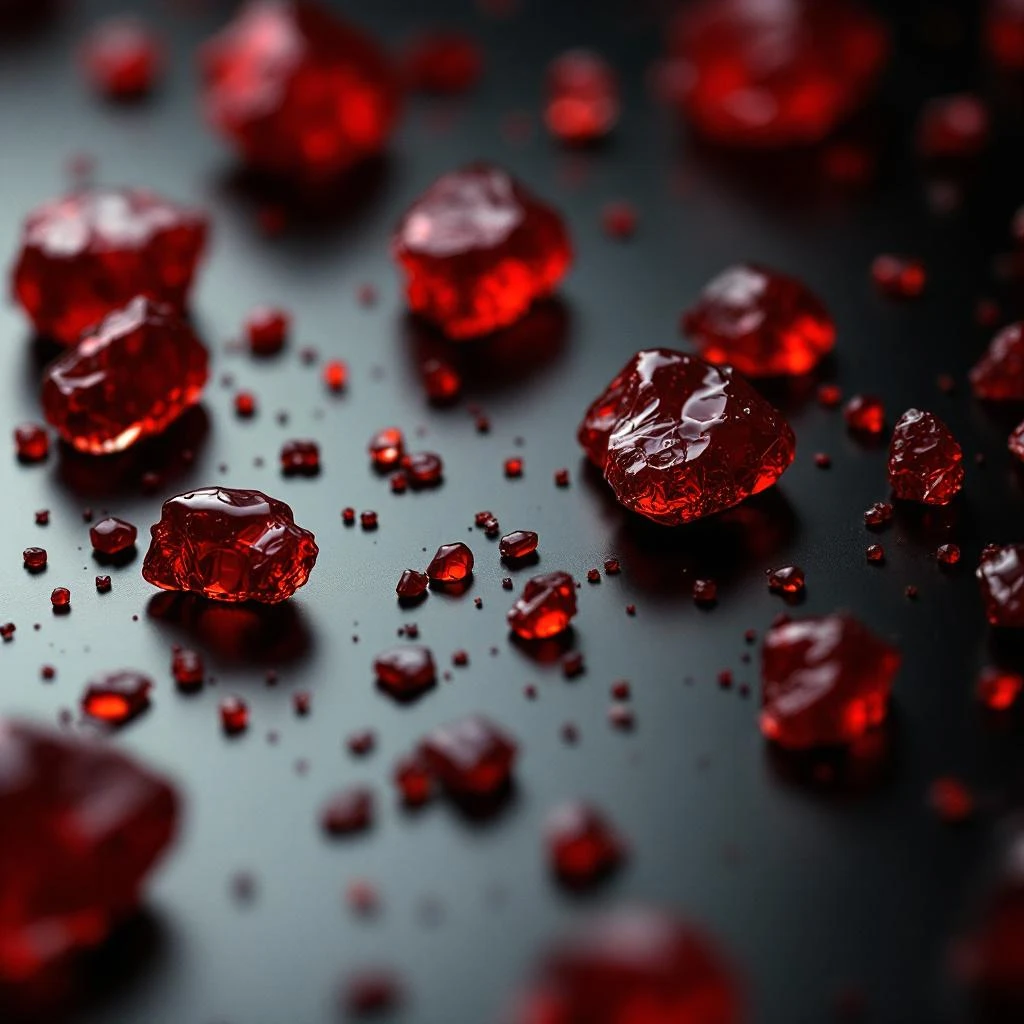
Malaysian propolis is a rare resinous material harvested by stingless bees (Trigona spp.) from tropical rainforest trees. Prized in fine perfumery for its warm, balsamic depth, it adds a unique honey-wax accord rarely found in other naturals.
Character
How it smells
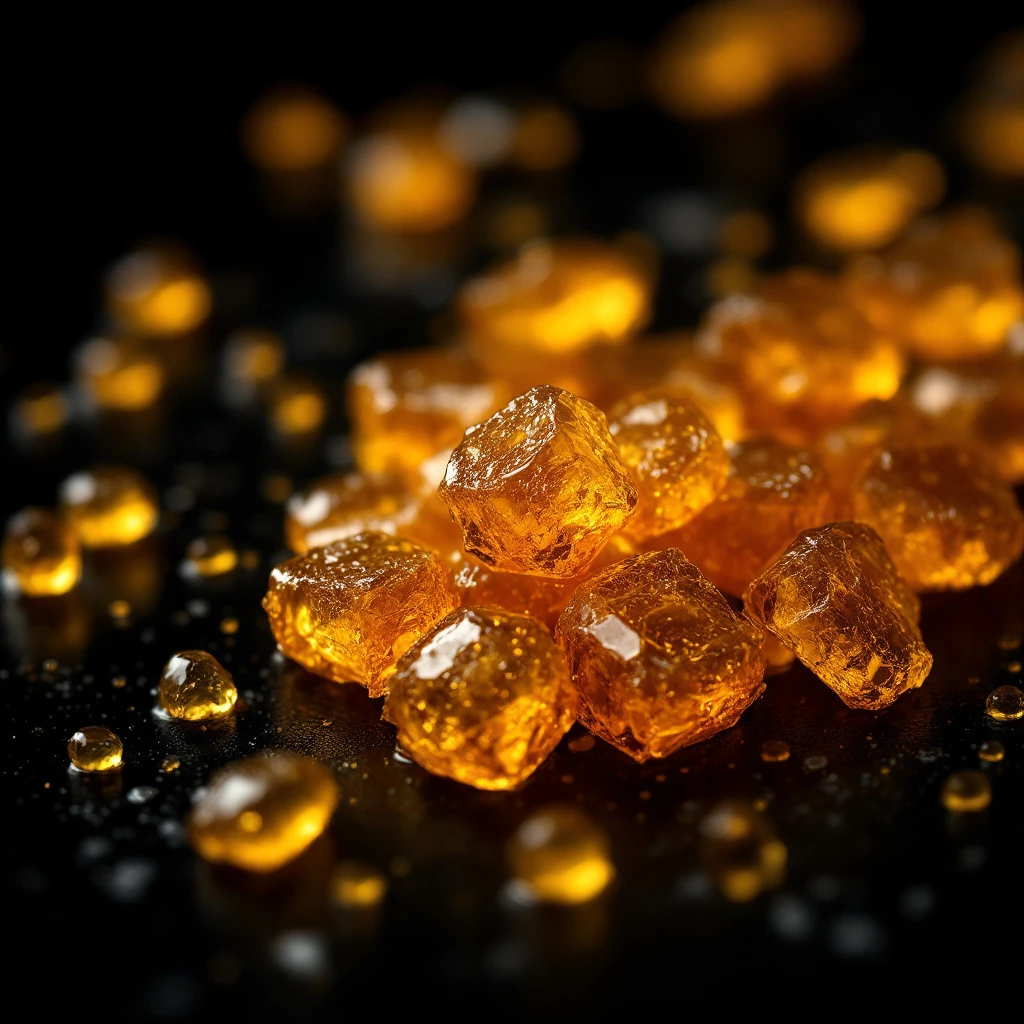
Stingless bee resin from the Malaysian rainforest canopy.
Stingless bees in Malaysia have been kept by indigenous communities for centuries, with harvest seasons tied to specific rainforest tree flowering cycles.



Origin
Malaysia
The use of propolis by Malaysian indigenous communities dates back centuries, rooted in traditional medicine practices across Borneo and the Malay Peninsula. Communities including the Iban and Dayak peoples maintained wild stingless bee colonies specifically for medicinal propolis, which they used in wound treatments and tonics.
Stingless bee keeping, known locally as Cherpen, formed part of broader forest stewardship traditions passed through generations. The aromatic application of Malaysian propolis in perfumery emerged only in recent decades, as natural perfumers began exploring beyond conventional ingredients to capture the scent character of Southeast Asian forests.
This aligns with a wider rediscovery of regional natural materials that followed shifts in perfumery philosophy toward authentic origin stories and ingredient transparency. Today, Malaysian propolis occupies a niche but growing position among specialty naturals used by independent perfumers who seek distinctive rainforest-derived accords.
Wears it best
Fragrances featuring Malaysian Propolis
Brands
Brands known for Malaysian Propolis
Good to know
Questions, answered
The essentials on Malaysian Propolis in perfumery: how it smells, where it comes from, and how it behaves on skin.
What does Malaysian propolis smell like in a fragrance?
Malaysian propolis has a warm, balsamic scent with honey-wax facets, dried botanical tones, and a subtle resinous depth that adds richness to base compositions.
Is propolis the same as beeswax in perfumery?
No. Propolis is a bee-collected resin, while beeswax is the structural material bees use to build hives. Propolis has a more complex aromatic profile with balsamic and resinous notes that beeswax lacks.
How is propolis different from other bee-derived fragrance ingredients?
Unlike honey (a sugar product) or royal jelly, propolis is a plant-resin material transformed by bees. Its scent comes from rainforest tree resins rather than nectar sources, giving it a distinctly woody-balsamic character.
Why is Malaysian propolis considered rare in perfumery?
Stingless bees produce propolis in small quantities, and the material requires careful extraction to preserve its delicate aromatic compounds. Malaysia's rainforest sourcing further limits supply compared to propolis from temperate climates.
What fragrance families pair well with Malaysian propolis?
Malaysian propolis works well in oriental, woody, and ambery compositions. It adds warmth and natural complexity when combined with sandalwood, oud, amber materials, and vanilla.
Does propolis add any functional benefits to fragrances?
Beyond scent, propolis extracts contain natural antioxidants that can help stabilize fragrance formulations. This functional property makes it useful for natural and botanical perfume lines.
How does the rainforest environment affect propolis quality?
The biodiversity of Malaysian rainforests means bees collect resin from multiple tree species, creating a more chemically complex propolis with a broader scent profile than single-source alternatives.
What extraction method best preserves propolis fragrance?
Supercritical CO2 extraction is considered superior for propolis because it operates at low temperatures and captures a wider range of aromatic compounds, including heat-sensitive esters that solvent methods may partially degrade.