Magnolan
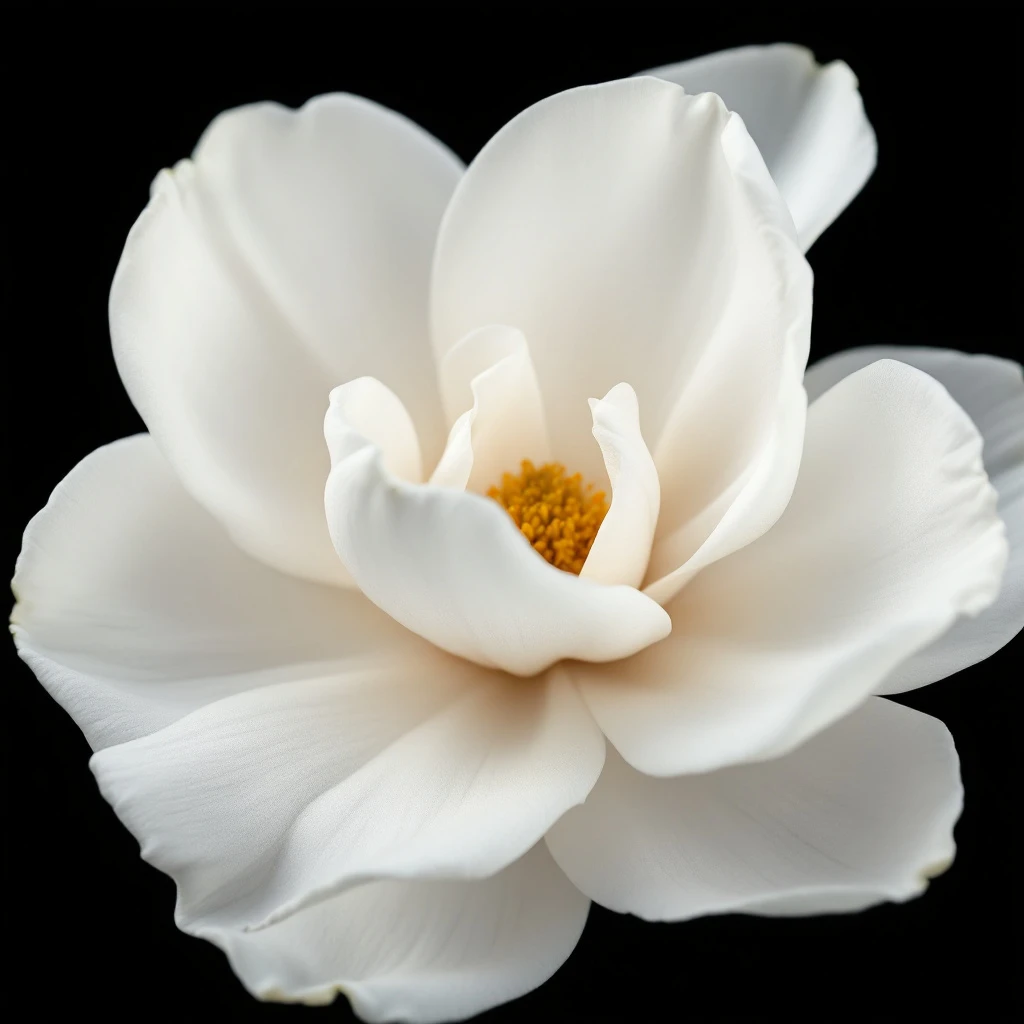
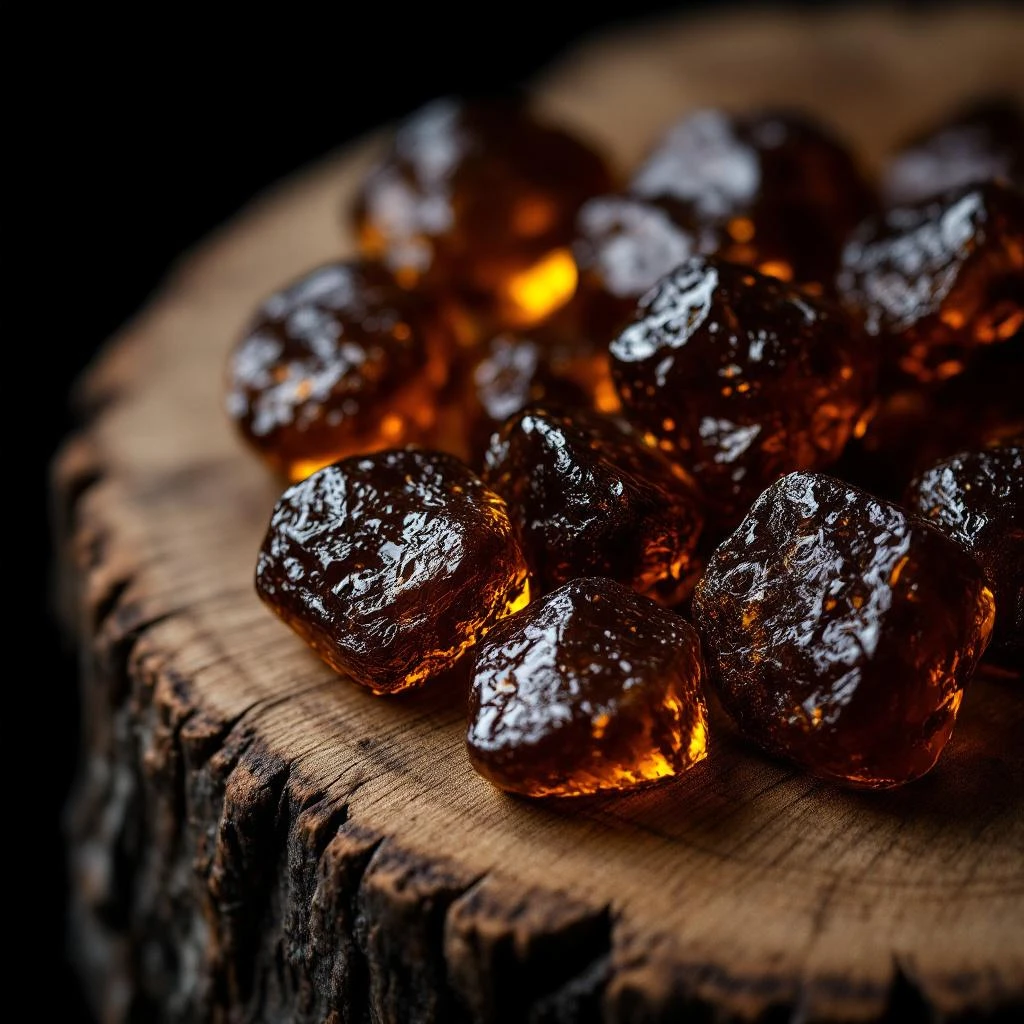
Magnolan brings magnolia's lush floral depth with a burst of fruity brightness and crisp green undertones. This synthetic aroma chemical rose to prominence in modern perfumery for its uncanny ability to make white flowers feel naturally radiant and freshly plucked. Think dewy petals warmed by morning sun.
Character
How it smells
Synthetic floral with a green, fruity lift.
First launched by Haarmann & Reimer in 1960s Germany, the same house that gave us vanillin and coumarin.






Origin
Germany
Magnolan entered the fragrance industry in the 1960s through Haarmann & Reimer, a German chemistry house founded in the 19th century that pioneered many early synthetic aroma molecules. H&R merged with other flavour and fragrance firms over the decades, eventually becoming part of Symrise in 2003.
Its introduction coincided with a wave of synthetic ingredients that reshaped perfumery, giving chemists tools that natural extracts could not provide. Before Magnolan, achieving a convincing magnolia or gardenia character required expensive natural absolutes or tedious enfleurage techniques.
Magnolan democratised bright, natural-smelling white florals, making them accessible across mass and luxury markets. Today it appears in thousands of fragrances as a bridge between top and heart notes, lending freshness and credibility to compositions that might otherwise feel flat or synthetic.
Wears it best
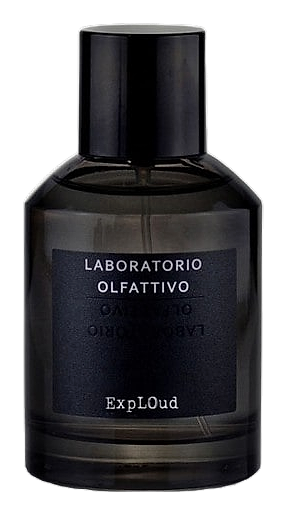
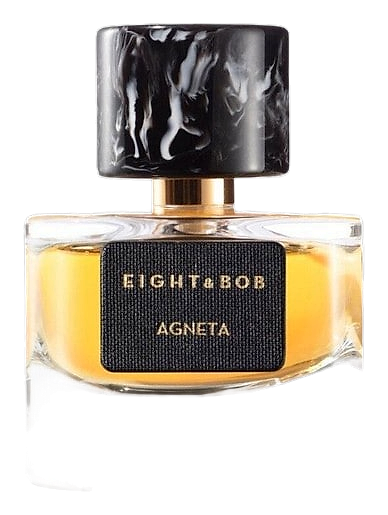
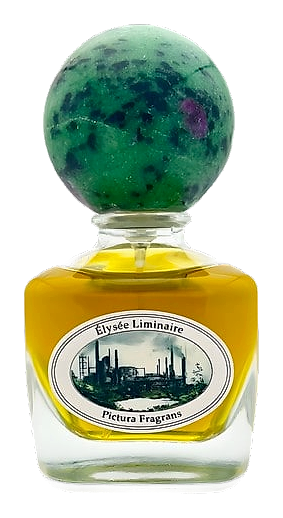
Fragrances featuring Magnolan
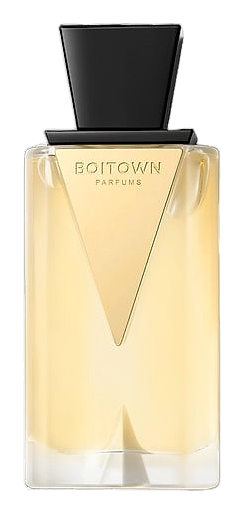
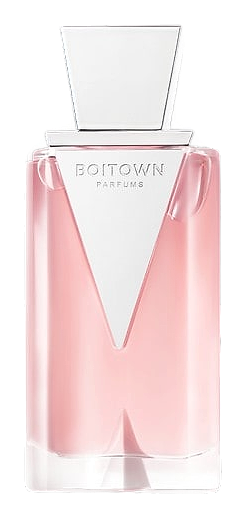
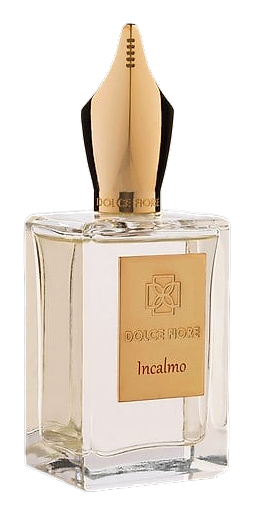
Brands
Brands known for Magnolan
Good to know
Questions, answered
The essentials on Magnolan in perfumery: how it smells, where it comes from, and how it behaves on skin.
What is Magnolan?
Magnolan is a synthetic aroma chemical used in fine fragrances to add lush white floral character with fruity and green undertones. It is a trade name for a specific chemical compound that mimics the scent of magnolia blossoms.
How does Magnolan smell?
Magnolan smells like magnolia petals with added green freshness and fruit-like brightness, evoking pear and citrus zest. Its combination of floral depth and lifted top notes makes white flower compositions feel naturally radiant.
When was Magnolan introduced to perfumery?
Magnolan first appeared in the 1960s, introduced by German fragrance house Haarmann & Reimer. The timing aligned with a broader shift toward synthetic ingredients that expanded creative possibilities for perfumers.
Is Magnolan found in nature?
Magnolan does not occur naturally in significant concentrations. While its chemical relatives exist in plants like Litsea cubeba, the specific compound as used in perfumery is created through laboratory synthesis.
What type of fragrance compounds is Magnolan related to?
Magnolan belongs to the acyclic monoterpene alcohol family. It shares structural similarities with compounds found in citrus and floral essential oils, giving it that characteristic blend of fresh, sweet, and floral qualities.
How is Magnolan chemically produced?
Magnolan is synthesized through an aldol condensation reaction between decanal and acetone, followed by hydrogenation. This process, developed in the mid-20th century, produces a stable molecule with consistent olfactory properties across batches.
What makes Magnolan unusual compared to other florals?
Unlike rose or jasmine extracts that smell primarily floral, Magnolan combines fruit, green, and floral notes in a single molecule. This trifecta lets perfumers build complex white flower accords without layering multiple raw materials.
What fragrances feature Magnolan prominently?
Magnolan appears widely in modern florals, particularly white flower compositions and fruity chypres. It gained particular prominence after the 1980s as perfumers sought synthetic ingredients that could add naturalness without the cost or variability of natural extracts.