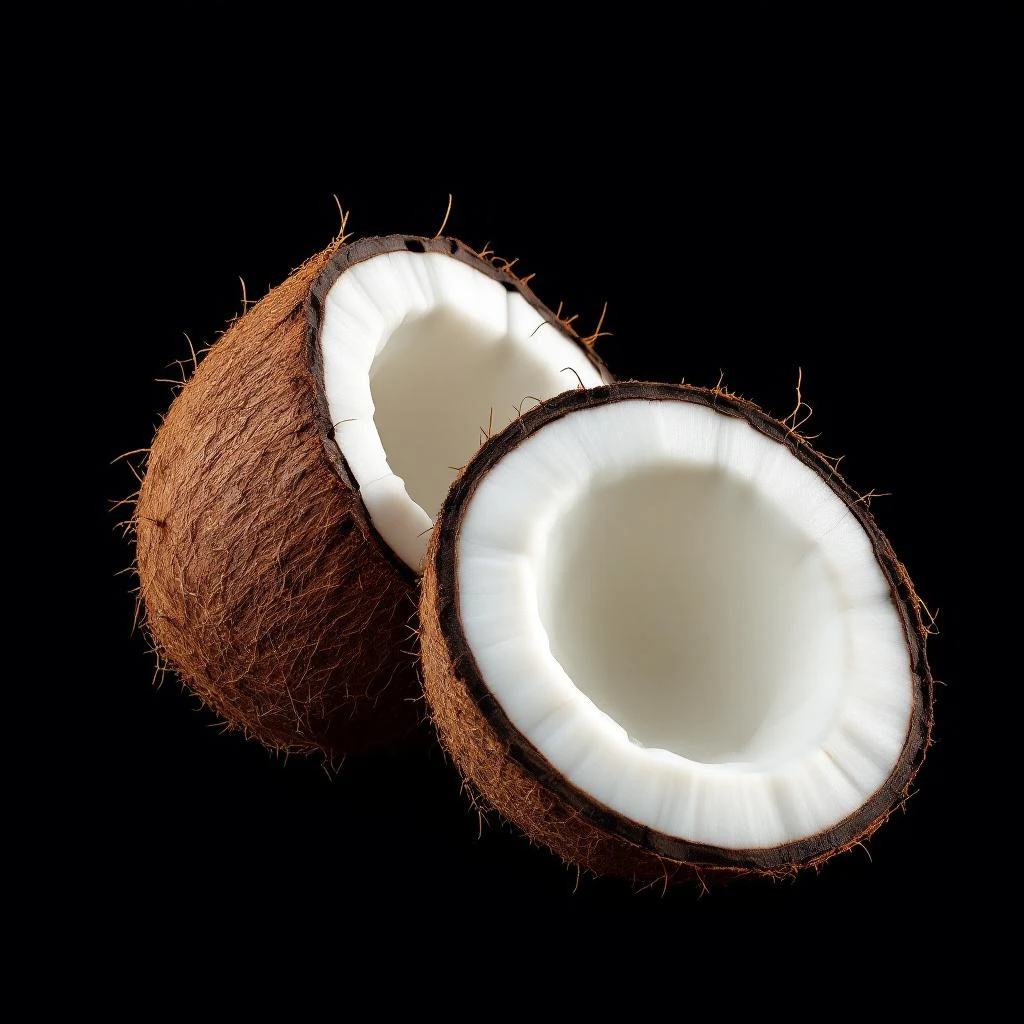
Lychee Praliné
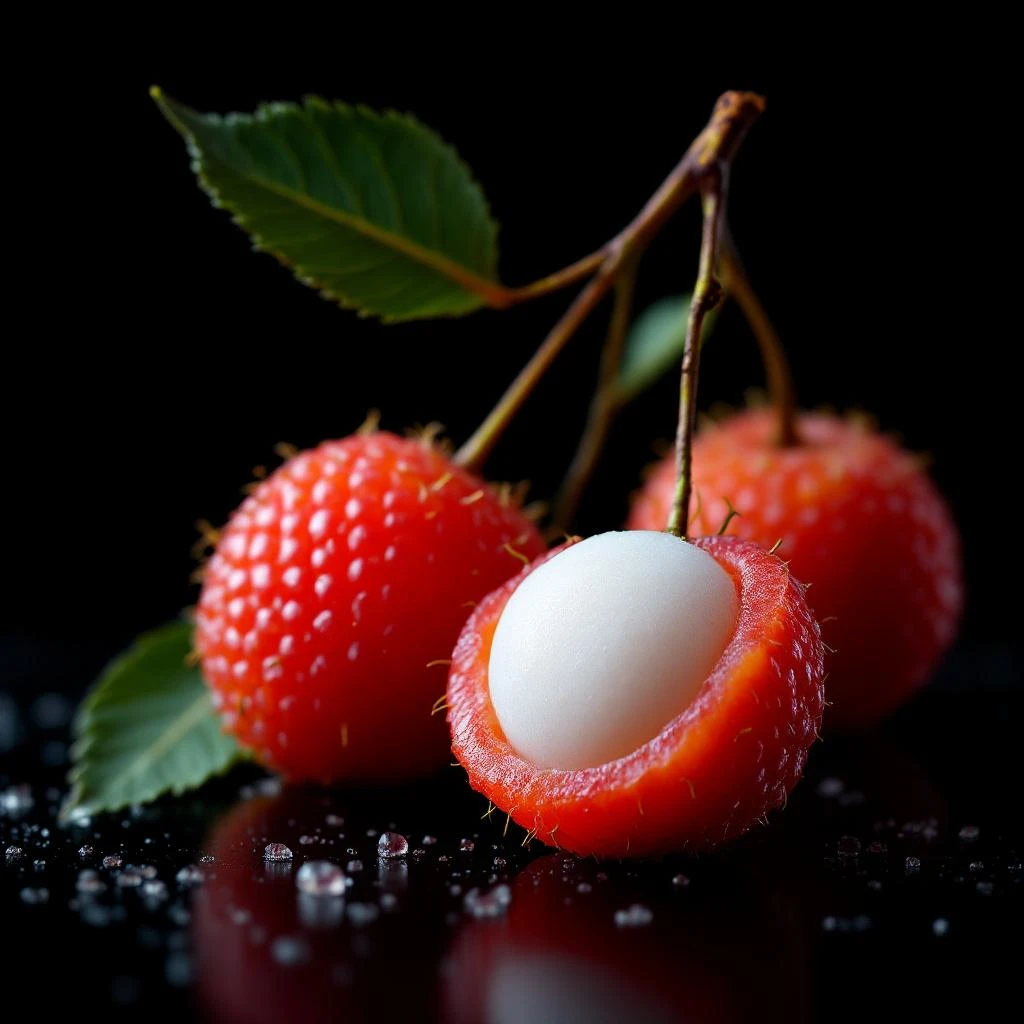
Two beloved treats converge: the translucent, honeyed flesh of the lychee fruit and the caramelized, nutty warmth of praline. Together they create a confectionery accord that feels both elegant and indulgent, bridging tropical freshness with familiar comfort.
Character
How it smells
Crisp sweetness meets warm confection
No natural lychee extract exists for perfumery. Scientists identified cis-rose oxide, the same molecule in roses, as key to lychee's aroma, enabling its laboratory recreation.



Origin
China
Lychee carries over two thousand years of Chinese history in its rough crimson shell. Ancient texts describe the fruit as a favorite of Emperor Li Longji, whose legendary devotion to the lychee prompted the construction of relay stations with horses positioned for rapid transport to the imperial court. Scholars and poets referenced the fruit in literature as a symbol of rare beauty and fleeting pleasure.
While the Chinese perfected lychee cultivation and spread it throughout Southeast Asia, European confections followed a separate path. Praline emerged from 17th-century France, named for the French diplomat Marshal du Plessis-Praslin. The original recipe combined almonds with caramelized sugar, creating that distinctive roasted-nut sweetness.
These two traditions, one ancient fruit and one European confection, found each other in modern perfumery when gourmet fragrance opened creative doors beyond traditional florals and chypres. Today the lychee-praline accord represents a conversation between Eastern botanical heritage and Western culinary craft, translated into the language of scent.
Wears it best
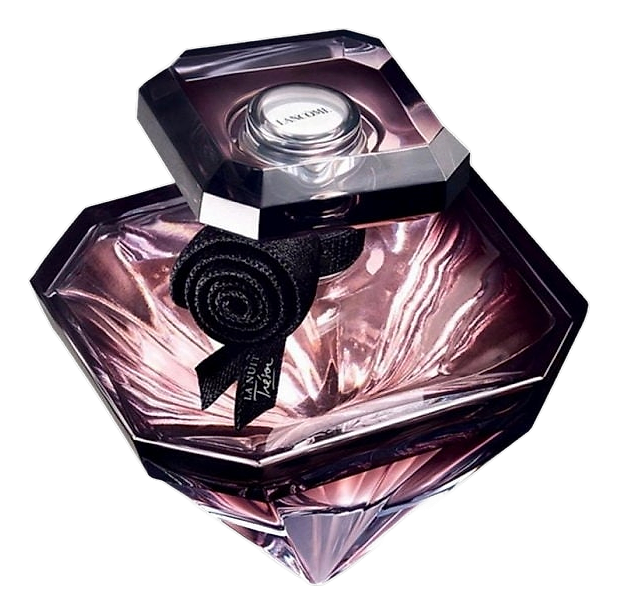
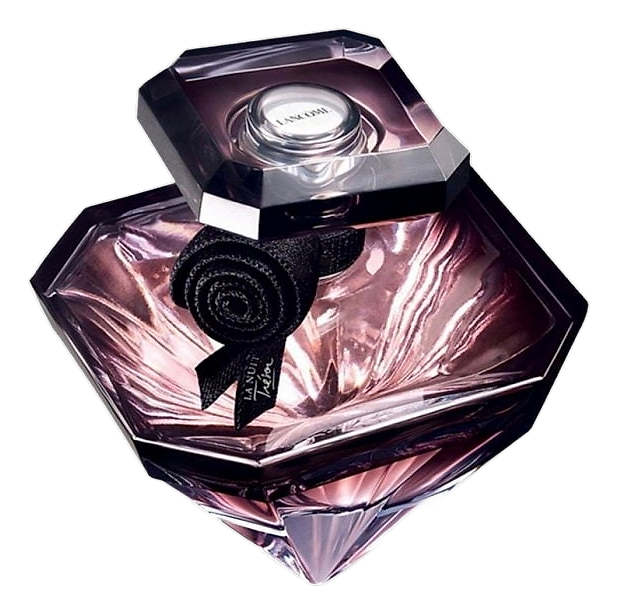
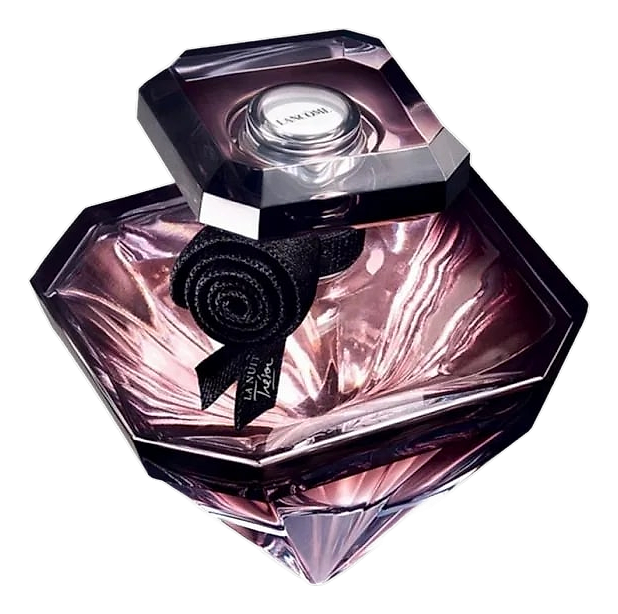
Fragrances featuring Lychee Praliné
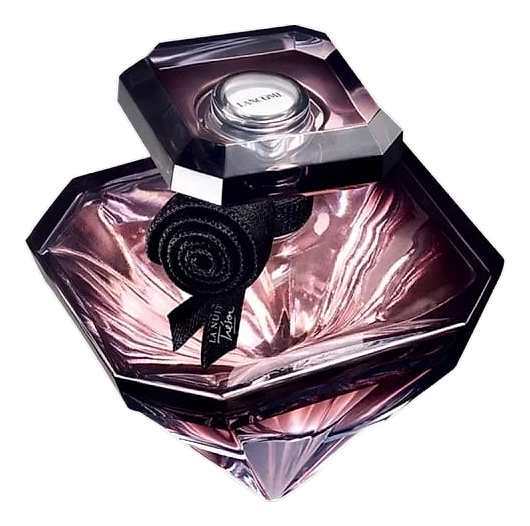
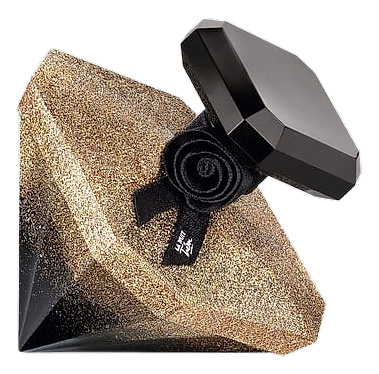
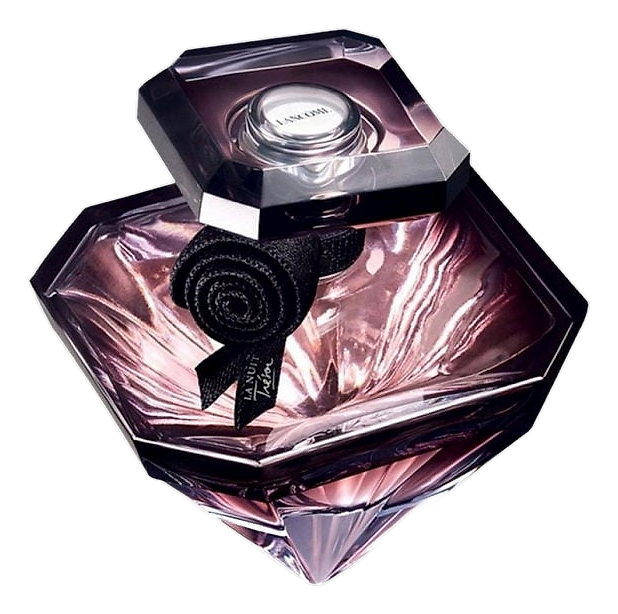
Brands
Brands known for Lychee Praliné
Good to know
Questions, answered
The essentials on Lychee Praliné in perfumery: how it smells, where it comes from, and how it behaves on skin.
What molecules create lychee scent in perfume?
Cis-rose oxide provides lychee's characteristic rosy-floral note. Perfumers layer additional molecules including nonanal for fruity-waxy facets and specific esters to complete the fruit's delicate profile. No single molecule replicates lychee entirely, so synthetic blends reconstruct the full sensory impression.
Is natural lychee extract used in perfumery?
No commercial natural lychee extract exists for perfumery. The fruit's aroma compounds are too volatile and dilute to survive steam distillation, and no solvent extraction yields a usable material. Perfumers rely entirely on synthetic molecular reconstruction to capture lychee's scent.
How do perfumers create praline in fragrance?
Praline's warm, nutty sweetness comes from combining vanillin for creamy vanilla warmth, furaneol for caramel depth, and pyrazines for roasted nuttiness. Since praline itself has no natural aromatic equivalent, perfumers engineer this character entirely from synthetic aroma chemicals.
What does lychee-praline smell like?
The accord opens with lychee's delicate, watery sweetness and subtle rose-like florality, then deepens into praline's warm caramel and roasted nut character. The result balances cool fruit against warm confection, creating an accessible sweetness that reads as both sophisticated and comfortingly familiar.
Which fragrance families use lychee-praline?
The lychee-praline accord appears primarily in fruity-gourmand compositions, oriental fragrances, and modern floral arrangements. Perfumers position it as a bridge between fresh fruit notes and warm edible base notes, often supporting it with musk or sandalwood for longevity.
How long does lychee-praline last on skin?
Lychee molecules tend to evaporate quickly, often disappearing within the first hour. Praline components, particularly vanillin, cling much longer and may persist for several hours. Perfumers typically pair lychee with more tenacious materials to extend its presence.
Does lychee-praline smell like actual fruit and candy?
The synthetic lychee component captures the fruit's fresh, translucent sweetness with rose-like undertones. Praline molecules deliver warm, nutty caramel that genuinely evokes the confection. Together they create an immediately recognizable edible character that performs consistently across wearers.
What complementary notes work with lychee-praline?
Musk and white woods amplify praline's warmth and extend wear time. Rose and peony echo lychee's floral dimension. Berry fruits, particularly raspberry, enhance the overall sweetness. Vanilla and tonka bean deepen the confectionery character, while light citruses can freshen the initial burst.