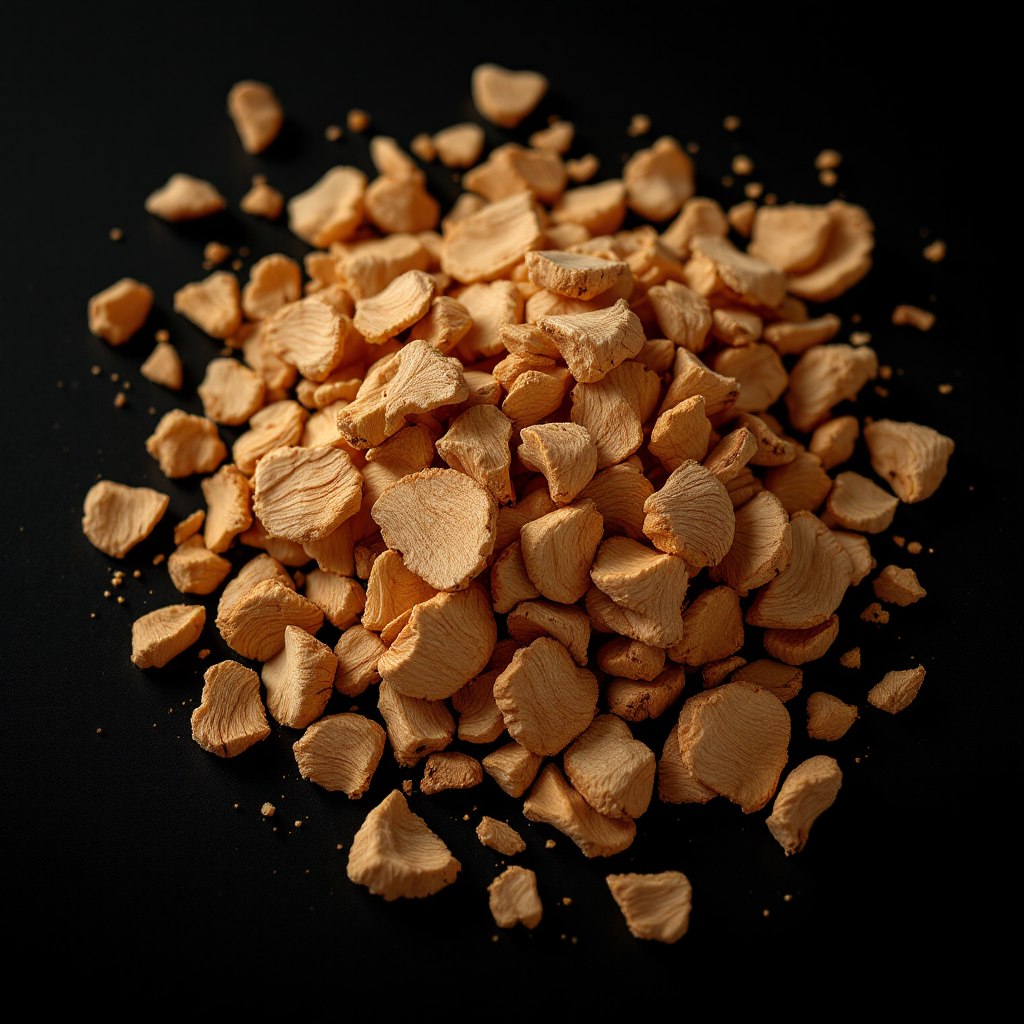
Lotus Wood
Lotus Wood captures the quiet elegance of the lotus plant's vegetative structures, offering a mineral-fresh woody character that grounds the flower’s ethereal beauty in something tactile and real.
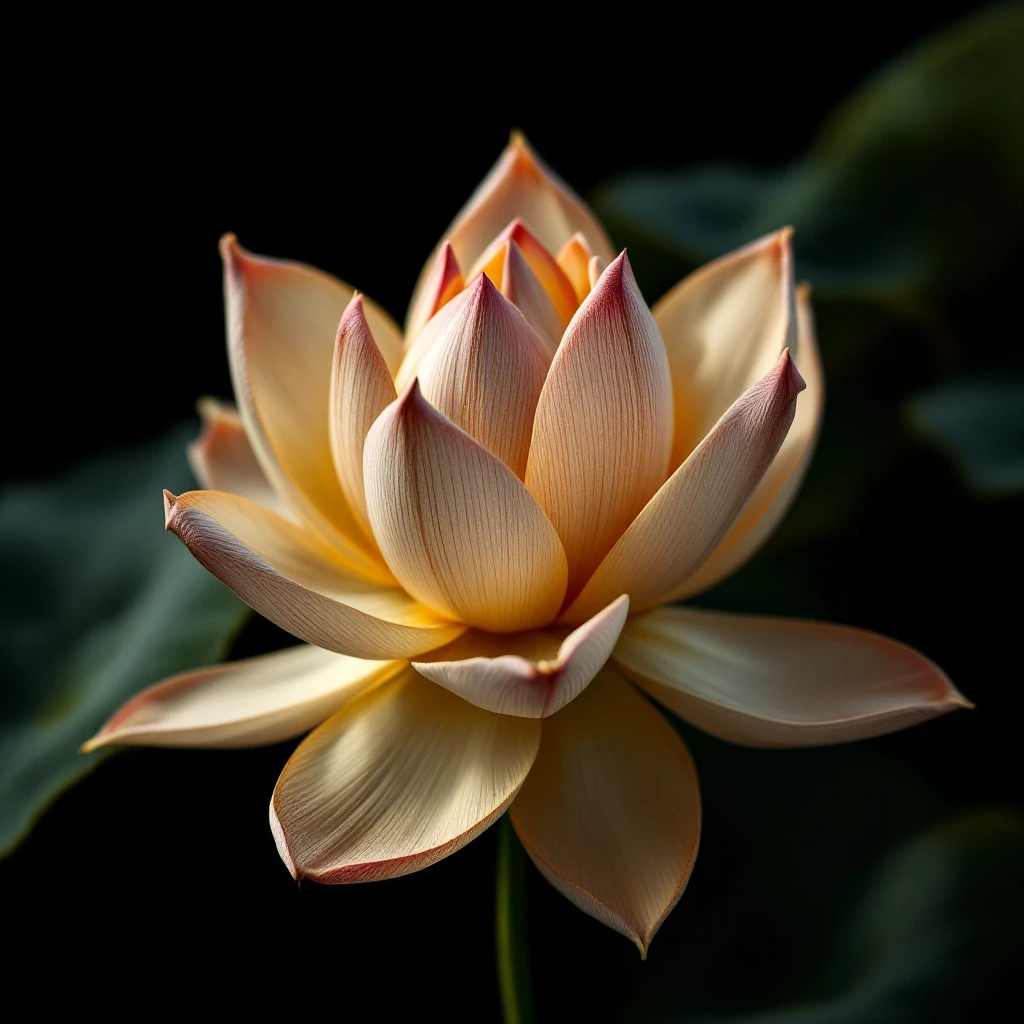
Character
How it smells
Mineral freshness meets quiet woodiness
Lotus roots contain hollow air channels that allow the plant to breathe underwater, a structural quirk that gives Lotus Wood its characteristic airy, buoyant quality.







Origin
India
The sacred lotus has been central to Asian cultures for over 3,000 years, appearing in Egyptian tomb paintings and ancient Sanskrit texts alike. While the flower dominated religious and decorative symbolism, traditional medicine systems recognized the entire plant’s value. Indian Ayurveda utilized lotus stems for their cooling properties, while Chinese medicine incorporated various plant parts into restorative preparations.
Perfumery’s interest in lotus expanded gradually, initially focusing on flower absolutes before extending to the neglected vegetative structures. Contemporary natural perfumery now embraces the full spectrum of the plant, finding that the woody and mineral qualities of stems and rhizomes provide essential structural support for floral compositions.
Wears it best
Fragrances featuring Lotus Wood
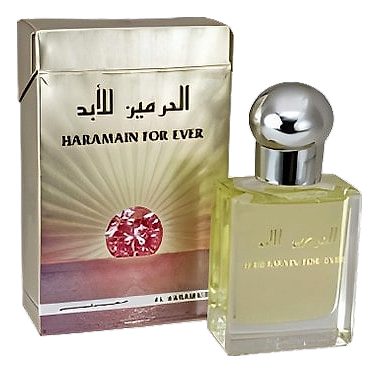
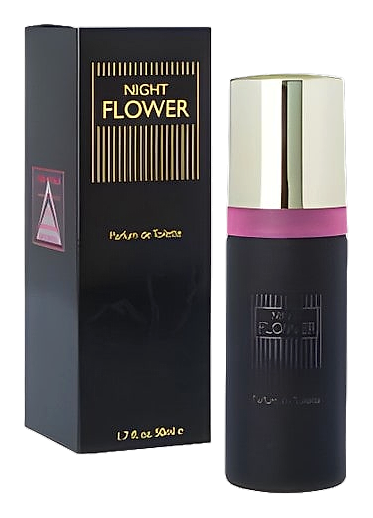
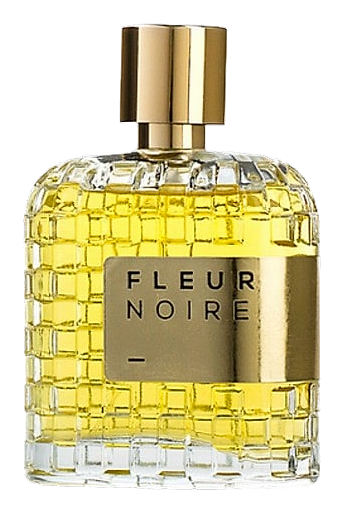

Brands
Brands known for Lotus Wood
Good to know
Questions, answered
The essentials on Lotus Wood in perfumery: how it smells, where it comes from, and how it behaves on skin.
What does Lotus Wood smell like?
Lotus Wood has a mineral-fresh, subtly woody aroma with clean aquatic undertones. It smells like wet river stones crossed with delicate floral hints, offering a clean, grounding effect rarely found in floral materials.
Is Lotus Wood a natural material?
Yes, Lotus Wood is a natural perfumery material extracted from lotus plant stems and rhizomes using supercritical CO2 extraction. This method preserves a broader spectrum of aromatic compounds than traditional solvent extraction.
What plants produce Lotus Wood?
The sacred lotus, Nelumbo nucifera, is the primary botanical source. This aquatic plant grows across South and East Asia in shallow wetlands and has been cultivated for over 3,000 years for ceremonial, culinary, and medicinal purposes.
How is Lotus Wood different from lotus flower absolute?
Lotus flower absolute captures the blossom’s ethereal, intensely floral character. Lotus Wood provides the plant’s mineral, structural qualities instead, adding watery freshness and quiet woodiness that grounds more volatile floral notes.
Which fragrance families use Lotus Wood?
Lotus Wood appears primarily in aquatic, fresh floral, and green fragrance compositions. It works particularly well in summer scents, gender-neutral fragrances, and clean-smelling perfumes seeking botanical authenticity beyond synthetic marine notes.
Can Lotus Wood be synthetically replicated?
While synthetic lotus accords exist, they typically focus on the floral dimension. Capturing Lotus Wood’s mineral-woody character synthetically is challenging, making the natural material valuable for perfumers seeking authentic botanical depth.
What extraction method preserves Lotus Wood’s quality best?
Supercritical carbon dioxide extraction is the gold standard for Lotus Wood. CO2 extraction operates at near-ambient temperatures, protecting heat-sensitive aromatic compounds that steam distillation would destroy.
Why is lotus rhizome structure important for fragrance?
Lotus rhizomes contain hollow air channels that run the plant’s length, enabling underwater gas exchange. These structural adaptations translate to the extracted material’s characteristic airy, buoyant quality that brings openness to fragrance compositions.