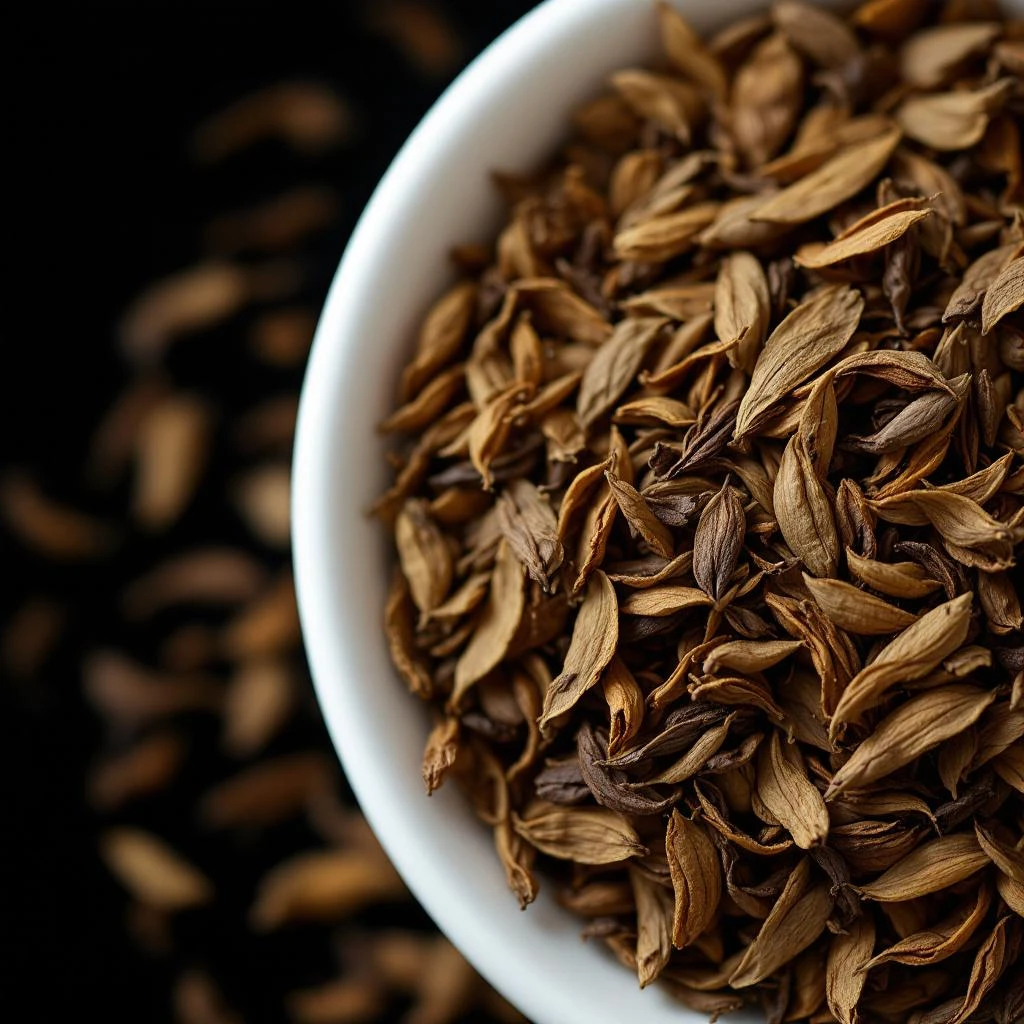
Linden Tree Leaf
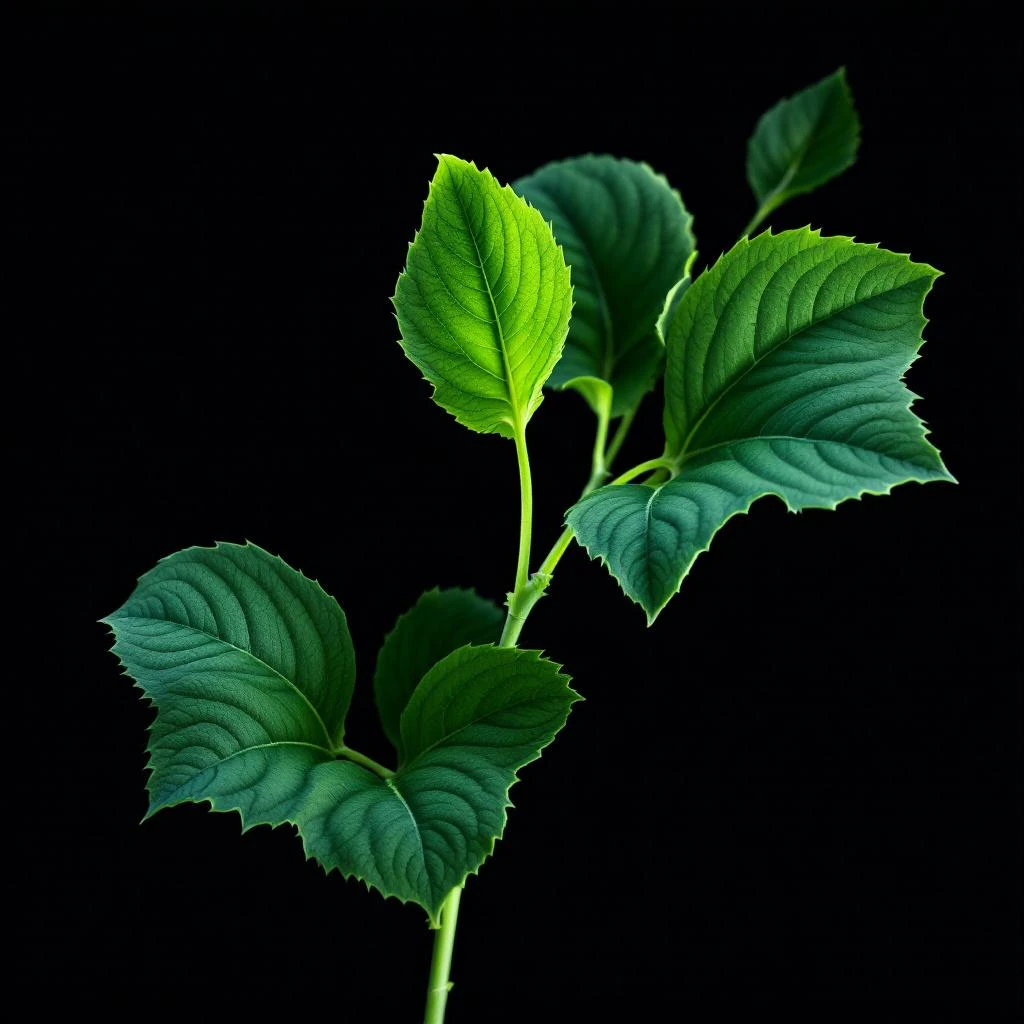
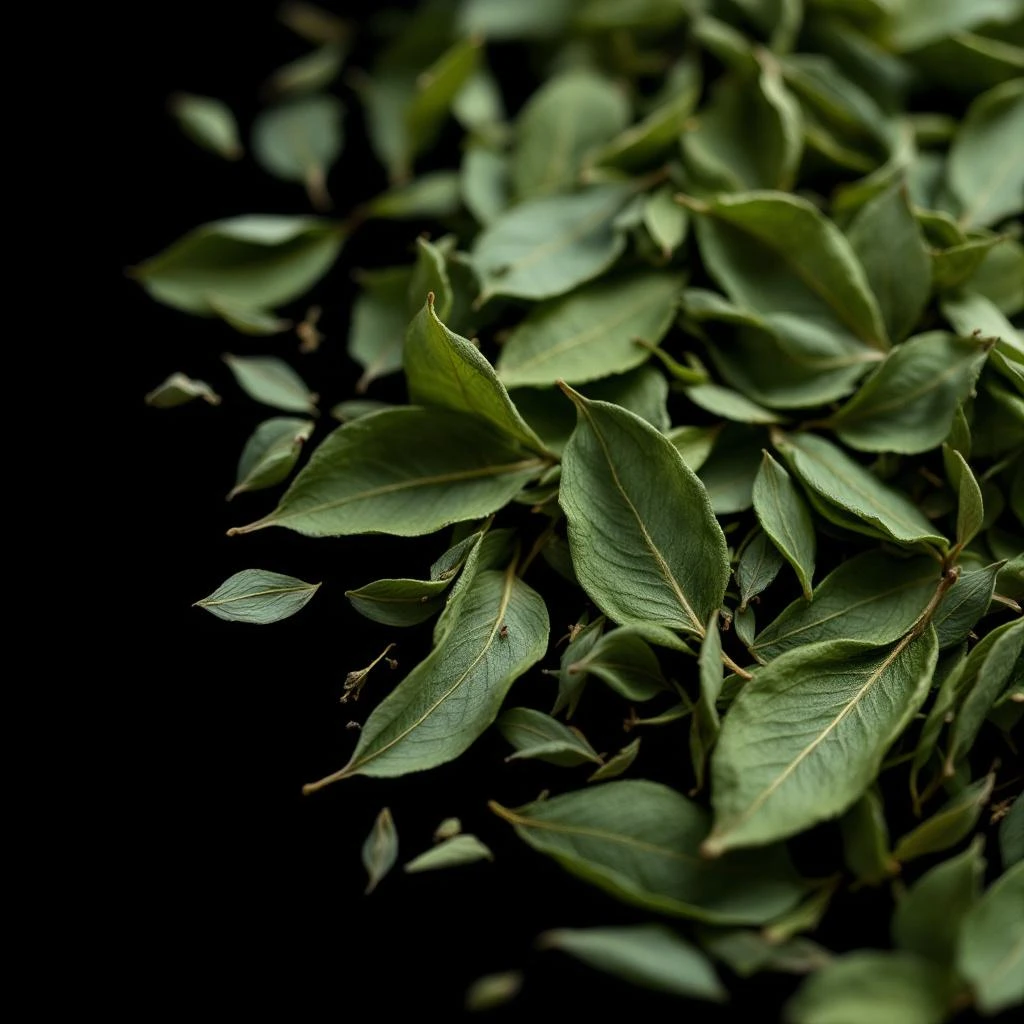
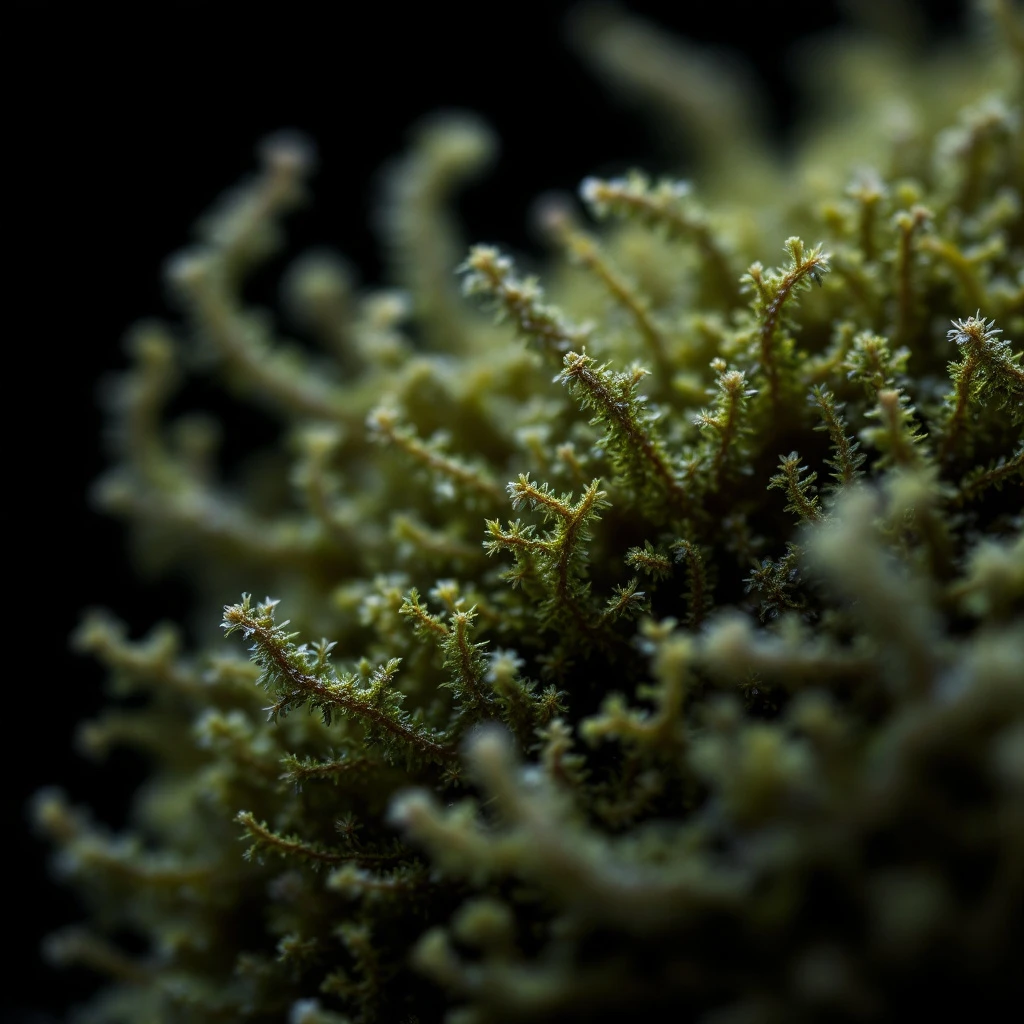
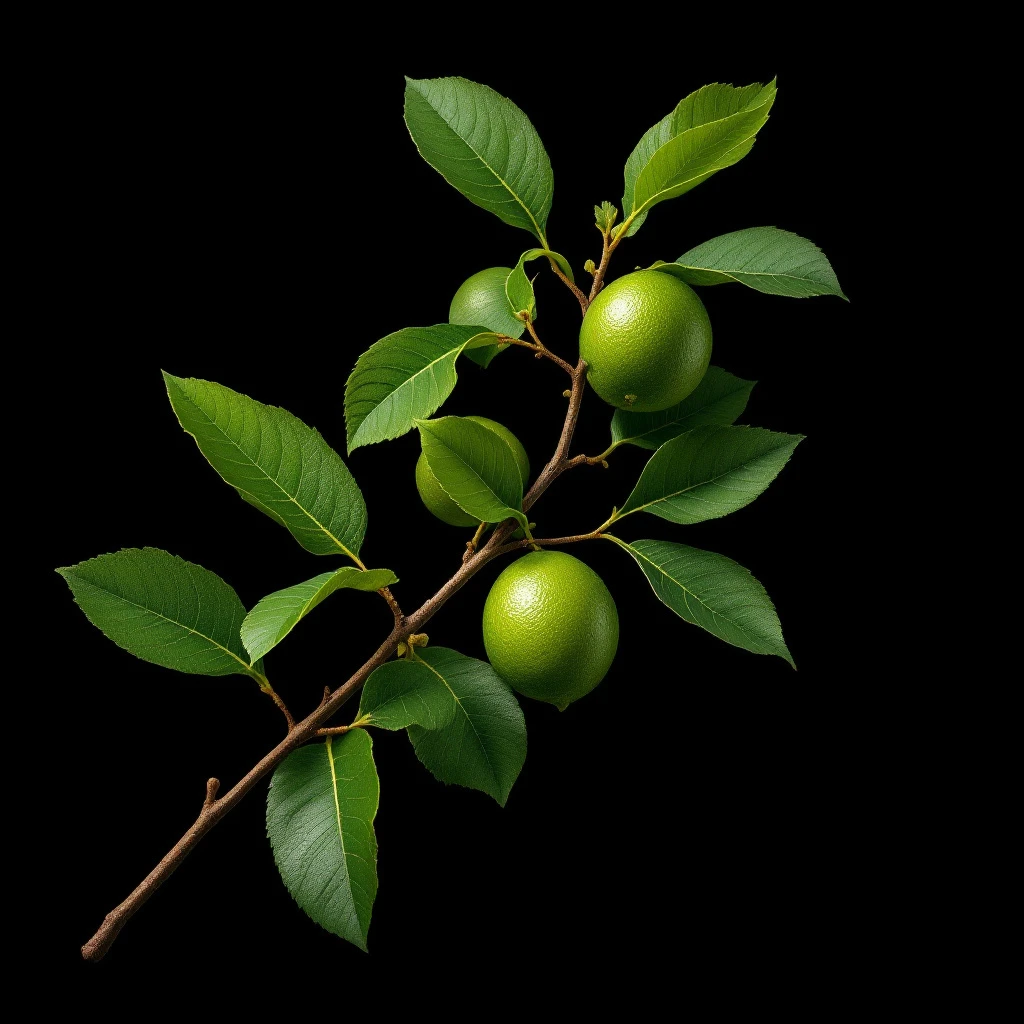
Linden tree leaf delivers a green, herbaceous counterpoint to the honeyed blossoms the tree is famous for. Cool, sappy, and faintly bitter, it anchors lighter floral compositions with a verdant backbone.

Character
How it smells
The quiet green beneath the honey.
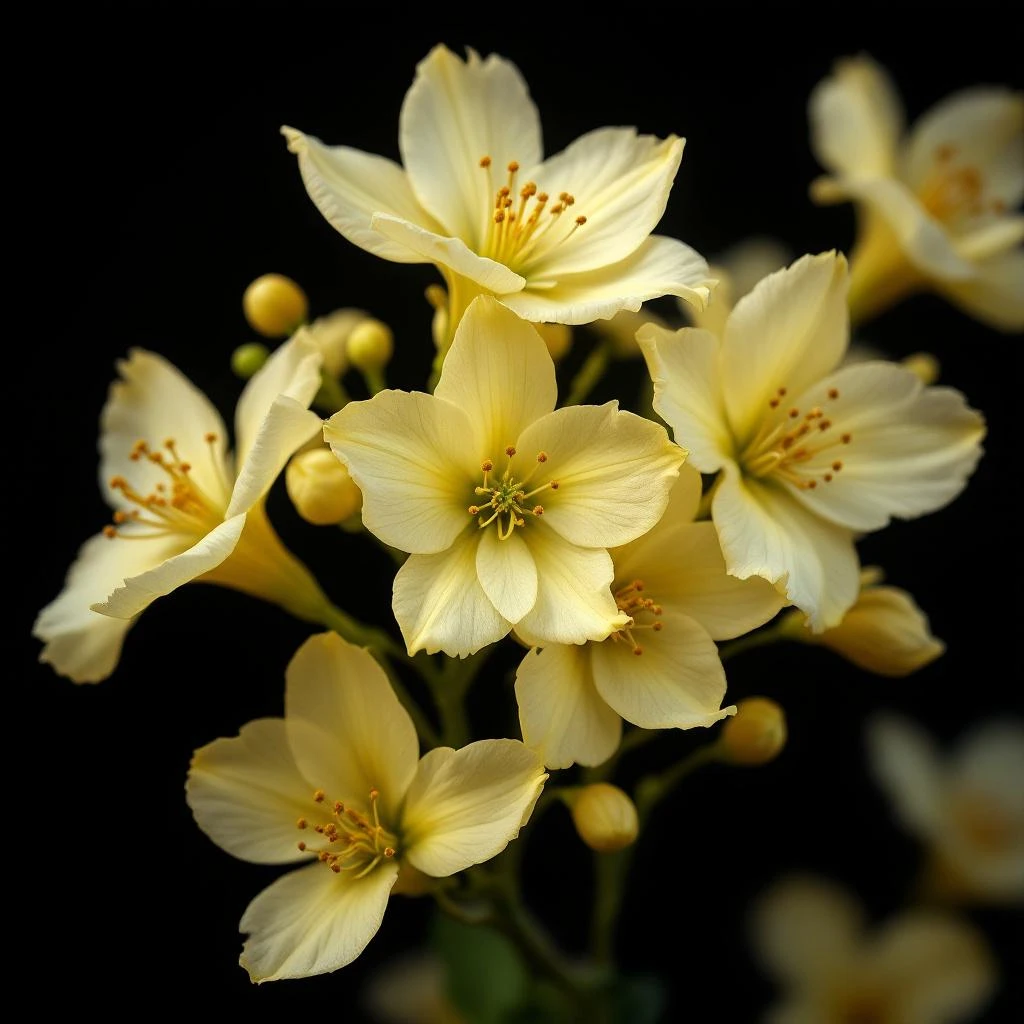
In June, a single mature linden tree can perfume an entire neighborhood, drawing so many bees that beekeepers often place hives directly beneath the canopy.
Origin
France
The linden tree, genus Tilia, has occupied a privileged place in European life for at least two thousand years. The Celts and Germanic tribes considered it a tree of justice and truth, holding courts beneath its broad canopy because its fragrance was thought to encourage honest judgment.
Monasteries across medieval Europe planted linden in their courtyards for both shade and medicine, using the flowers in cordials and tisanes. By the 17th century, linden blossom had entered the apothecary's catalogue under the name 'tilia,' and French perfumers soon recognized the commercial potential of its powerful June perfume.
A reconstructed 'linden' base appeared in French perfumery by the mid-1930s and remained in production until the late 1980s, built on terpineol layered with neroli and orange flower. Tilia cordata, the little-leaf linden native to Britain and continental Europe, became the species most prized by perfumers and beekeepers alike, since its tiny leaves and abundant flowers produce the most concentrated aromatic yield.
Wears it best
Fragrances featuring Linden Tree Leaf
Brands
Brands known for Linden Tree Leaf
Good to know
Questions, answered
The essentials on Linden Tree Leaf in perfumery: how it smells, where it comes from, and how it behaves on skin.
What does linden tree leaf smell like in perfume?
Linden tree leaf contributes a cool, green, slightly sappy note with a faintly bitter undertone. It softens the candied honey character of linden blossom, lending compositions a verdant freshness rather than sweetness. Many perfumers treat the leaf as the grounding base of the blossom's airy top.
Is linden leaf the same as linden blossom?
No, they are distinct facets of the same tree. Linden blossom is intensely sweet, honeyed, and floral, while linden leaf is greener, more herbaceous, and faintly bitter. Compositions using both notes achieve a fuller, more naturalistic profile of a linden tree in bloom.
Which linden species is used in perfumery?
Tilia cordata, also called little-leaf linden, is the most prized species for its concentrated floral aroma. Tilia platyphyllos, the large-leaf European linden, is also used. Both species are native to temperate Europe and bloom in late June.
How is linden leaf extracted for fragrance?
Modern producers typically use CO2 extraction or solvent extraction on freshly harvested leaves and blossoms together. Because the leaves alone yield minimal concrete, their green character is often rebuilt in the lab using trace aromachemicals layered with linden blossom absolute.
Why was linden historically important in Europe?
Celtic and Germanic cultures considered the linden a tree of justice and truth, holding legal proceedings beneath its canopy because its scent encouraged honest speech. Monasteries later cultivated it for medicinal tisanes, paving the way for its entry into apothecary and perfume work by the 17th century.
Are linden trees important to beekeeping?
Yes. A mature linden tree in bloom emits such a powerful fragrance that it can perfume an entire neighborhood. Beekeepers frequently place hives directly beneath linden canopies in June, since the flowers produce a highly aromatic honey that reflects the tree's distinctive scent.
Can linden leaf be recreated synthetically?
Yes. Since natural leaf extraction yields limited material, perfumers reconstruct the green facet using small amounts of cis-3-hexenol, phenylacetaldehyde, and linden blossom absolute. This approach allows the leaf note to appear in compositions without relying solely on harvested plant material.
Is linden the same as the citrus lime?
No. 'Linden' refers to the Tilia tree, while 'lime' in perfumery usually refers to the green citrus fruit. The names overlap in English because 'linden' was historically called 'lime tree' in British usage, which is why 'lime blossom' on a fragrance label actually means linden blossom.