Lime Tree Branch
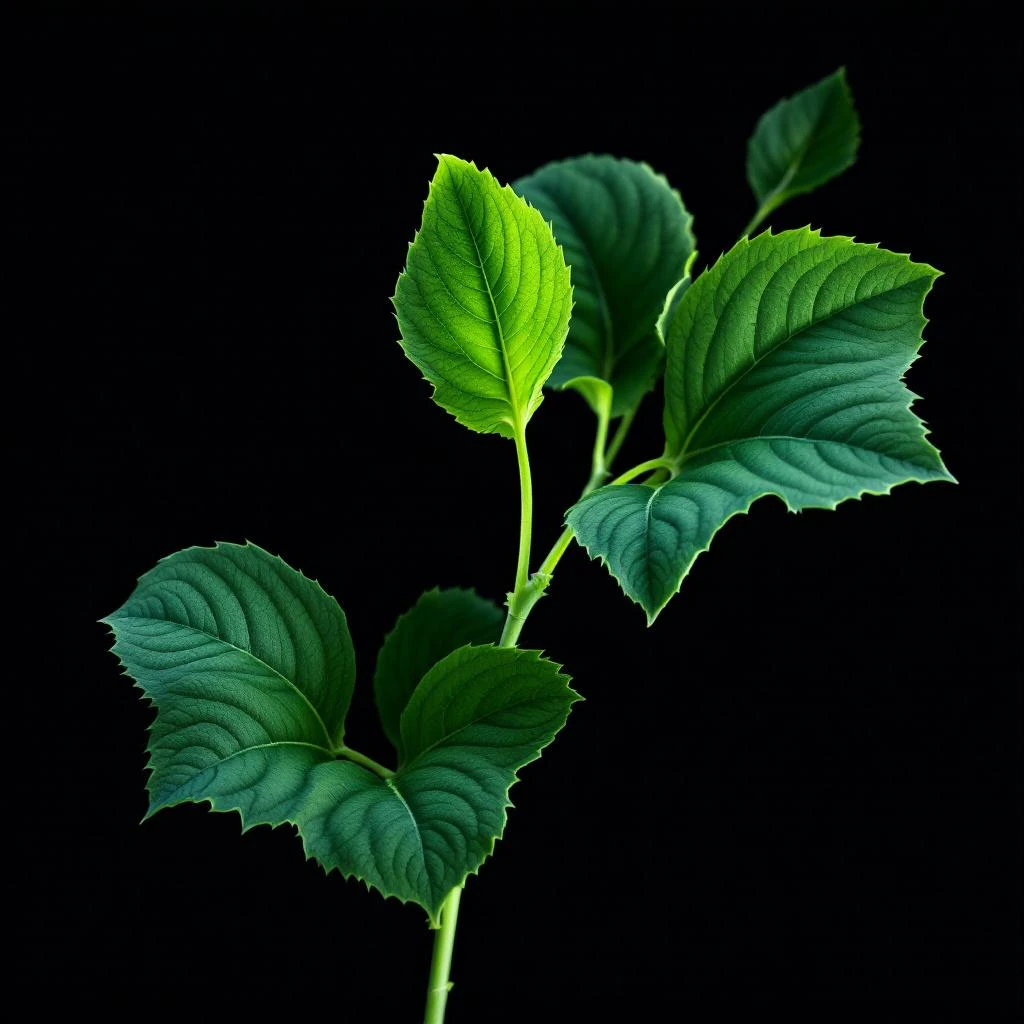
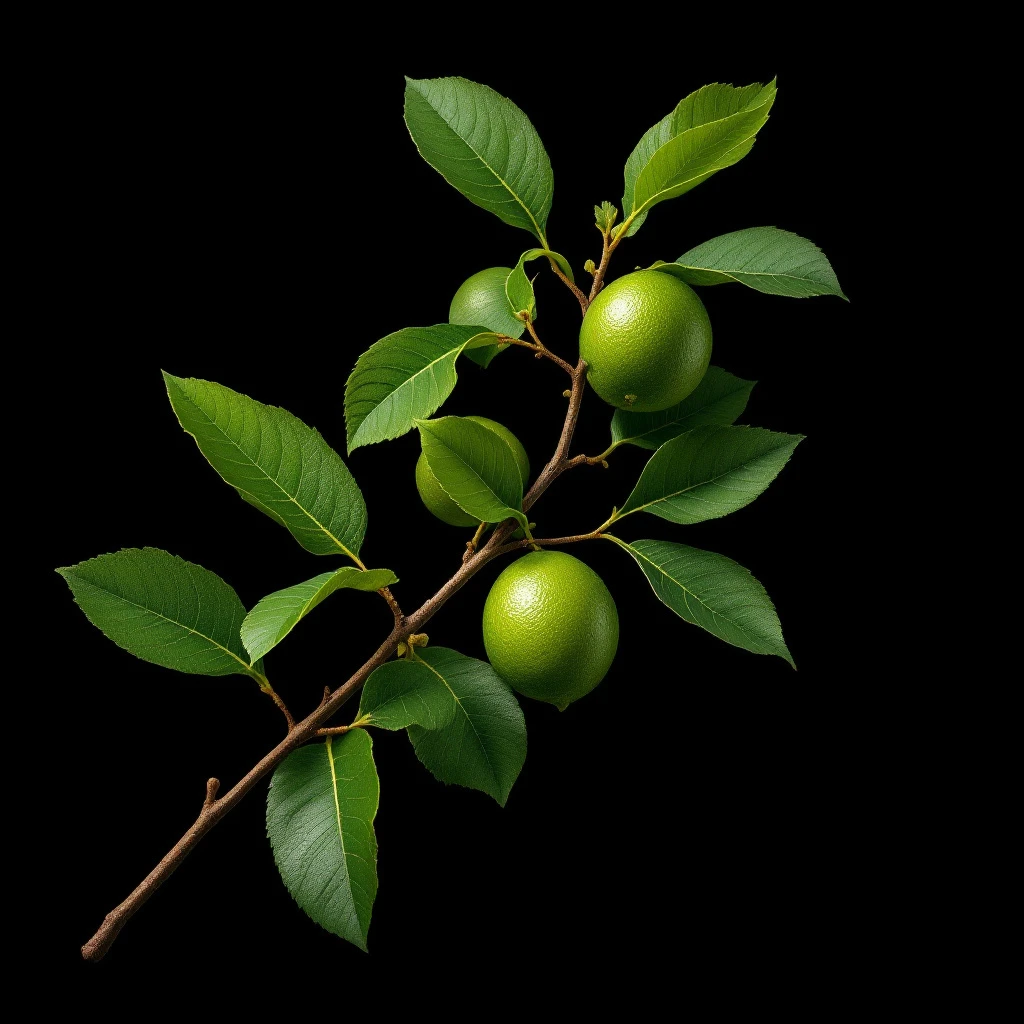
Lime tree branch captures the green snap of young twigs and tender leaves, carrying a sharper, woodier bite than lime fruit alone. It anchors bright citrus colognes with a vegetal crunch that feels alive on skin.
Character
How it smells
Snap a green twig. Bottle the noise.
Lime branches contain the same aromatic compound (limonene) as the fruit, but in lower concentrations, giving perfumers a quieter, greener variant of citrus to work with.


Origin
Mexico
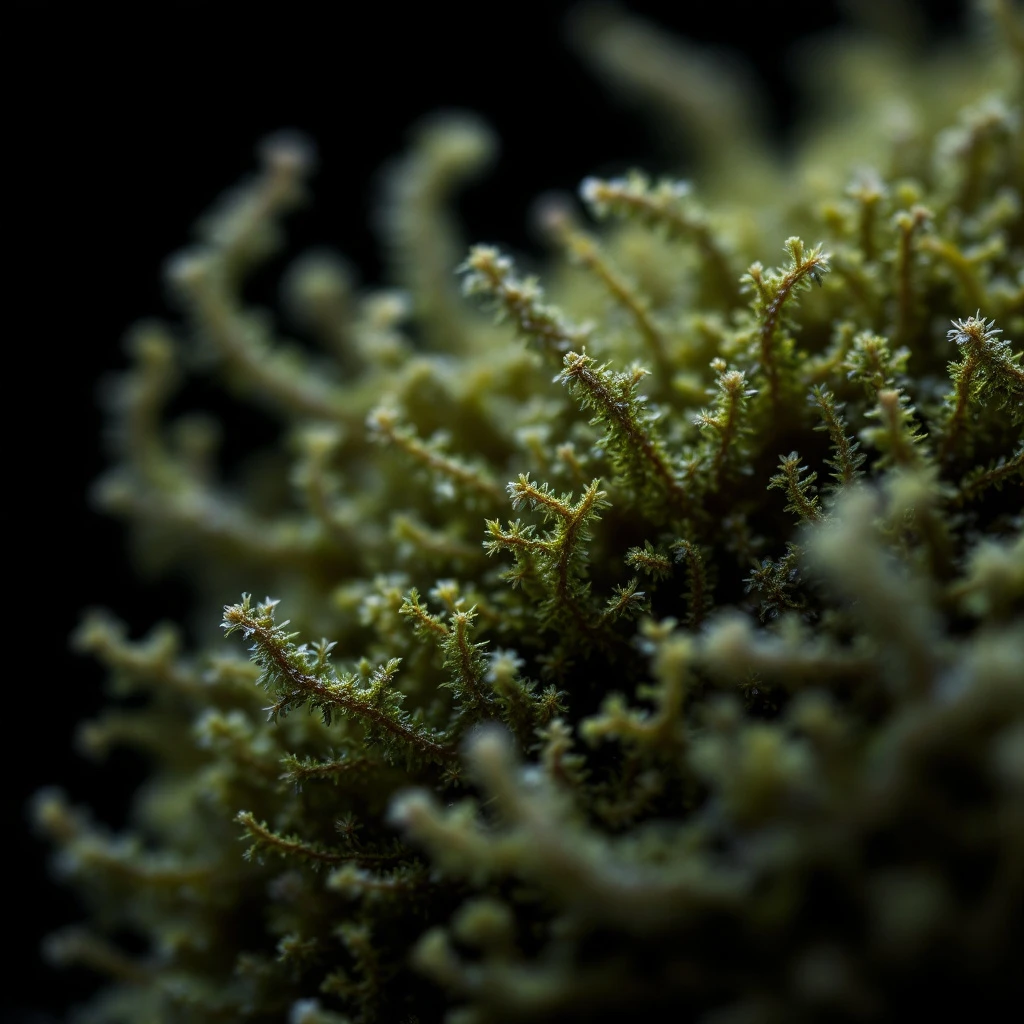
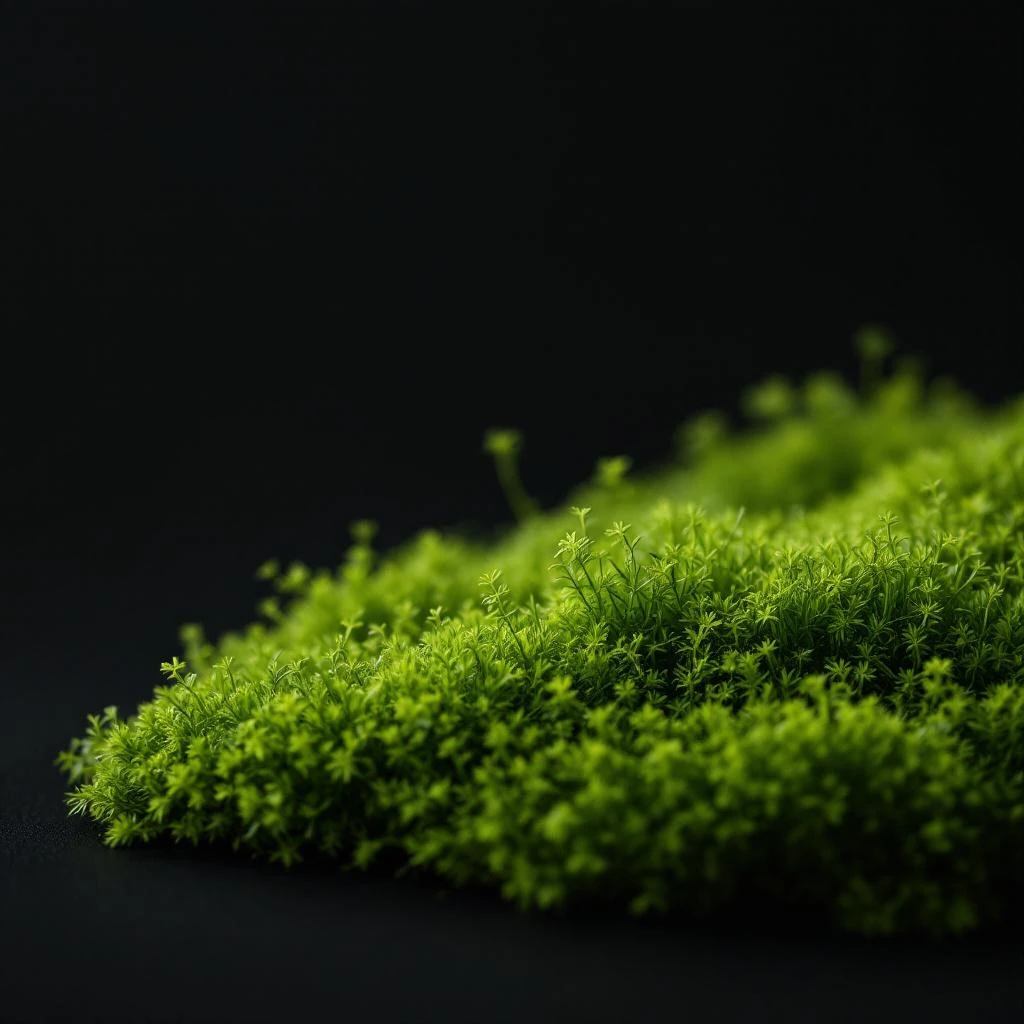
Lime tree branch as a perfumery material draws from two distinct botanical traditions. The Citrus aurantifolia (Mexican or Key lime) branches carry sharp, resinous green notes that colonial perfumers in the Caribbean began incorporating into colognes by the 18th century. Spanish settlers in Mexico documented using crushed lime leaves in early fragrance preparations, often combining them with local florals.
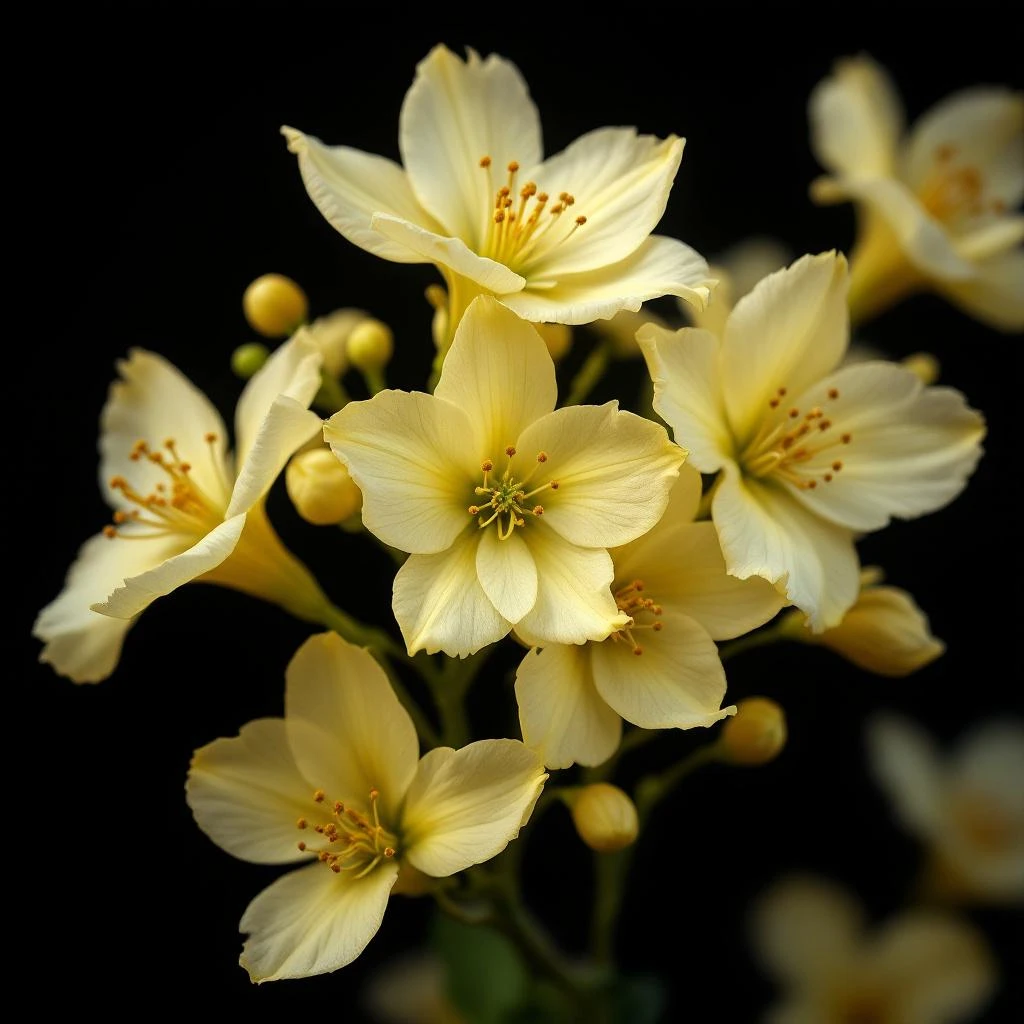
The Tilia species, commonly called linden or lime tree in European tradition, contributed a different chapter. Across France and England, linden trees lined avenues and gardens, and their flowering branches became seasonal ingredients in potpourris and aromatic waters. The name confusion persists: in British English, "lime tree" refers to linden (Tilia), while American English reserves "lime" for the citrus fruit.
By the 19th century, both traditions fed into the emerging synthetic fragrance industry. Chemists identified linalool and limonene as key compounds in lime branch oil, opening paths to partial reconstitution. This shifted production economics: pure branch oil became a premium material while synthetic alternatives dominated mass-market formulations.
Modern niche perfumers revived interest in true lime branch extracts during the 2010s, drawn to the material's ability to add green structure beneath sparkling citrus top notes. Today it remains a specialty ingredient, primarily appearing in high-end eaux de cologne and nature-inspired compositions.
Wears it best
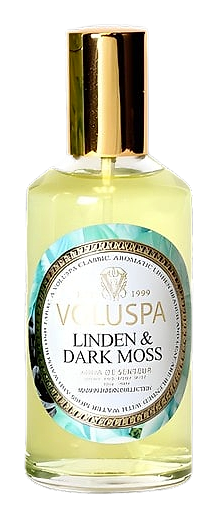
Fragrances featuring Lime Tree Branch
Brands
Brands known for Lime Tree Branch
Good to know
Questions, answered
The essentials on Lime Tree Branch in perfumery: how it smells, where it comes from, and how it behaves on skin.
What does lime tree branch smell like in perfume?
Lime tree branch delivers a sharp, green aroma with woody undertones and a subtle bitter edge. It smells less fruity and more vegetal than lime fruit, with a crisp, twig-like character that adds structure to bright citrus compositions.
Is lime tree branch the same as lime fruit in perfumery?
No. Lime fruit oil comes from peel expression and emphasizes bright, juicy citrus facets. Lime tree branch oil comes from young twigs and leaves via distillation, producing a greener, drier, more aromatic profile with woody depth.
Which countries produce lime tree branch oil?
Mexico and Peru lead production for Citrus aurantifolia branches, while European suppliers harvest Tilia (linden) species primarily in France, Italy, and the Balkans. Each origin yields a slightly different aromatic profile.
How is lime tree branch oil extracted?
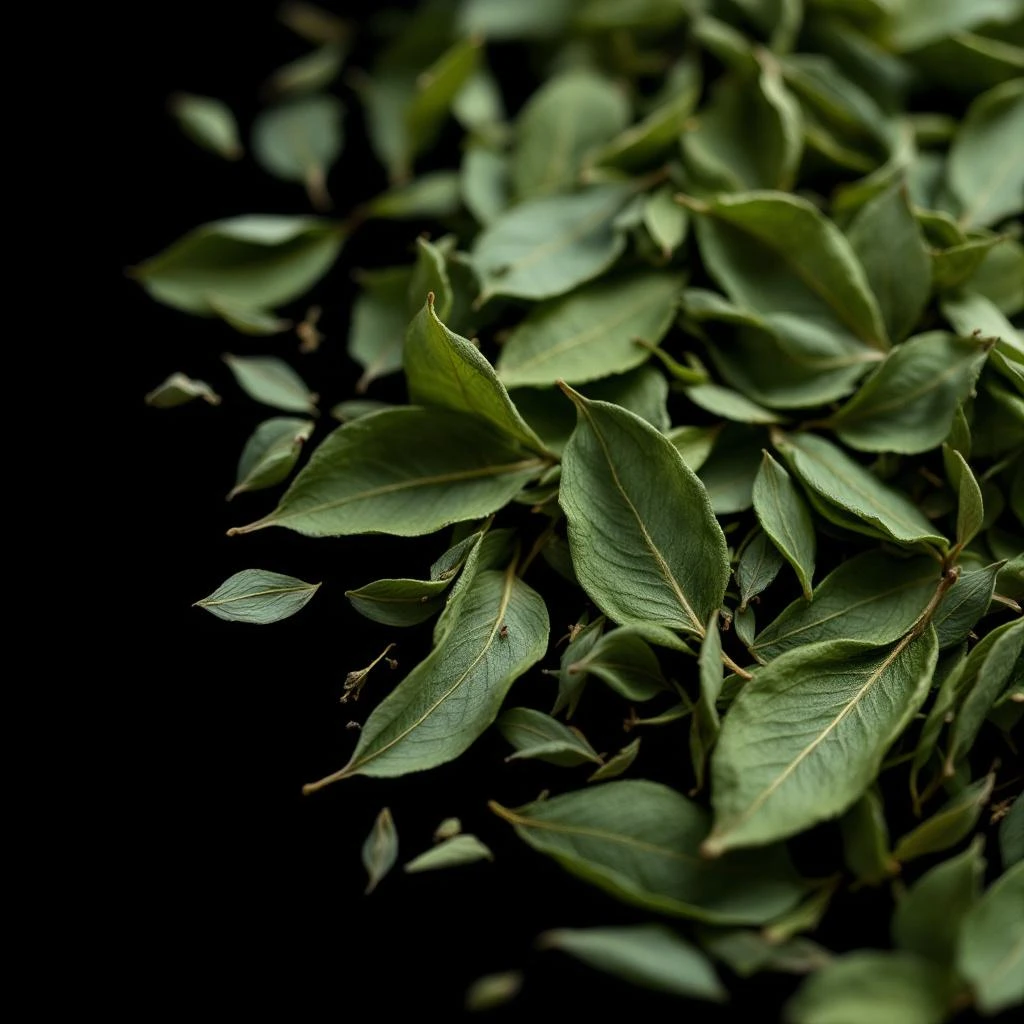
Steam distillation is the standard method. Chopped branches and leaves are placed in stills where pressurized steam ruptures oil cells. The vapor condenses into a liquid that separates into essential oil and hydrosol.
Is lime tree branch a natural or synthetic ingredient?
Both forms exist. Natural lime tree branch oil comes from steam-distilled plant material. Synthetic versions reconstruct key molecules like linalool and limonene. Natural material commands premium pricing in fine fragrance.
What fragrances commonly use lime tree branch?
Lime tree branch appears most often in eaux de cologne, green florals, and nature-themed niche perfumes. It supports sparkling citrus top notes and adds vegetal structure to compositions aiming for a fresh-cut garden effect.
Why do British perfumers call linden 'lime tree'?
In British English, 'lime tree' refers to Tilia species (linden), not the citrus fruit. This linguistic overlap creates confusion: lime branch oil in British perfumery often means linden, while American suppliers usually mean Citrus aurantifolia.
When is lime tree branch harvested for perfumery?
Harvest typically occurs in late spring and early summer when leaf growth peaks and oil gland density is highest. Hand-cut branches ensure material quality and allow selective picking of the youngest, most aromatic twigs.