Limonene
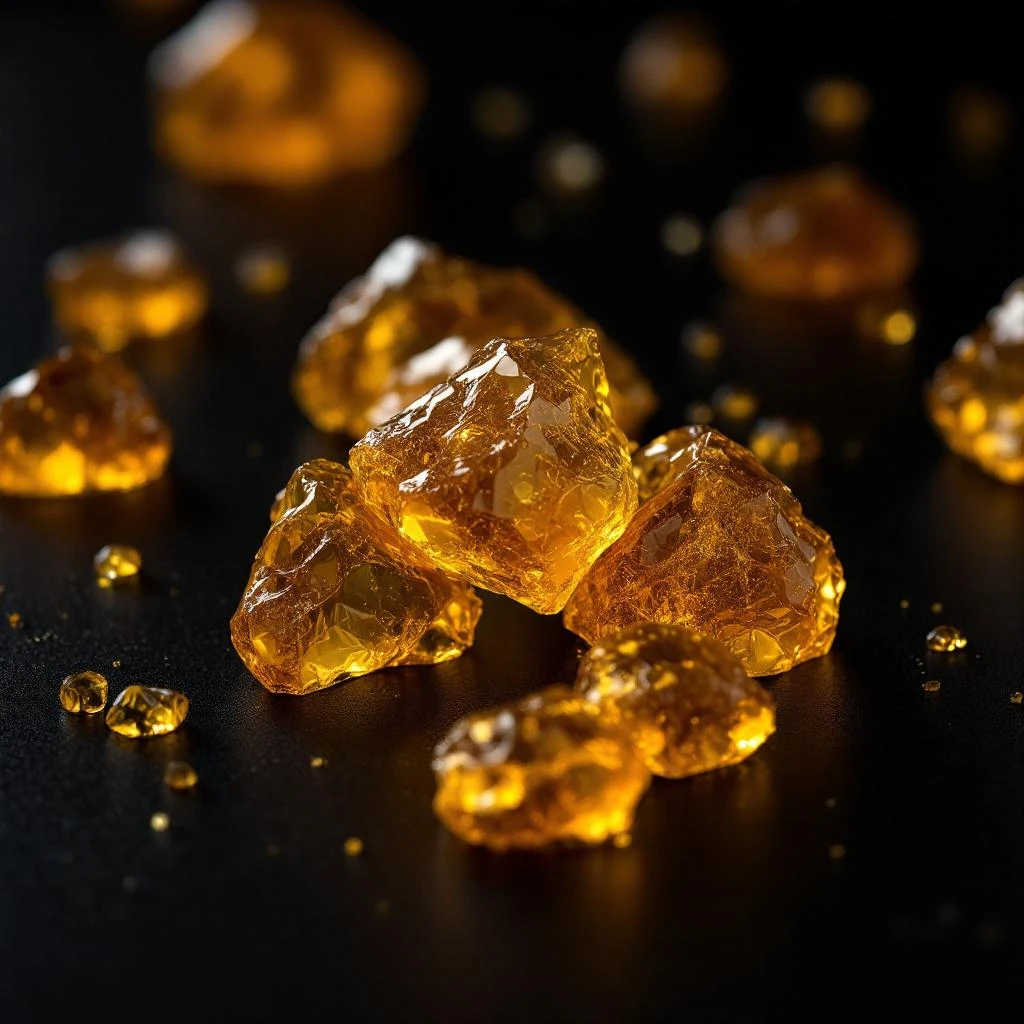
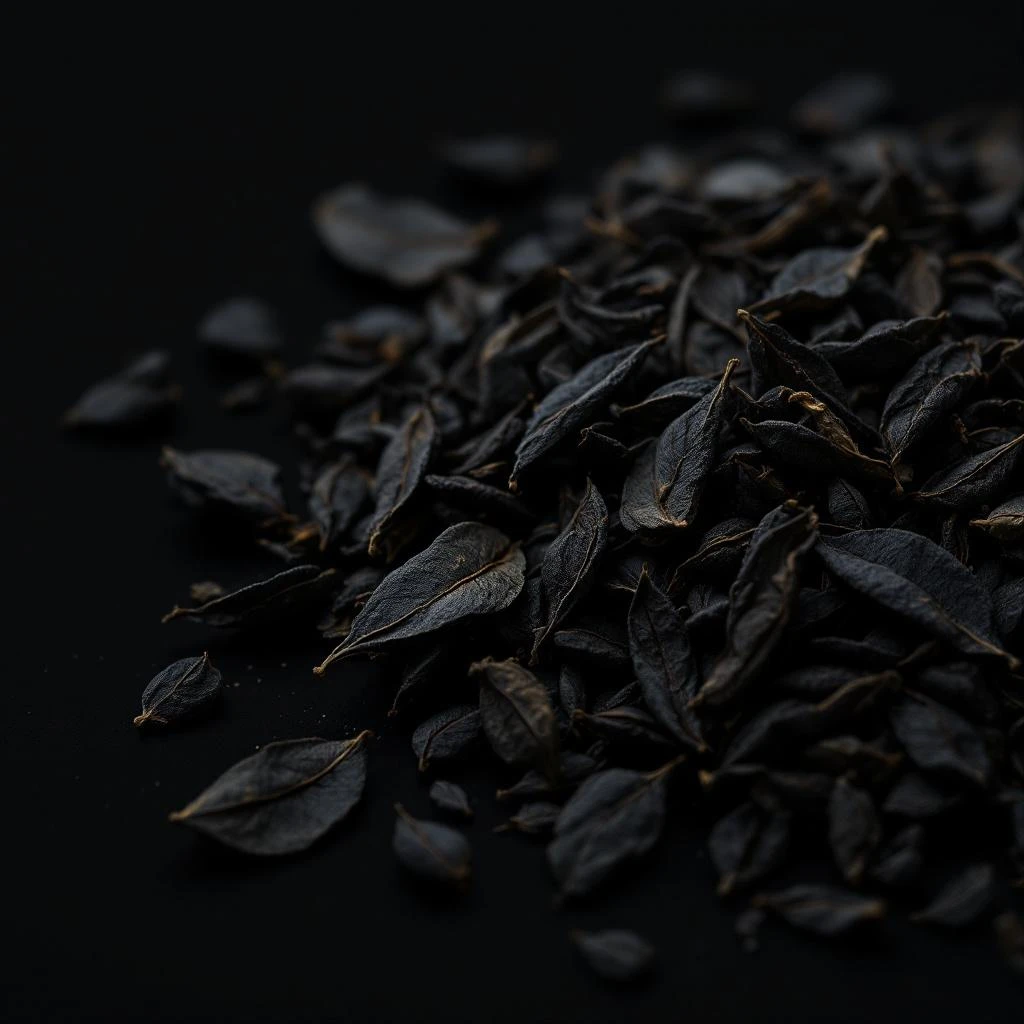
Found in the rinds of citrus fruits, limonene is the aromatic force behind bright, zesty top notes in countless fragrances. This colorless liquid delivers that unmistakable burst of lemon that opens so many perfumes.

Character
How it smells
The bright citrus spark in your perfume.
Perfumers obtain limonene as a by-product of orange juice production, turning citrus waste into a prized aromatic material.






Origin
China
Ancient Mediterranean civilizations first harnessed citrus scents in perfumed oils and cosmetics. Mesopotamian and Greek perfumers prized orange and lemon notes, though they relied on whole fruit and flower preparations rather than isolated compounds.
The industrial recovery of limonene only became possible in the twentieth century when large-scale juice production created enough citrus waste to make extraction economically viable. Before this, perfumers depended on whole citrus essential oils for their lemon and orange notes.
Modern analytical chemistry eventually identified limonene as the primary aromatic component responsible for citrus character, allowing for more precise fragrance formulation. Today, limonene appears across fine fragrances, from bright colognes to sophisticated florals, valued for its ability to evoke freshness and vitality.
Wears it best
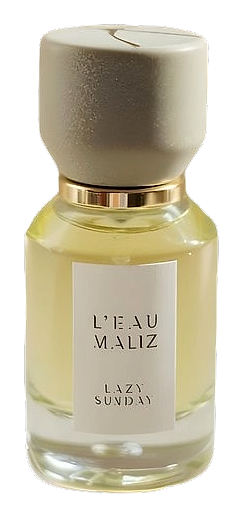
Fragrances featuring Limonene
Brands
Brands known for Limonene
Good to know
Questions, answered
The essentials on Limonene in perfumery: how it smells, where it comes from, and how it behaves on skin.
What does limonene smell like?
Limonene has a fresh, bright lemon scent. It provides that immediate citrus burst found in the opening moments of many perfumes, creating an impression of cleanliness and energy.
Where does natural limonene come from?
Natural limonene comes from citrus fruit peels. Manufacturers typically obtain it as a by-product of orange juice production through steam distillation of peel and pulp residues.
Is limonene safe in fragrances?
Limonene is considered safe for cosmetic use when properly processed. Regulatory bodies including IFRA approve it for fragrance applications within specified concentration limits.
Can limonene cause skin reactions?
Limonene is classified as a potential allergen in the EU and must be declared on ingredient labels when present above 0.001% in leave-on products. Most people tolerate it well in diluted form.
Why do perfumers use limonene instead of whole citrus oils?
Perfumers use limonene to achieve precise citrus character without other compounds found in whole essential oils. It provides consistent aroma and blends cleanly with other fragrance materials.
What fragrances feature limonene prominently?
Limonene appears across fragrance types, particularly in fresh colognes, citrus chypres, and bright florals. It serves as a top note in both designer and niche perfumes.
Is synthetic limonene available?
Synthetic limonene exists but natural citrus-derived limonene remains the preferred choice for fine fragrances due to its superior odor profile and renewable sourcing.
How does limonene behave in perfume composition?
Limonene acts as a top note that evaporates quickly, lasting minutes to an hour on skin. It blends well with florals, woods, and other citrus materials, adding brightness and lift.