Potpourri
A nostalgic blend of dried roses, spices, and resins that conjures grandmother's parlor. In perfumery, potpourri refers to aromatic compositions rich with dried botanicals and warm, powdery accords.
Character
How it smells
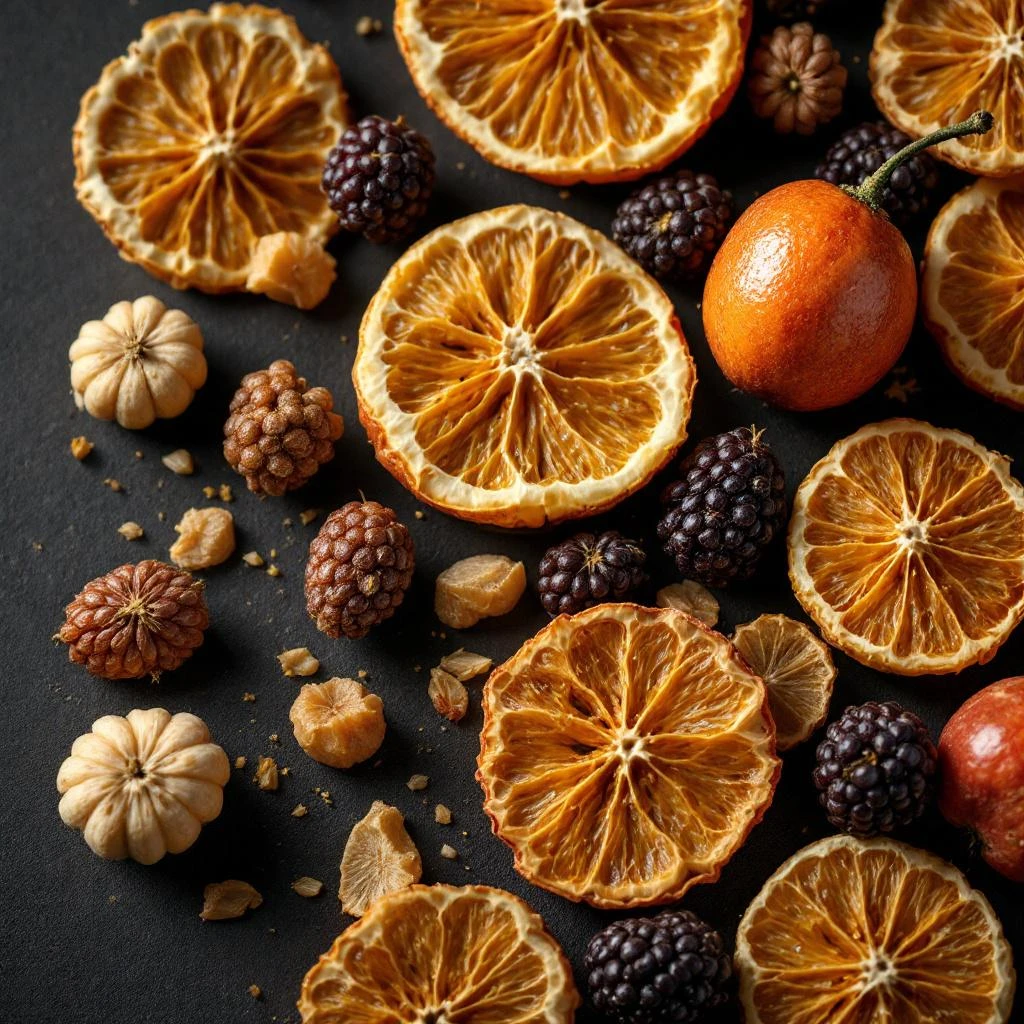
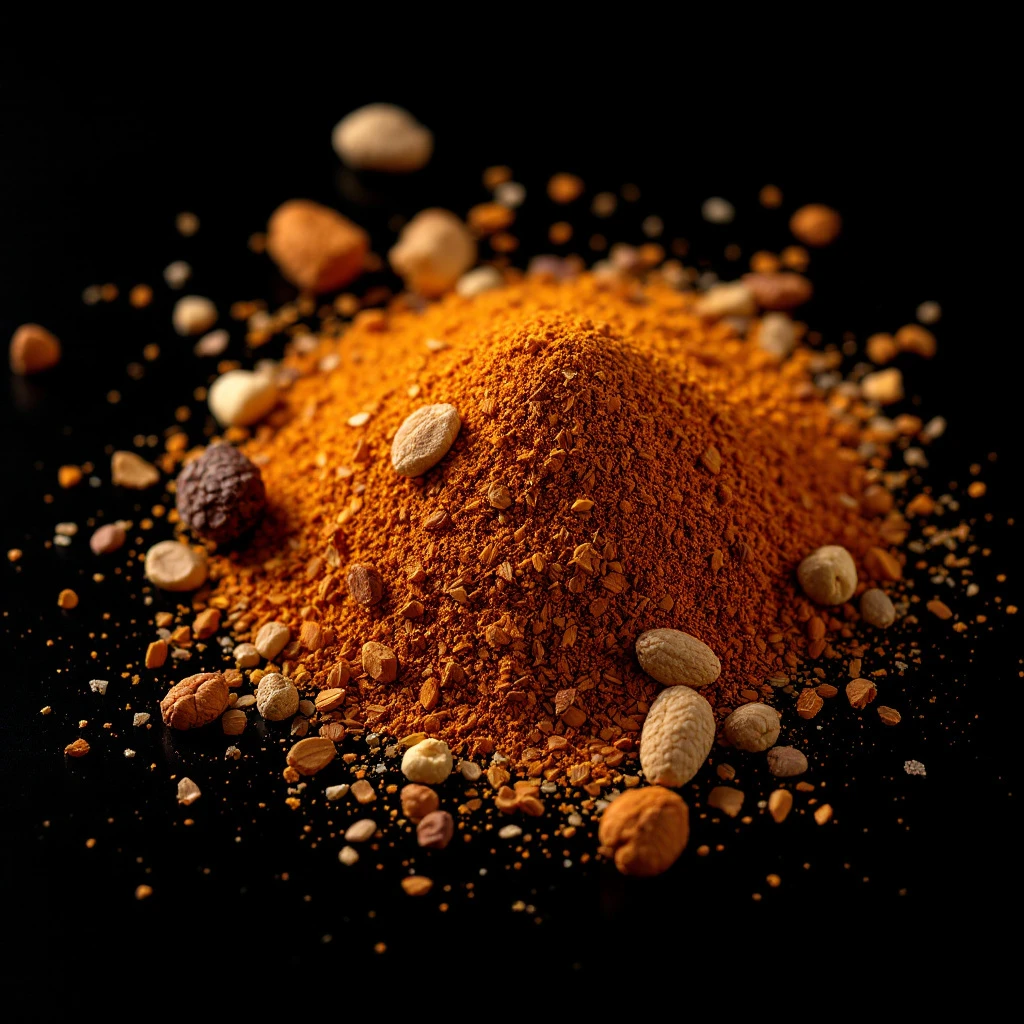
Dried botanicals captured in a bottle
The term 'pot-pourri' literally means 'rotten pot' in French, named after the original spicy stew mixtures of 16th-century Spain.

Origin
France
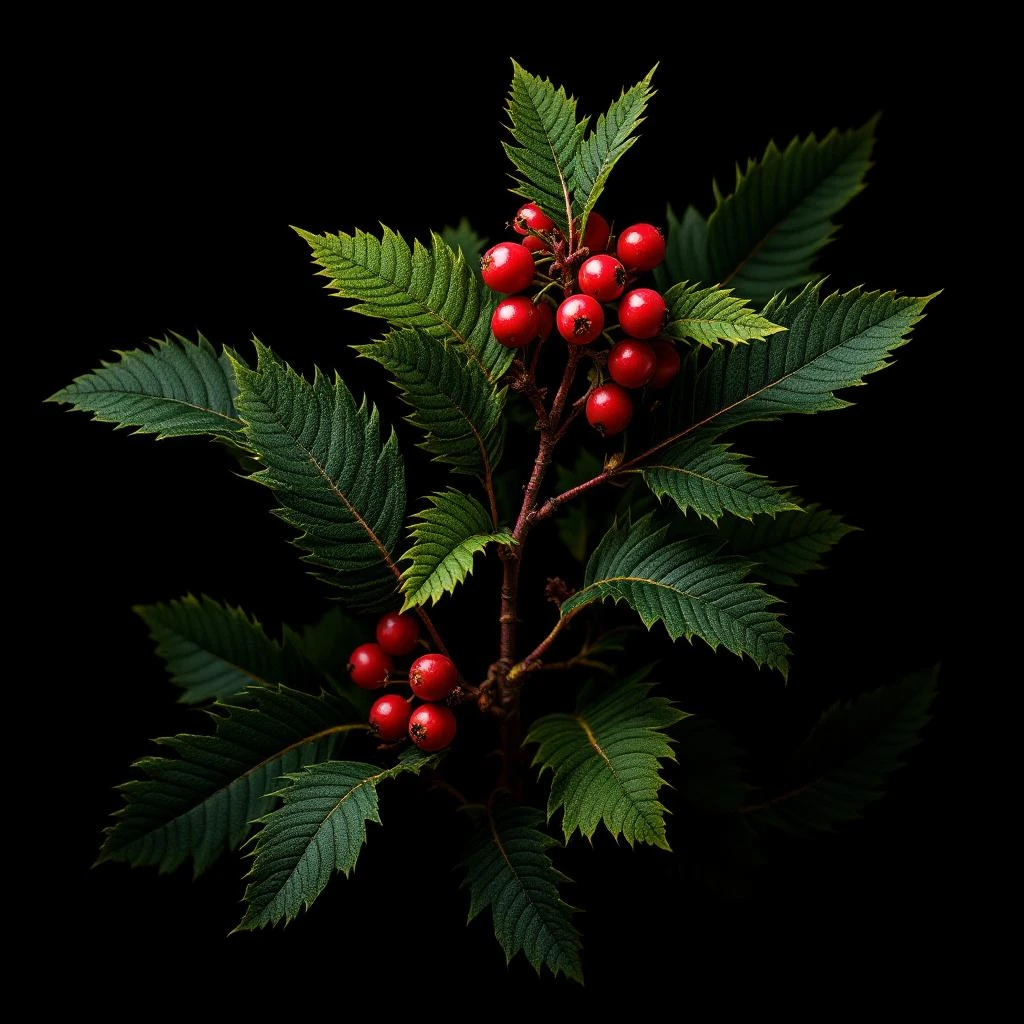
The potpourri tradition emerged from medieval European efforts to mask household odors and preserve pleasant scents year-round. French households perfected the art during the Renaissance, hanging dried flower arrangements in decorative bowls.
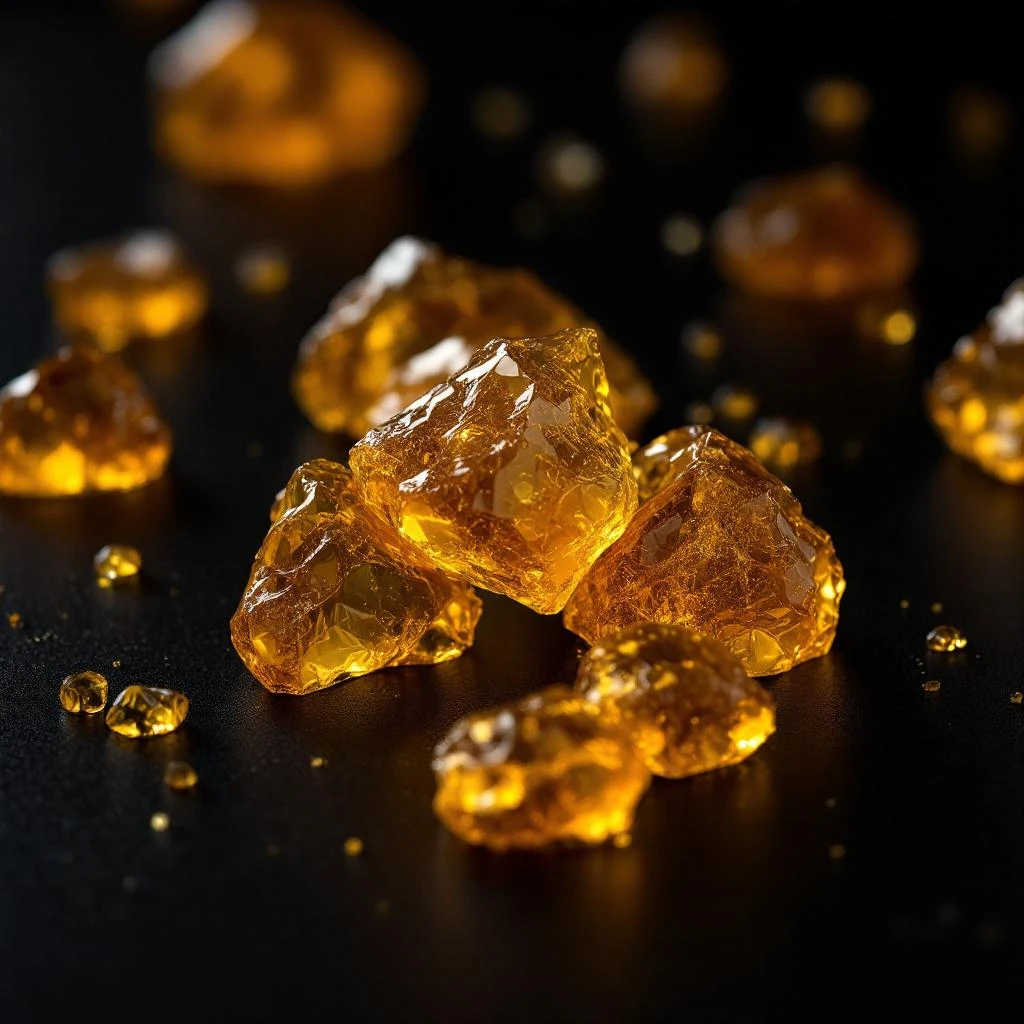
The name itself traces to sixteenth-century Spain, where cooks created 'pot-pourri' stews mixing meats, fruits, and spices. When this concept crossed into perfumery, it evolved into aromatic sachets and pomanders combining dried flowers, herbs, and essential oils.
By the Victorian era, potpourri had become a status symbol in European homes, with recipe books detailing elaborate botanical blends. Fragrance houses later adopted the potpourri concept as a distinct olfactory family, celebrating its warmth, complexity, and intimate connection to domestic life.
Wears it best
Fragrances featuring Potpourri
Brands
Brands known for Potpourri
Good to know
Questions, answered
The essentials on Potpourri in perfumery: how it smells, where it comes from, and how it behaves on skin.
What does potpourri smell like in perfumery?
Potpourri notes feature warm, powdery character with dried rose, lavender, and spice accents. The scent evokes cozy interiors and dried botanical arrangements. Key companions include cinnamon, clove, and resinous base notes.
Is potpourri a natural or synthetic ingredient?
Both. Traditional potpourri uses real dried botanicals, while modern perfumery often creates potpourri accords synthetically to achieve consistent, controllable fragrance compositions.
Which fragrances feature potpourri notes prominently?
Powdery and vintage-style fragrances commonly showcase potpourri characteristics. Chanel No. 5 and Guerlain Shalimar include elements that evoke dried botanical warmth and powdery richness.
How is potpourri different from other floral notes?
Unlike fresh florals, potpourri conveys dried, warm, and slightly spiced qualities. The note suggests aged botanicals rather than fresh-cut flowers, with greater emphasis on fixative and woody base elements.
What role does potpourri play in fragrance pyramids?
Potpourri functions primarily as a heart or base note in fragrances. Its fixative properties help retain lighter top notes while contributing warmth and lasting sillage to the overall composition.
Can I find natural potpourri fragrances?
Artisanal and niche perfumers often create natural potpourri fragrances using real dried botanicals and absolutes. These compositions typically command premium positioning due to ingredient sourcing costs.
What family of fragrance does potpourri belong to?
Potpourri falls within the oriental or powdery fragrance families. The warm, spicy, and resinous character aligns with oriental classification, while powdery facets often cross into powder family territory.
Why does potpourri have historical significance in perfumery?
Potpourri represents one of the earliest documented approaches to domestic fragrance preservation. The practice of drying and blending botanicals directly influenced the development of perfumery techniques and aromatic composition principles.