Limetta
Limetta brings a bright, honeyed sweetness to perfumery that differs sharply from the sharp tartness of its common lime cousins. This Mediterranean citrus carries a whisper of floral nuance beneath its clean citrus surface, giving fragrance creators a softer alternative when they want citrus without aggression. Its aromatic profile sits somewhere between a Bergamot and a traditional lime, offering versatility across masculine and feminine compositions.

Character
How it smells
The gentler Mediterranean citrus with a sweet edge
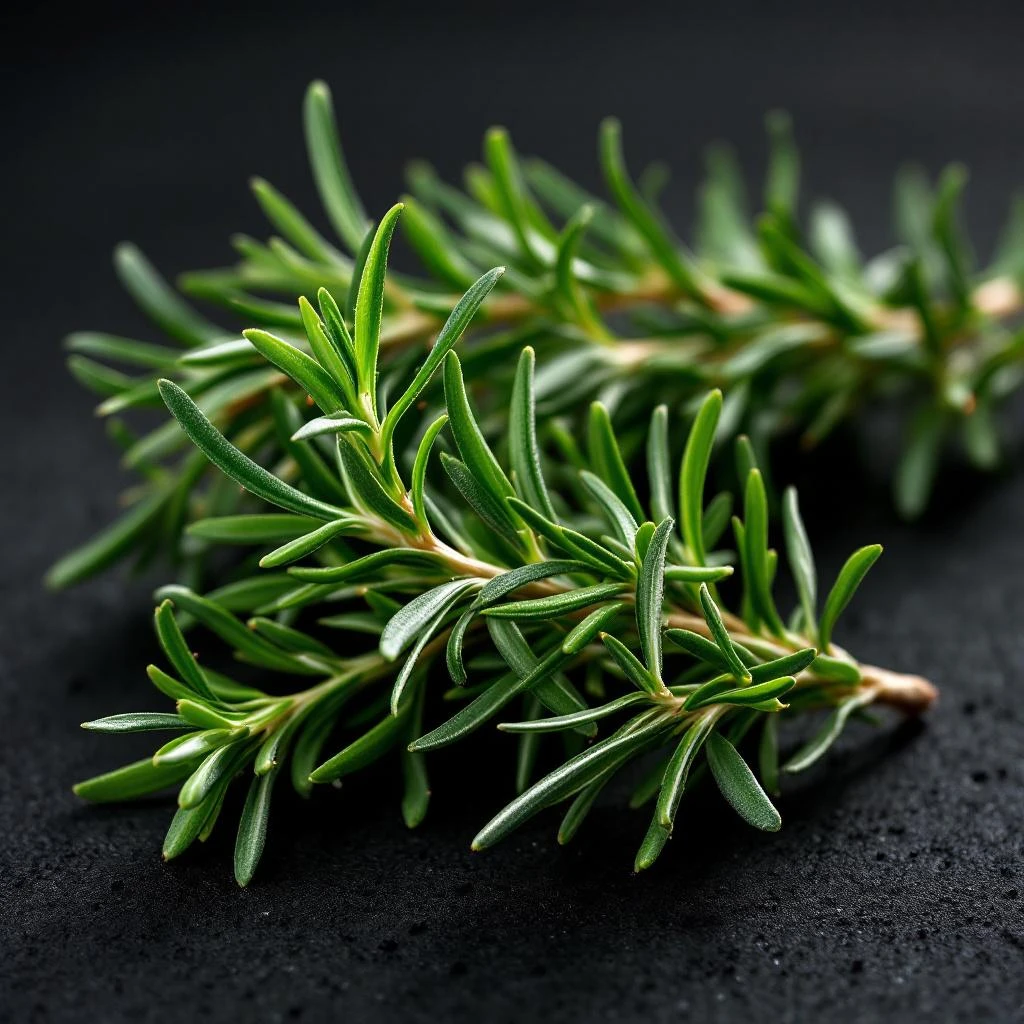
Unlike regular limes, Limetta contains so little acidity that it is eaten as a fresh fruit in India and the Middle East, often simply peeled and enjoyed out of hand.








Origin
Italy
Limetta has origins in the Mediterranean basin, with cultivation records dating to ancient Roman gardens where it was valued as a dessert fruit rather than a culinary one. The Romans recognized its gentler character compared to more sour citrus and planted it in villa gardens from Spain to Greece. Arabian traders later spread the fruit along trade routes into Persia and India, where it became a dietary staple.
Italian perfumers of the Renaissance began experimenting with citrus oils as fixa for their alcohol-based perfumes, and Limetta's sweetness made it particularly prized for blending. By the 18th century, Grasse had become the center of citrus oil production in Europe, with Limetta holding a steady but modest position among the citrus oils traded there.
Wears it best
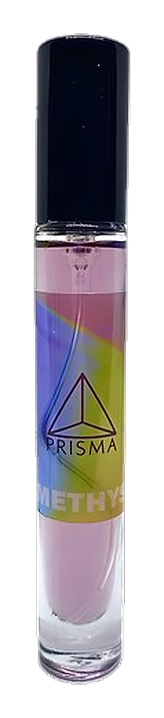
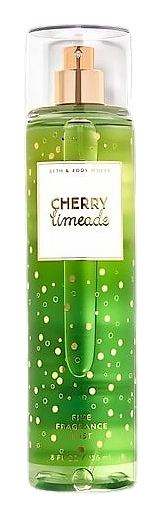
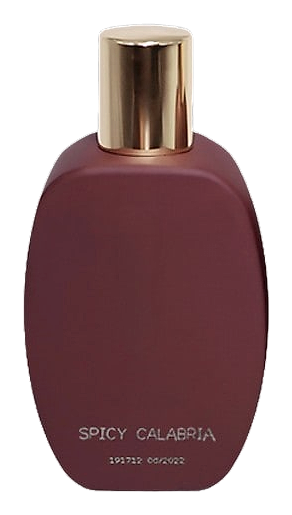
Fragrances featuring Limetta

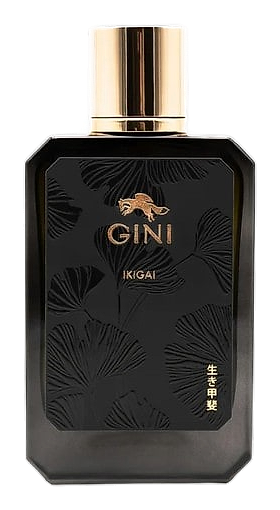
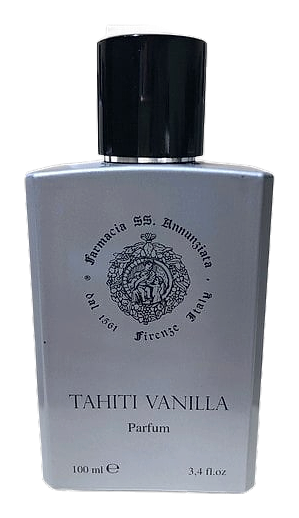
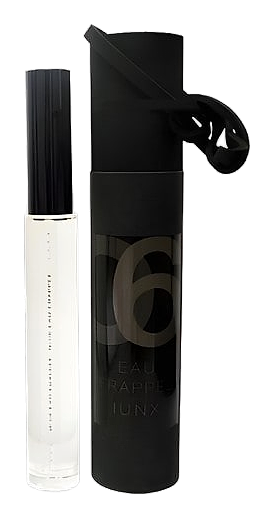
Brands
Brands known for Limetta
Good to know
Questions, answered
The essentials on Limetta in perfumery: how it smells, where it comes from, and how it behaves on skin.
What does Limetta smell like?
Limetta smells like a mild, sweet citrus with floral undertones. It lacks the sharp bite of common limes and instead presents honeyed, almost perfumed freshness reminiscent of a citrus blossom.
How is Limetta oil extracted?
Limetta oil is extracted through cold pressing, where the fruit peel is mechanically punctured to release oils without heat. This preserves the delicate aromatic compounds that give Limetta its characteristic sweetness.
Is Limetta the same as regular lime?
No. Limetta (Citrus limetta) is a distinct species from common limes. It contains significantly lower acidity and has a sweeter, more floral scent profile compared to the sharp tartness of tahitian or key limes.
What fragrances typically use Limetta?
Limetta appears in many fresh colognes and citrus-forward fragrances as a top note. Perfumers use it when they want brightness without aggression, often blending it with Neroli, Bergamot, or marine notes.
Where does Limetta grow?
Limetta grows primarily in Mediterranean regions, with significant cultivation in Italy, Egypt, and parts of the Middle East. Italian production, especially from the Amalfi coast region, is considered among the finest quality.
Can Limetta be synthetically replicated?
Yes. Synthetic Limetta notes exist and are typically based on variations of citrus aroma chemicals like linalool or geranyl acetate. However, natural cold-pressed Limetta oil captures nuances that synthetics struggle to fully replicate.
What part of the Limetta plant is used?
Only the outer peel (zest) of the Limetta fruit is used for fragrance. The white pith beneath contains minimal aromatic compounds and is discarded during the cold pressing process.
Does Limetta have any traditional uses beyond perfumery?
Yes. In India and Iran, Limetta is eaten fresh as a dessert fruit and pressed into refreshing drinks. The fruit's low acidity makes it palatable without sugar, unlike sourer citrus varieties.