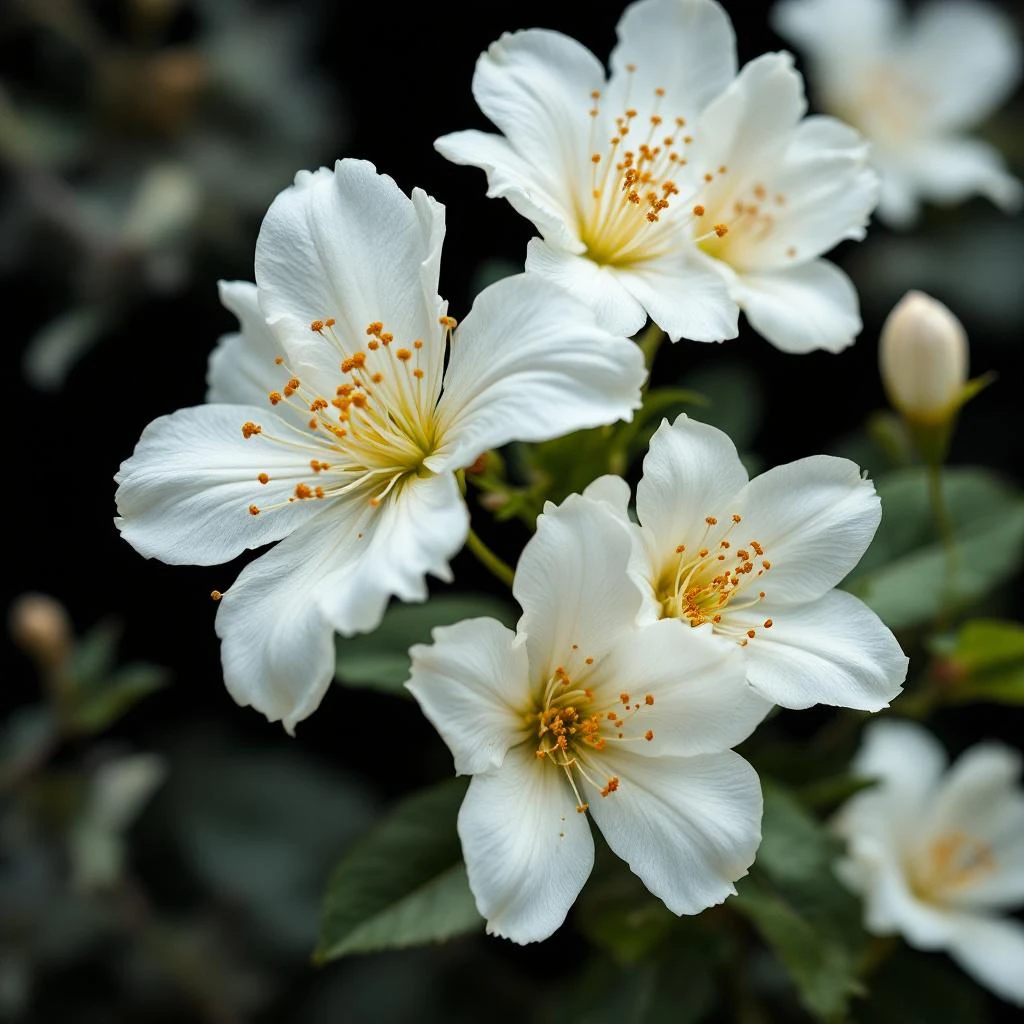
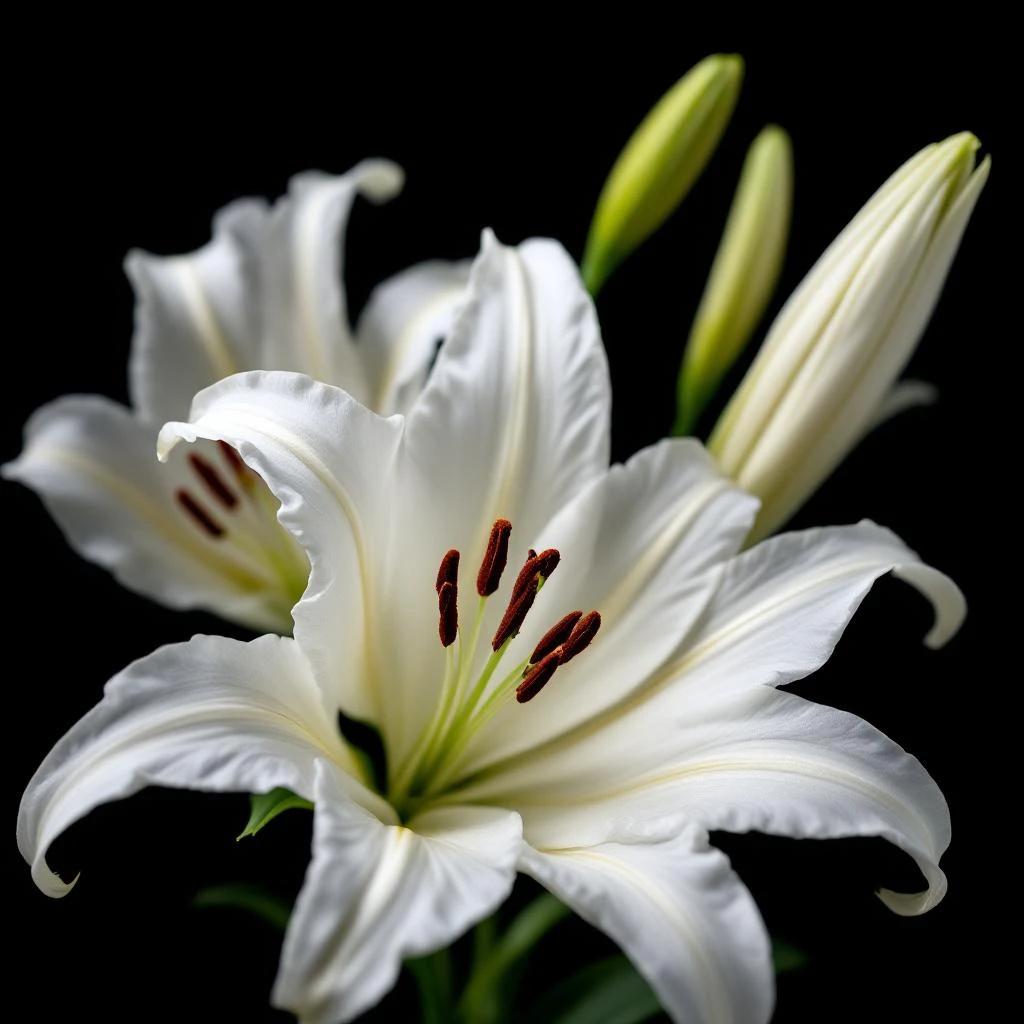
Lilybelle
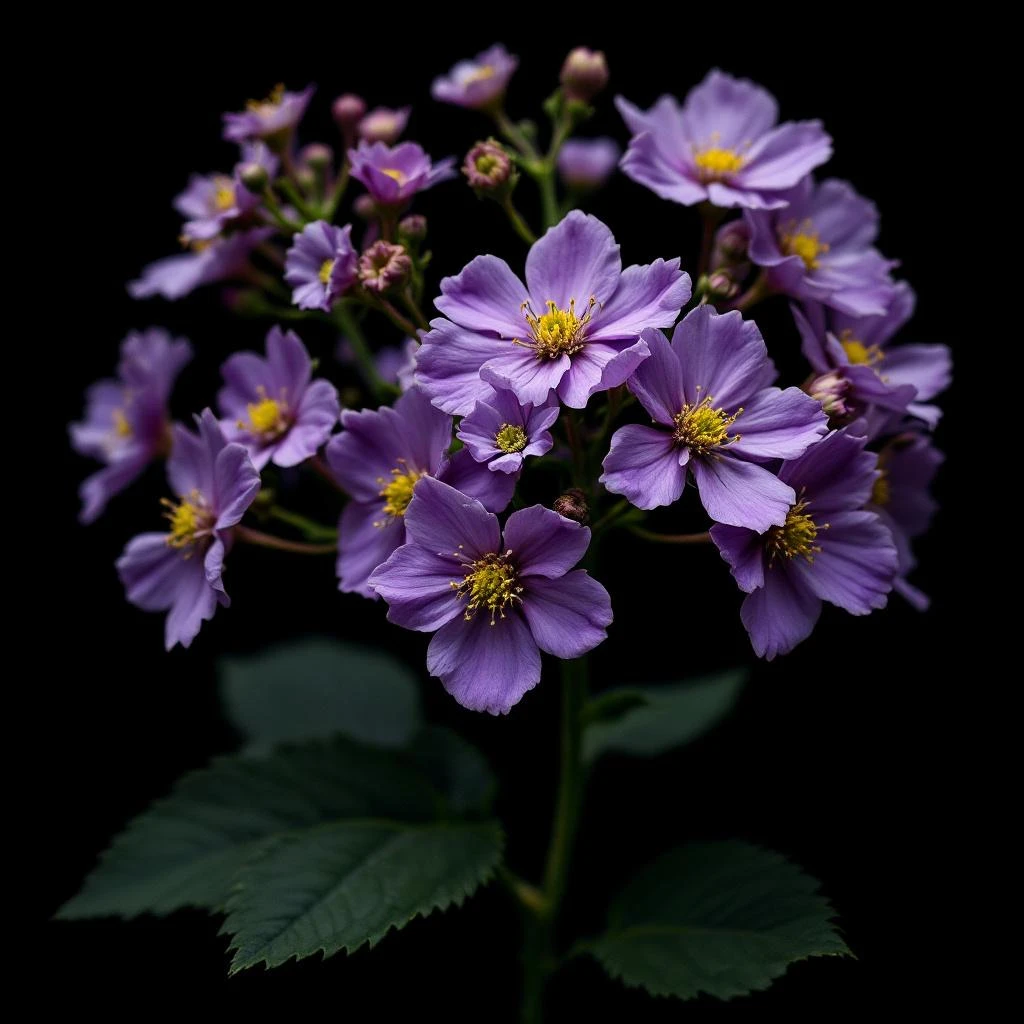
Lilybelle transforms industrial citrus waste into an exquisite lily of the valley fragrance. This Symrise ingredient uses upcycled D-limonene from orange juice production, delivering sustainable luxury without compromise.

Character
How it smells
Lily of the valley reimagined from citrus waste
Every batch of Lilybelle begins as discarded orange juice byproduct. Symrise captures this D-limonene side stream and converts it into an award-winning lily of the valley scent.




Origin
Germany
The desire to capture lily of the valley in fragrance dates back centuries, yet natural extraction proved challenging due to the flower's low oil yield. Early perfumers relied on enfleurage or expensive absolutes to access its crisp, green scent.
The 19th century brought synthetic alternatives like Hawthorn and Cyclamen, but true muguet replication eluded chemists until recently. Lilybelle represents a breakthrough by leveraging D-limonene chemistry to construct the signature accord.
The ingredient draws from Symrise research in sustainable fragrance development, applying circular economy principles to ingredient creation. This innovation reflects broader shifts in the fragrance industry toward traceable, responsible supply chains without sacrificing olfactory quality.
Wears it best
Fragrances featuring Lilybelle

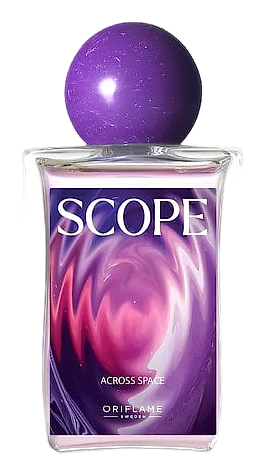
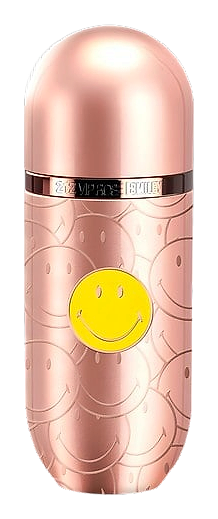
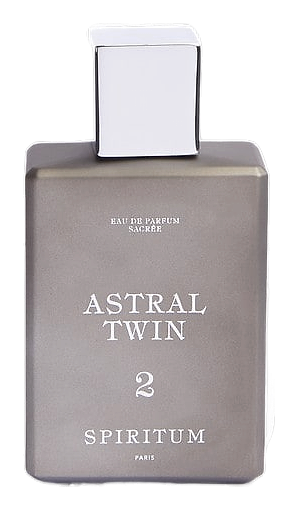
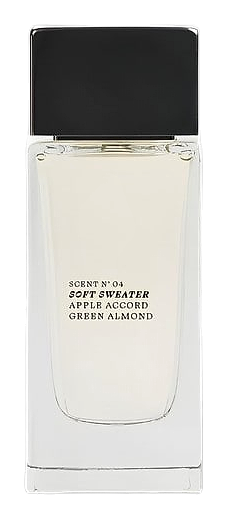
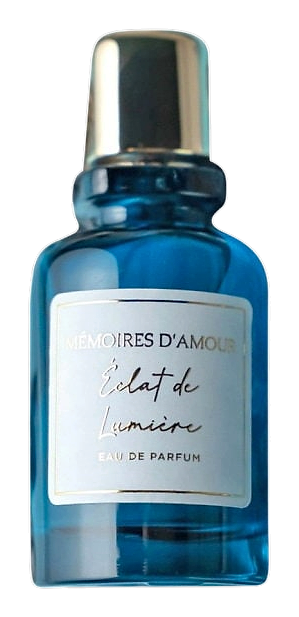

Brands
Brands known for Lilybelle
Good to know
Questions, answered
The essentials on Lilybelle in perfumery: how it smells, where it comes from, and how it behaves on skin.
How does Lilybelle achieve its sustainability profile?
Lilybelle upcycles D-limonene sourced from the orange juice industry side stream. This material would otherwise become industrial waste, yet Symrise converts it into a premium fragrance ingredient. The process reduces agricultural land use and eliminates the need for traditional lily of the valley cultivation, which yields minimal natural oil. The ingredient is readily biodegradable, supporting sustainable product formulations.
What does lily of the valley smell like in perfumery?
Lily of the valley (muguet) presents a crisp, green-floral scent with dewy, slightly acidic top notes and a delicate sweetness. The aroma evokes spring morning dew on flowers. In fragrance composition, perfumers use it to add freshness and lift to floral bouquets, often pairing it with hyacinth, jasmine, or rose. Lilybelle captures this green-floral character while maintaining consistency across batches.
What recognition has Lilybelle received in the industry?
Lilybelle earned the award for Best Sustainable Ingredient at a major industry awards ceremony. The recognition reflects both its eco-friendly production methodology and its performance in fragrance applications. Judges evaluated the ingredient on innovation, sustainability metrics, and olfactory quality, with Lilybelle excelling across all categories. This dual recognition marks it as a rare achievement in sustainable perfumery.
How does synthetic production differ from natural extraction for muguet?
Natural lily of the valley yields extremely low quantities of essential oil, making traditional extraction impractical and expensive. Synthetic production like Lilybelle provides consistent scent profile and ample supply without depleting natural resources. The molecular structure recreates the characteristic muguet accord that perfumers have sought for generations. This approach eliminates the seasonal variability and price fluctuations associated with natural botanicals.
Which fragrance families pair well with Lilybelle?
Lilybelle integrates seamlessly into floral, chypre, and fougere fragrance families. Its green-fresh character makes it an excellent heart note for floral compositions, adding lift to jasmine or rose bases. Perfumers also use it to transition between top and heart notes, creating smooth olfactory progression. The ingredient performs well in both fine fragrances and functional products like soaps or lotions.
What makes D-limonene suitable for fragrance synthesis?
D-limonene is a cyclic monoterpene abundant in citrus peel, comprising over 90% of cold-pressed orange oil. Its molecular structure provides a suitable starting point for chemical modification, allowing chemists to build the more complex ring systems found in floral fragrance molecules. The availability of this material from juice production creates a reliable supply chain, while its inherent citrus character means no artificial fragrance compounds enter the synthesis process.
Can Lilybelle be used in natural or organic certified products?
Lilybelle qualifies for many natural and organic certification programs because its D-limonene source derives from whole citrus fruit processing. The upcycling approach aligns with sustainable sourcing requirements that many certifying bodies now prioritize. However, specific certification eligibility depends on the final product formulation and the particular standards of each certifying organization. Manufacturers should verify compliance with their target certifications.
What is the typical usage concentration for Lilybelle in formulations?
Formulators typically employ Lilybelle at concentrations between 0.5% and 15% depending on the product type and desired intensity. Fine fragrances generally use higher concentrations to achieve pronounced heart notes, while personal care products may require lower usage levels due to regulatory restrictions or base composition. The ingredient blends well with both natural and synthetic fragrance components, allowing flexibility in formulation design.