Lemon Tree Bark
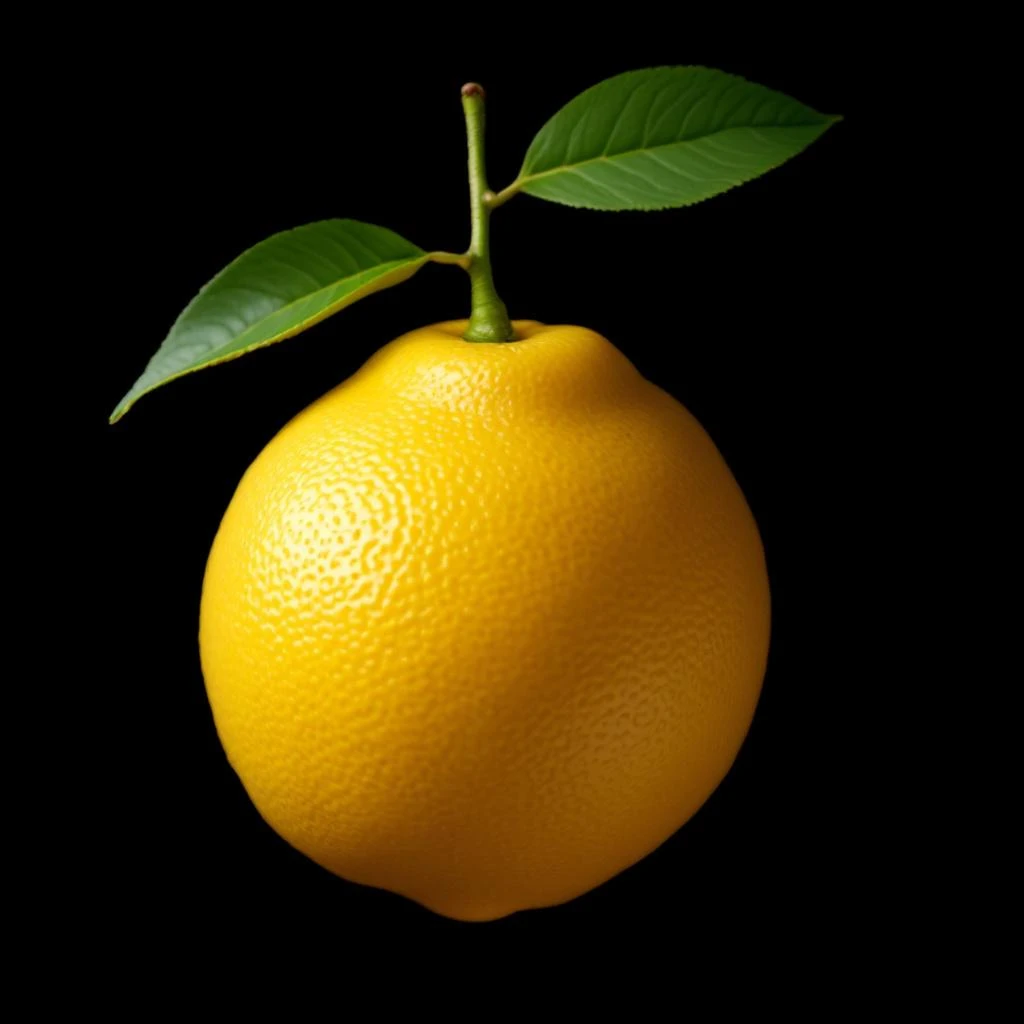
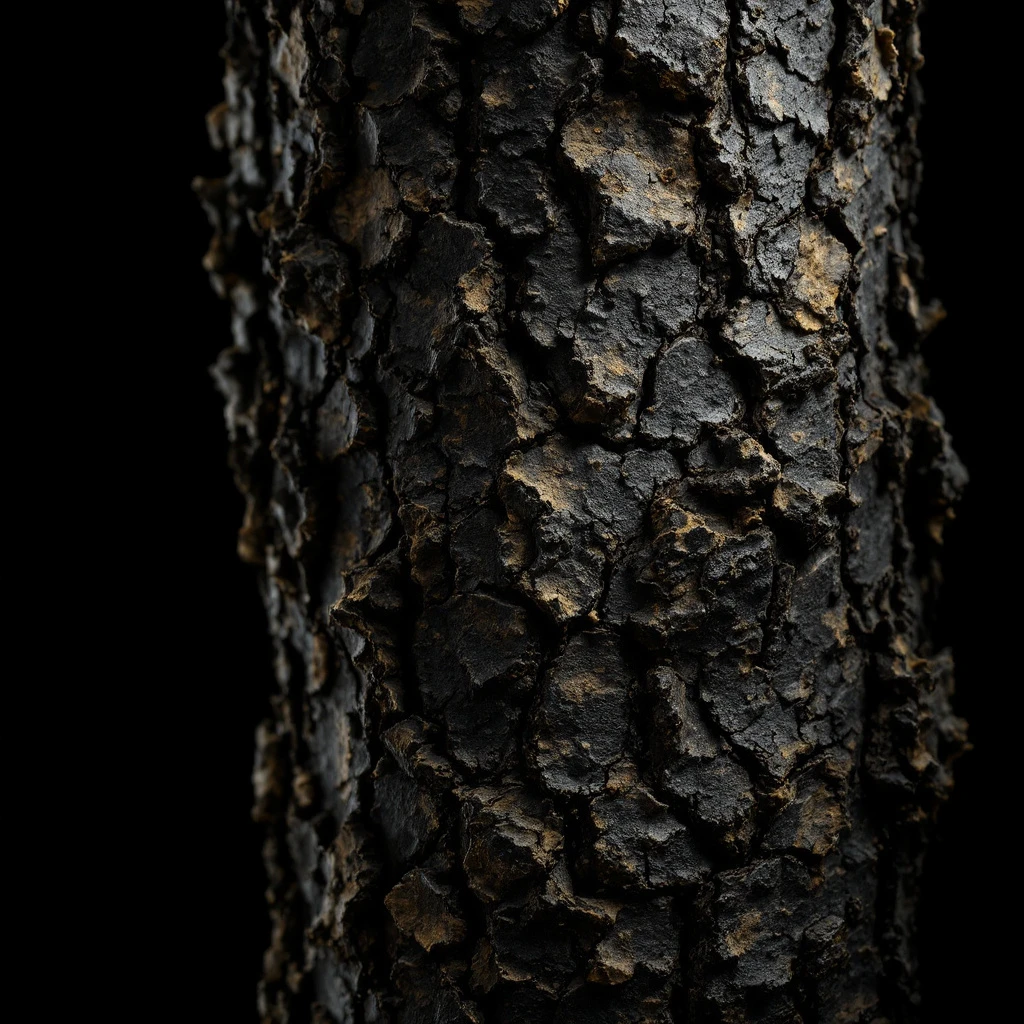
Rare and aromatic, lemon tree bark delivers a sophisticated citrus-woody character rarely found in mainstream perfumery. This underutilized material bridges fresh top notes with deeper aromatic warmth.
Character
How it smells
When citrus meets wood: an unexpected aromatic bridge.
While lemon peel dominates citrus perfumery, the bark contains complementary aromatic compounds found in no other citrus material.




Origin
Italy
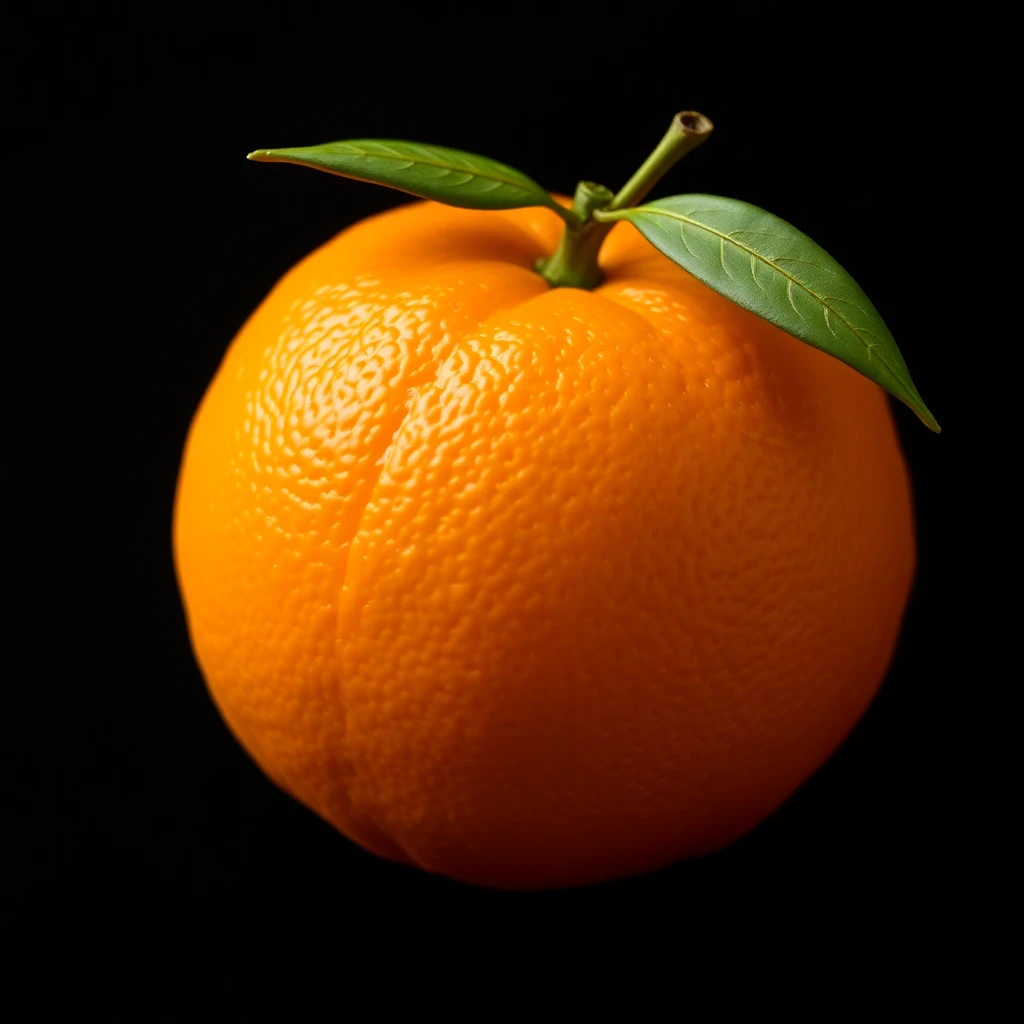
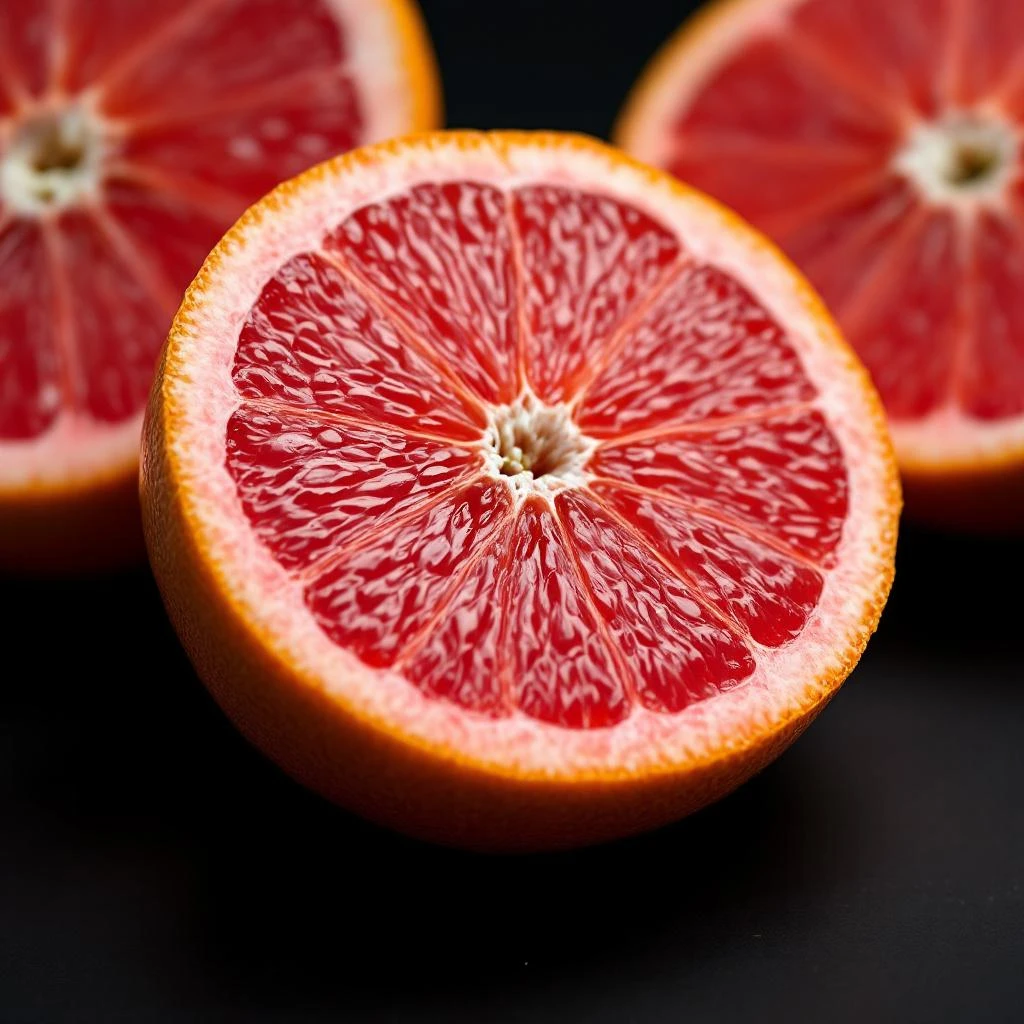
Lemon cultivation stretches back over 3,000 years to the Kashmir region, with Mediterranean cultivation flourishing notably in Sicily by the 18th century. While lemon peel oil earned documented commercial attention in 1780 through Abbot Domenico Sestini's technical description, the bark remained largely overlooked in perfumery traditions.
Mediterranean communities historically used various lemon tree parts for local preparations, yet perfumers focused primarily on the fruit's exterior. The bark's aromatic potential represents an underexplored facet of an ancient ingredient, sitting at the intersection of citrus tradition and contemporary material innovation.
Wears it best
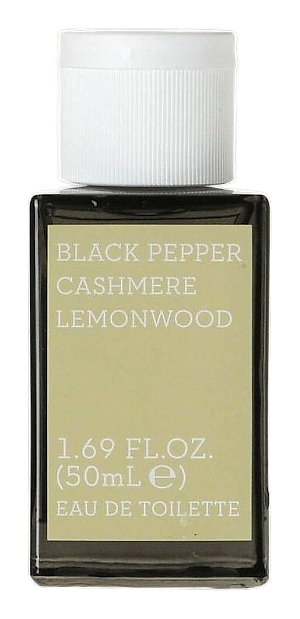
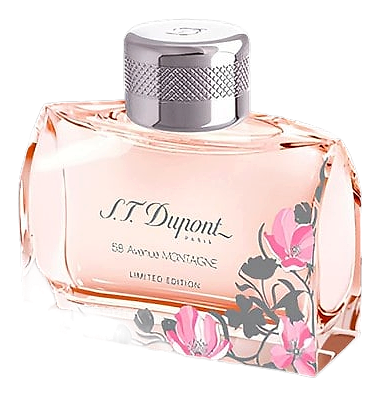
Fragrances featuring Lemon Tree Bark
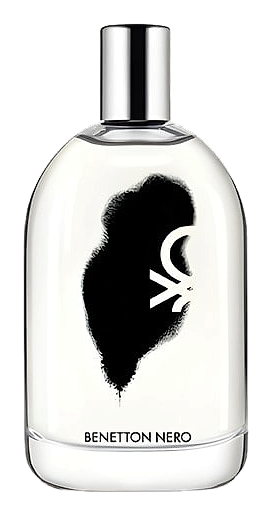
Brands
Brands known for Lemon Tree Bark
Good to know
Questions, answered
The essentials on Lemon Tree Bark in perfumery: how it smells, where it comes from, and how it behaves on skin.
What does lemon tree bark smell like?
Lemon tree bark offers citrus brightness with woody, slightly bitter undertones. Unlike fresh lemon peel, it combines bright citrus character with depth that develops through dry-down.
Is lemon tree bark commonly used in perfumery?
No. Lemon tree bark ranks among the rarest citrus materials in perfumery. Most lemon fragrance ingredients come from fruit peel rather than bark tissue.
How does lemon bark differ from lemon essential oil?
Lemon essential oil comes from fruit peel via cold-pressing and delivers bright, fresh citrus. Bark extract contains different compound ratios, offering citrus notes grounded by woody, slightly astringent character.
What extraction method produces lemon tree bark material?
Steam distillation extracts aromatic compounds from dried bark. This method suits woody tissues better than cold-pressing, which works only for fruit peel.
Where does lemon tree bark originate?
Lemon trees originated in Kashmir over 3,000 years ago. Commercial cultivation concentrated in Mediterranean regions, particularly Italy, where extraction traditions developed.
Can lemon tree bark be synthesized artificially?
Individual aromatic compounds from lemon bark can be synthesized, but the complete aromatic profile of naturally extracted bark material remains difficult to replicate accurately.
What fragrance families pair well with lemon tree bark?
Lemon bark suits woody, aromatic, and citrus fragrance families. It bridges fresh top notes with deeper base character, pairing well with woods, herbs, and other citrus materials.
Does lemon tree bark contain limonene?
Lemon tree tissues contain limonene as a major component, similar to other citrus parts. However, bark contains this compound alongside different proportions of other aromatic constituents.