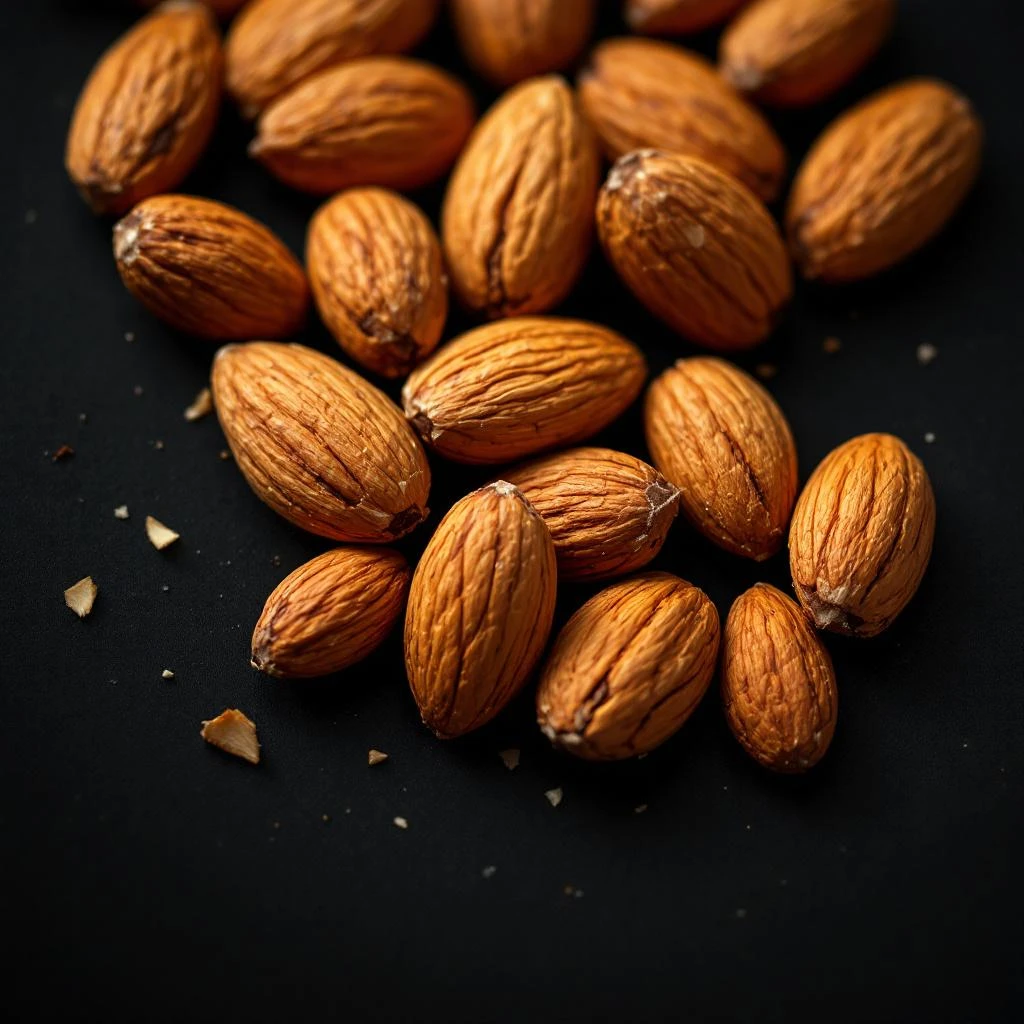
Lemon Tea
A bright, aromatic accord blending sun-dried citrus peel with the mineral clarity of green tea. This note captures the first sip of hot tea with lemon, fusing sparkling top notes against a clean, slightly bitter green base.

Character
How it smells
Citrus brightness meets tea's quiet clarity.
The same lemon peel oil used in perfumery gives Earl Grey tea its distinctive bergamot-like aroma in fragrance form.





Origin
China
Lemon cultivation stretches back over 3,000 years in the Kashmir region, where the fruit held both culinary and ceremonial importance. Tea, derived from Camellia sinensis, developed alongside ancient Chinese traditions, eventually spreading across tropical and subtropical growing regions worldwide.
The pairing of lemon and tea in perfumery emerged from the East Asian practice of adding citrus peel to brewed tea for brightness and complexity. European traders encountering these traditions in the 17th and 18th centuries brought the combination into Western perfumery, where perfumers recognized the two ingredients created a natural aromatic harmony, the citral compounds in lemon peel amplifying the green, fresh qualities found in tea absolute.
Wears it best
Fragrances featuring Lemon Tea
Brands
Brands known for Lemon Tea
Good to know
Questions, answered
The essentials on Lemon Tea in perfumery: how it smells, where it comes from, and how it behaves on skin.
What does Lemon Tea smell like?
Lemon Tea delivers bright citrus top notes that transition into green, slightly bitter tea characteristics. The lemon provides an immediate sparkling quality while the tea element adds mineral clarity and subtle astringency.
Is Lemon Tea natural or synthetic?
Lemon Tea typically combines natural materials: cold-pressed lemon peel oil for citrus brightness and steam-distilled tea absolute from Camellia sinensis leaves. Some modern formulations may include nature-identical aroma chemicals to standardize the accord.
What type of fragrance pairs well with Lemon Tea?
Lemon Tea works in fresh, unisex fragrances and pairs with aquatic notes, white musk, and green tea variations. It also complements oriental ingredients like cardamom and ginger for spiced tea interpretations.
Which fragrance families use Lemon Tea?
Lemon Tea appears primarily in aromatic and green fragrance families. It suits summer scents, spa-themed fragrances, and modern chypre compositions seeking a fresh botanical dimension.
What growing conditions affect Lemon Tea quality?
Lemon peel quality depends on sun exposure and soil drainage, while tea leaves develop their aromatic profile based on altitude, rainfall, and processing methods. Both ingredients perform best when harvested at specific seasonal windows.
Can Lemon Tea be used in candle making?
Lemon Tea performs well in candle formulations, though lemon oil's citrus compounds may degrade faster than in skin applications. Stabilization techniques and reduced usage concentrations extend the note's longevity in candle products.
How long does Lemon Tea last on skin?
Lemon Tea typically lingers 4-6 hours on skin. The lemon component evaporates within 1-2 hours, leaving the tea element as a subtle, lingering drydown that can persist for several additional hours.
What cultural significance does the Lemon Tea combination hold?
The pairing traces to East Asian tea traditions where citrus peel was added to brewed tea for both flavor and medicinal purposes. This practice influenced European perfumery during the 17th-century spice trade era.