Lemon Soufflé
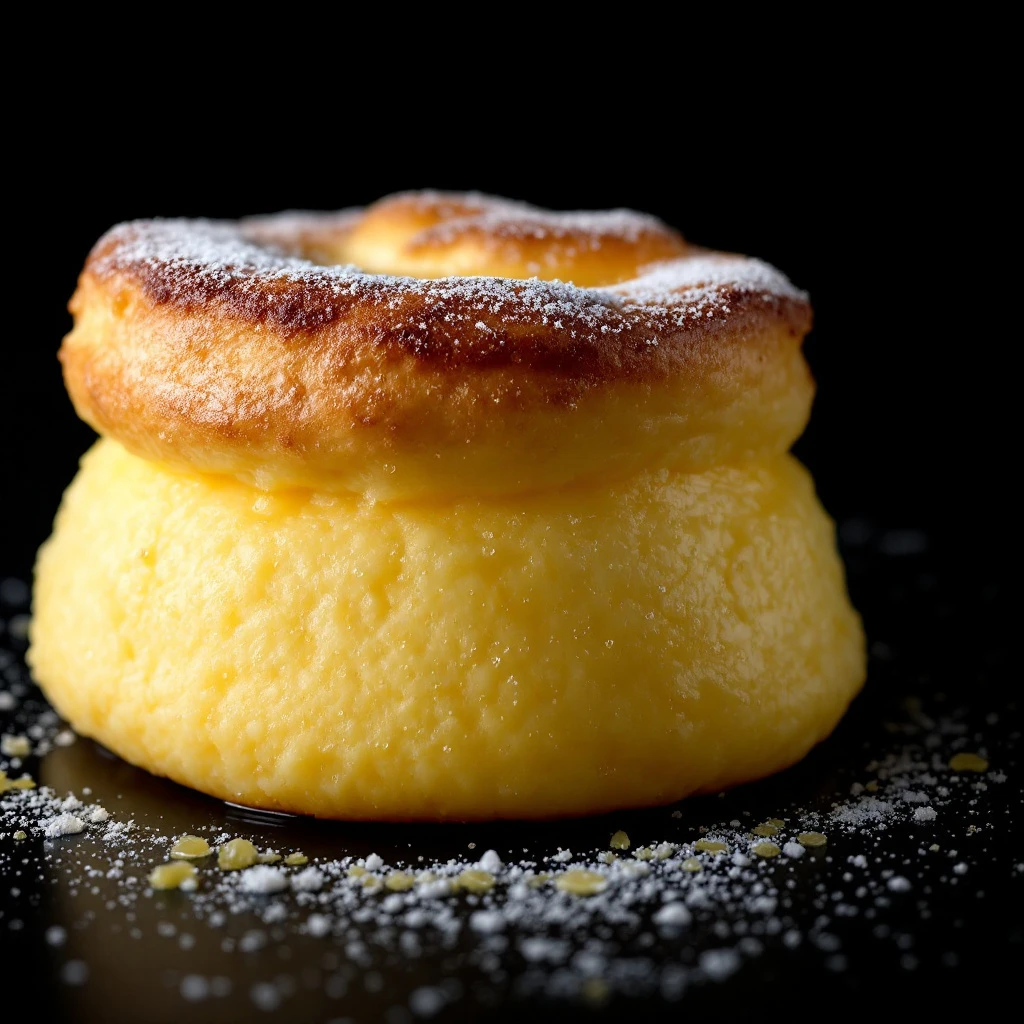
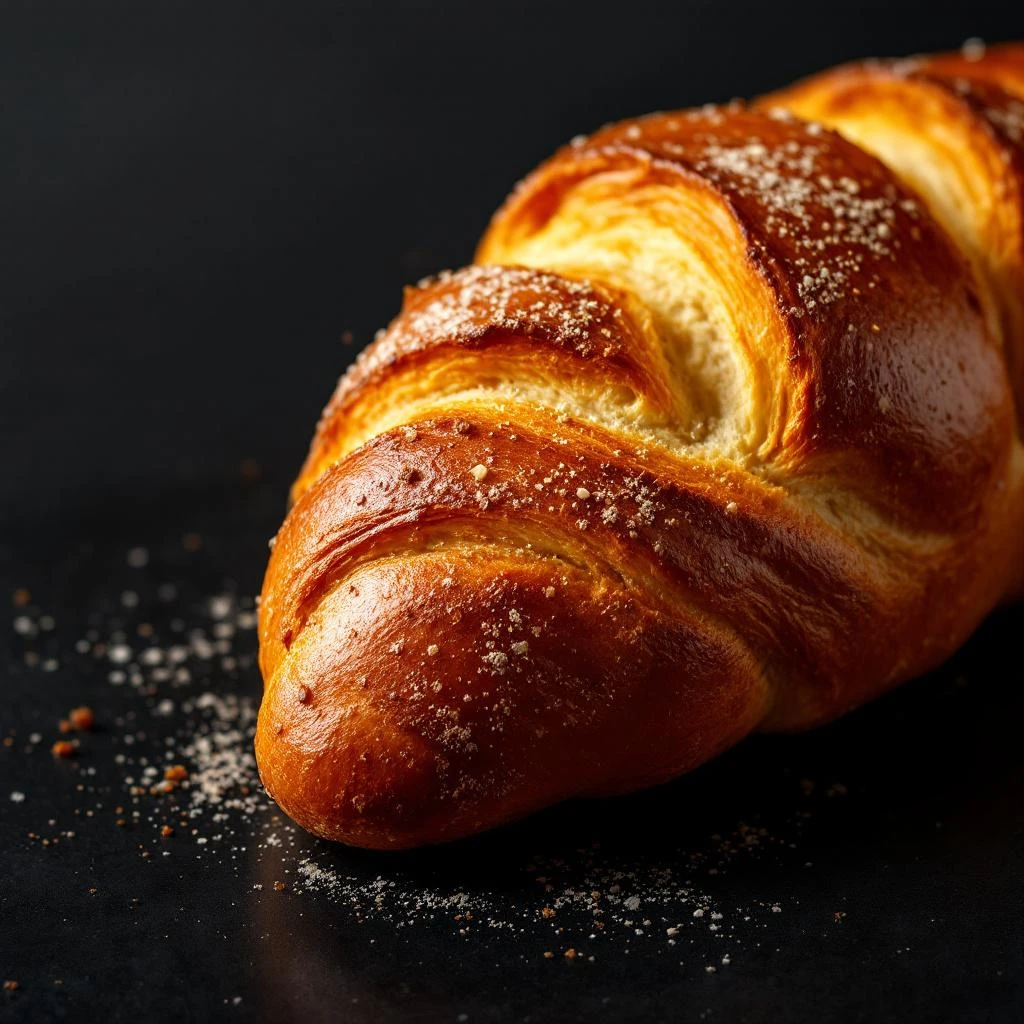
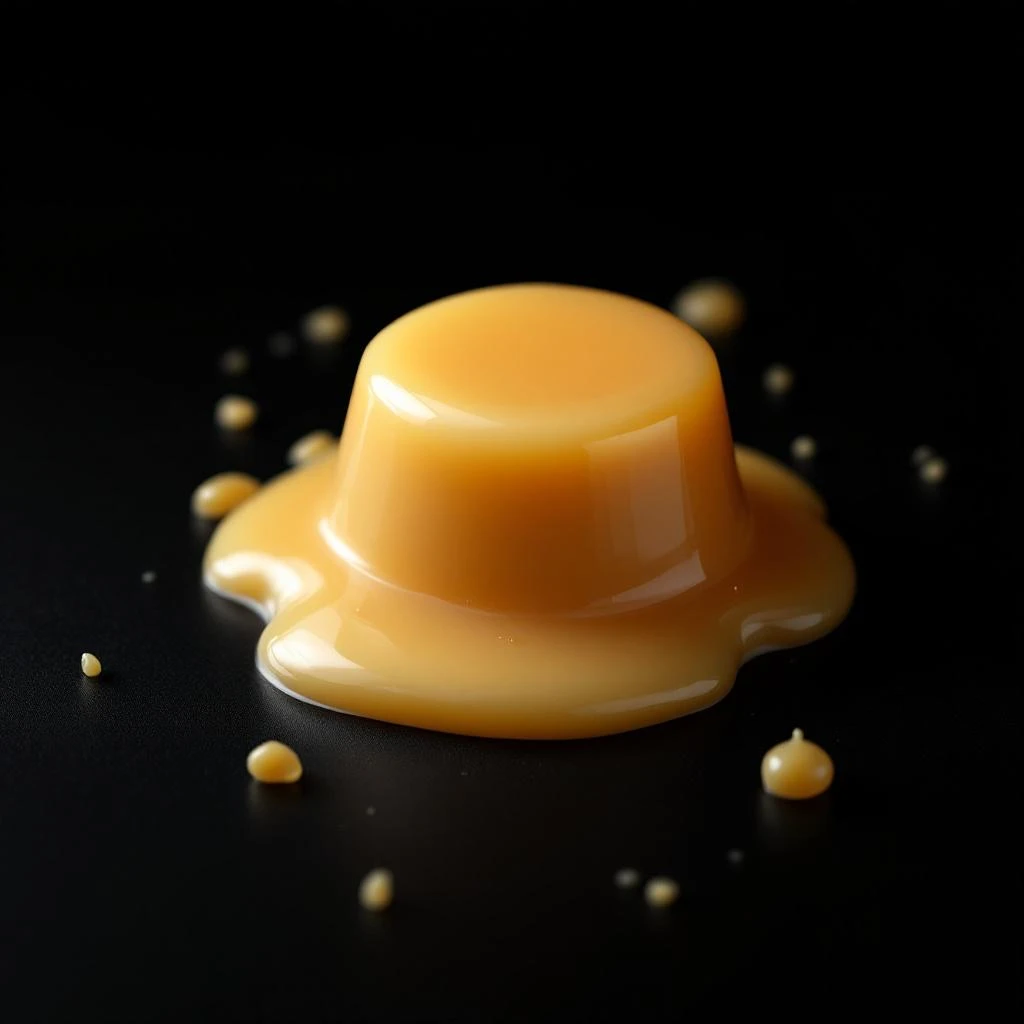
A bright, confectionary citrus accord that captures the effervescent zest of lemon folded into airy sweetness. Think curd, zest, and golden oven warmth rather than sharp cleaning-product acidity.
Character
How it smells
Sunlit zest, airy sweetness
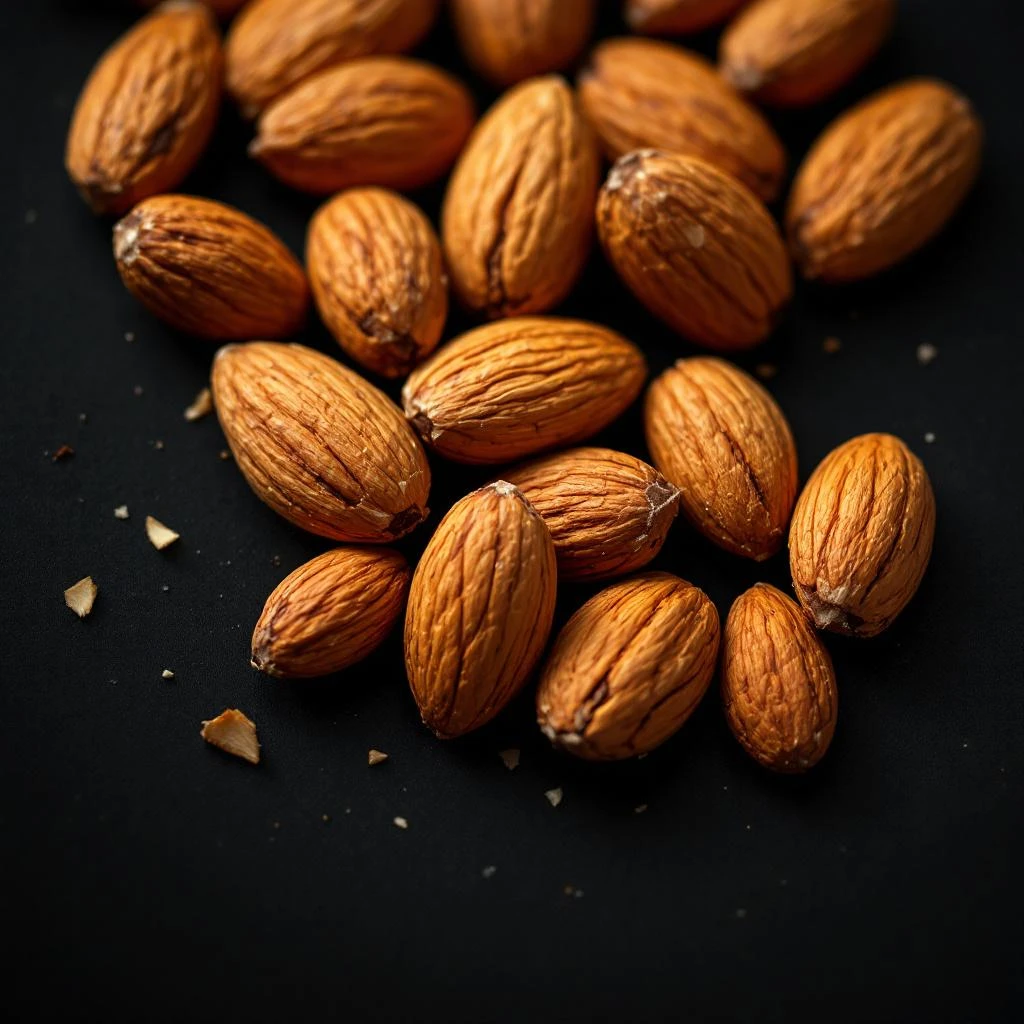
The 'soufflé' effect comes from pairing cold-pressed lemon oil with creamy gourmand notes like vanilla or praline, mimicking the rise and settle of a baked dessert.




Origin
Italy
Lemon entered European perfumery through Sicily, where Arab traders cultivated Citrus limon beginning around the 10th century. By the 17th century, Sicily dominated lemon oil production, exporting to France and beyond. The fruit featured in classic eau de cologne formulas from the start, prized for its clean, sparkling lift.
Pure lemon oil, however, posed challenges: it oxidized quickly, turned rancid in soap, and caused skin photosensitivity. The gourmand turn in perfumery during the late 20th century opened new possibilities. As sugary, dessert-inspired fragrances gained popularity in the 1990s and 2000s, perfumers began treating lemon not as a sharp cleaning note but as an ingredient that could bridge citrus and confection.
The term 'Lemon Soufflé' emerged in marketing copy during this era, describing accords where lemon's natural tartness softened into something resembling lemon curd or baked meringue. This shift reflected broader interest in comfort-driven scent profiles and the technical refinement of citrus stabilization methods, allowing lemon to occupy warmer, sweeter territory than its traditional role permitted.
Wears it best
Fragrances featuring Lemon Soufflé
Brands
Brands known for Lemon Soufflé
Good to know
Questions, answered
The essentials on Lemon Soufflé in perfumery: how it smells, where it comes from, and how it behaves on skin.
What does Lemon Soufflé smell like in perfume?
Lemon Soufflé combines bright, zesty lemon peel with creamy, sweet undertones like vanilla or praline. The result is softer than pure lemon, evoking lemon curd or meringue rather than sharp citrus peel. It's a citrus note with warmth and roundness.
Is Lemon Soufflé a natural ingredient or synthetic?
It is typically a constructed accord. Cold-pressed lemon peel oil provides the natural citrus character, while vanillin, maltol, or other aroma chemicals create the dessert-like sweetness. Most commercial versions blend natural and synthetic components for batch consistency.
Why is lemon oil problematic in perfumery?
Cold-pressed lemon oil contains furocoumarins, compounds that cause skin photosensitivity and degrade rapidly under UV light. Many formulators now use furocoumarin-free (FCF) versions or reconstructed lemon bases to avoid these stability and safety issues.
Where does the best lemon for perfumery come from?
Sicily has been the historical center of lemon oil production since Arab traders introduced Citrus limon around the 10th century. The region's volcanic soil and Mediterranean climate produce fruit with high limonene content, making it prized for fragrance extraction.
How is lemon oil extracted for perfume?
Lemon oil is extracted by cold pressing, a mechanical process where the peel is punctured and centrifuged to release essential oils. This method, native to Sicily, preserves volatile top notes that heat-based distillation would destroy, capturing the peel's fresh, bright character.
What fragrances feature Lemon Soufflé accords?
Lemon Soufflé-style accords appear in gourmand and citrus-floral compositions from the 1990s onward. The note gained visibility as perfumers began bridging citrus with dessert-inspired bases like vanilla, praline, and sugar, creating softer, more wearable citrus profiles.
Can Lemon Soufflé be used in natural perfumery?
Yes, but with caveats. Natural formulations must address lemon oil's phototoxicity and short shelf life. Some natural perfumers use lemon petitgrain or steam-distilled lemon for better stability, though the scent differs from cold-pressed versions.
How long does lemon oil last in a fragrance?
Lemon oil is a top note with high volatility. On skin, pure lemon oil typically lasts 15 minutes to 2 hours. In a Lemon Soufflé accord, fixatives like resins or gourmand bases can extend perceptible citrus character to 3 to 4 hours depending on concentration.