Lemon Cake
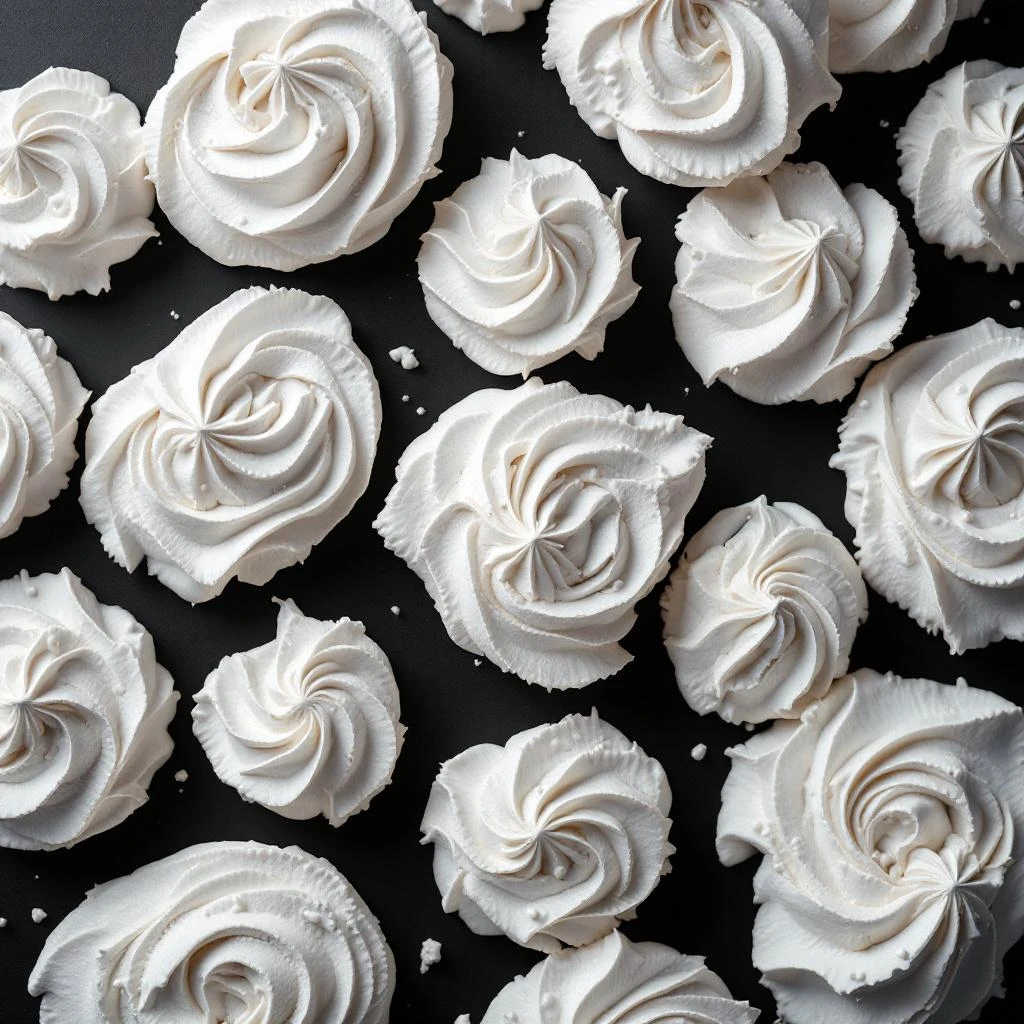
A bright, sweet fragrance inspired by fresh-baked lemon cake. Citrus zest meets warm vanilla and buttery cake notes, capturing the cozy aroma of a sunlit bakery kitchen.

Character
How it smells
Citrus brightness wrapped in warm vanilla sweetness.
Sicilian lemon oil was first documented in 1780 by Abbot Domenico Sestini, marking the beginning of systematic citrus oil production.





Origin
Italy
Lemon originated in South Asia and traveled westward through Arab traders around the 10th century, reaching Mediterranean kitchens and apothecaries. Initially used for medicinal purposes, lemons gradually became culinary staples.
By the 1780s, Sicily emerged as a center for lemon cultivation and processing, with Abbot Domenico Sestini documenting the first technical extraction methods for lemon oil. The combination of lemon with sweet, baked elements represents a modern gourmand movement in perfumery that began in the late 20th century.
This culinary approach transformed how perfumers use citrus, shifting from bright, clean scents to warmer interpretations that evoke food and comfort. The lemon cake note now bridges traditional citrus perfumery with the contemporary embrace of edible-inspired fragrances.
Wears it best
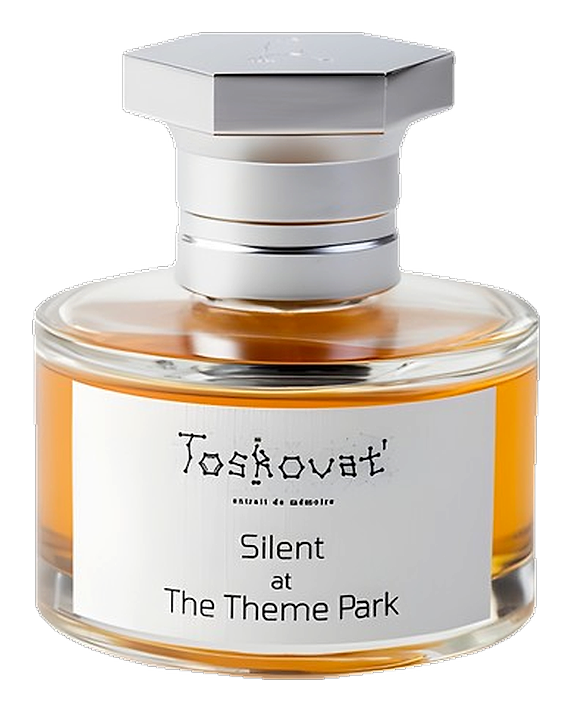
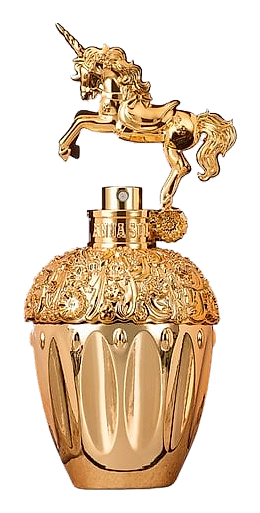
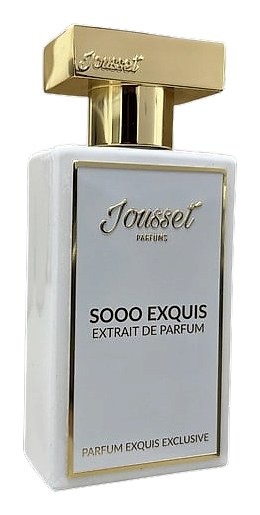
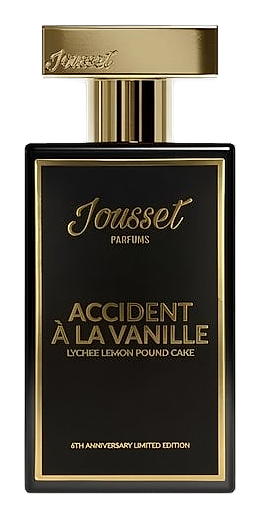
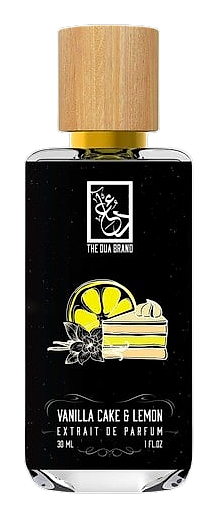
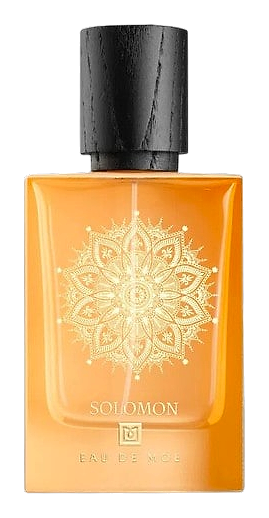
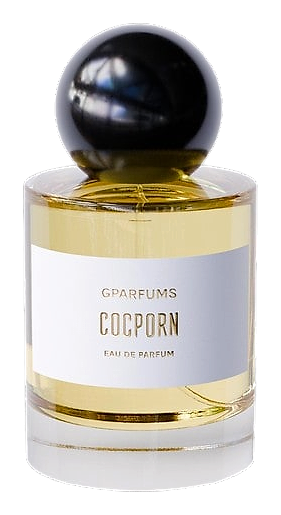
Fragrances featuring Lemon Cake
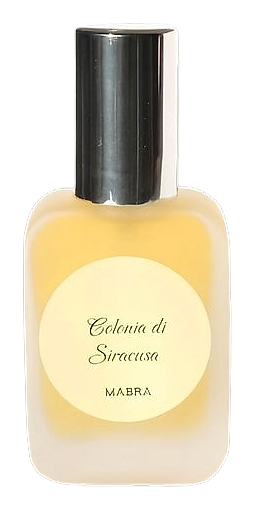
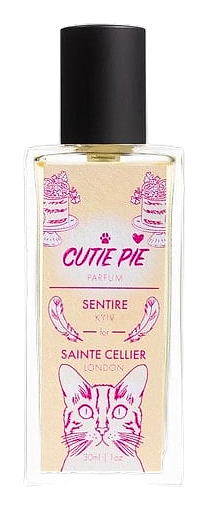

Brands
Brands known for Lemon Cake
Good to know
Questions, answered
The essentials on Lemon Cake in perfumery: how it smells, where it comes from, and how it behaves on skin.
What creates the lemon cake note in perfume?
The note combines lemon oil with sweet aroma chemicals. Natural lemon oil provides bright citrus top notes, while vanillin, coumarin, and esters add warm cake-like depth. This blend creates a fragrance that smells like lemon cake rather than fresh lemon fruit.
Is lemon cake a natural or synthetic ingredient?
It is typically a constructed note using both natural and synthetic materials. Natural lemon oil comes from cold-pressed citrus peel. The cake elements rely on synthetic aroma compounds that create buttery, vanilla-like warmth impossible to extract from actual cake.
Where does lemon oil used in perfumery come from?
Sicily remains the primary source for premium lemon oil. Italian lemon cultivation near Mount Etna benefits from volcanic soil and favorable climate. Production was first documented there in 1780, establishing Sicily's centuries-long dominance in citrus oil production.
Does lemon cake smell like dessert or citrus?
It bridges both categories. The lemon provides immediate bright, zesty character, while the cake elements add sweet, buttery depth that lingers. The result feels like biting into lemon-frosted cake: citrus-forward but undeniably edible.
How long does lemon cake fragrance last on skin?
Citrus elements typically last 3 to 5 hours on skin, shorter than heavier fragrance families. Sweet cake base notes may linger slightly longer. Reapplication during the day provides consistent scent coverage.
What other notes pair well with lemon cake?
It complements vanilla, white musk, coconut, and fresh florals like jasmine or orange blossom. In masculine fragrances, it pairs well with vetiver and amber. The note adapts across gender categories depending on its supporting ingredients.
Can lemon cake note work in winter fragrances?
Absolutely. While often associated with summer freshness, the warm cake elements add comfort that suits cooler months. A lemon cake base with amber and vanilla creates a winter-appropriate fragrance that brightens without feeling out of place.
What inspired the lemon cake trend in perfumery?
The gourmand movement of the late 20th century sparked interest in food-inspired fragrances. Lemon cake specifically emerged as perfumers sought to translate culinary memories into scent, capturing the familiar comfort of homemade baked goods.