Pastry
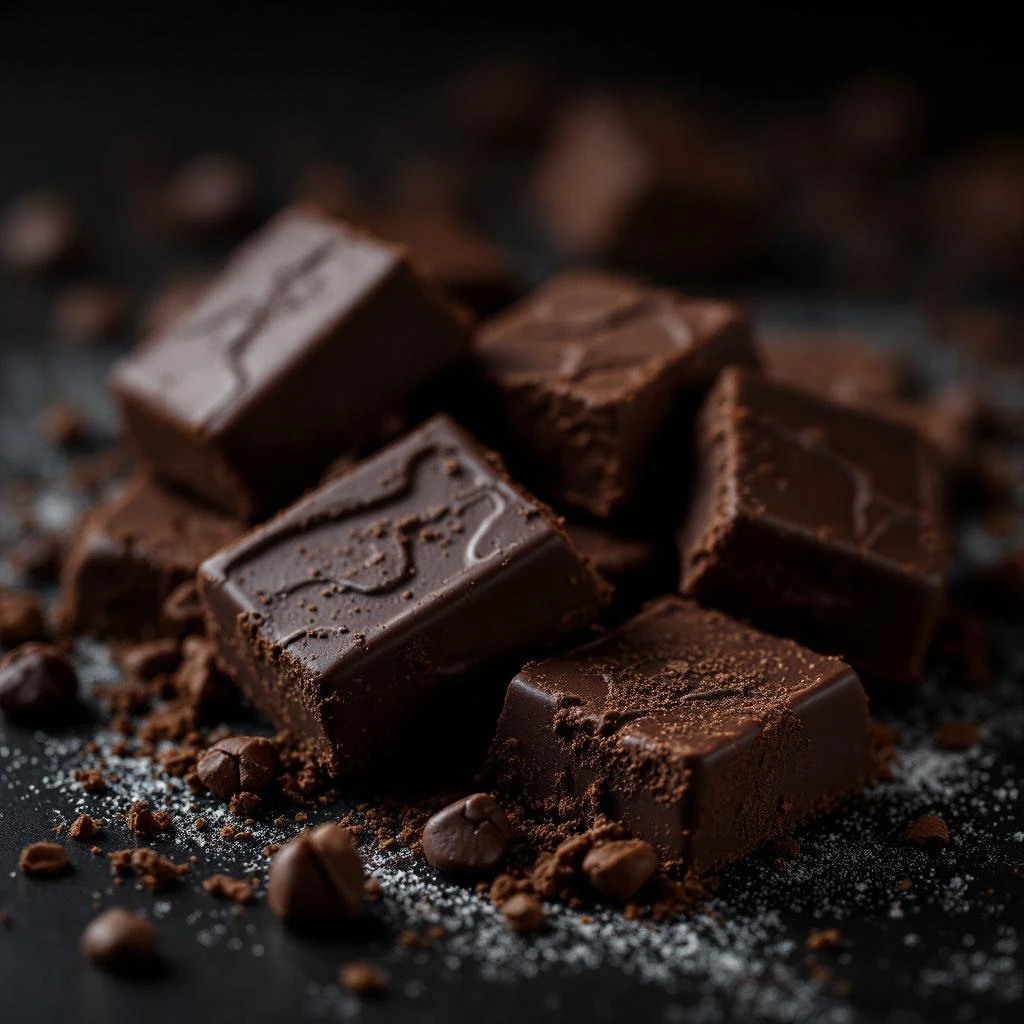
A gourmand accord evoking warm baked goods, buttery crusts, and caramelized sweetness. Pastry notes in perfumery are constructed rather than distilled, blending edible-smelling molecules to recreate the scent of fresh ovens.
Character
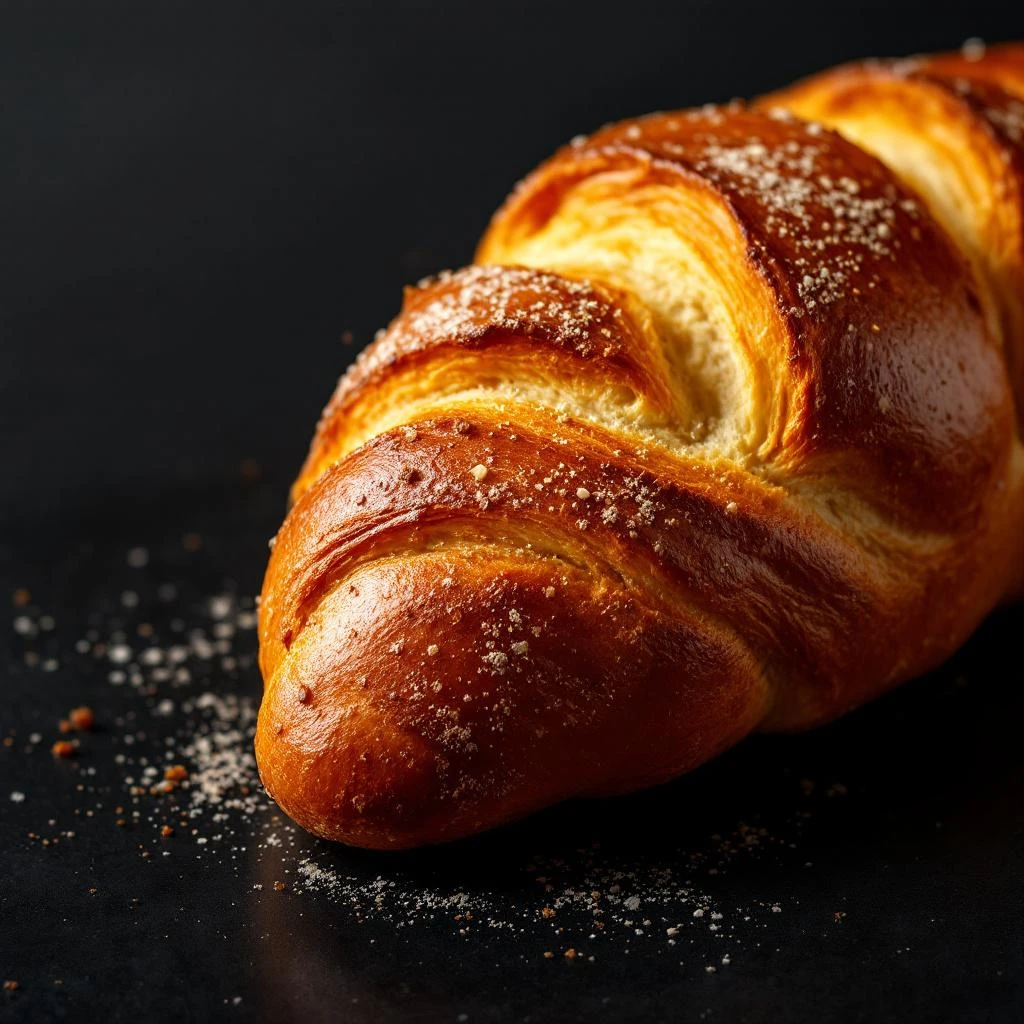
How it smells
Buttery warmth, caramelized edges
Pastry accords rely on gourmand chemistry pioneered in the 1990s, when perfumers began layering maltol, vanillin, and lactones to simulate baked dough in compositions.





Origin
France
Gourmand perfumery as a category barely existed before the 1990s. Early synthetic molecules like coumarin (isolated in 1820 by A. Vogel) and vanillin (first synthesized commercially in 1874) laid the groundwork, but nobody thought to build fragrances around edible smells until Thierry Mugler launched Angel in 1992.
Angel's chocolate-and-caramel DNA changed the industry and opened the door for pastry-inspired compositions. Before that breakthrough, food notes appeared only in functional products, never in fine fragrance. The bakery subgenre expanded through the 2000s with accords simulating croissant, brioche, and almond croissant, often powered by maltol and lactone chemistry.
Today, pastry notes sit at the heart of gourmand perfumery, a category that now generates billions in annual sales worldwide. The note carries strong cultural resonance in French perfumery especially, where the scent of a boulangerie is practically a national symbol.
Wears it best
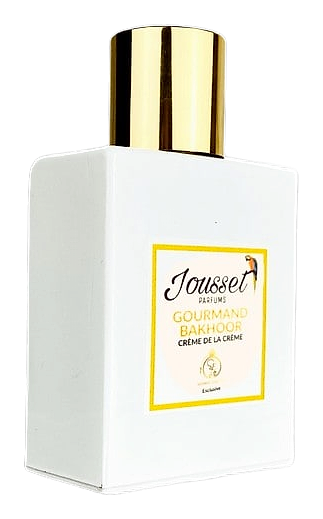
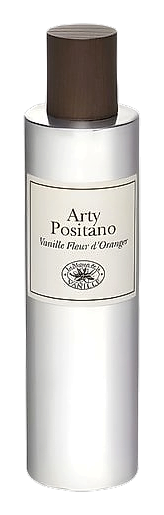
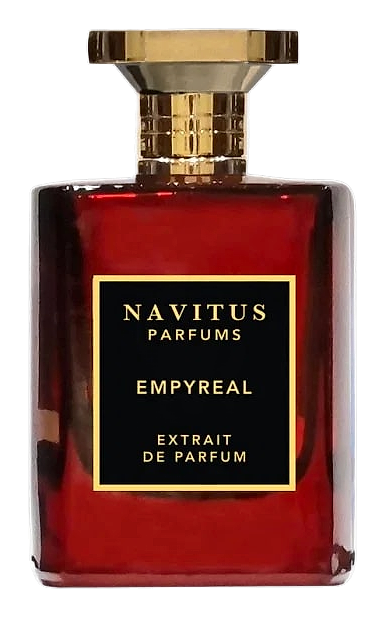
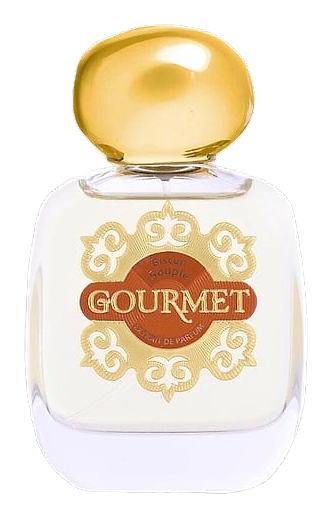
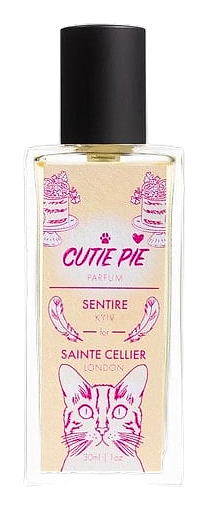
Fragrances featuring Pastry
Brands
Brands known for Pastry
Good to know
Questions, answered
The essentials on Pastry in perfumery: how it smells, where it comes from, and how it behaves on skin.
What does pastry smell like in perfume?
Pastry notes smell warm, buttery, and caramelized, recalling fresh-baked croissants, brioche, or almond pastries. The effect comes from blending aroma chemicals like maltol, vanillin, and lactones, which together simulate oven warmth and dough sweetness.
Is pastry a natural or synthetic fragrance ingredient?
Pastry is entirely synthetic. No natural extraction exists for baked-good aromas, so perfumers reconstruct the smell in a laboratory using food-grade aroma compounds such as ethyl maltol and coumarin.
When did pastry notes first appear in perfumery?
Pastry notes entered fine fragrance with Thierry Mugler's Angel in 1992, the first major composition built on edible-smelling accords. Before then, gourmand scents existed only in functional products like soaps and detergents.
Which molecules create a pastry accord?
Maltol and ethyl maltol deliver caramelized sweetness, vanillin adds creamy depth, and gamma-decalactone provides buttery richness. Fenugreek absolute or furaneol can supply the toasted, bread-like finish.
Are pastry notes safe to wear?
Yes, pastry accords use food-grade aroma chemicals approved by IFRA for fragrance use. Their concentration in finished compositions is typically low, and they pose no skin sensitization risk at recommended dosages.
What fragrance families use pastry notes?
Pastry notes anchor the gourmand family and appear regularly in oriental and sweet-amber compositions. They also appear in modern fougères where perfumers subvert traditional freshness with edible accents.
Can pastry notes be overpowering?
Pastry notes can dominate a composition if overdosed because their base molecules (vanillin, lactones) are highly diffusive. Skilled perfumers keep pastry accords under 5-10 percent of the formula to maintain balance.
Do pastry fragrances last long on skin?
Pastry notes tend to be base-heavy due to their reliance on vanillin and lactones, giving moderate to strong longevity. Their sillage is often softer than their staying power, producing an intimate rather than projecting effect.