Vanilla caramel
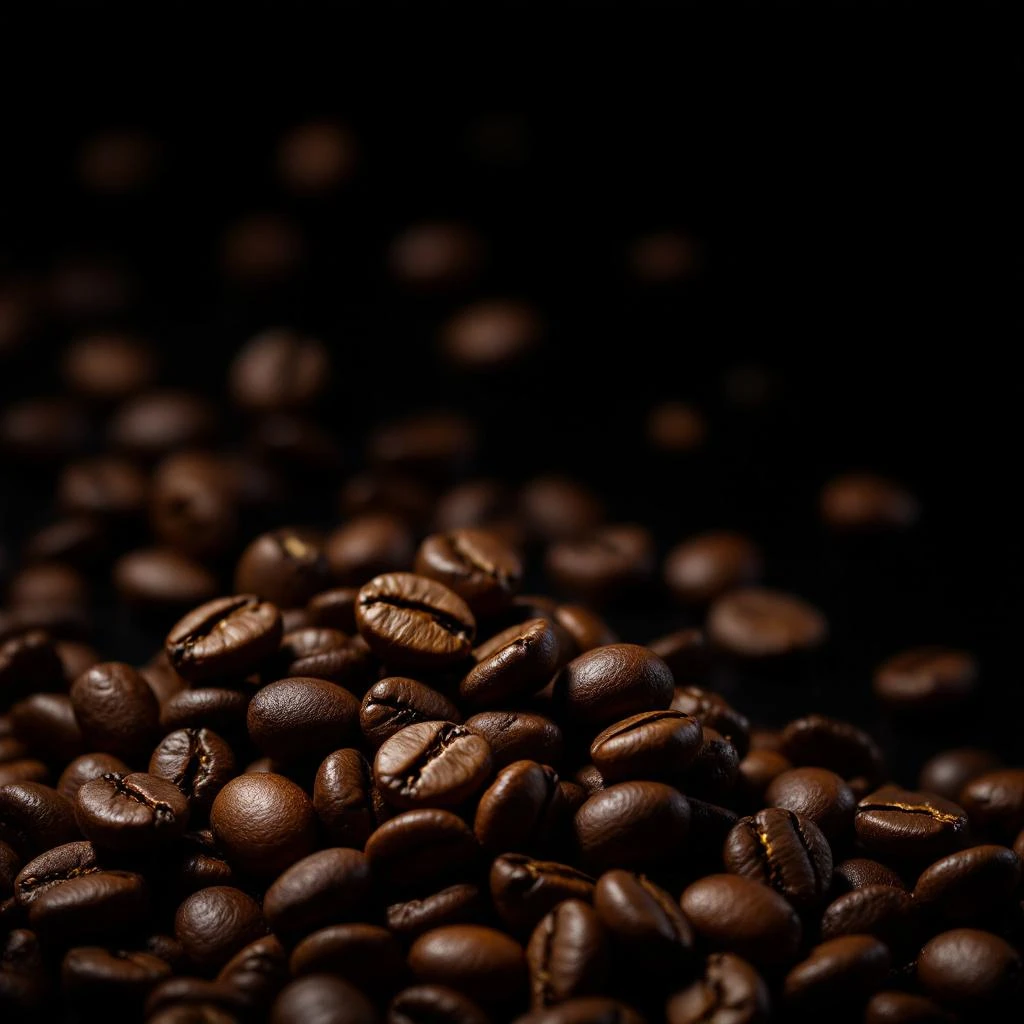
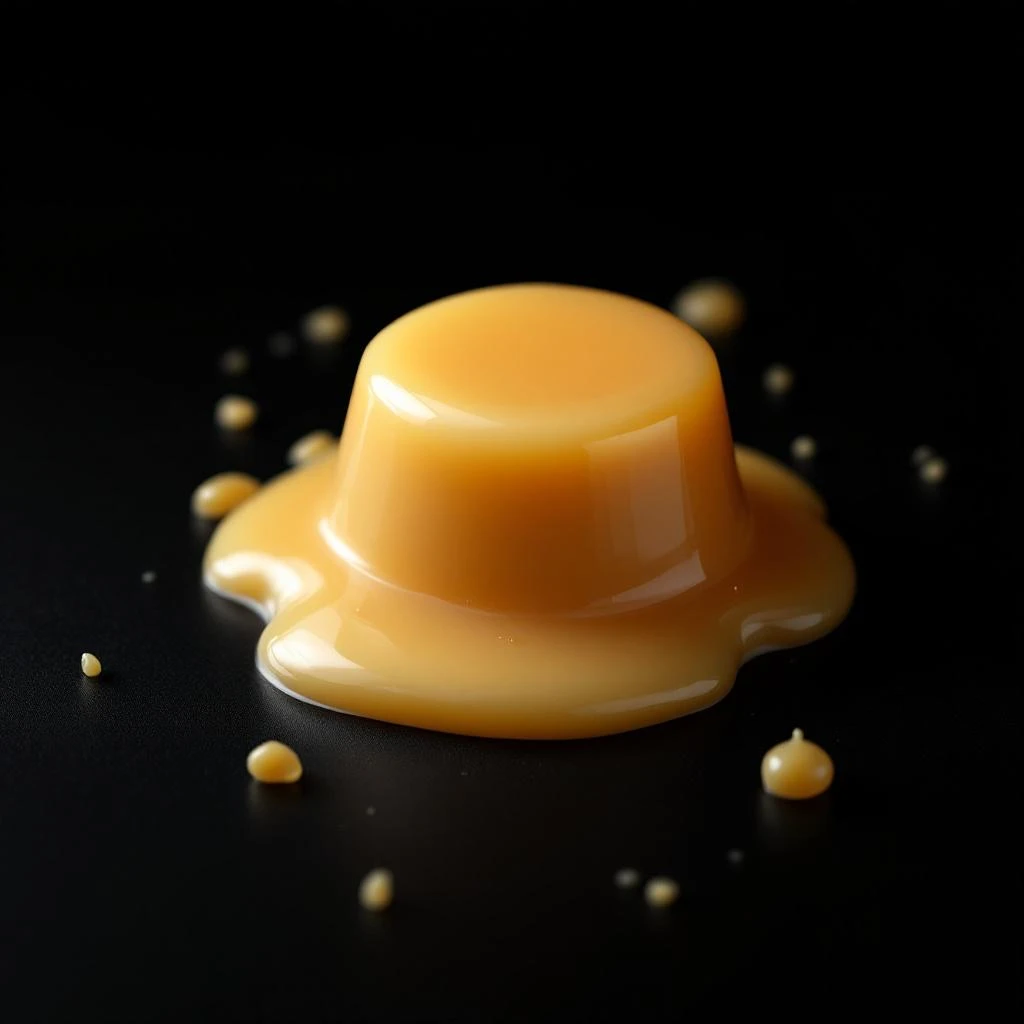
The warm embrace of sun-dried vanilla pods meets golden caramel richness—a union of ancient Mesoamerican treasure and lab-crafted indulgence that defines modern gourmand perfumery.
Character
How it smells
Warm. Indulgent. Unapologetically sweet.
Each vanilla flower blooms for only one day, and without hand-pollination the pods simply fall unpollinated. This is why vanilla remains one of the most labor-intensive spices on Earth.
Origin
Mexico
Vanilla traces its roots to Mesoamerica, where the Aztecs prized the long, dark pods for flavoring cacao and medicinal preparations. The Spanish encountered vanilla in the 16th century and brought it to Europe, where it remained a luxury ingredient used primarily for medicinal purposes for over a century. French botanist Charles P.
Bellamy is credited with solving vanilla's pollination mystery in the 1830s. The flower's anatomy separates male and female parts, preventing natural pollination. Hand-pollination unlocked widespread cultivation, eventually spreading to Madagascar, Indonesia, and Tahiti.
By 1874, chemists successfully synthesized vanillin, opening the door to artificial vanilla and, eventually, the rich caramel notes found in modern gourmand fragrances. The caramel note itself emerged later as synthetic chemistry advanced, giving perfumers a reliable way to capture that characteristic burnt-sugar warmth.
Wears it best
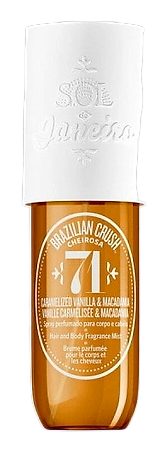
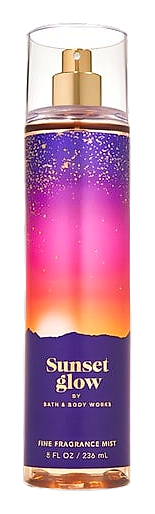
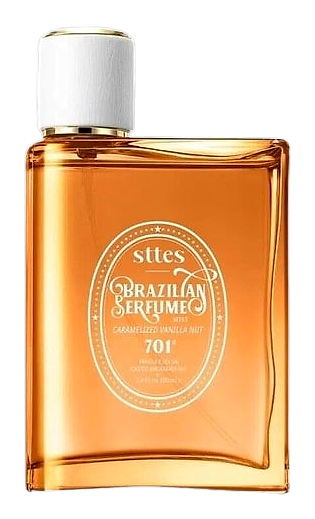
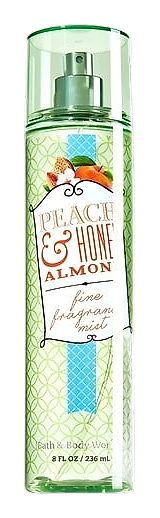
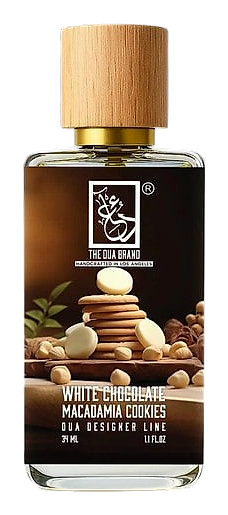
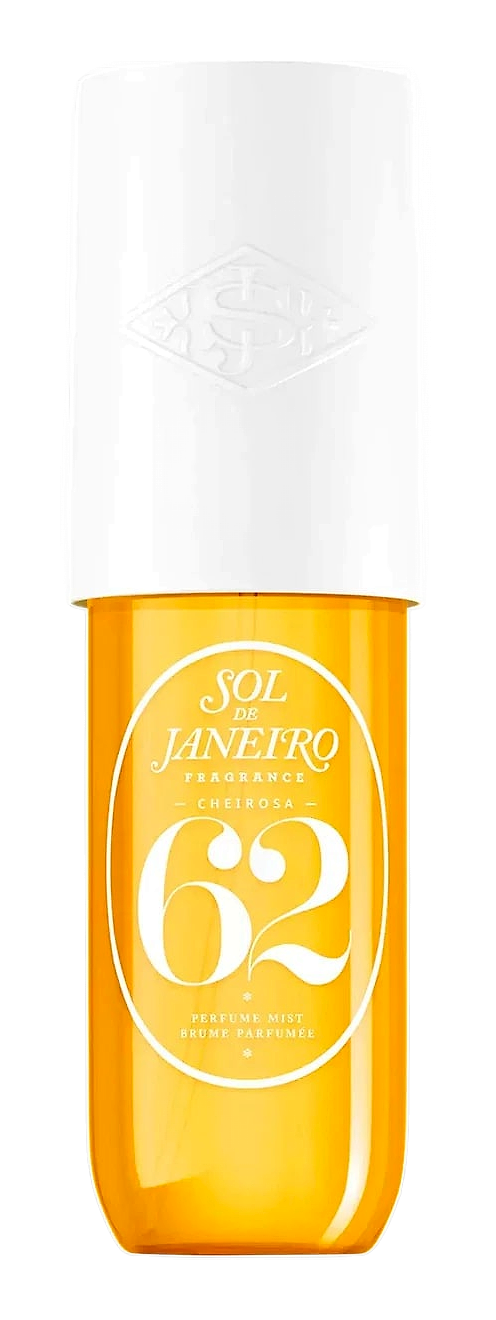
Fragrances featuring Vanilla caramel
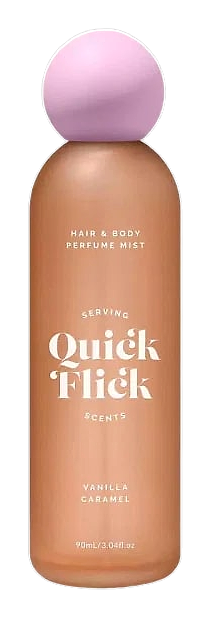
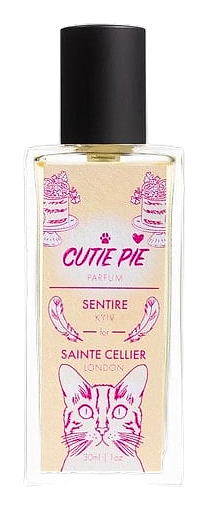
Brands
Brands known for Vanilla caramel
Good to know
Questions, answered
The essentials on Vanilla caramel in perfumery: how it smells, where it comes from, and how it behaves on skin.
Why is vanilla one of the most expensive fragrance ingredients?
Vanilla requires hand-pollination. Each flower opens for a single day, and without human intervention it cannot pollinate itself. Combined with a 6-9 month curing process, production costs remain high despite cultivation worldwide.
Is the caramel note in fragrances natural or synthetic?
Caramel as a perfumery ingredient is entirely synthetic. There is no natural extraction method that produces caramel's characteristic burnt-sugar sweetness. Perfumers create these notes using lab-synthesized aroma compounds.
What does vanilla caramel smell like in a fragrance?
The combination delivers warm, edible sweetness with depth. Vanilla provides creamy, slightly woody complexity while caramel adds sticky, buttery richness with a hint of burnt sugar. Together they create a dessert-like warmth that lingers.
Which fragrance families commonly use vanilla caramel notes?
Gourmand fragrances rely heavily on this combination. Oriental and warm spicy families also incorporate vanilla caramel for their base notes, adding sweetness and sensuality to compositions.
How does vanilla interact with other ingredients in perfumery?
Vanilla acts as an excellent fixative. It smooths sharp edges in citrus and spices while amplifying adjacent sweet notes. In combination with caramel, it adds depth and prevents the sweetness from feeling flat.
What temperatures best preserve vanilla caramel notes?
Heat can accelerate vanilla's volatility, causing it to fade faster in formulations. Perfumers carefully balance the concentration and choose complementary fixatives to maintain longevity on skin.
Which countries produce the vanilla used in perfumery?
Madagascar dominates global vanilla production, supplying over 80% of the world's crop. Tahiti produces distinct floral varieties, while Mexico provides historically significant origins where vanilla cultivation began.
How has synthetic chemistry changed vanilla caramel perfumery?
Vanillin synthesis in 1874 enabled consistent perfume production at scale. Later caramel synthetics gave perfumers reliable access to edible sweetness without natural material limitations, making gourmand fragrances accessible.