Leather Natureprint
Leather Natureprint captures the warm, animalic soul of leather through precision fermentation, replicating nature's complex aromatic signature without animal extraction. This biotech accord recreates the rich, smoky, and slightly sweet character that perfumers have coveted for centuries, now produced sustainably.
Character
How it smells
The soul of leather, grown not tanned.
Tanners in 17th-century Europe used perfumed gloves to mask the harsh smell of their workshops, accidentally creating a fragrance genre.








Origin
Switzerland
The connection between leather and perfume dates back roughly 2000 years, when ancient Egyptians and Mesopotamians first used scented oils on leather goods. The leather fragrance genre truly flourished during the 17th and 18th centuries, driven by the European glove trade.
Tanners in cities like Grasse, France, developed perfumed leathers to satisfy aristocratic demand for scented accessories. These "tanning perfumes" eventually evolved into dedicated leather fragrance accords.
By the mid-1800s, leather had become a ubiquitous perfumery note, featured in landmark creations. Natureprint technology represents the latest chapter in this history, offering a sustainable path forward while preserving the sensory heritage of leather in perfumery.
Wears it best
Fragrances featuring Leather Natureprint
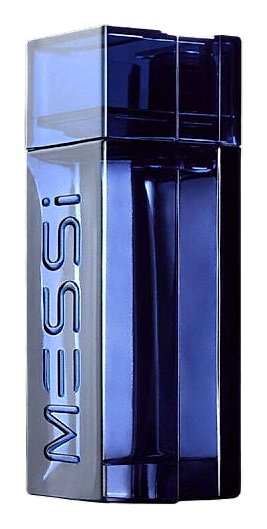

Brands
Brands known for Leather Natureprint
Good to know
Questions, answered
The essentials on Leather Natureprint in perfumery: how it smells, where it comes from, and how it behaves on skin.
What is Leather Natureprint?
Leather Natureprint is a biotechnology-produced leather accord developed by Givaudan. It recreates the rich, smoky, animalic character of traditional leather through precision fermentation of microbial cultures, eliminating the need for animal-derived materials while maintaining authentic leather scent profiles.
How does Leather Natureprint differ from synthetic leather notes?
Unlike simple synthetic leather molecules like skatole orisoft, Leather Natureprint uses living microbial fermentation to produce a complex mixture of aromatic compounds. This approach replicates the multidimensional quality of natural leather rather than relying on single isolated molecules.
What leather fragrance materials does it replace?
Leather Natureprint can replace traditional leather materials including castoreum, birch tar, cade oil, and styrax. These materials have varying sustainability concerns and regulatory restrictions that the biotech alternative overcomes.
When was leather first used in perfumery?
Leather entered perfumery around the 17th century through the European glove trade. Tanners in Grasse, France, developed perfumed leathers for aristocrats, and these tanning perfumes eventually evolved into dedicated leather fragrance accords now found across many perfume families.
Is Leather Natureprint vegan and sustainable?
Yes, Leather Natureprint is entirely vegan and cruelty-free. The biotechnology process has a significantly lower environmental footprint than traditional extraction, reducing land use and avoiding the animal welfare concerns associated with castoreum production.
What fragrance families use leather notes?
Leather notes appear across multiple fragrance families, from classic chypres to modern oud compositions. The leather accord pairs particularly well with rose, iris, saffron, tobacco, and woody materials, creating both traditional and contemporary scent profiles.
What gives leather its characteristic smell?
Leather's distinctive aroma comes from compounds formed during tanning, including catechol derivatives, smoky phenols, and animalic molecules. Natural leather materials like birch bark and castoreum contain these aromatic compounds, which Leather Natureprint replicates through fermentation.
Does Leather Natureprint smell identical to natural leather?
Leather Natureprint captures the essential character of leather with remarkable fidelity, though as with any ingredient, the final impression depends on how it is blended. Perfumers report that it delivers the warmth, smokiness, and animalic depth characteristic of traditional leather materials.