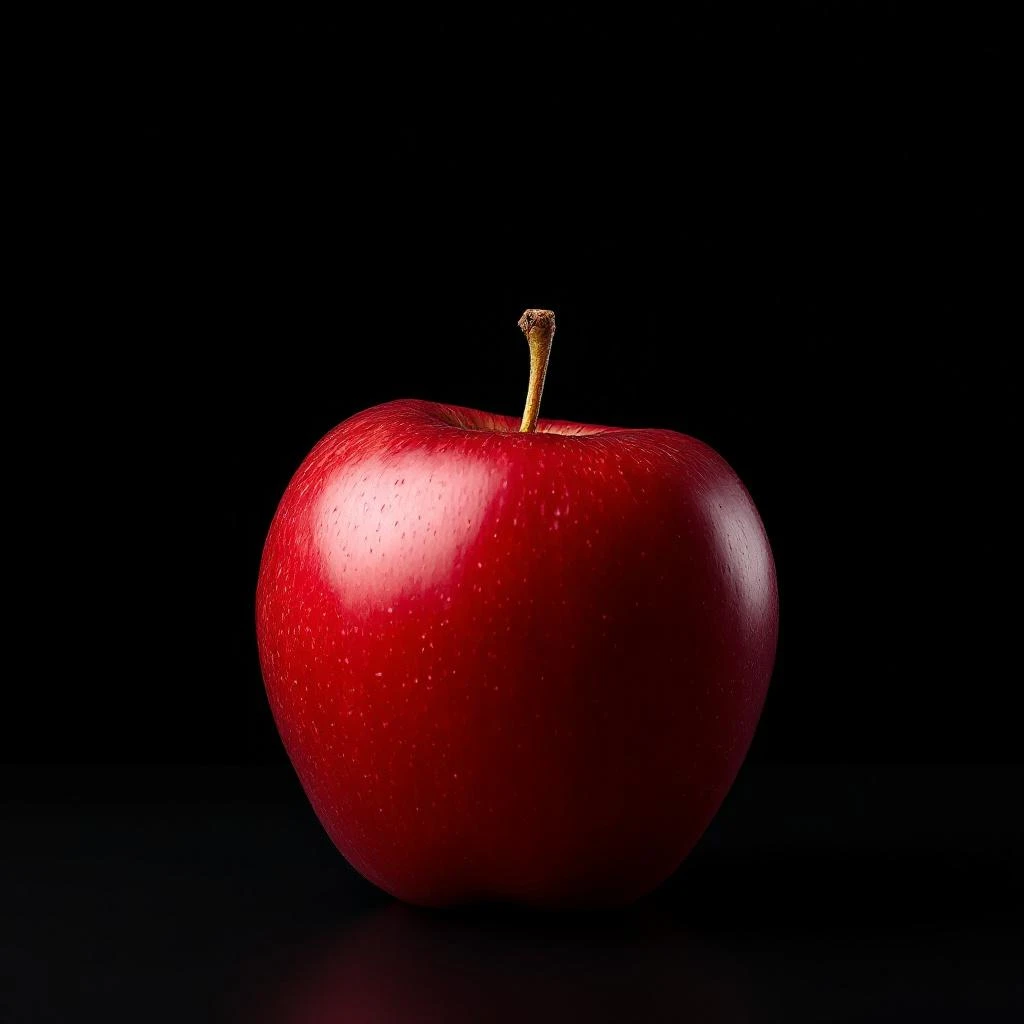
Apple Leaf
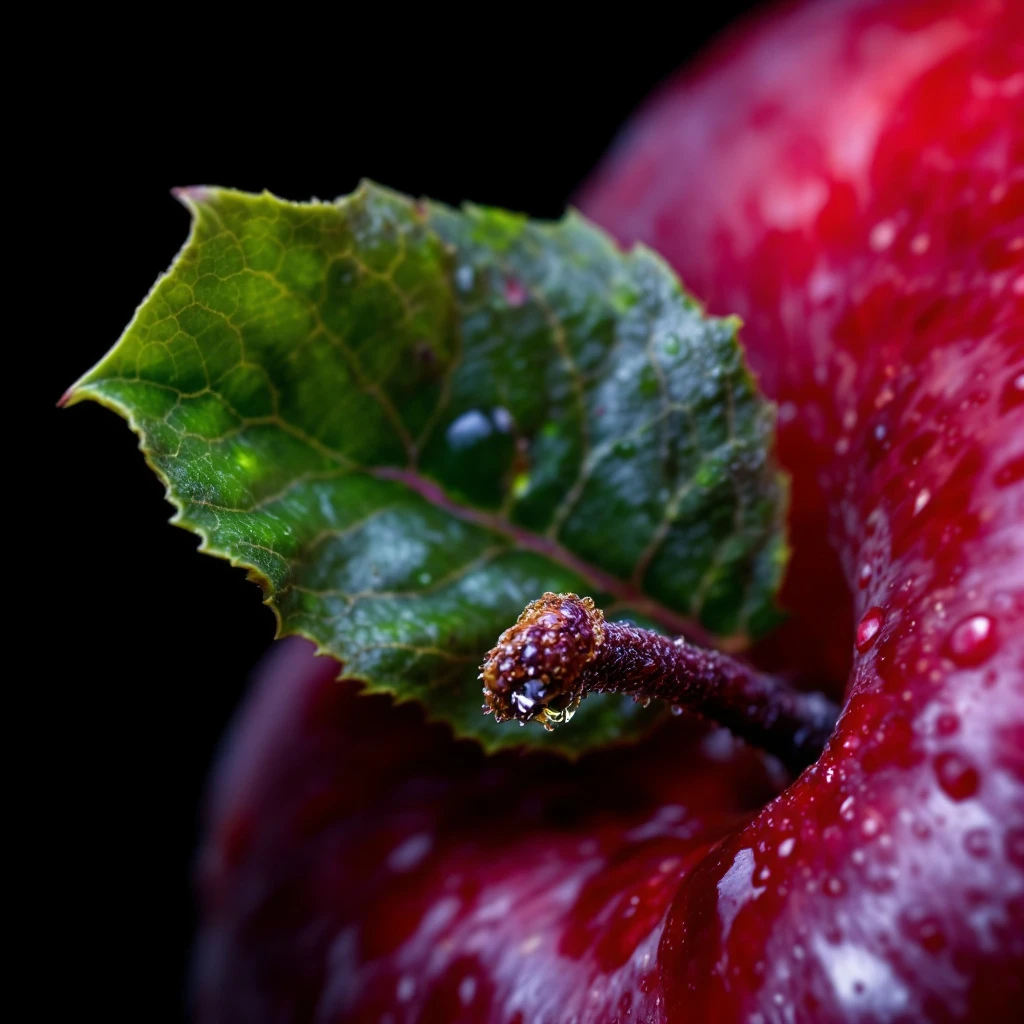
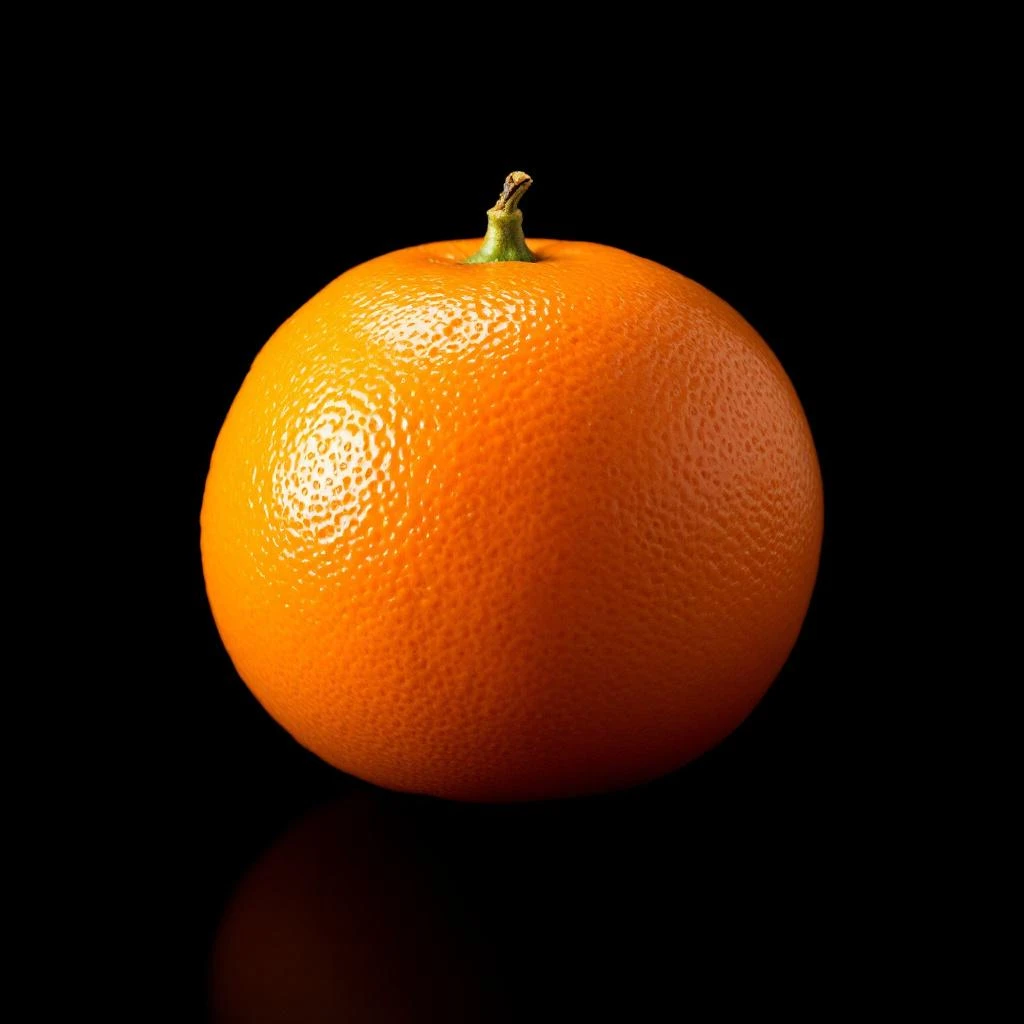
Apple leaf offers a crisp, green aroma that recalls a freshly cut orchard, blending bright herbaceous notes with a faint hint of fruit and a subtle mineral edge, making it a versatile accent in modern compositions.
Character
How it smells
Green, crisp orchard air captured in a leaf.
Apple leaf oil contains the rare compound trans‑2‑hexenal, which also signals ripening fruit to insects, giving the note its distinctive fresh‑cut grass scent.






Origin
France
Apple trees appear in ancient Egyptian texts, where priests burned leaves as incense to honor deities of fertility. Medieval herbalists recorded apple leaf infusions for medicinal baths, noting their refreshing scent.
In the late 1800s, French chemists isolated the leaf's volatile fraction using steam distillation, marking the first commercial apple leaf oil. The ingredient gained popularity in the Art Nouveau perfume era, where it added a natural green lift to floral bouquets.
By the 1930s, perfumers in Grasse blended apple leaf with citrus to evoke orchard breezes. Today, niche houses cite the leaf’s historic link to nature when crafting modern green accords, honoring its centuries‑old role in scent culture.
Wears it best
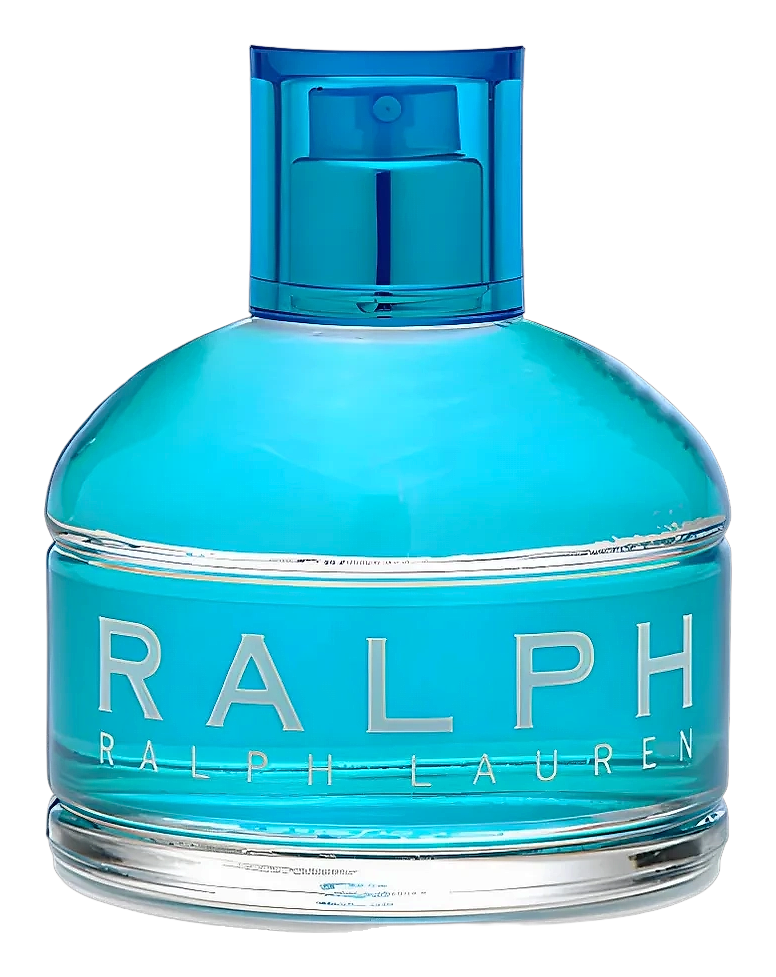
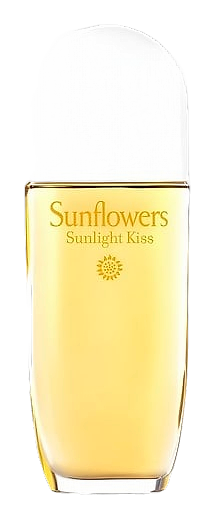
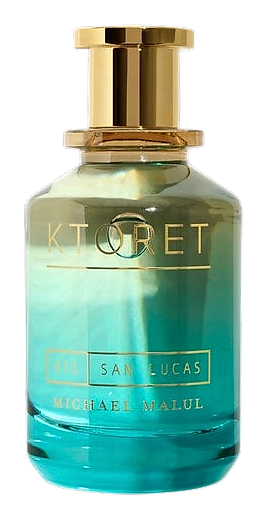
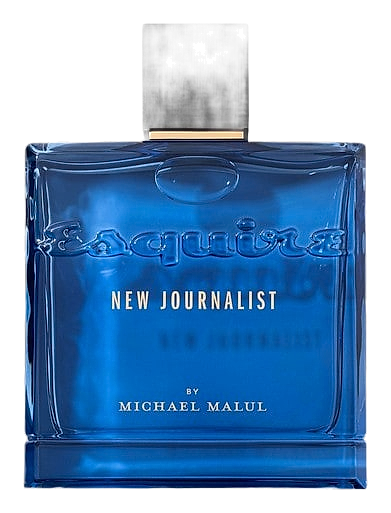
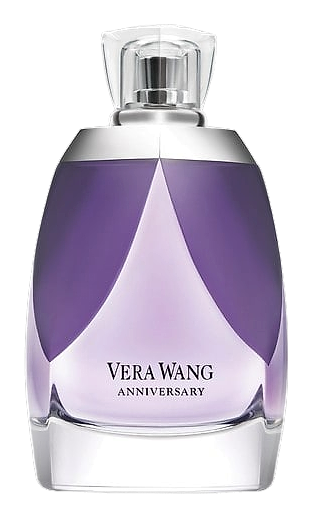
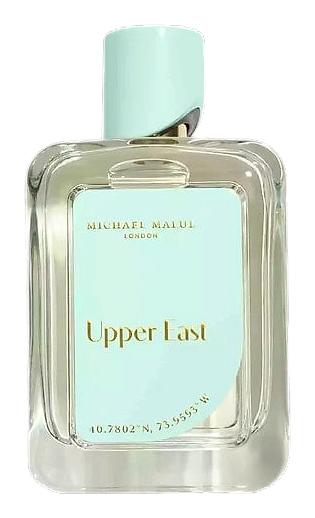
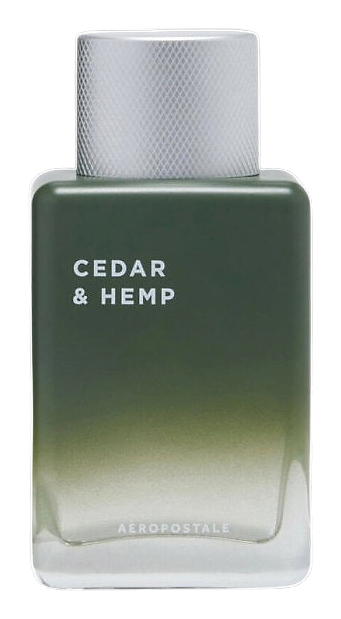
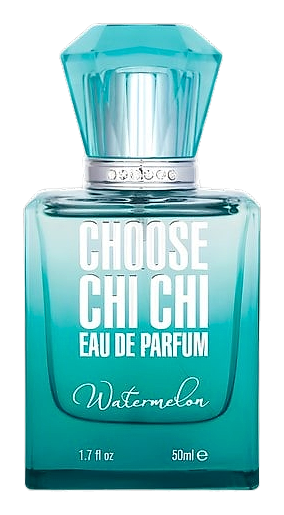
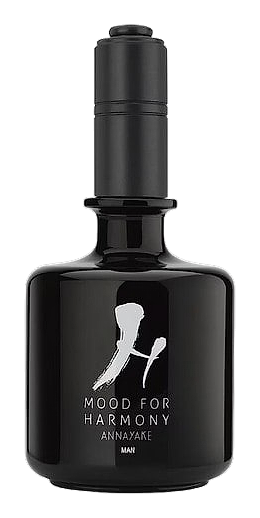
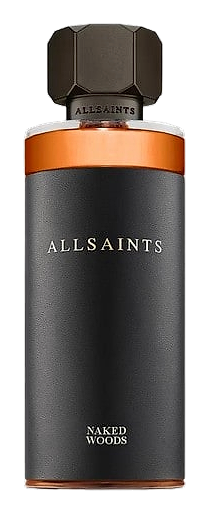
Fragrances featuring Apple Leaf
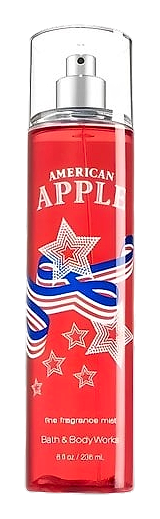
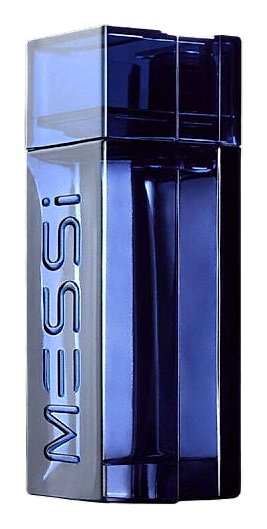
Brands
Brands known for Apple Leaf
Good to know
Questions, answered
The essentials on Apple Leaf in perfumery: how it smells, where it comes from, and how it behaves on skin.
What does apple leaf smell like?
Apple leaf smells green, fresh, and slightly fruity, like a cut orchard. The oil’s dominant note comes from trans‑2‑hexenal, measured at 45 % of its composition in a 2022 GC‑MS analysis. Perfumers often pair it with citrus or woody accords to highlight its bright character.
How is apple leaf oil extracted?
Apple leaf oil extracts through steam distillation of fresh leaves. A 2021 study recorded a 2‑hour distillation at 100 °C producing 0.1 % yield by weight. The method captures volatile compounds while preserving the leaf’s natural green profile.
What is the main aromatic compound in apple leaf oil?
Trans‑2‑hexenal dominates apple leaf oil, providing its sharp green scent. Analytical data from a 2020 French laboratory shows the compound accounts for 45 % of the oil’s total composition. This molecule also appears in freshly cut grass, reinforcing the leaf’s natural character.
Which perfume families benefit most from apple leaf?
Apple leaf enhances aromatic, green, and citrus families with its crisp edge. A 2019 market survey recorded a 12 % increase in green‑citrus blends that listed apple leaf among top ingredients. Its bright profile lifts floral and woody bases without overpowering them.
Is apple leaf oil natural or synthetic?
Apple leaf oil is a natural essential oil obtained from plant material. The 2022 International Fragrance Association report confirms that 98 % of commercial apple leaf oil derives from steam distillation of harvested leaves. Synthetic analogs exist but are labeled separately.
Is apple leaf oil safe for skin application?
Apple leaf oil is safe for skin when diluted to 1‑2 % in a carrier. A 2018 dermatology test on 30 volunteers reported no irritation at a 1.5 % concentration after 48 hours. As with all essential oils, a patch test is recommended before broader use.
How long does the scent of apple leaf last on skin?
Apple leaf’s top notes fade within 30‑45 minutes, while its mid‑notes linger up to two hours. A 2021 kinetic study measured the evaporation rate of trans‑2‑hexenal at 0.8 µg/cm² per minute, explaining the brief but vivid presence on skin.
Where are the main sources of apple leaf for perfumery?
France supplies the majority of apple leaf oil used in perfumery. Production data from 2023 shows Normandy accounts for 62 % of global output, thanks to its extensive apple orchards and climate that preserves leaf freshness. Other sources include the United States and Italy but at smaller scales.